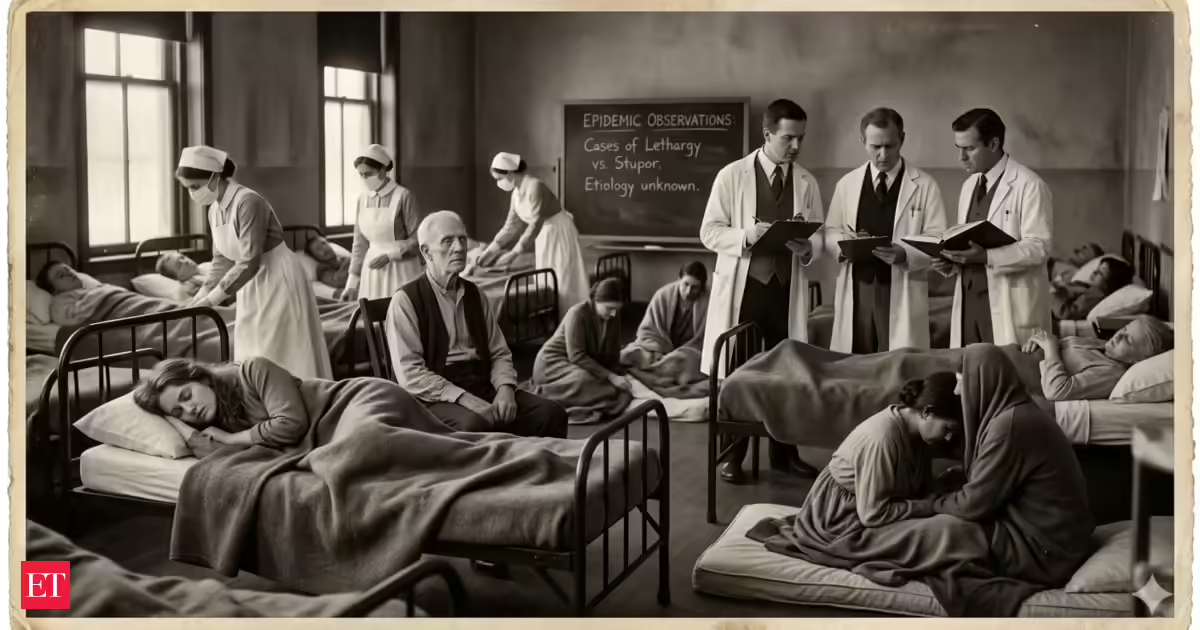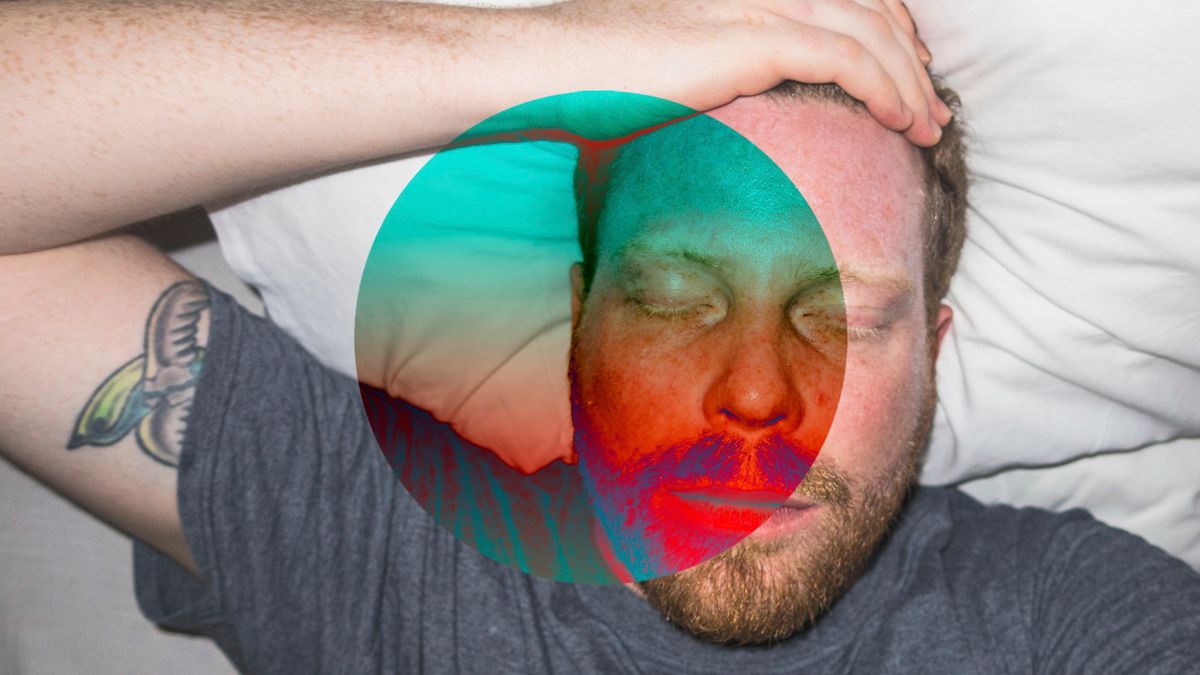
In the spring of 2013, residents of a small village called Kalachi in northern Kazakhstan began collapsing into sudden, unexplained sleep. People would doze off mid-conversation, while walking, or even while driving, and would remain unconscious for anywhere between a few hours and several days. When they woke up, most had no memory of the episode at all, only headaches, disorientation and a strange sense of having lost time. The condition, later nicknamed sleeping sickness, went on to affect more than 140 people in Kalachi and the neighbouring village of Krasnogorsk over the next several years. Doctors, government officials and scientists from multiple institutions spent years trying to identify a single, convincing cause.Why an entire Kazakh village became known as ‘Sleepy Hollow’Kalachi sits in the Akmola region of northern Kazakhstan, a quiet farming village of a few hundred residents, many of them of Russian and German descent. The illness that struck the village did not follow any obvious pattern, it affected adults and children alike, sometimes striking the same person several times over the years. Victims often appeared conscious even while unwell, moving around in a dazed state before slipping into deep, unresponsive sleep. Some experienced vivid hallucinations, nausea and vomiting alongside the drowsiness. Because the symptoms did not match any recognised medical condition, doctors were initially unable to offer even a preliminary diagnosis, and the strangeness of the outbreak eventually earned the village the nickname Sleepy Hollow among locals and journalists covering the story.The carbon monoxide theory from an abandoned uranium mineThe village sits close to a Soviet era uranium mine that had been abandoned decades earlier and later flooded. In 2015, Kazakh officials announced that testing had linked the illness to elevated levels of carbon monoxide and hydrocarbon gases in the village air, believed to be seeping up from the flooded mine shafts. Deputy Prime Minister Berdibek Saparbayev said the sleeping sickness was likely caused by a combination of reduced oxygen levels along with excess carbon monoxide and hydrocarbons in the air, a synergy effect that made each factor more dangerous than it would be on its own. Radiation levels around the village were repeatedly tested and found to be within normal limits, which effectively ruled out the earlier and more alarming theory that uranium contamination itself was responsible for the outbreak.A competing theory points to contaminated groundwaterNot every researcher was convinced by the carbon monoxide explanation, and the debate over the true cause continued for years afterward. In 2020, epidemiologist Byron Crape and a team at Nazarbayev University in Astana proposed an alternative theory after speaking with more than two hundred current and former villagers. According to the university's own account of the research, the team found that nearly every household in Kalachi drew its drinking water from a single underground source, and their modelling ruled out dozens of alternative explanations tied to diet, chronic illness or lifestyle habits before settling on this shared water supply as the common thread. Crape suggested that old barrels of Soviet era chemical waste buried near the village may have corroded over time, allowing an unidentified toxin to leach into the groundwater and explaining why the illness appeared seasonally, since the researchers believed the chemical broke down differently once water temperatures rose above one degree Celsius.Why the mystery still divides researchersEven years later, no single explanation has been universally accepted by scientists studying the case, and the true cause of Kalachi's sleeping sickness remains a subject of debate. Some researchers have pointed out that early medical tests on affected villagers did not show the elevated carboxyhemoglobin levels usually associated with serious carbon monoxide poisoning, which raises questions about how complete the original 2015 explanation really was. Separately, a study published in the European Proceedings of Social and Behavioural Sciences examined the psychological toll of the illness on affected residents, and its findings on stress, fatigue and emotional resilience among survivors are detailed in the full peer reviewed research paper. That study found that many residents continued to struggle with anxiety and reduced stress tolerance long after their physical symptoms had faded, underlining how disruptive the unexplained illness was to daily life in the village even after the immediate medical danger had passed.What eventually happened to the villageBy around 2015, the Kazakh government had begun relocating residents away from the affected area, moving dozens of households out of Kalachi and Krasnogorsk as a precaution while investigations continued. Reported cases of the illness eventually tapered off after 2015, and the village itself has since become something of a real life ghost story, referenced in documentaries and articles about unexplained medical mysteries around the world. Whether the true cause was toxic gas from an old mine, contaminated drinking water, or some combination of environmental factors that has still not been fully identified, Kalachi remains one of the more puzzling public health cases of the past two decades, a reminder of how difficult it can be to trace an illness back to its source when the evidence itself is buried underground.
Kazakhstan's mysterious sleeping sickness that left hundreds asleep for days
In the spring of 2013, residents of a small village called Kalachi in northern Kazakhstan began collapsing into sudden, unexplained sleep. People would doze off mid-conversation, while walking, or even while driving, and would remain unconscious for anywhere between a few hours and several days.
836 words~4 min read