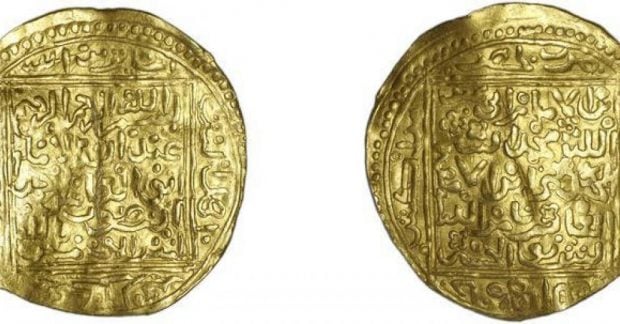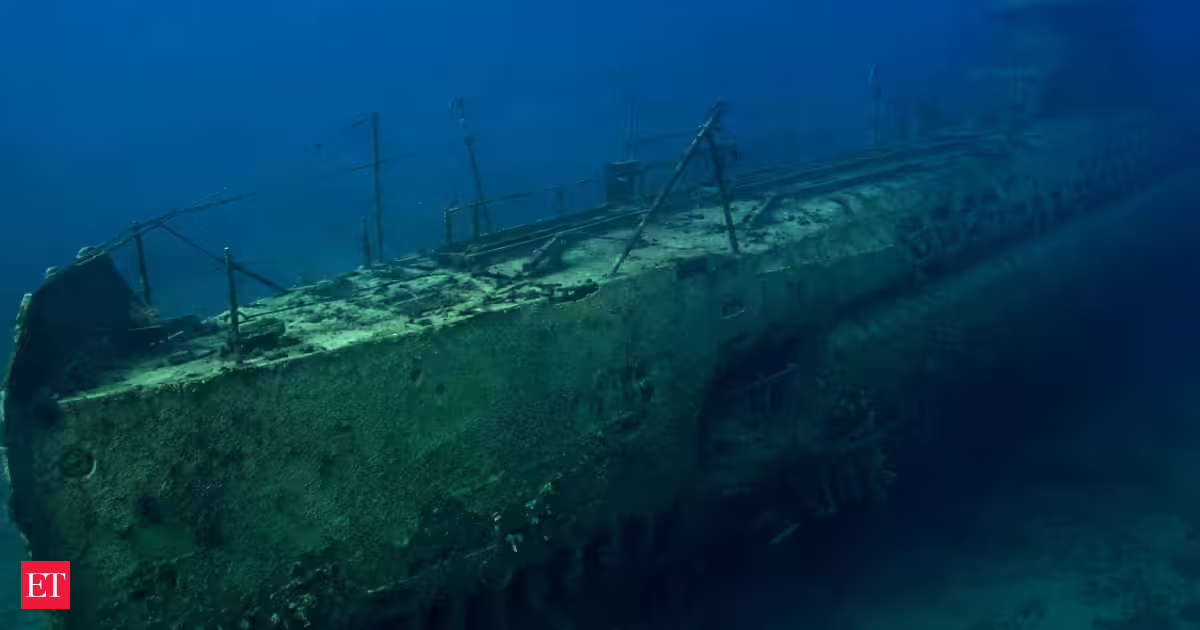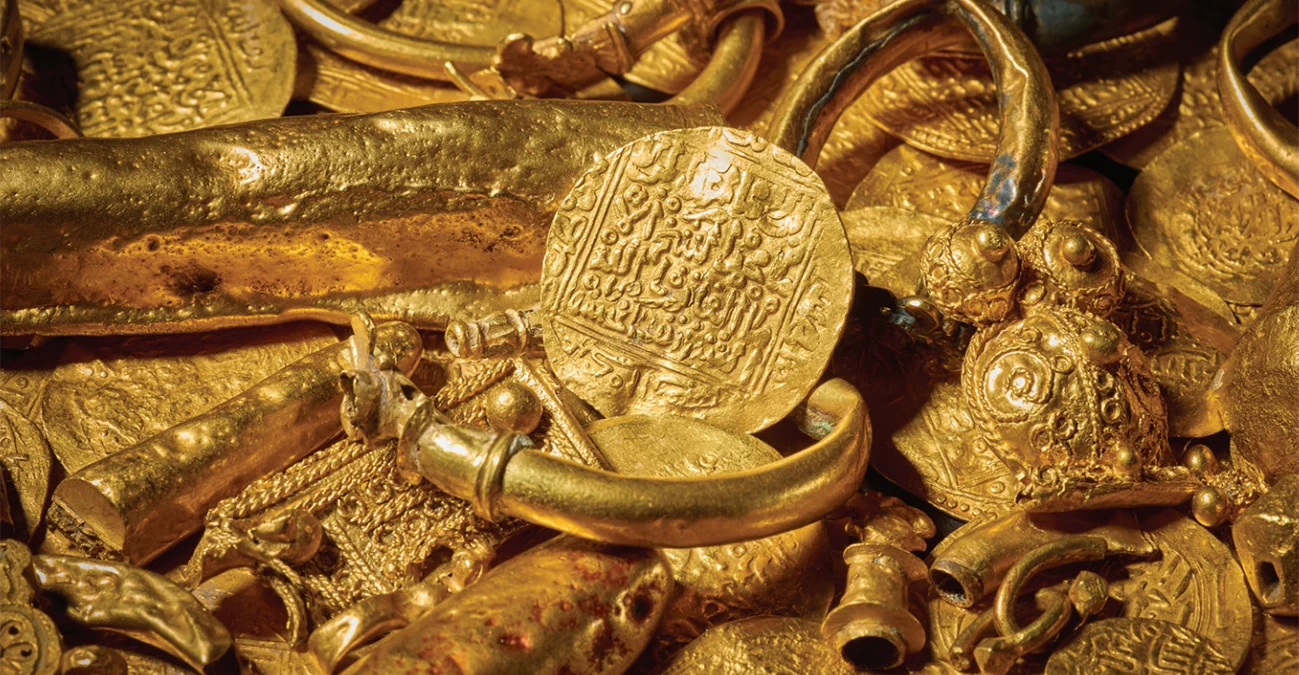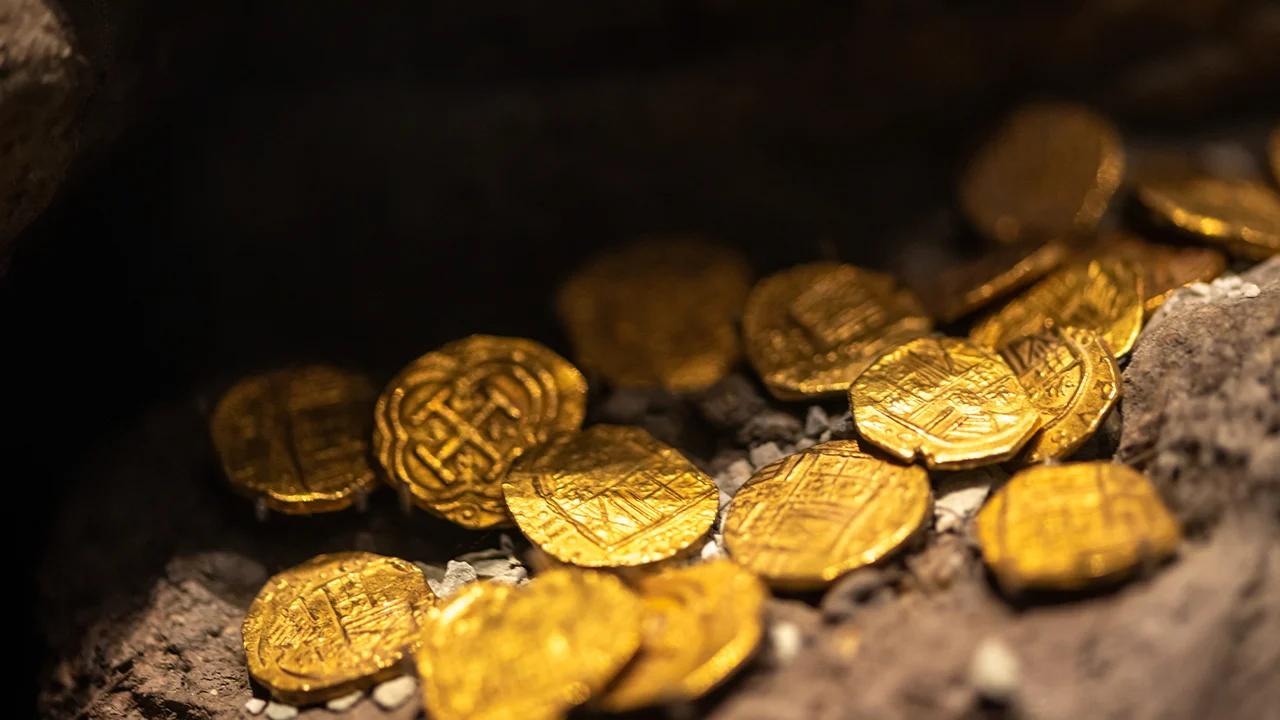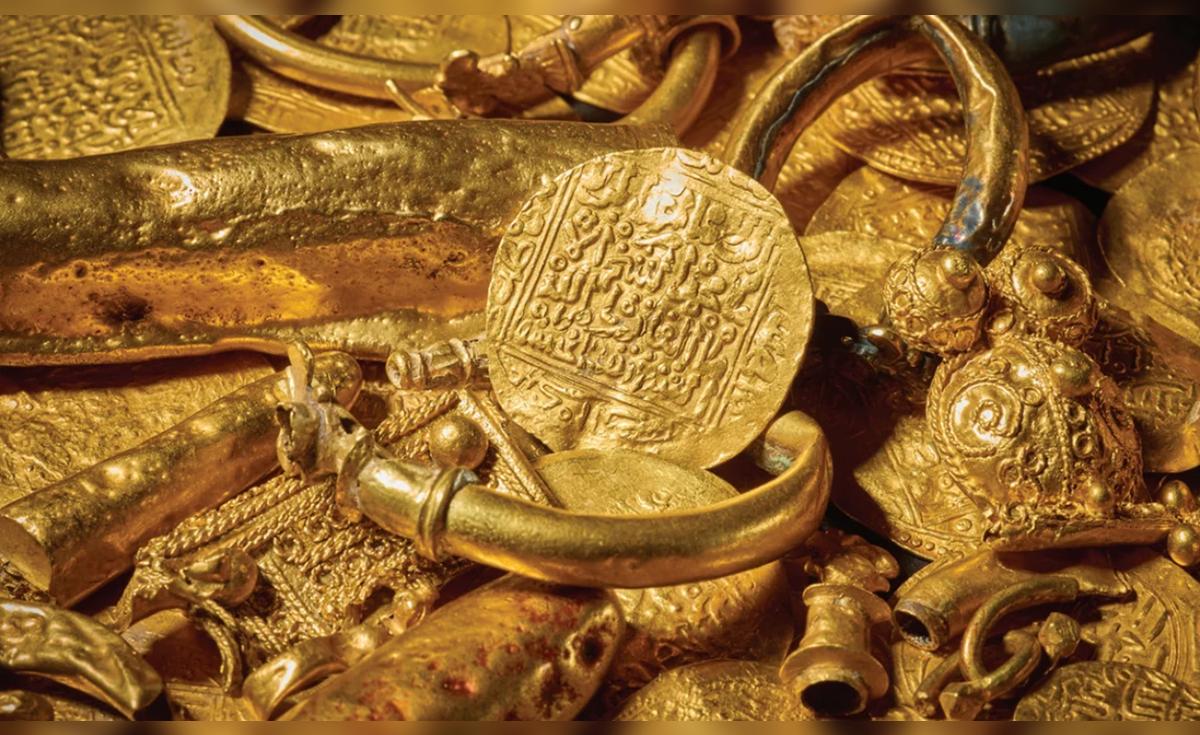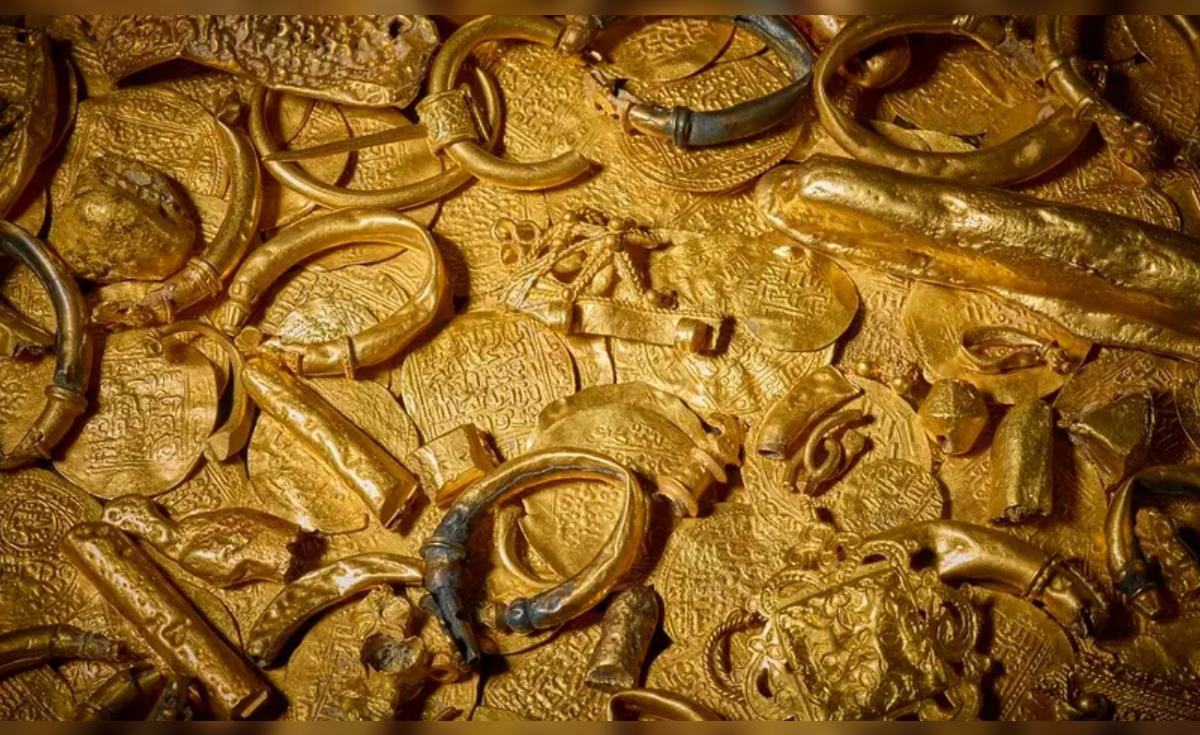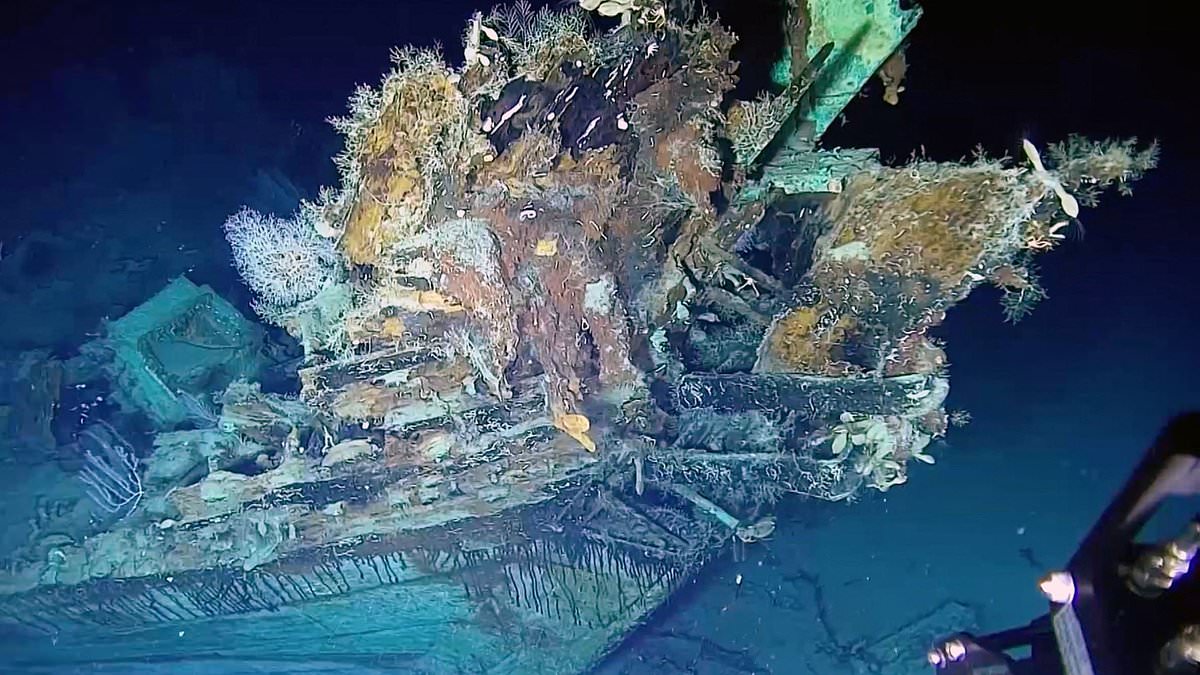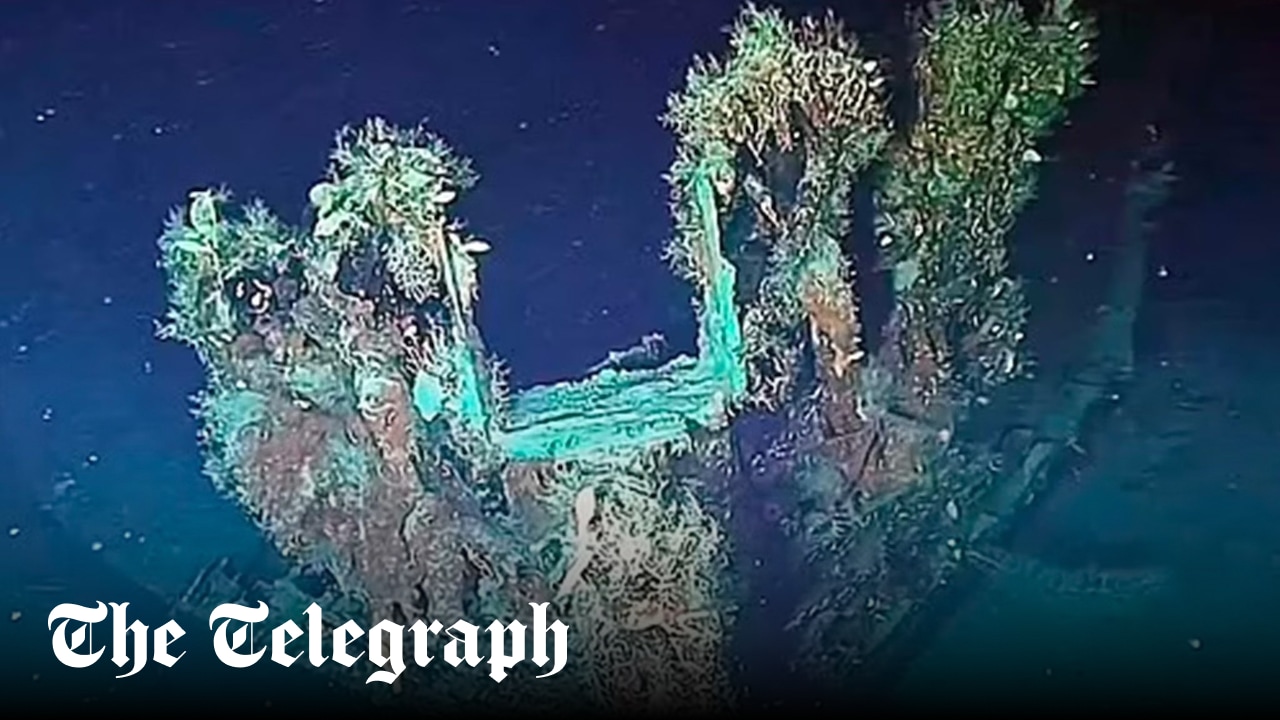
In 1995, divers exploring the seafloor off the coast of Devon in England stumbled upon something extraordinary: more than 400 gold coins scattered across the sand at a depth of around 18 metres. Alongside the coins lay jewellery, a nugget of pure gold, cannons, anchors and a fish-shaped sounding weight, all clear signs of a shipwreck. But for nearly 30 years, the identity of the vessel itself remained a mystery. Historians and archaeologists could not say for certain which ship had gone down there, where it had been sailing from, or why it was carrying such a valuable cargo. That question has now finally been answered through a combination of archival research and careful analysis of the objects recovered from the seabed.What divers found off the coast of DevonThe wreck lies near the coastal town of Salcombe and stretches about 30 metres across the seabed. When members of the South West Maritime Archaeology Group first explored the site, they recovered gold coins, gold jewellery, pottery, a pewter bowl and spoon, a stamp seal and a gold finger nugget, many of which are now held at the British Museum. The presence of so much gold immediately raised questions, since the coins did not match any obviously British or European currency of the period. It quickly became clear that the wreck represented something far more significant than a routine local shipping accident, but pinning down the exact vessel proved far harder than expected, and for years the debate over its origin and identity continued without any conclusive evidence.Piecing together three decades of cluesProgress came slowly and depended on matching physical evidence from the seabed with written records buried in archives. A pewter bowl and spoon recovered from the site were eventually identified as Dutch in origin, which narrowed the search considerably and pointed researchers away from earlier theories of a British or Iberian ship. That clue proved decisive when combined with the work of independent historian Ian Friel, who uncovered documents in the National Archive describing a Dutch vessel that had run into severe weather during a voyage from Morocco to the Netherlands. According to these records, the ship sprang a leak after being caught in what was described at the time as tempestuous weather, and sank close to Salcombe while the entire crew escaped safely to shore.The Dom van Keulen and its remarkable cargoThe combined evidence has now been published in a new book, From Morocco to the Coast of England, The Story of the Dom van Keulen and its Remarkable Cargo, which identifies the wreck as the Dom van Keulen, a Dutch trading ship that left Morocco for the Netherlands in the autumn of 1633. According to the official announcement from Bournemouth University, the ship's cargo included 150 bags of gum arabic, 64 bags of saltpetre, 320 goat skins and around 9,000 Barbary ducats, gold coins minted using pure West African gold on Morocco's Barbary Coast. Researchers believe most of this cargo was salvaged soon after the sinking, but more than 400 coins remained hidden on the seabed for over three centuries until divers finally found them in 1995.Why the discovery matters for maritime trade historyThe identification of the Dom van Keulen offers more than closure to a long-running archaeological puzzle, it opens a window into the trading world of the 17th century. During this period, Dutch merchants regularly exchanged manufactured goods for pure West African gold obtained through Moroccan intermediaries, and much of that imported gold was melted down and reminted as Dutch currency that went on to become one of the most widely accepted trade coins in the world. The find provides tangible evidence of the maritime trade links connecting Morocco, the Netherlands and Britain at a time when European powers were expanding their commercial reach across Africa and the Atlantic. It also offers rare insight into the wealth and material culture of the Sa'dian Sharifs, the Arab dynasty ruling Morocco during this period, whose gold once travelled through exactly this kind of trade route before ending up lost at sea for centuries.What remains unknown about the shipDespite the breakthrough, several details about the Dom van Keulen remain elusive. No painting or detailed contemporary description of the vessel has survived, so researchers can only estimate its dimensions from the footprint left behind on the seabed. The wreck site is now protected under the Protection of Wrecks Act 1973 and is managed by Historic England, meaning access is restricted to licensed divers only. Local authorities, including the National Coastwatch Institution and Devon and Cornwall Police, continue to monitor the area to prevent unauthorised interference with the site. Researchers involved in the project say the discovery is a reminder of how much history still lies hidden beneath British waters, waiting for the right combination of archaeology and archival detective work to bring it back to the surface.
A shipwreck mystery hidden in 400 gold coins finally solved after nearly 30 years
In 1995, divers exploring the seafloor off the coast of Devon in England stumbled upon something extraordinary: more than 400 gold coins scattered across the sand at a depth of around 18 metres. Alongside the coins lay jewellery, a nugget of pure gold, cannons, anchors and a fish-shaped sounding weight, all clear signs of a shipwreck.
807 words~4 min read