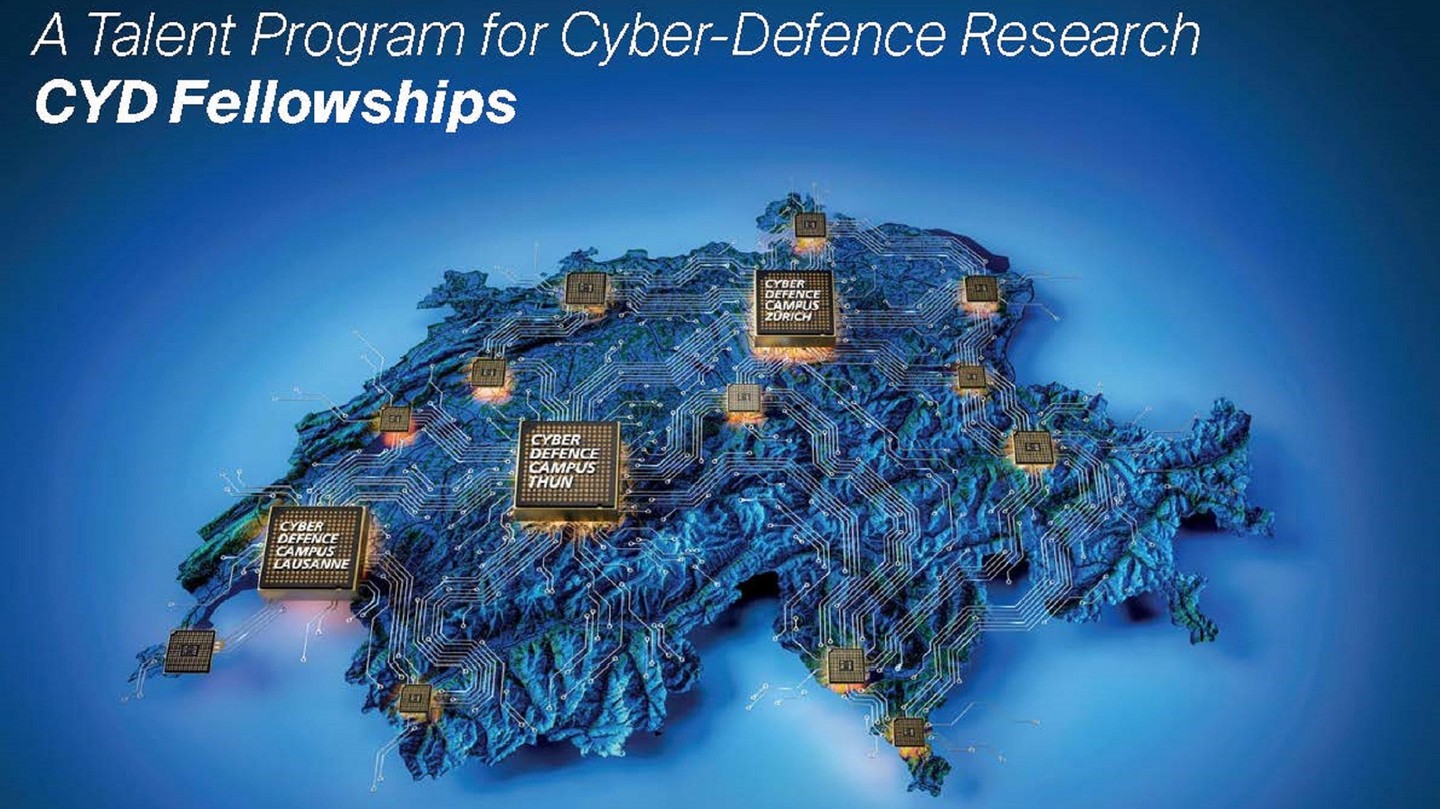
To promote research and education in cyber defence, EPFL and the Cyber-Defence (CYD) Campus launched a rolling call for Master Thesis Fellowships – A Talent Program for Cyber Defence Research.
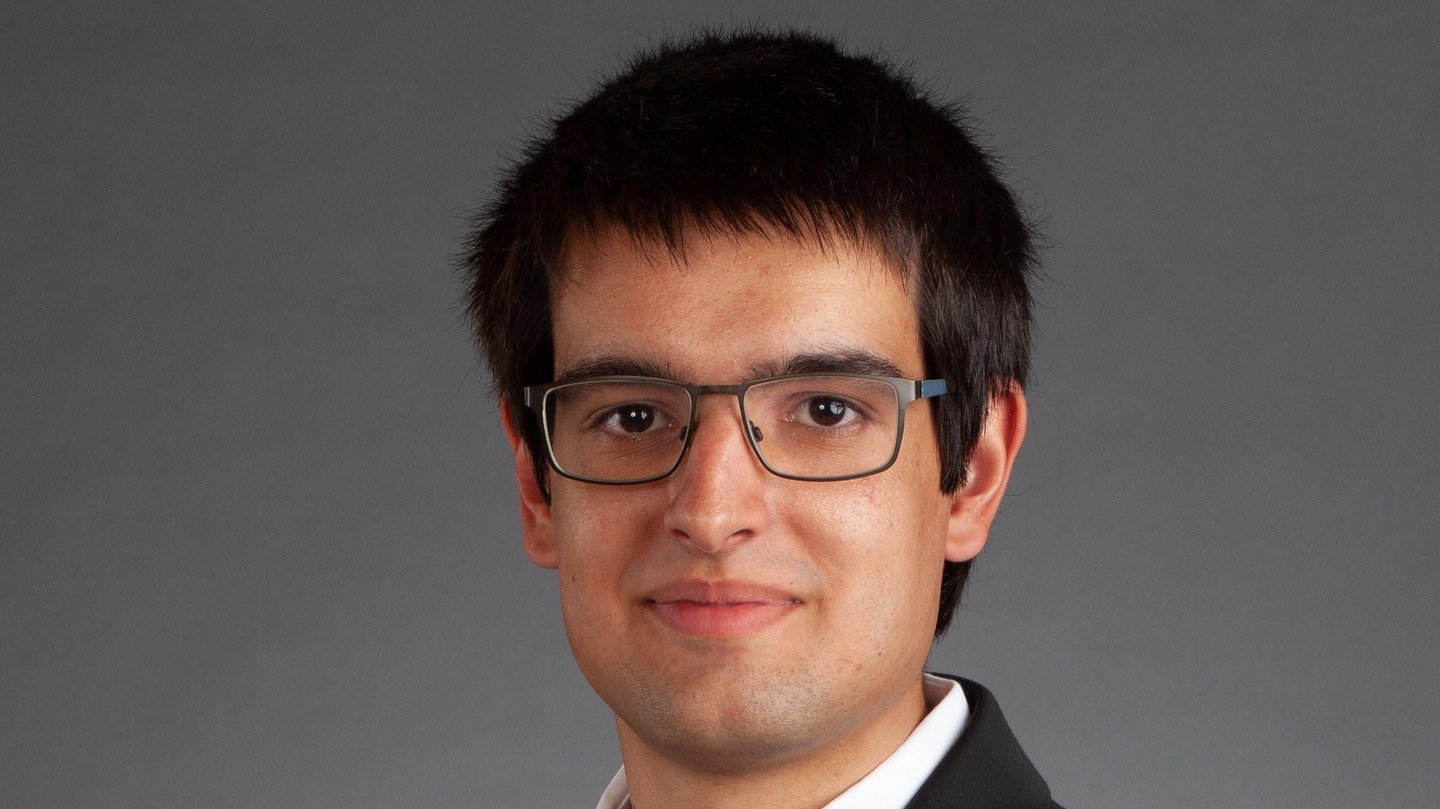
This month we introduce you to Dominique Alguacil, a CYD Master Thesis Fellowship recipient, who is finishing up his Master Thesis in the Information Security Group at the Institute of Computer Science of ZHAW.How did you find out about the CYD Fellowships and what motivated you to apply? I became familiar with the CYD Campus through previous academic projects during my bachelor’s and master’s studies. I discovered the CYD Fellowship by speaking with fellow students on campus. While pursuing my master’s at ZHAW, I collaborated with the CYD Campus on two specialisation projects, which helped me develop an idea for my master’s thesis. This experience motivated me to apply for a CYD Master Thesis Fellowship to further explore my research interests.What was your CYD Fellowship project about? My master's thesis investigates the security of the Swiss e-ID Wallet within Android OS environments and the SWIYU trust infrastructure. Since this upcoming official e-ID ecosystem relies on Self-Sovereign Identity (SSI) principles, data is stored directly on the smartphone rather than a central server, making the device itself the primary target for attackers. Among other aspects, my research analyses whether a motivated threat actor could exploit or bypass these defences, specifically testing if credentials can be compromised within Android’s hardware-backed key storage, including the Trusted Execution Environment (TEE) and StrongBox.What were the advantages of conducting your master thesis project at the CYD Campus?With this project, I provided direct value by analysing the security of a state-issued architecture that will probably be relied on by millions of people in the future. The second major advantage is the professional network and infrastructure; the CYD Campus granted me access to experts in the field, providing outstanding supervision.Did you as a child dream of working in cyber defence?Not at all. I discovered my interest in computing during secondary school. My passion for cybersecurity emerged during my bachelor's degree while attending an IT Security module. Learning about exploiting security vulnerabilities and how to harden systems to defend them captivated me.What is driving you to pursue research in cyber defence? It is a vast field of research where you can always learn something new, and it is always evolving. The topics are state-of-the-art, and you can help improve people's security and privacy.What is the most important lesson you have learned in your scientific career so far? The most important lesson I've learned is the value of exchanging ideas with other experts. Collaborating with others often sparks innovation and drives meaningful progress. When research is shaped by these exchanges, it can lead to tangible impact in real-world applications.What are you most proud of in your career to date?I am proud of my Master’s degree, which I will soon complete, particularly the specialisation projects and my Master’s thesis, which allowed me to focus heavily on Android security and build knowledge in this area.Outside the lab, what do you enjoy doing most?In my spare time, I enjoy tinkering with IT projects and am also a big motorsport fan. I enjoy exploring new places while cycling, and I’m a volunteer firefighter.What were your expectations about the CYD Fellowships? The opportunity to engage in interesting discussions with others at the CYD Campus, to conduct research in a practical setting, and to gain access to the latest knowledge.Could you share some tips with future applicants who are considering applying for the CYD Fellowships? Just go for it and apply. If you haven’t decided yet on a topic, check the list of available Master Thesis topics on the CYD Campus website to find the project that best suits you.