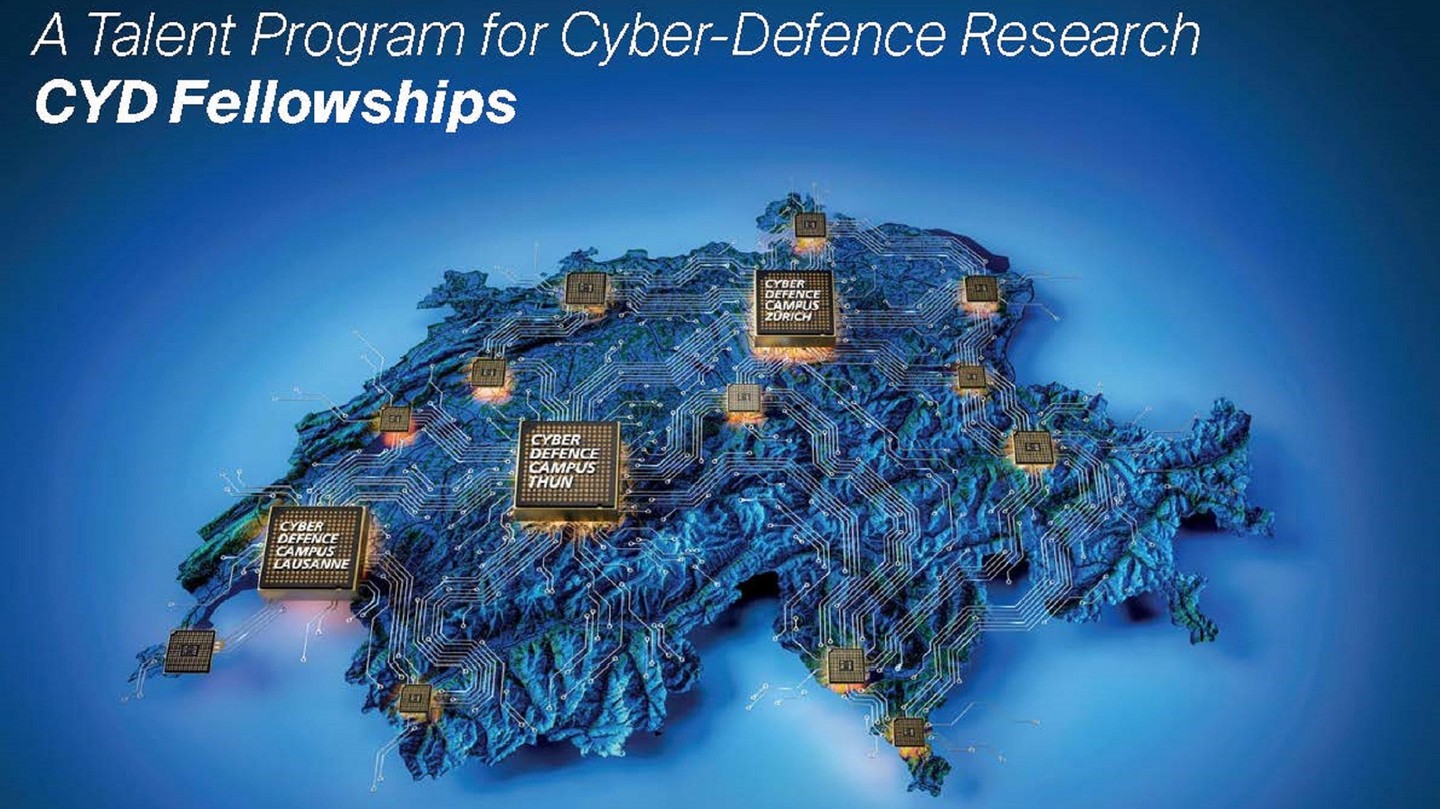
To promote research and education in cyber defence, EPFL and the Cyber-Defence (CYD) Campus launched a rolling call for Master Thesis Fellowships – A Talent Program for Cyber Defence Research.
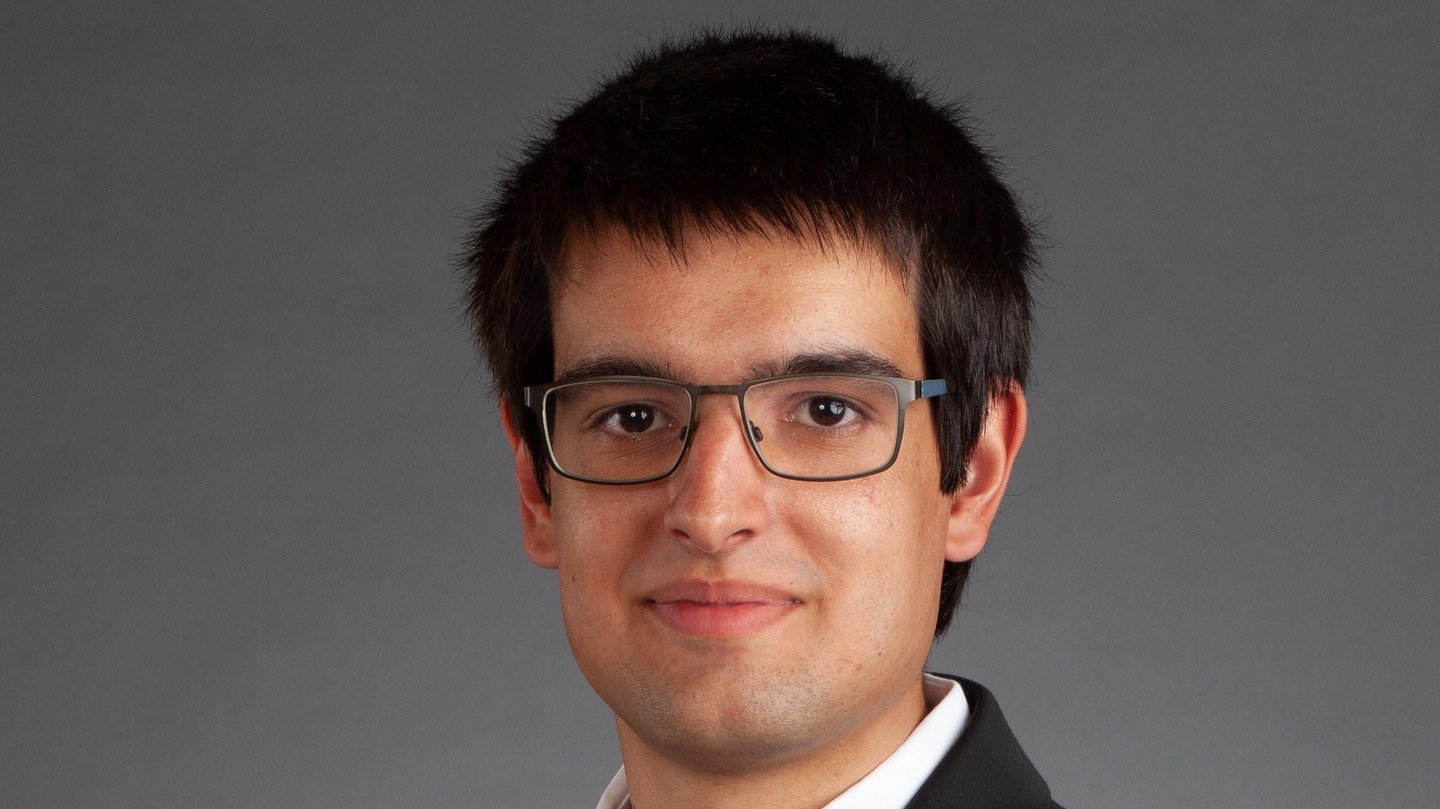
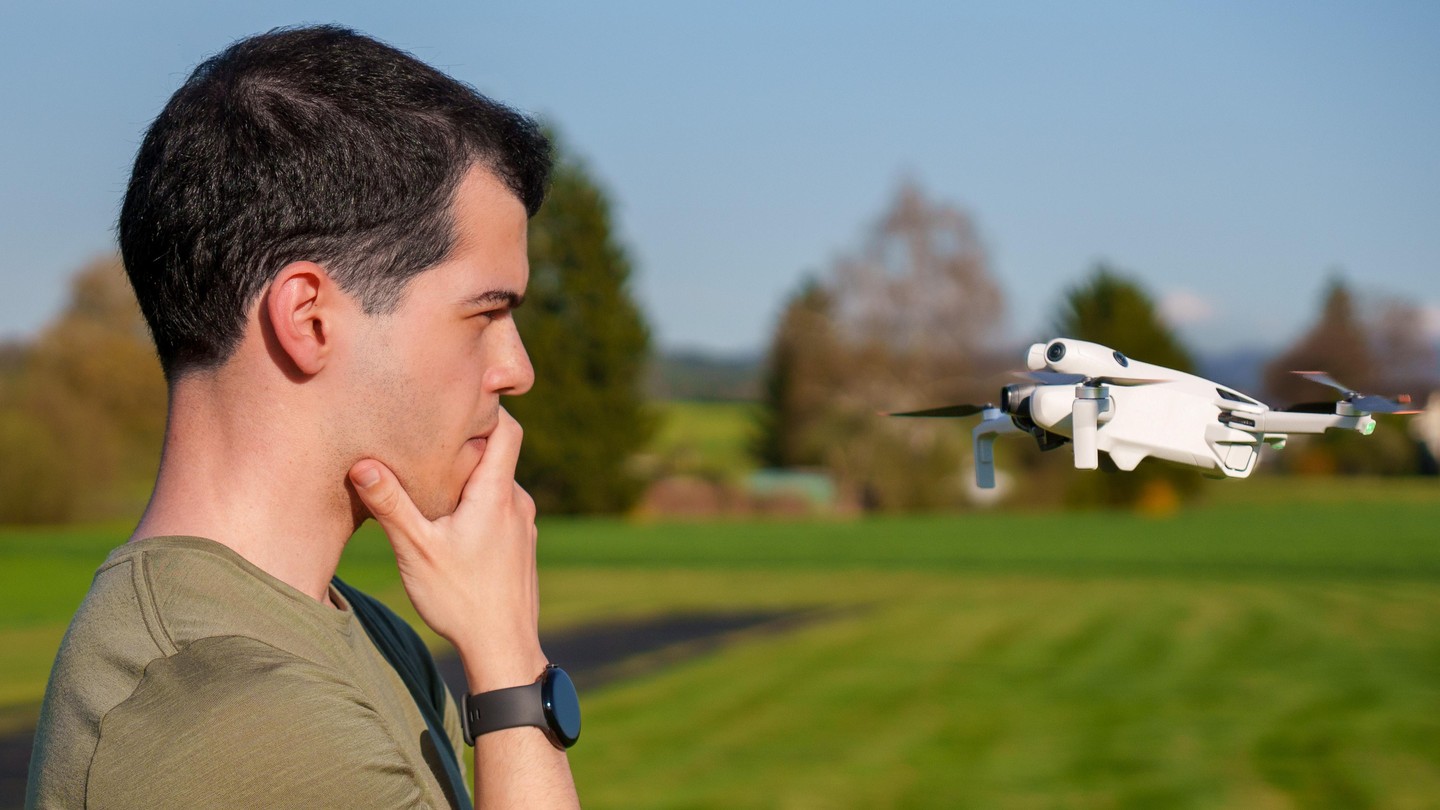
This month we introduce you to Daniele Pusceddu, a CYD Master Thesis Fellowship recipient, who is finishing up his Master Thesis in the System Security Group at ETH Zurich.How did you find out about the CYD Fellowships and what motivated you to apply?I had already heard about the CYD Campus from other ETH cybersecurity students as a great place to do an interesting semester project or master thesis. As the time to plan a thesis approached, I happened to come across a social media post from the CYD fellowship program welcoming the previous semester's fellows. I looked into the fellowship program and its research topics and was drawn in by both the generous benefits and the strong technical agenda.What was your CYD Fellowship project about?My master thesis at the CYD Campus focused on extracting the unencrypted firmware of the radio chip on the newest DJI drones, and on applying state-of-the-art, rehosting-based fuzzing techniques to the recovered firmware. This is an exciting area of research for several reasons. First, drones are now ubiquitous, and studying their security has real-world value. Second, low-level radio firmware is a particularly impactful target. Third, fuzzing is a proven way to uncover vulnerabilities, but applying it to radio firmware has historically been difficult because of the firmware's tight coupling with undocumented peripherals. Experimenting with the newest techniques to overcome that challenge has been fascinating.What were the advantages of conducting your master thesis project at the CYD Campus?The biggest advantages were working under the close supervision of Daniel Hulliger, drawing on the expertise of the other CYD Campus researchers, and collaborating with other students working on drone security at the CYD Campus’ Zurich office. We had a lot of fun and achieved things that would have been much harder to accomplish alone.Did you as a child dream of working in cyber defence?As a child I wanted to be a veterinarian, but I stumbled into cybersecurity relatively early, while I was still in school. I come from Sardinia, in Italy, a country with a world-leading Capture the Flag (CTF) ecosystem. CTFs are hacking competitions that essentially simulate pentesting across a wide variety of targets. Italy does not only have several excellent CTF teams but also a state-sponsored training program called CyberChallenge. In 2019, while still at school, I came across an advertisement for the very first edition of the program at the University of Cagliari. What attracted me at first was the challenge itself and the chance to learn more about computers, rather than cybersecurity specifically. The program is very inclusive and does not require one to be at a university. I passed the entry exam and ended up competing at a very high level. After the course, I kept playing CTFs for several years with the students I had met there, forming the Srdnlen team and rising through the ranks together. I owe a great deal of my trajectory in this field to this experience.What is driving you to pursue research in cyber defence?What drives me is having found a field where curiosity and impact line up so naturally for me. Cybersecurity rewards the kind of technical, hands-on investigation I enjoy most, and at the same time the stakes are very tangible.What is the most important lesson you have learned in your scientific career so far?That in-depth analytical thinking keeps being rewarded and is further amplified by the advent of LLMs. As always, it just has to be applied at the right time and in the right manner.What are you most proud of in your career to date?Moving to Zurich and thriving in a demanding environment like ETH, all while being fully independent despite coming from a background that was far from privileged.Outside the lab, what do you enjoy doing most?Photography, especially of wildlife, and riding my bike through Switzerland's landscapes.What were your expectations about the CYD Fellowships?Beyond working on drone security under the joint supervision of the CYD Campus and ETH, I wasn't quite sure what to expect, which is often the case with new experiences. I'm very happy with how things have turned out.Could you share some tips with future applicants who are considering applying for the CYD Fellowships?Do some research on the topic, reach out to your prospective CYD Campus supervisor to understand the work from a CYD Campus' perspective, and then invest serious time in further literature research to write a bulletproof application. Ask for feedback before submitting.