Guest Post by David Holtzman, Executive Chair at Naoris Quantum Protocol
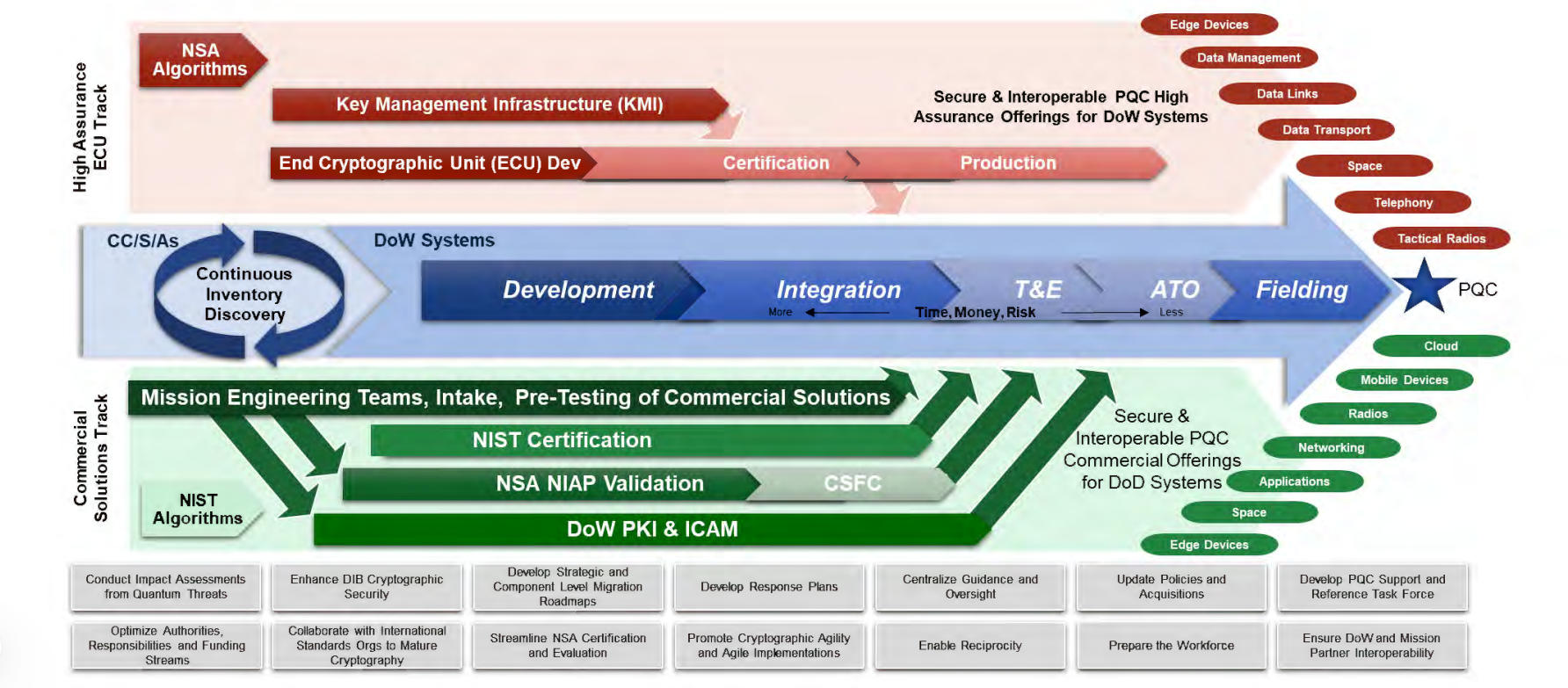
The White House’s June 22 executive order, which accelerates quantum computing efforts and places post-quantum cryptography firmly on the agenda, reflects a growing recognition that quantum readiness now sits alongside broader national security planning.
Across Asia, governments have been moving in the same direction for some time, with significant investment going into quantum research, national infrastructure and the talent needed to build long-term capability. The region is actively positioning itself for the economic, scientific and strategic opportunities quantum technology could create, and there is clear momentum behind those ambitions.
As that momentum grows, security planning needs to develop alongside it, because much of the digital infrastructure supporting financial systems, government services, healthcare networks and critical infrastructure still relies on encryption that future quantum computers may be able to break. Building quantum capability and preparing the systems that will need to withstand its impact should be treated as part of the same long-term effort, particularly where sensitive data and essential services are concerned.