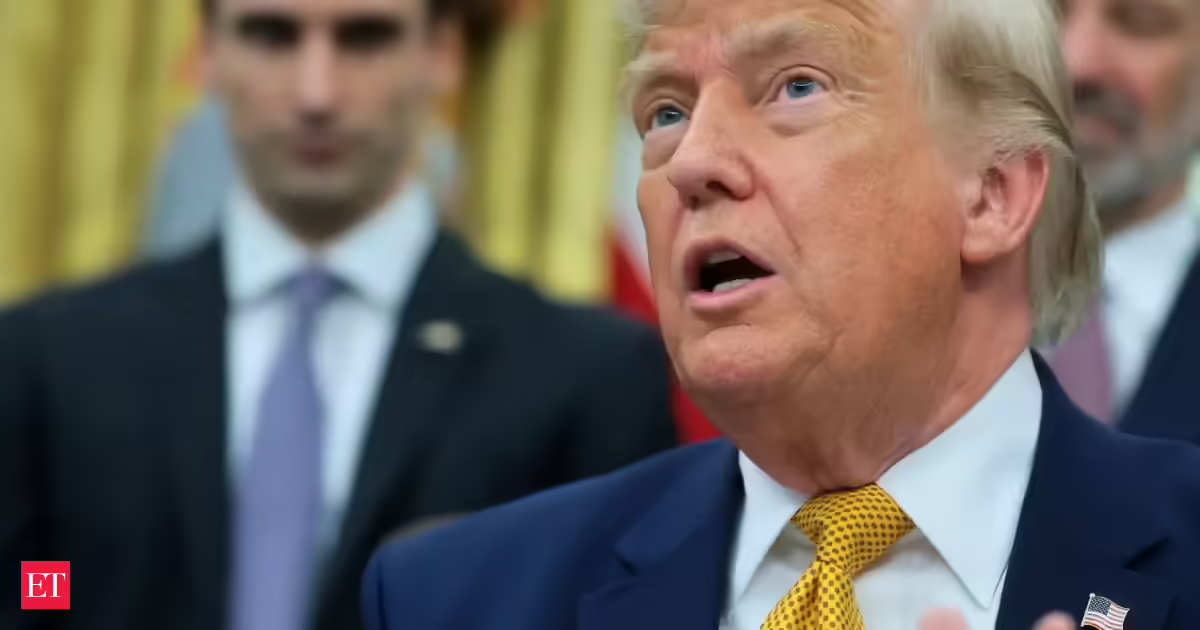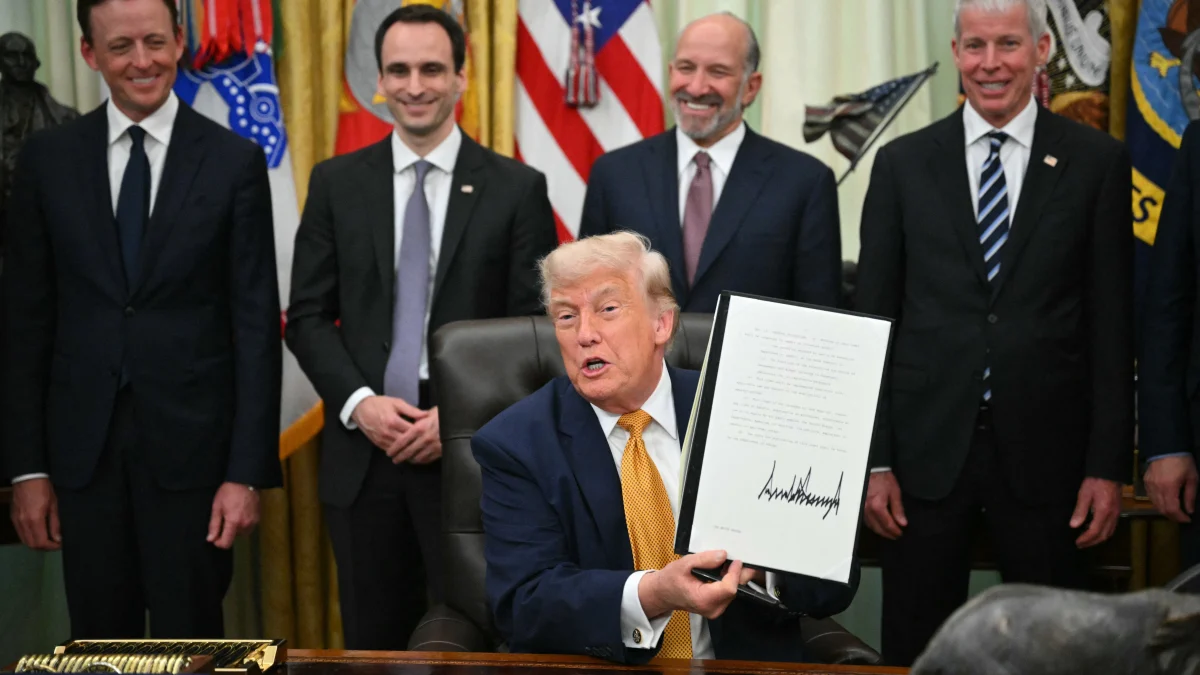
It's been a week since President Trump signed an executive order directing a whole-of-government push on quantum computing — funding it, securing its supply chains, building its workforce, and making sure adversaries like China don't get there first. This marks a significant federal commitment to a technology that is either the next great computing revolution, or the most expensive science experiment in history, depending on the expert opinion. But one thing it can do: replace AI as the carrier of long-term hopes for the tech industry. This would be the right moment for a switch, as the vibe shifts on AI itself: models are more expensive to train, returns are harder to demonstrate. Investors who have sent AI stock soaring may soon be looking for the next big thing to believe in.
You May Also Like
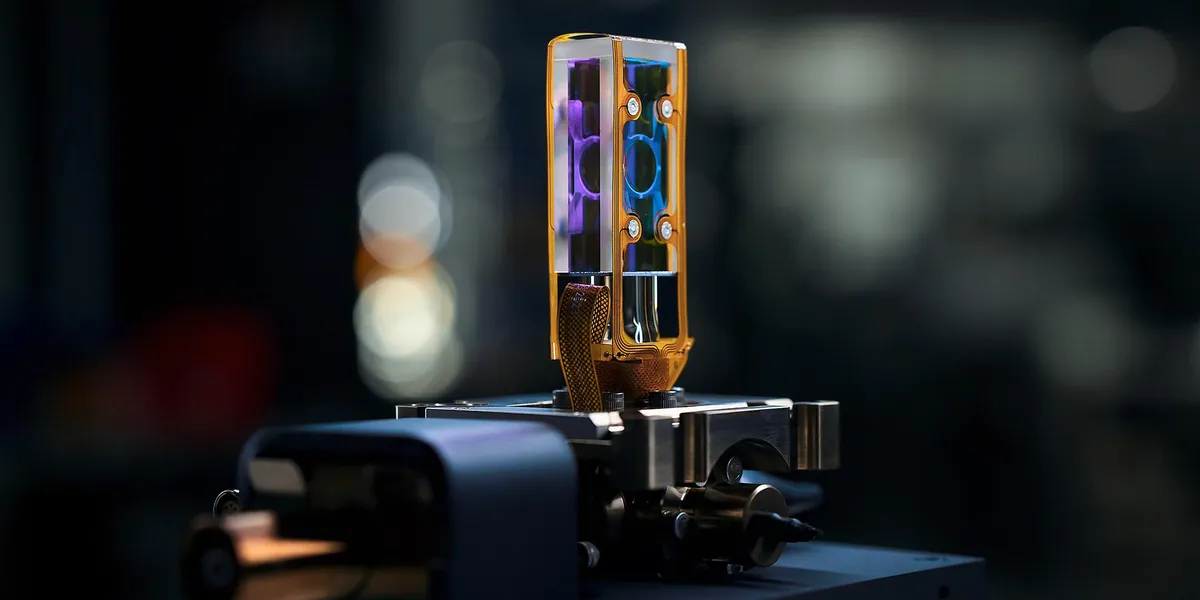
Quantum computing — with its theoretical promise of solving problems that would take classical computers millennia — is a real and genuinely fascinating technology. It's just a lot more complicated, and further away, than the White House-led hype suggests.Your laptop processes information in bits. Tiny switches in a computer see data in binary code: either as a 0 or a 1. Quantum computers swap those out for qubits, which can exist as 0, 1, or a combination of both at the same time — a property called superposition.Which, if we can harness it, would fundamentally supercharge everything a computer can do.As IBM describes it, think of solving a maze. A classical computer tries every path until it finds the exit. A quantum computer, by using the interference patterns of qubits — the way their probability waves cancel out wrong answers and amplify right ones — can zero in on solutions without brute-forcing every option. Add entanglement, where qubits become so linked that measuring one instantly tells you about others, and you have a machine that approaches certain problems in a completely different way than anything humanity has built before.