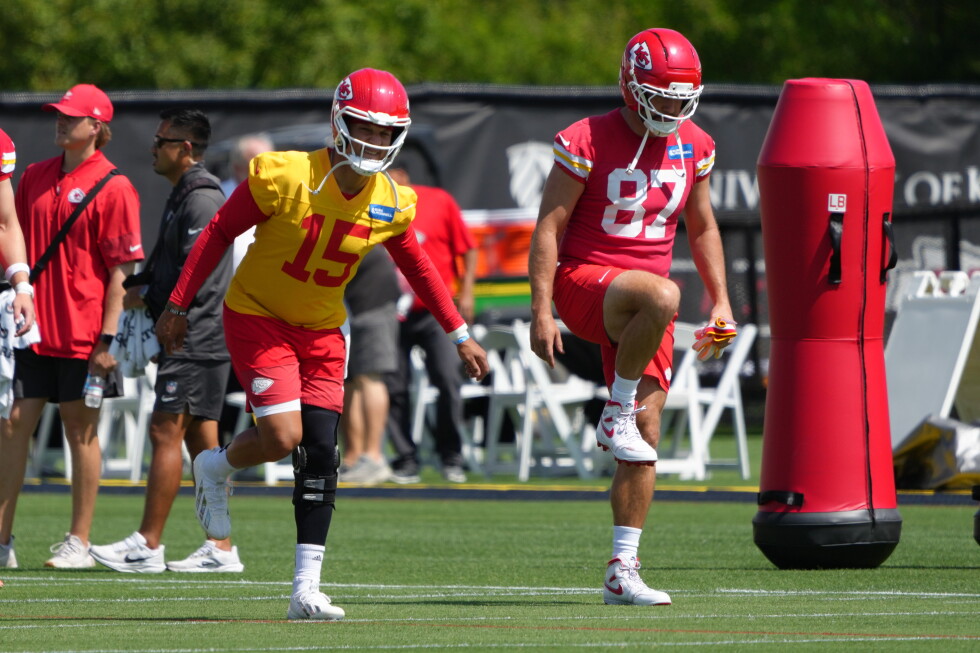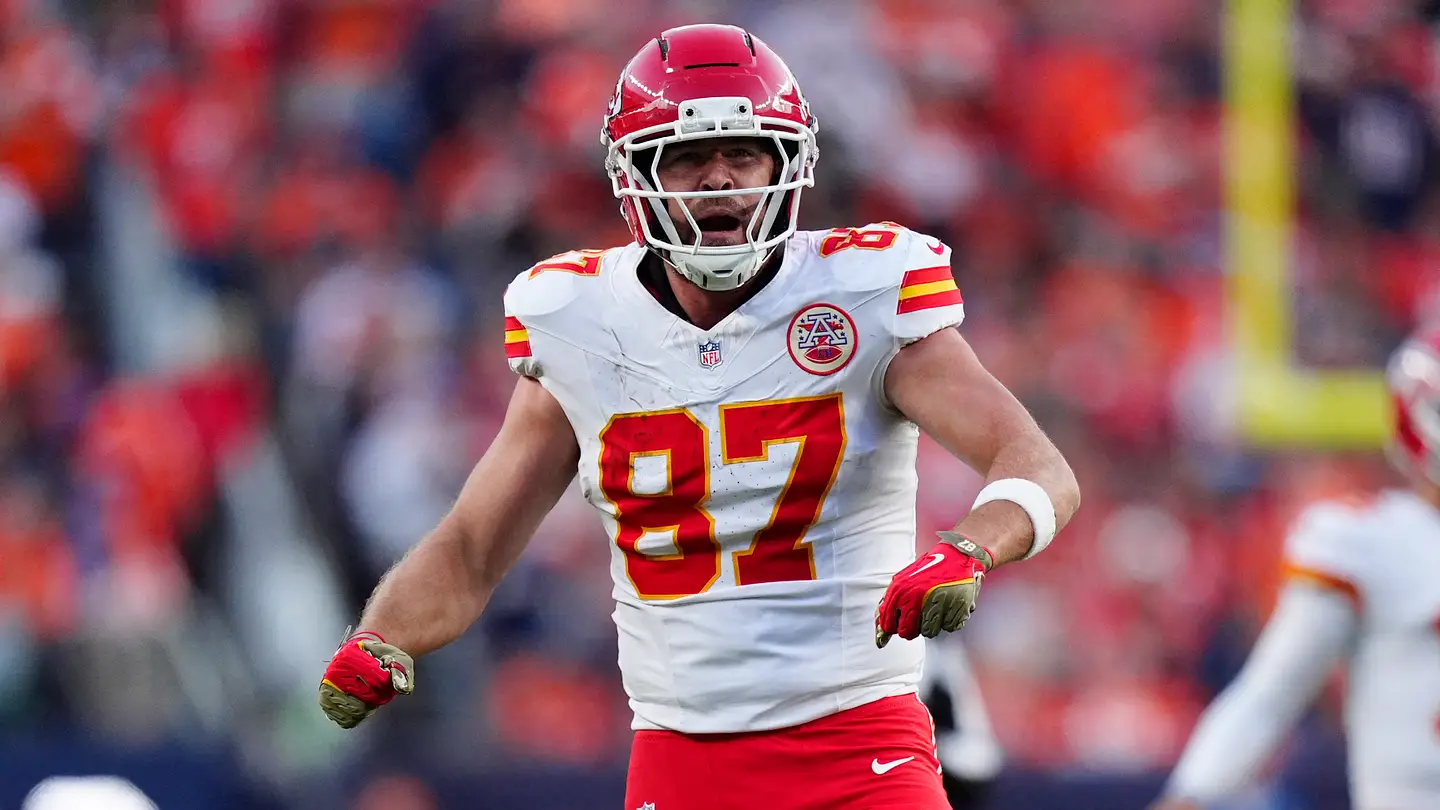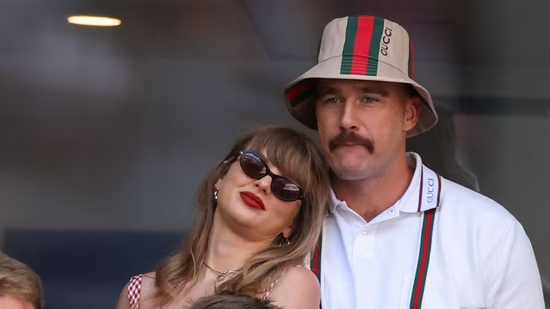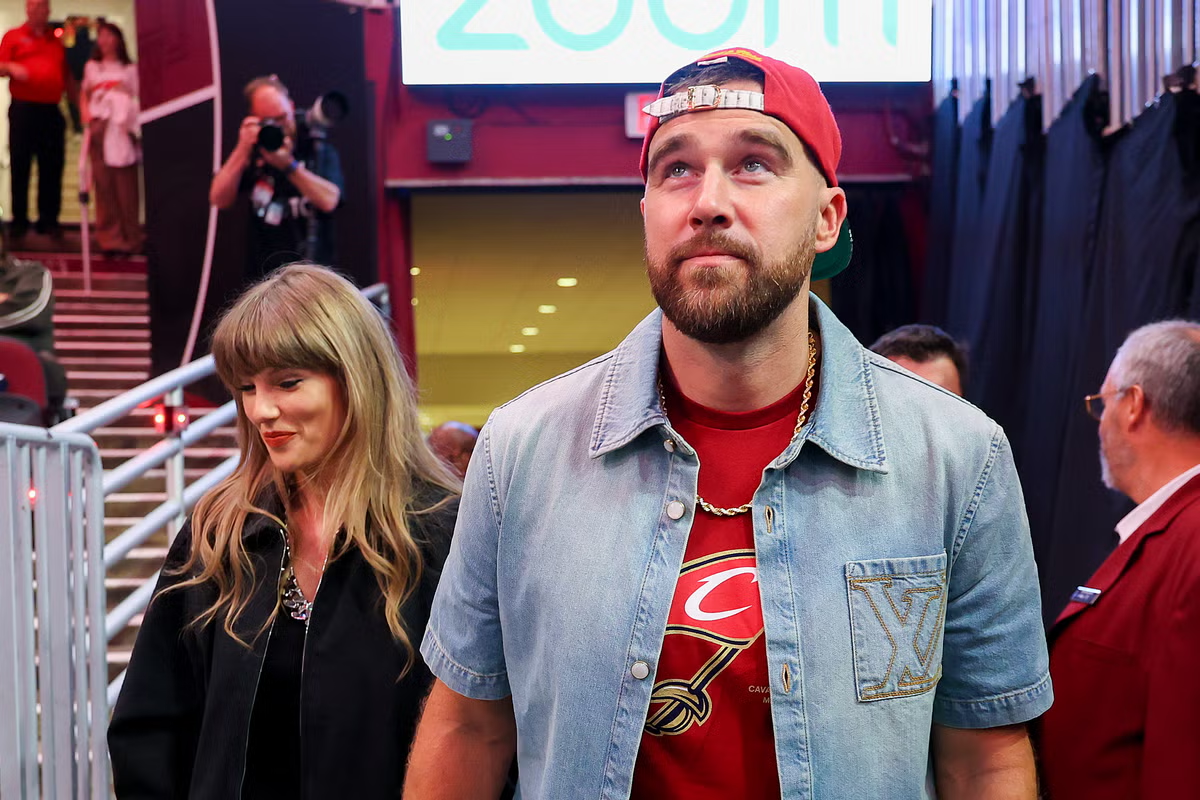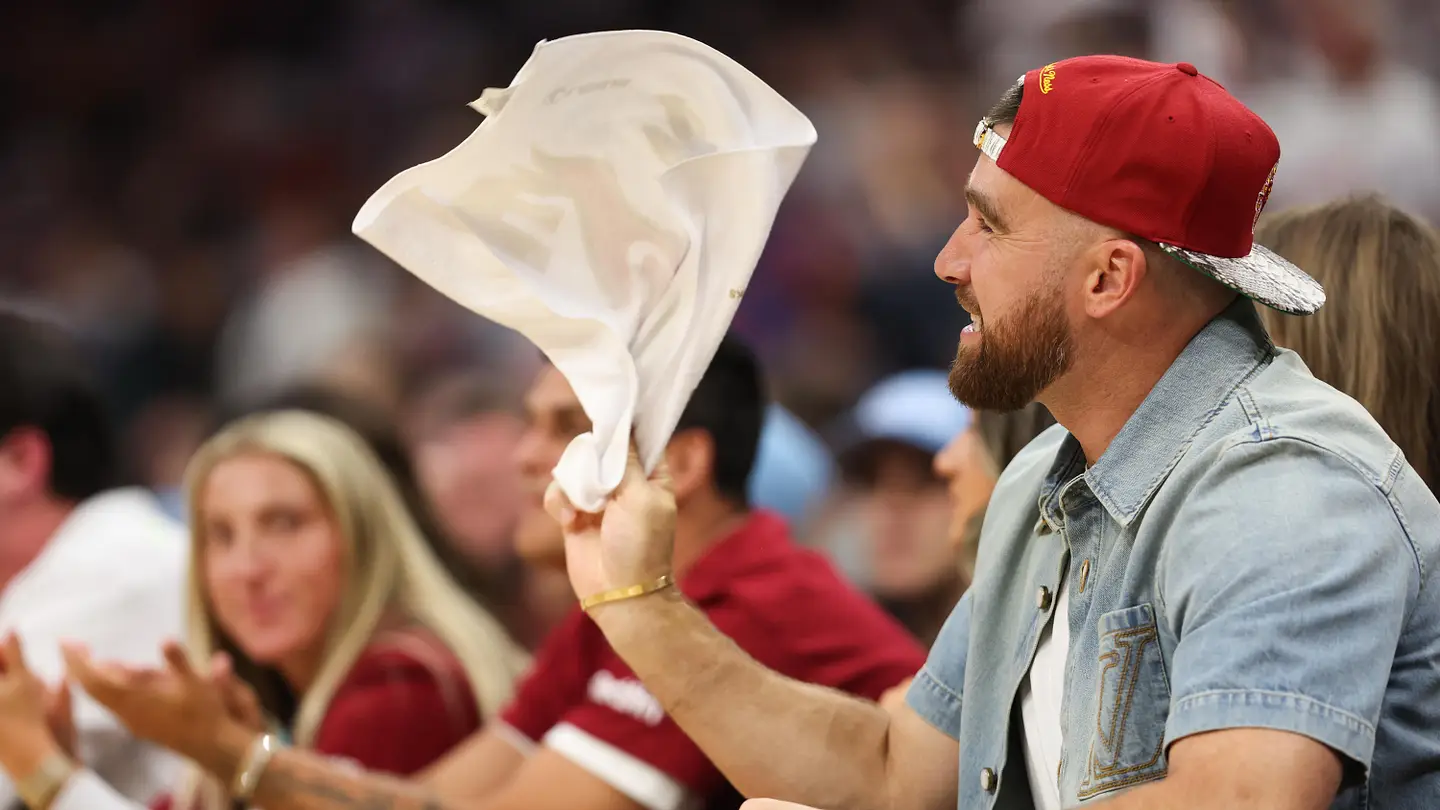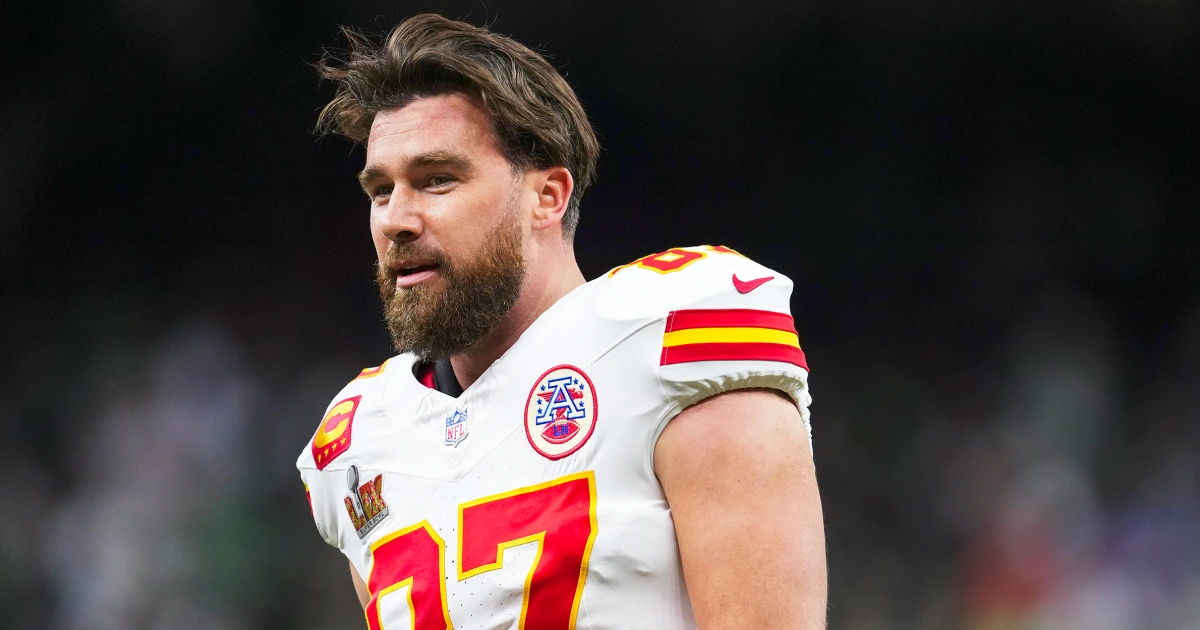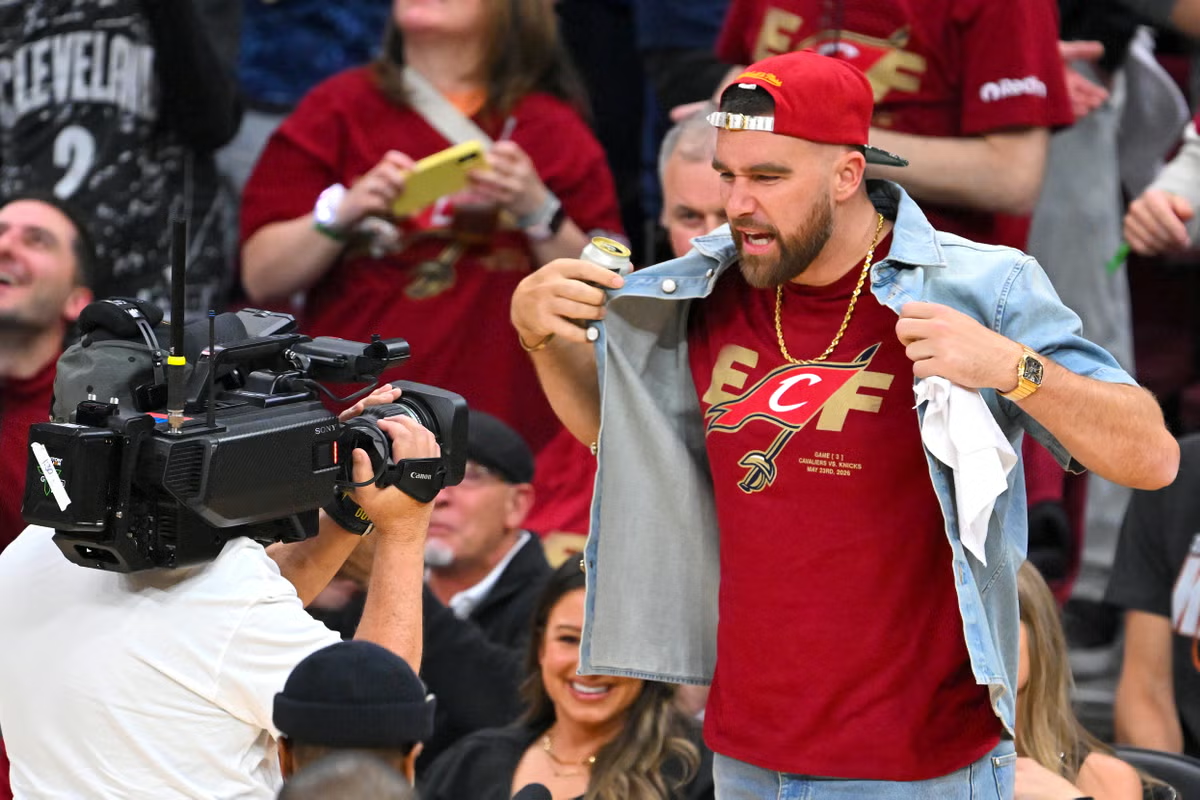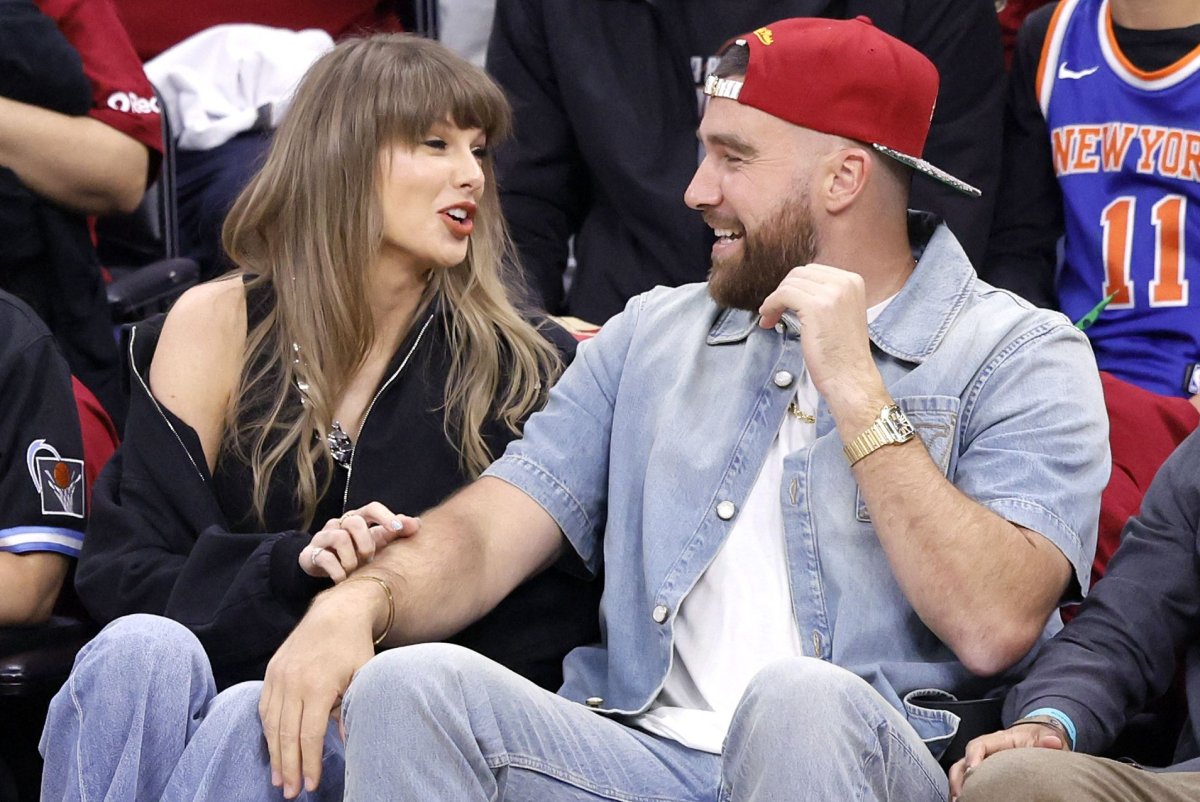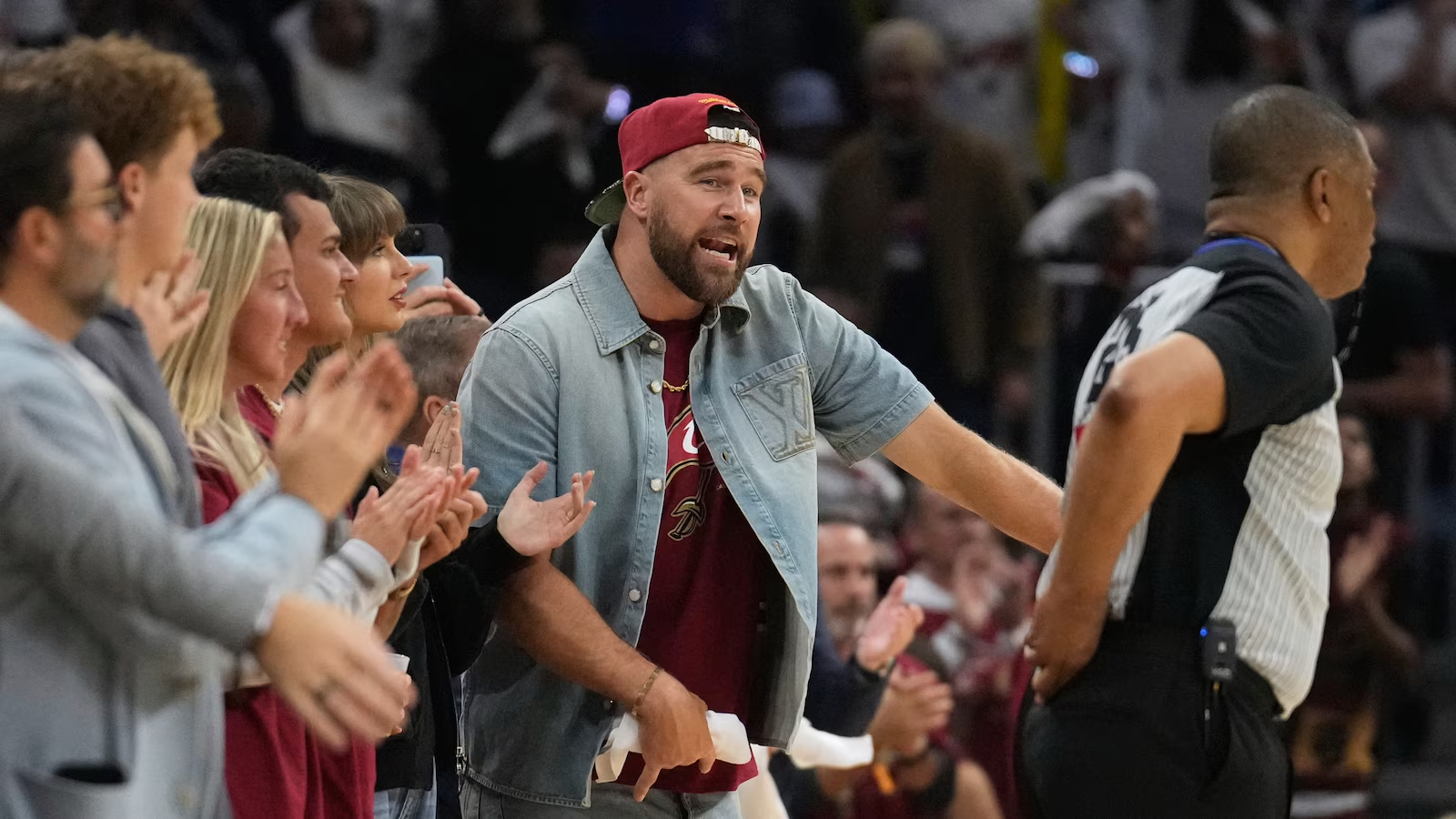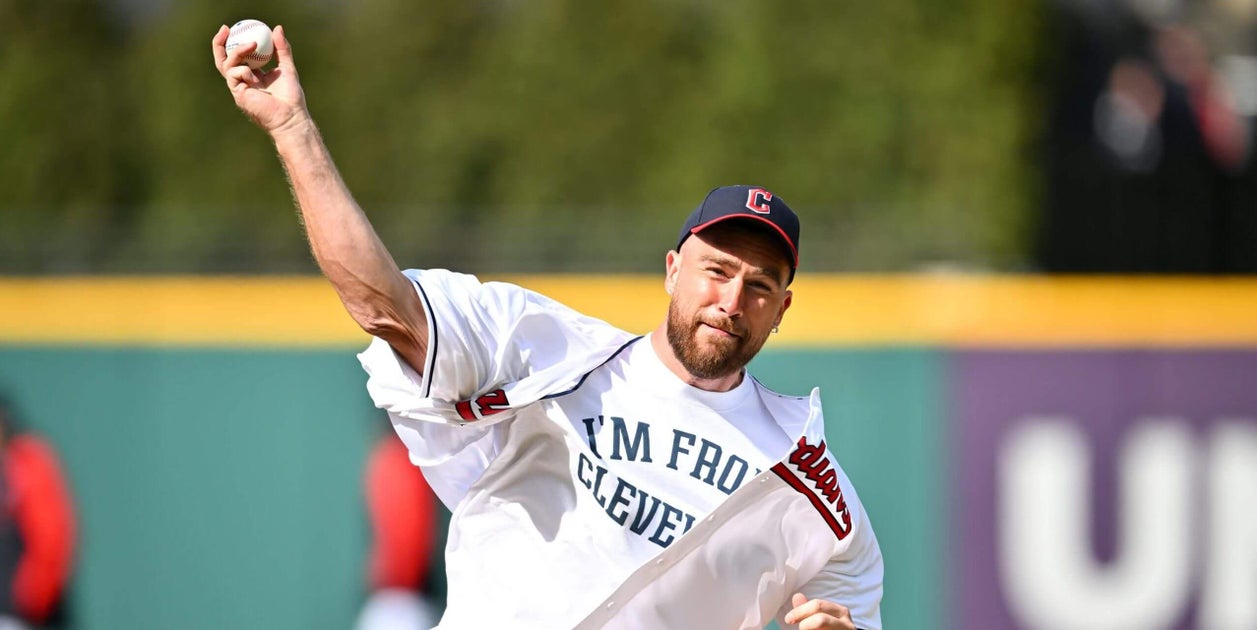
Travis Kelce is a three-time Super Bowl champion and the soon-to-be husband of the planet’s preeminent pop star, Taylor Swift. He’s a record-setting NFL tight end and a podcast host regularly hounded by paparazzi. Last month, however, Kelce was back home in Northeast Ohio to celebrate his latest title: minority stakeholder in the Cleveland Guardians.It’s a logical union, given Kelce hails from Cleveland Heights, about seven miles from the ballpark he frequented as a kid. He would ride the rapid transit downtown, pass through the turnstiles and keep score from his seat.This sort of cross-sport entanglement — part player, part owner — has become increasingly common in recent years, and MLB clubs have embraced the trend. Kelce’s quarterback, Patrick Mahomes, owns a stake in the Kansas City Royals. In the NBA, Giannis Antetokounmpo is a minority investor in the Milwaukee Brewers, Cade Cunningham bought into his hometown Texas Rangers, and LeBron James has a stake in the Boston Red Sox through his investment in Fenway Sports Group.Yet, as active NFL and NBA stars scoop up equity in MLB franchises, the reverse arrangement — baseball’s biggest names making mid-career forays into ownership in Big Four leagues — has failed to materialize.The 24-year-old Cunningham has a stake in MLB’s Rangers, but New York Yankees captain Aaron Judge, a future Hall of Famer with $400 million in guaranteed salary, doesn’t own a piece of the NHL’s Rangers. MLB’s first $500 million man, Mike Trout, is a Philadelphia Eagles fanatic but not a shareholder. Instead, his money helped sculpt a golf course in his hometown.Mookie Betts owns a team … in the World Bowling League.Betts, the superstar shortstop of the back-to-back-champion Los Angeles Dodgers, is supportive of high-profile athletes entering MLB ownership circles. “It’s good to kind of keep it in the family,” he said, and it sends a positive signal about the sport’s popularity.Why haven’t baseball players followed suit?“You can be really baseball famous,” Betts said, “but you just are never really going to pull the same weight as a guy that plays football or basketball. I mean, it’s just a fact.”For active athletes, limited partnership in pro sports franchises is a multi-faceted pursuit: an investment-portfolio diversifier, a potential pathway to principal ownership after their playing days, and a trophy asset. With club valuations climbing, eyeing the standings can be an even greater thrill ride than the stock market. But there is this: You have to be really, really rich.The Athletic surveyed a handful of well-compensated MLB stars in recent weeks about their interest in pro sports ownership. Presented with that premise, Yankees first baseman Paul Goldschmidt, a former MVP who has made nearly $200 million in salary, deadpanned: “I don’t think I can afford that.”If Harper were approached about buying into a team in another league, he’d listen: ‘I’d love to do it here (in Philadelphia).’ (Isaiah Vazquez / Getty Images)Bryce Harper can. By the end of his current contract — a 13-year, $330 million pact that was once the largest deal in baseball history — Harper will be among the 10 highest-paid MLB players of all time, according to Spotrac.Harper would like to own part of an MLB franchise one day and run its baseball operations, like the setups Derek Jeter had with the Miami Marlins and Buster Posey now holds with the San Francisco Giants. In fact, Harper has already picked a manager: his Philadelphia Phillies teammate Kyle Schwarber.“I was messing with him about that,” Harper said. “I’m like, ‘Dude, you’re going to be the best manager. If I ever own a team, you’re going to manage my team.’”While Schwarber gives Harper grief for his grandiose plans, the idea of owning a team is a common conversation in clubhouses around the league.“As athletes, a lot of us wonder what it would be like,” said retired six-time All-Star José Bautista, who is now principal owner of Las Vegas Lights FC, a franchise in the second tier of U.S. soccer leagues. It’s a particularly thorny topic for MLB players to discuss publicly at the moment, as the league and players’ union are locked in a contentious labor battle.One All-Star, who spoke on condition of anonymity to discuss the subject candidly, shrugged off Kelce’s investment as primarily a public-relations play — one benefitting both the global NFL star and MLB’s ownership class.“The thing that would appeal to me is if I was worth $7 billion and I was actually in the market for a team,” the player said. “You want tickets? Social-media following? I don’t know. I don’t see any positives of, like, owning a half of a percentage and throwing out the first pitch.”That sentiment, however, is hardly universal among players.Several active MLB players have shares in non-Big Four leagues. Soccer has been a popular pathway for them to test their business savvy. Manny Machado is a founding partner of the NWSL franchise San Diego FC. Justin Verlander and his wife, Kate Upton, are investors in two clubs, Colombian squad Inter Bogota and Mexico’s Club Necaxa. Matt Chapman owns a tiny sliver of the English Premier League side Leeds United.Machado, who grew up a Lionel Messi fan in metro Miami, began seriously pursuing investment opportunities in soccer around the time he inked a 10-year, $300 million deal with the San Diego Padres in February 2019 — the largest contract in American sports history until Harper signed a week later. San Diego was awarded an NWSL expansion franchise in 2023. It was a perfect fit, Machado said, to help fund an enterprise that would enrich the community in his new home city.“You want to put your money into things that matter,” he said.Because the MLB and NWSL seasons run simultaneously, Machado attends some San Diego FC games with his family but is more heavily involved in the offseason. From the outset, he told club leadership that baseball was his top priority, yet he’d help whenever possible with promotion and lending insight from his vantage point as both athlete and investor. Machado, 35, said he hopes to play a larger role once his MLB career winds down.The clock, the tick-tock reminder of both an athlete’s dwindling supply of free time and the urgency of a closing career window, is a factor driving some to wait for retirement to buy equity in pro sports franchises. They’d prefer involvement over passive investment. Retired athletes investing in clubs is not a new phenomenon: from Magic Johnson to Michael Jordan, Tom Brady to David Beckham, Dwyane Wade to Shaquille O’Neal, Nolan Ryan to Alex Rodríguez.
Travis Kelce and other NFL, NBA stars keep investing in teams: Will MLB players follow suit?
With club valuations climbing, eyeing the standings can be an even greater thrill ride than the stock market.
3,274 words~15 min read