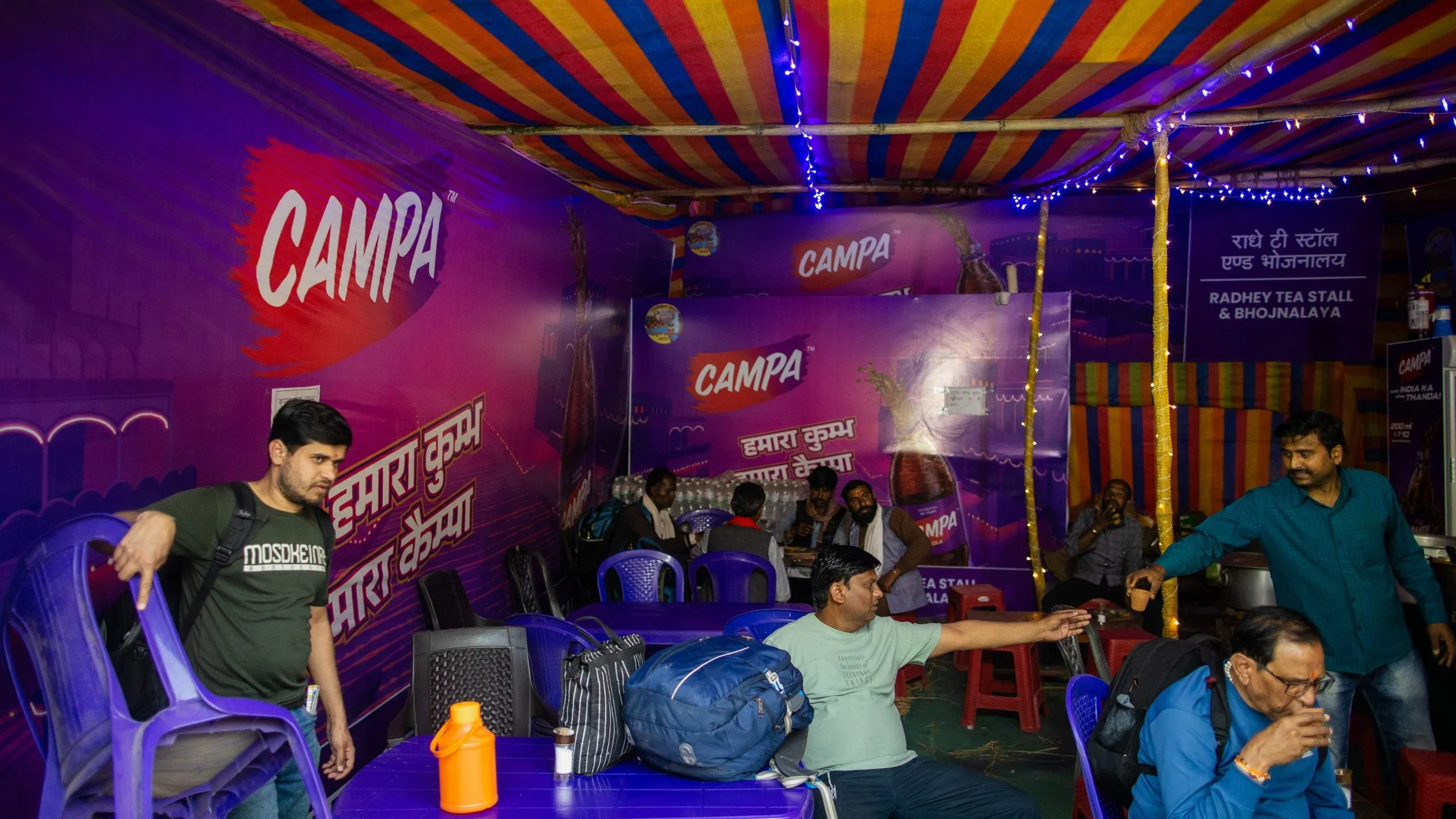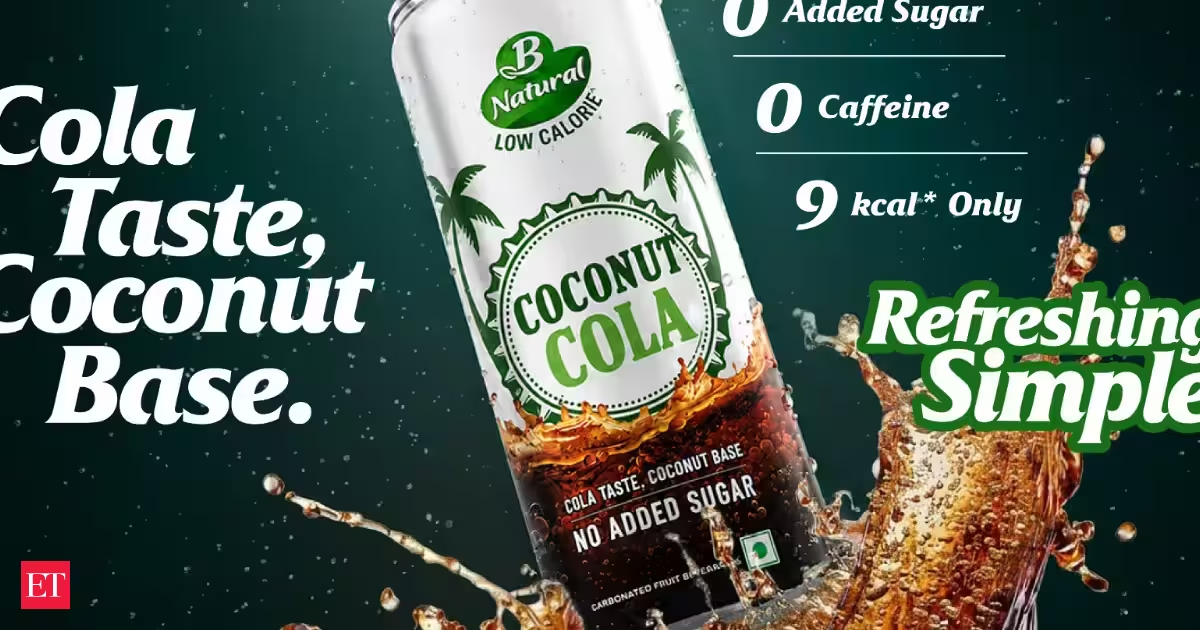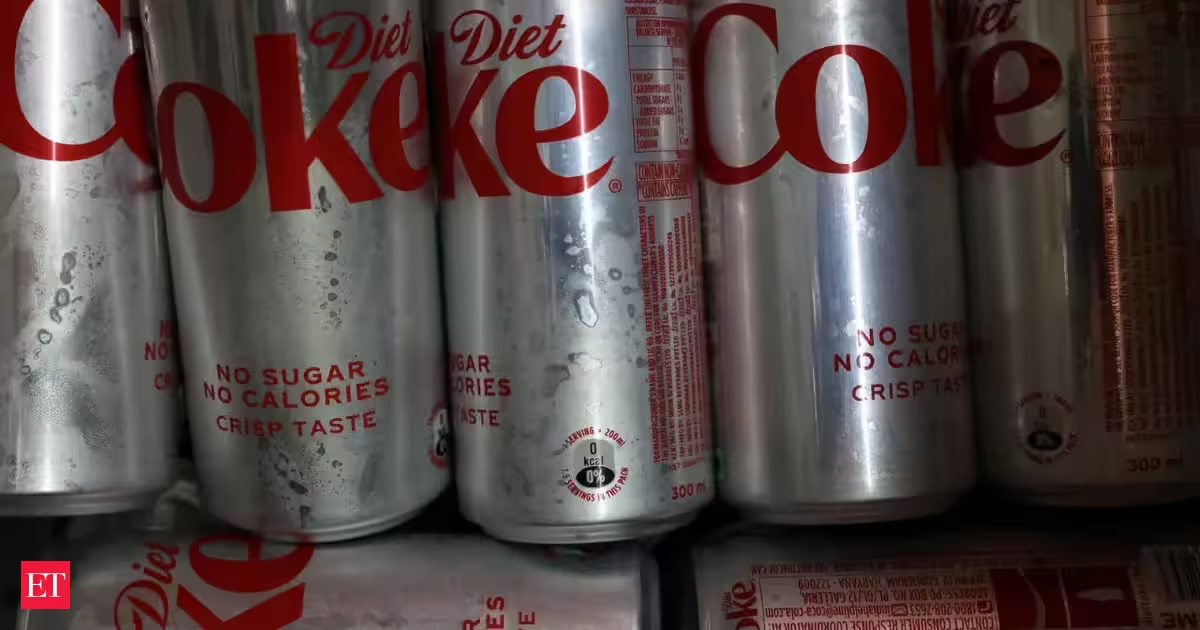
India’s cola market is beginning to look very different from what it did even a few years ago. For decades, the category was defined by a straightforward battle between Coca-Cola and PepsiCo, with occasional local challengers struggling to gain scale. That equation started changing when Reliance revived Campa and forced a price war across the industry. Now ITC’s entry into carbonated drinks with a premium sugar-free coconut cola points to another shift underway. As per an ET report, launched under ITC's B Natural beverage portfolio and priced at Rs 60 for a 250-ml can, the Coconut Cola drink is made with tender coconut water. The company is initially retailing it through quick commerce platforms as a pilot before a wider rollout, targeting the country's fastest-growing diet cola segment.Also Read: ITC enters cola business to add more fizz to beverages portfolioThe emerging contest is no longer only about who can sell the cheapest cola. It is increasingly about health, premiumisation and finding new spaces beyond the traditional cola playbook.ITC’s cola entry reflects a changing marketITC’s launch of Coconut Cola under its B Natural portfolio may not appear, at first glance, to be a direct replay of Campa’s challenge to Coke and Pepsi. Unlike Reliance, which entered with an aggressively priced mainstream cola designed to take on the market leaders head-on, ITC is targeting a different consumer and a different part of the market.The new drink combines cola with tender coconut water and is positioned as a sugar-free offering. The company has begun with a pilot launch on quick commerce platforms before planning a broader rollout. ITC chairman and managing director Sanjiv Puri has indicated that the company intends to continue expanding its beverages business through new flavours, variants and pack sizes, with a particular focus on the premium end of the market.That strategy says a lot about where beverage companies believe future growth lies. Rather than competing solely on price or trying to replicate existing cola products, companies are increasingly looking for differentiated offerings that can appeal to consumers seeking healthier alternatives.Also Read: Coca-Cola eyes $1 billion IPO for Indian bottling unitFrom price wars to premium drinksThe biggest disruption to India’s soft drinks market in recent years came from Reliance’s revival of Campa. Its Rs 10 price point for a 200-ml bottle triggered one of the fiercest price battles the category had seen in years. Established players were forced to respond with lower-priced packs and promotional activity, putting pressure on margins and reshaping competitive dynamics. The impact went beyond carbonated beverages. The pricing battle affected sales across the wider beverages category, including non-carbonated drinks.Reliance’s success demonstrated that domestic brands could challenge multinational incumbents at scale. Campa crossed Rs 4,700 crore in gross sales in FY26 and helped drive Reliance’s FMCG revenue to Rs 22,000 crore. According to Reliance Retail director Isha Ambani, the brand has emerged as the country’s fourth-largest carbonated soft drinks label and has achieved double-digit market share in several key markets.ITC’s approach is markedly different. Its Coconut Cola is priced at Rs 60 for a 250-ml can, significantly above the Rs 40 price tag of Diet Coke and Pepsi Black Zero Sugar in comparable formats. The positioning suggests that ITC is not trying to participate in a volume-driven price war. Instead, it is betting that a section of consumers is willing to pay more for a product that combines indulgence with a healthier image.The rise of the health-conscious consumerPerhaps the most important signal from ITC’s move is what it reveals about changing consumer preferences. Across the beverages industry, sugar-free and low-sugar products are emerging as some of the fastest-growing segments. Consumers are becoming more conscious of sugar intake, and beverage makers are adjusting their portfolios accordingly. The trend is visible across categories. Varun Beverages, PepsiCo’s largest bottling partner, reported that low- and no-sugar beverages accounted for 63% of its consolidated sales volume during the March quarter. Such numbers would have been difficult to imagine in a market long associated with high-sugar carbonated drinks.ITC’s recent actions show that the company has been preparing for this shift. Over the past year, it has repositioned B Natural from being primarily a juice brand into a broader beverages platform. The company has introduced sugar-free and low-calorie fruit drinks, launched a no-added-sugar juice range and expanded its coconut water portfolio. It has also extended the Sunfeast brand into beverages through products such as high-protein smoothies. Viewed in this context, Coconut Cola appears less like a standalone launch and more like part of a wider strategy centred on wellness-oriented beverages.A more crowded field of challengersAnother notable aspect of the market today is the growing number of Indian players attempting to carve out niches. Reliance remains the most significant challenger because of its scale, distribution strength and willingness to compete aggressively on price. But the market is also seeing the emergence of smaller brands that are finding audiences by offering something different from conventional colas.Brands such as Lahori Zeera have demonstrated that regional flavours and differentiated positioning can attract consumers even in categories dominated by multinational giants. While these brands remain much smaller than the industry leaders, their presence reflects a broader diversification of consumer tastes. The result is that India’s carbonated drinks market is no longer moving in a single direction. Some consumers are looking for affordable colas. Others are seeking sugar-free alternatives. Still others are gravitating towards products that blend traditional flavours, fruit ingredients or functional benefits with familiar beverage formats.Why ITC’s move mattersITC’s entry is significant not because Coconut Cola is likely to spark another price war, but because it highlights how the basis of competition is evolving. For years, success in carbonated soft drinks was largely about distribution reach, advertising muscle and price points. Those factors remain important, but they are no longer sufficient on their own. Companies are increasingly competing through product innovation, health positioning and premium offerings. The fact that a major consumer goods company like ITC has chosen to enter the category through a sugar-free cola made with coconut water rather than a conventional cola is telling. It reflects a belief that future growth will come from consumers who want more choice than the traditional cola proposition offers.India remains one of the world’s most attractive beverage markets, and Coca-Cola and PepsiCo continue to dominate. Yet the market around them is changing. Reliance has already shown that domestic companies can challenge the incumbents through aggressive pricing and distribution. ITC is now testing a different route, one built around premiumisation and health-conscious consumption. Smaller brands continue to experiment with local flavours and alternative positioning.All these developments suggest that India’s cola market is entering a new phase. The category is no longer defined solely by the battle between two global giants. It is becoming a more fractured and dynamic market where price, health, flavour innovation and premium appeal are all shaping the next chapter of growth.
Cracks in cola kingdom: India's duopoly faces biggest test in decades
India's cola market is undergoing a significant transformation, moving beyond the traditional Coca-Cola vs. PepsiCo rivalry. Reliance's Campa revival ignited a price war, while ITC's new premium, sugar-free coconut cola signals a shift towards health, premiumization, and niche offerings. This evolving landscape caters to health-conscious consumers seeking alternatives, indicating a more dynamic and diversified future for the Indian beverage sector.
1,145 words~5 min read