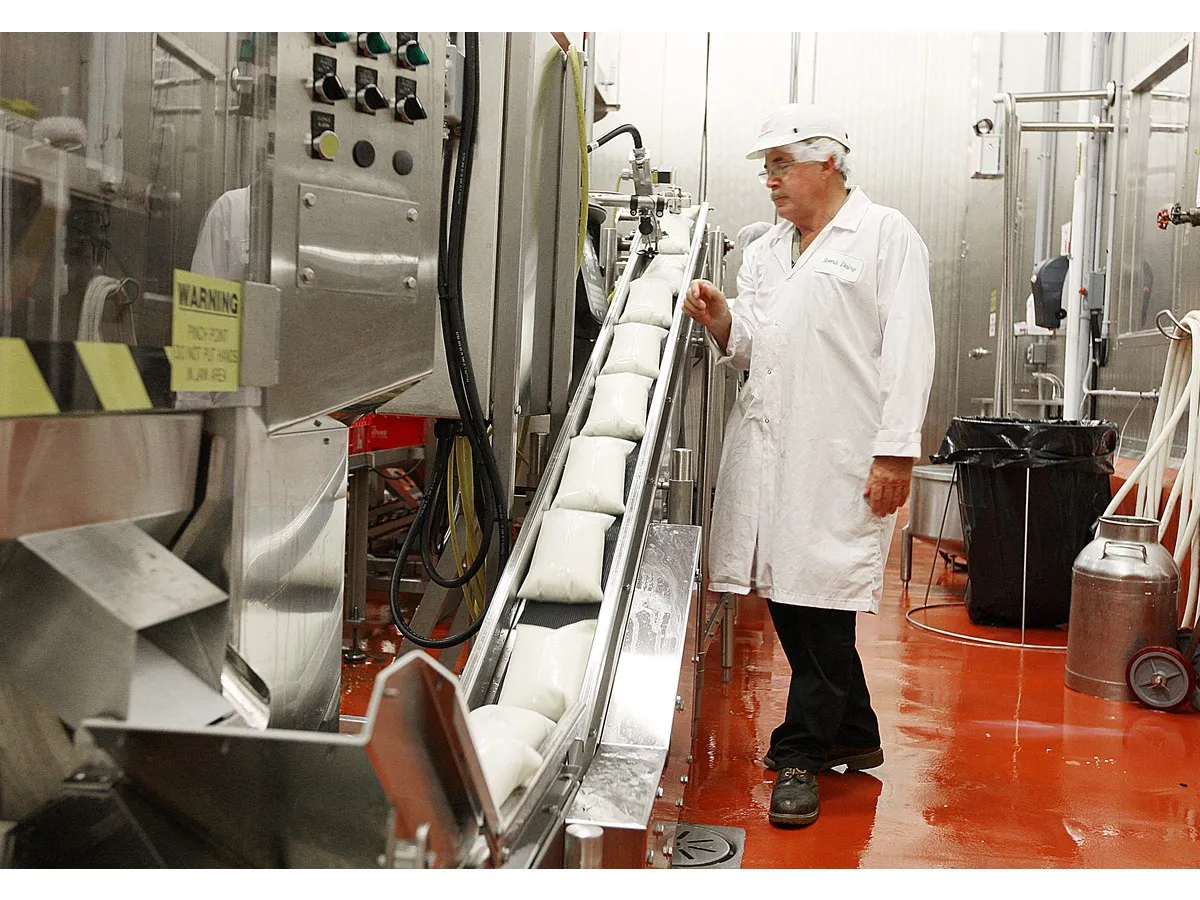
Skip to Content Subscribe Our Offers My Account Manage My Subscriptions FAQ Newsletters Canada Canadian True Crime Canadian Politics Health World Israel & Middle East Financial Post NP Comment Longreads Puzzmo Diversions Comics NP News Quiz New York Times Crossword Horoscopes Life Eating & Drinking Style Sponsored Play for Ontario Travel Travel Canada Travel USA Travel International Cruises Travel Essentials Culture Books Celebrity Movies Music Theatre Television Business Essentials Advice Lives Told Tails Told Shopping Buy Canadian Home Living Outdoor Living Kitchen & Dining Tech Style & Beauty Personal Care Entertainment & Hobbies Gift Guide Travel Guide Amazon Prime Day Deals Savings National Post Store More Sports Hockey Baseball Basketball Football Soccer Golf Tennis Driving Vehicle Research Reviews News Gear Guide Obituaries Place an Obituary Place an In Memoriam Classifieds Place an Ad Celebrations Working Business Ads Archives Healthing Epaper Manage Print Subscription Profile Settings My Subscriptions Saved Articles My Offers Newsletters Customer Service FAQ Newsletters Canada World Financial Post NP Comment Longreads Puzzmo Diversions Life Shopping Epaper Manage Print Subscription HomeCultureCelebrityTelevisionMilk bags are a uniquely (eastern) Canadian concept'Somebody would return it and they would have put gas in it, and you’d get this faint smell of gas in your milk bottle'Last updated 28 minutes ago You can save this article by registering for free here. Or sign-in if you have an account.According to The Canadian Encyclopedia, the advent of the plastic used in milk bags by DuPont in the 1960s allowed dairies to phase out breakable bottles. Photo by Peter J. ThompsonWe independently select everything we recommend. Buying through us may earn us a commission, which supports our work.Steven Page of Barenaked Ladies fame explained where milk bags come from when he appeared on the new Prime Video series The Tom Green Farm.Enjoy the latest local, national and international news.Exclusive articles by Conrad Black, Barbara Kay and others. Plus, special edition NP Platformed and First Reading newsletters and virtual events.Unlimited online access to National Post.National Post ePaper, an electronic replica of the print edition to view on any device, share and comment on.Daily puzzles including the New York Times Crossword.Support local journalism.Enjoy the latest local, national and international news.Exclusive articles by Conrad Black, Barbara Kay and others. Plus, special edition NP Platformed and First Reading newsletters and virtual events.Unlimited online access to National Post.National Post ePaper, an electronic replica of the print edition to view on any device, share and comment on.Daily puzzles including the New York Times Crossword.Support local journalism.Create an account or sign in to continue with your reading experience.Access articles from across Canada with one account.Share your thoughts and join the conversation in the comments.Enjoy additional articles per month.Get email updates from your favourite authors.Create an account or sign in to continue with your reading experience.Access articles from across Canada with one accountShare your thoughts and join the conversation in the commentsEnjoy additional articles per monthGet email updates from your favourite authorsSign In or Create an AccountorThe conversation turned to a grocery giant prominent in Eastern Canada while the Canadian stars were riding a side-by-side ATV across the farm the comedian has called home for the last four years (check out the series on Crave to learn which one).“Remember those plastic jugs of milk?” Page asks. “Like, somebody would return it and they would have put gas in it, and you’d get this faint smell of gas in your milk bottle?”Green swears in exclamation.“That must be why they moved to milk bags in Canada — something that nobody in the world understands,” Ontario’s newest farmer, once married to Drew Barrymore, theorizes.“That’s certainly why we had the milk bags at our house,” the two-time Grammy nominated artist continues. “My parents wouldn’t get the refillable things, because they were nervous there had been gas or something in there. This way we just had those clean bags of milk.”“Sealed — you can trust it,” Green agrees.Page also notes how efficient the bags are to roll up and trash — and Green reminds the audience of one of his favourite early TV gags — popping milk bags and spraying them all over co-host Glenn Humplik.(If Green could have got his hands on some gassy milk, you have to believe he would have.)Like his searing upbraid of Beatlemania in the timeless hit Yoko Ono, Page is close to if not on a ringer with his recollection. According to The Canadian Encyclopedia, the advent of the plastic used in milk bags by DuPont in the 1960s allowed dairies to phase out breakable bottles.Reusable jugs were on the scene, too, but the gradual adoption of the Metric system in the 1970s and ’80s pushed many Canadian producers to the thin polyethylene bags. Changing their volume was much easier, and putting three 1 1/3-litre bags together gave customers between an American and a British gallon of milk — perfectly Canadian.The Encyclopedia corroborates part of their appeal stemmed from the fact that “some people would reportedly use the jugs to store toxic substances, like weed killer or gasoline” before returning them.The relaxation of some rules on the metric system and the development of harder plastics led to the milk bag’s demise in some provinces, but though the two-litre carton is gaining in popularity, the moo juice sacks remains the most popular and — once you have your jug and Snippet — cost-effective format in Ontario.Even if you had a million dollars. Join the Conversation This website uses cookies to personalize your content (including ads), and allows us to analyze our traffic. Read more about cookies here. By continuing to use our site, you agree to our Terms of Use and Privacy Policy.
Milk bags are a uniquely (eastern) Canadian concept
According to The Canadian Encyclopedia, the advent of the plastic used in milk bags by DuPont in the 1960s let dairies phase out glass.
937 words~4 min read