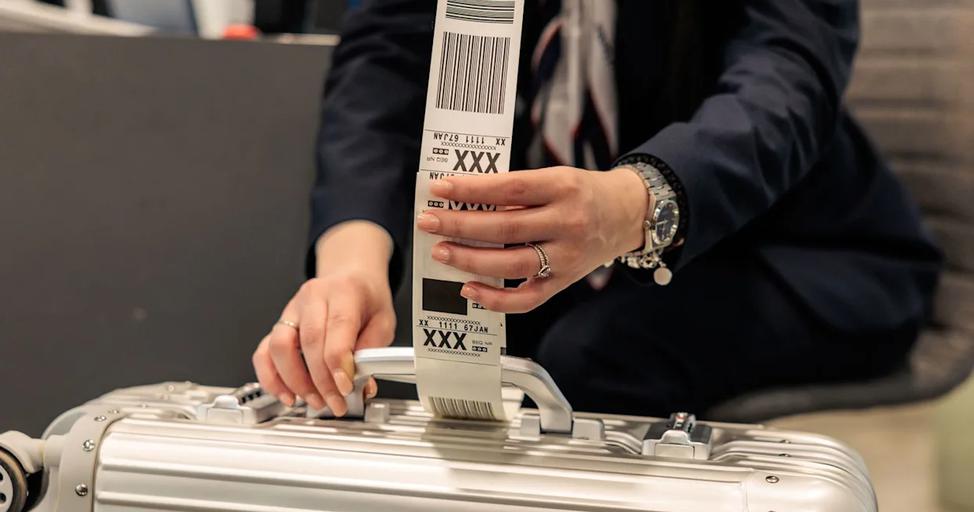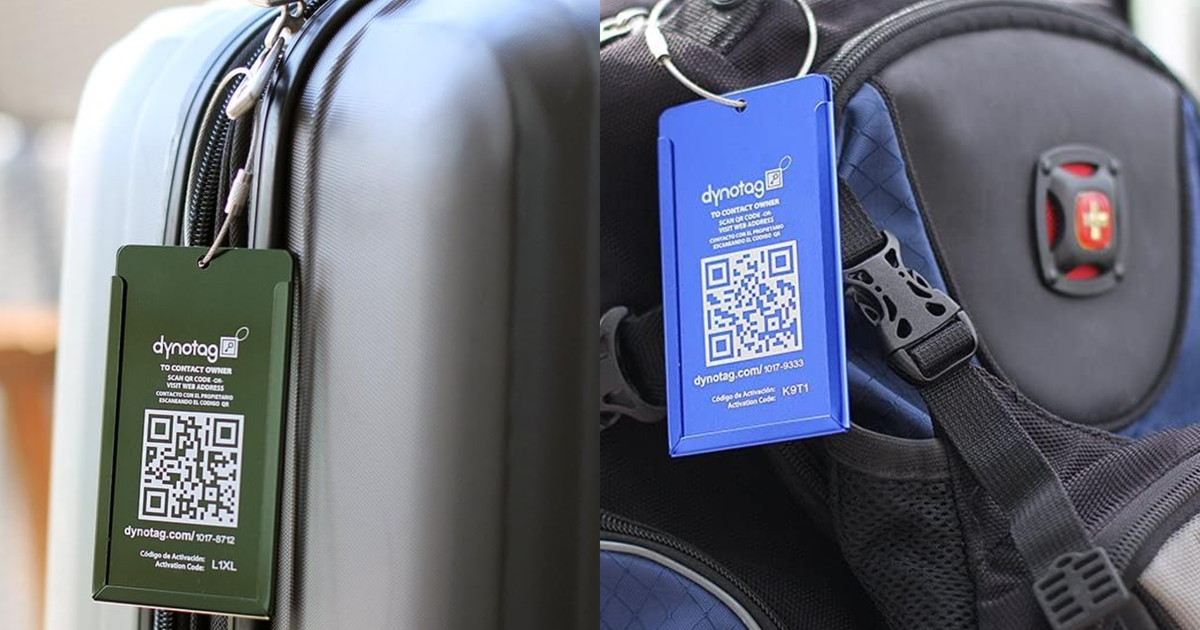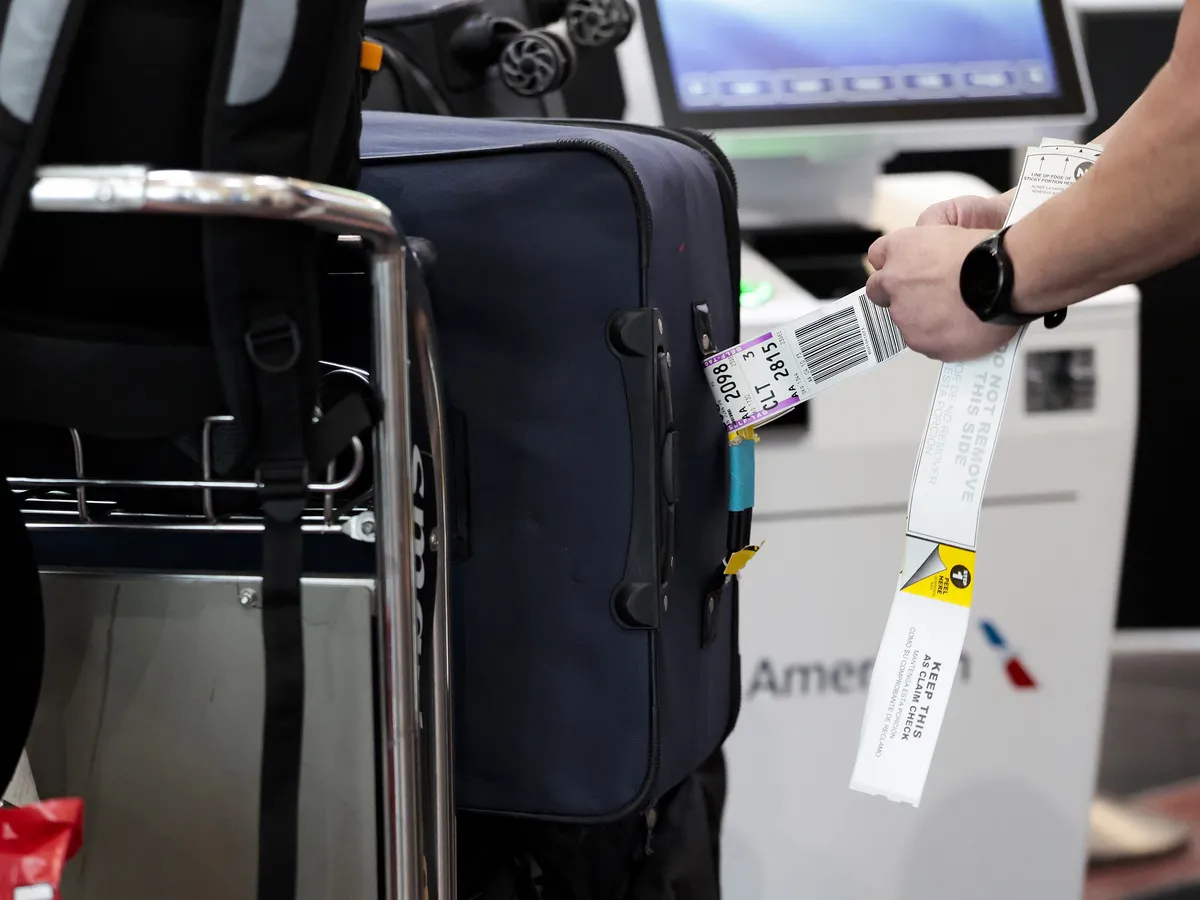
Skip to Content Subscribe Our Offers My Account Manage My Subscriptions FAQ Newsletters Canada Canadian True Crime Canadian Politics Health World Israel & Middle East Financial Post NP Comment Longreads Puzzmo Diversions Comics NP News Quiz New York Times Crossword Horoscopes Life Eating & Drinking Style Sponsored Play for Ontario Travel Travel Canada Travel USA Travel International Cruises Travel Essentials Culture Books Celebrity Movies Music Theatre Television Business Essentials Advice Lives Told Tails Told Shopping Buy Canadian Home Living Outdoor Living Tech Style & Beauty Kitchen & Dining Personal Care Entertainment & Hobbies Gift Guide Travel Guide Deals Savings National Post Store More Sports Hockey Baseball Basketball Football Soccer Golf Tennis Driving Vehicle Research Reviews News Gear Guide Obituaries Place an Obituary Place an In Memoriam Classifieds Place an Ad Celebrations Working Business Ads Archives Healthing Epaper Manage Print Subscription Profile Settings My Subscriptions Saved Articles My Offers Newsletters Customer Service FAQ Newsletters Canada World Financial Post NP Comment Longreads Puzzmo Diversions Life Shopping Epaper Manage Print Subscription HomeNewsCanadaHow Canadian flyers can stop their luggage from turning into a drug shipment due to airport bag tag swapsUnscrupulous airport employees can swap tags between bags, but there are some simple ways to protect yourself and your belongings You can save this article by registering for free here. Or sign-in if you have an account.A traveller tags their bags before a flight on Dec. 23, 2025. Photo by Heather Diehl /Getty ImagesAn investigation by CTV News has found that at least 17 passengers on flights out of Canada were detained on drug smuggling allegations in the past year after their luggage tags were switched with suitcases full of drugs. Here’s what to know and how to protect yourself.Enjoy the latest local, national and international news.Exclusive articles by Conrad Black, Barbara Kay and others. Plus, special edition NP Platformed and First Reading newsletters and virtual events.Unlimited online access to National Post.National Post ePaper, an electronic replica of the print edition to view on any device, share and comment on.Daily puzzles including the New York Times Crossword.Support local journalism.Enjoy the latest local, national and international news.Exclusive articles by Conrad Black, Barbara Kay and others. Plus, special edition NP Platformed and First Reading newsletters and virtual events.Unlimited online access to National Post.National Post ePaper, an electronic replica of the print edition to view on any device, share and comment on.Daily puzzles including the New York Times Crossword.Support local journalism.Create an account or sign in to continue with your reading experience.Access articles from across Canada with one account.Share your thoughts and join the conversation in the comments.Enjoy additional articles per month.Get email updates from your favourite authors.Create an account or sign in to continue with your reading experience.Access articles from across Canada with one accountShare your thoughts and join the conversation in the commentsEnjoy additional articles per monthGet email updates from your favourite authorsSign In or Create an AccountorWhen you check your bag at an airport, it gets a tag that wraps around the handle and identifies it as yours.“Baggage tag switching is when someone purposely changes the labels on bags at an airport,” the RCMP says. A different piece of luggage is now identified as yours, while your own suitcase is now ownerless and unclaimed.Get a dash of perspective along with the trending news of the day in a very readable format.By signing up you consent to receive the above newsletter from Postmedia Network Inc.A welcome email is on its way. If you don't see it, please check your junk folder.The next issue of NP Posted will soon be in your inbox.We encountered an issue signing you up. Please try againAll it takes is a few seconds out of the view of security cameras, and an unscrupulous airport worker to make the switch. In one case last summer, the RCMP arrested and charged two Swissport baggage handlers attempting to smuggle over $147,000 worth of cannabis to France.“Each baggage tag tells airport machines where a bag should go and who it belongs to,” the RCMP said in a release at the time. “In this case, the baggage tag was switched so it looked as though the piece of luggage with the cannabis in it belonged to an unknowing traveler.”They continued: “A French national arrived in Paris and was detained by authorities on suspicion of importing Cannabis from Canada. After further investigation, French authorities released the passenger without charges, and the case was subsequently referred to the RCMP Toronto Airport Detachment.”The investigation revealed that the two baggage handlers, each with more than 20 years of experience, allegedly manipulated baggage tags without the passenger’s consent. A Bangkok Airways Co. employee attaches a tag to luggage at a check-in counter at Hong Kong International Airport. Photo by Brent Lewin /BloombergBeing caught transporting drugs across international borders can result in police investigation and, in some countries, prison time or even a death sentence.In a case this year, RCMP officers were called after the Canada Border Services Agency found 33 kilograms of cannabis in each checked bag of two German citizens scheduled to depart on a commercial flight from Toronto to Germany.The RCMP arrested them, but each denied ownership of the luggage. Investigators then found that an Air Canada employee working in the baggage room had allegedly placed luggage tags bearing the passengers’ names onto suitcases that contained cannabis. Both passengers were released, and the Air Canada worker was arrested and charged.Mitesh Shah, CEO of professional security company Empire Protection in Mississauga, Ont., has some suggestions, based on his own practices, that can help prevent tag switching but also guard against standard theft or loss.“When I travel with my family, I like to take pictures of our bags, when it’s packed, when it’s ready to go, when we’re at the airport, as it’s being weighed,” he tells National Post. This can be helpful if airport authorities suddenly accuse you of being the owner of a different bag.He adds: “My family loves to add a ribbon or something that’s unique to our bag, so we can quickly be able to identify them as they come off the baggage claim. But more importantly … something like that is a little bit harder for bad actors to replicate efficiently with limited resources.”Even better, he says, is to make your entire bag stand out.“You go to Walmart or Target or Amazon and you order a bag,” he says. “There’s over 5,000 reviews. What that tells me is over 5,000 people have that same bag. It’s pretty easy to replicate or duplicate, so bad actors will probably do the same.” Custom officer inspects a traveller’s suitcase at Marseille-Provence airport in France, on May 11, 2026. Photo by MIGUEL MEDINA /AFP via Getty ImagesShah also uses air tracker tags in his luggage, but he cautions that some of the standard ones can be easily detected by would-be thieves.“If you have an iPhone or Android, it’ll actually tell you that there’s an air tag nearby. So if airport employees are switching tags, it’s not that difficult for them to open up a bag and remove an air tag. But there are other tracking devices that are not detectable that the average person can buy online.”Each of these techniques will provide some measure of safety, but more is better.“As an individual item, it may not help too much, but collectively it’ll prove to any officer or law enforcement agency that … you are able to trace your steps and show three to four different ways that identify that is or isn’t your bag.”Shah says security protocols differ at airports around the world, but there are some best practices that more could be doing.At Toronto’s Pearson airport, for instance, bags are collected by passengers within the airport’s secure zone. “That’s not usually the case,” he says. In many airports, “you can come in from the outside to collect the bag, and you can leave.”He would also like to see more screening of airport personnel. “Airport employees don’t go through the same scrutiny that travellers do,” he says. One security expert told CTV for its investigation that workers in secure baggage areas should wear body cameras and be prohibited from carrying personal cellphones while on duty.Shah says that, at the end of the day, everyone has a role to play in fighting this problem.“My take on this is we are all responsible for our own safety in some way, shape or form,” he says. “Security is a shared responsibility, so airports do their part, travellers do their part, airlines can do their part. If everyone plays their part well, you hope to become as secure as possible.”Our website is the place for the latest breaking news, exclusive scoops, longreads and provocative commentary. Please bookmark nationalpost.com and sign up for our newsletters here. Join the Conversation This website uses cookies to personalize your content (including ads), and allows us to analyze our traffic. Read more about cookies here. By continuing to use our site, you agree to our Terms of Use and Privacy Policy.
How Canadian flyers can stop their luggage from turning into a drug shipment due to airport bag tag swaps
Unscrupulous airport employees can swap tags between bags, but there are some simple ways to protect yourself and your belongings.
1,502 words~7 min read