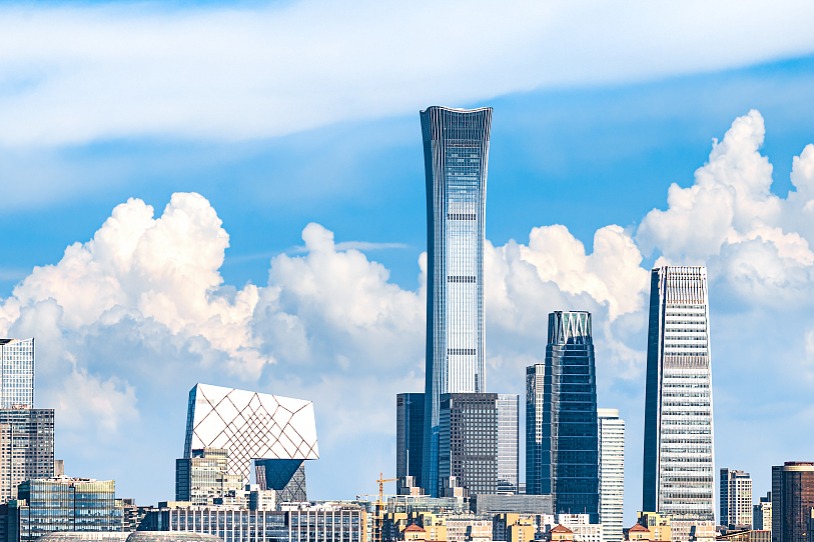
The skyline of Beijing. [Photo/VCG]
As the global economy becomes increasingly fragmented and countries struggle to sustain long-term growth, China's economic transformation offers experiences that transcend its borders.
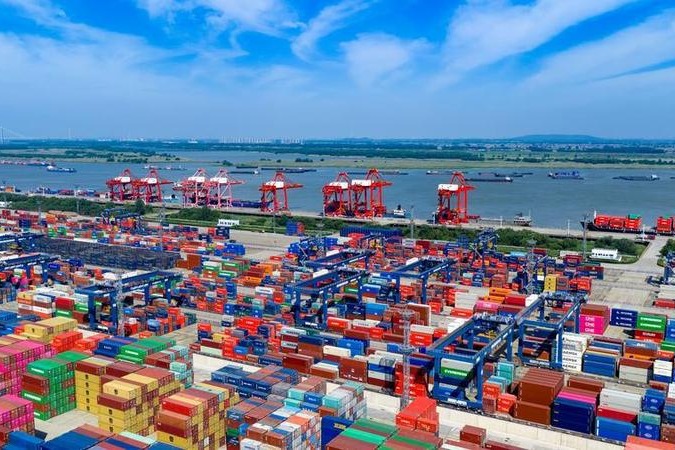
Over the past four-plus decades, China has orchestrated one of the most extraordinary economic transformations in modern history. Since the launch of reform and opening-up in 1978, the country's economy has registered one of the fastest growth rates ever recorded by a major economy in the world, expanding at an average annual rate of close to 9 percent. In the process, China has lifted hundreds of millions out of poverty, become the world's second-largest economy, and emerged as a major driver of global trade, investment and innovation. Today, China accounts for nearly a fifth of global economic output and remains the largest contributor to world economic growth.
The significance of this achievement lies not simply in its scale, but in what it reveals about the process of economic development itself. Too often, discussions of China's rise focus on whether it "validates" a particular model of "capitalism" or "state intervention". This misses the larger point.
China's success reflects a pragmatic willingness to experiment, adapt and evolve as circumstances changed.