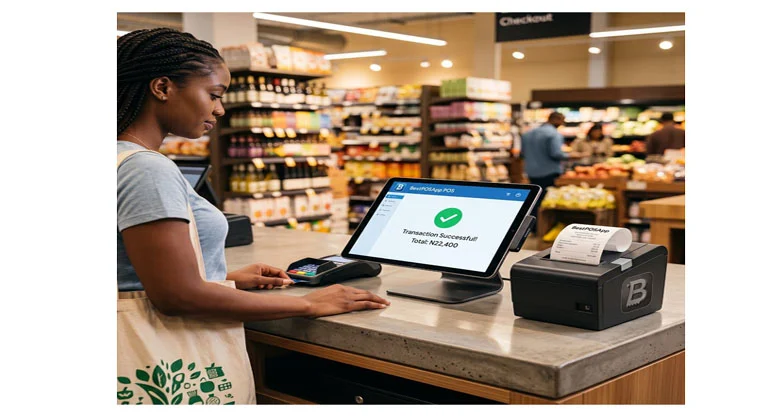
A store can keep running even when the information behind each transaction is starting to split apart. Customers keep moving through the counter, payments get completed, and the day appears normal from the outside.
The problem begins when a business starts building extra checks around small issues.
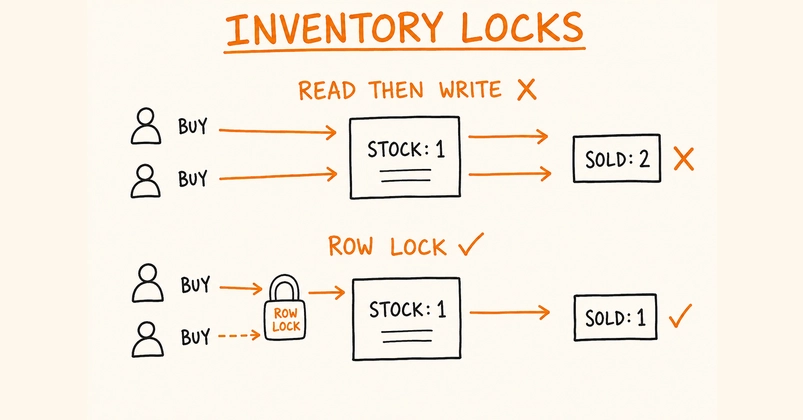
Stock questions move back to the shelf instead of the system. Staff rely on memory for product details, while the person reviewing the day has to connect unclear records after the business has already moved forward.
Over time, those delays make the store harder to read. The owner may know the day was busy, but still not have a clear view of what created that pressure.
The real issue is not only missed information. It is that important details appear too late, after the shelf, the counter, or the customer experience has already been affected.