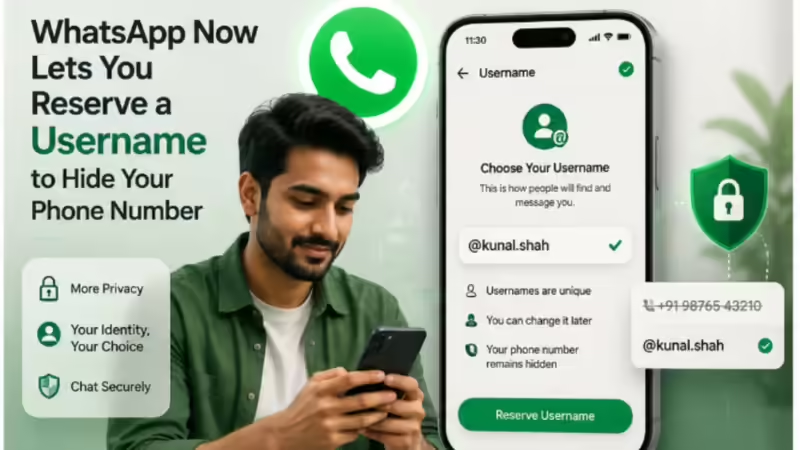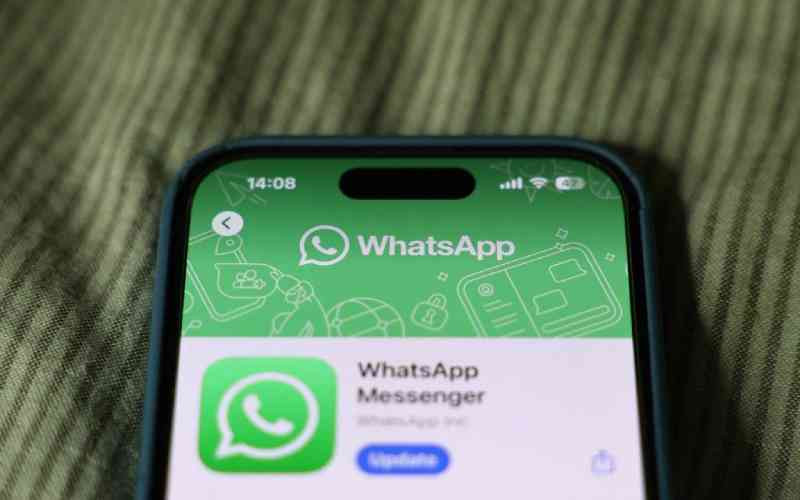
CHONGQING, CHINA - NOVEMBER 6: A person holds a smartphone displaying the WhatsApp app page, with the WhatsApp logo in the background, on November 6, 2024 in Chongqing, China. WhatsApp, owned by Meta, remains one of the most popular messaging platforms globally, continuously enhancing its features to ensure secure and private communication. (Photo by Cheng Xin/Getty Images)Getty ImagesShortly after WhatsApp announced one of its most significant privacy features in years, India’s government asked the company to hold its horses.On June 29, Meta’s WhatsApp blog announced that its three billion-plus users would soon be able to create a unique username and use it to message people without ever revealing their phone number. “When someone new walks into your life, sharing a phone number can feel like a big step,” the post read. “Sometimes you just want to chat without handing over your digits.”A few days later, India’s Ministry of Electronics and Information Technology sent Meta a formal legal notice, ordered the feature to be suspended for Indian users and demanded a detailed explanation within three days, according to The Indian Express.What Does The Feature Do?WhatsApp’s username feature is positioned as a privacy upgrade. Instead of sharing a phone number to receive messages, users can choose a handle — something unique like @yourname — that others can use to contact them for the first time. After that initial message, it works like any other WhatsApp chat.There is no public directory and no way to search for usernames. “People will need to know your exact username to contact you for the first time,” WhatsApp said in its blog post. The feature is optional — users who don’t set a username will continue using WhatsApp exactly as before.WhatsApp is currently in a username reservation phase, letting users claim their preferred handle ahead of the full launch later in 2026. The feature is not yet live anywhere. Users can reserve a username via Settings > Account > Username on the latest version of the app. Messaging apps Telegram and Signal already offer similar functionality.MORE FOR YOUIndia’s Concern: The Digital Arrest ScamIn its formal notice to WhatsApp’s Chief Compliance Officer for India Operations, India’s Ministry of Electronics and Information Technology warned that the feature could “materially increase the incidence of online fraud, phishing, digital arrest scams and impersonation attacks” by allowing bad actors to contact victims without disclosing their phone numbers, according to Tech Crunch’s review of the notice.The “digital arrest” scam — in which criminals impersonate Central Bureau of Investigation officers, judges or customs officials over video calls to extort money from victims — has become one of the most widespread financial crimes in urban and semi-urban India. The Home Ministry flagged the same concern in a June home ministry report reviewed by Reuters, which warned that privacy tools make identity detection more difficult and flagged messaging apps’ use in cyber fraud.“As we understand now, there is a possibility that bad actors may claim usernames, or close-enough variations related to prominent personalities, institutions, and organisations, and message other users while pretending to be someone they are not,” a senior government official told The Indian Express, requesting anonymity. “For those who may not be technologically aware to make out the difference, it could be a huge challenge. We have already seen bad actors carry out impersonation-linked scams such as digital arrests through WhatsApp, and this feature could further help them.”Paytm founder Vijay Shekhar Sharma weighed in on X. What Did WhatsApp Say?WhatsApp pushed back, though cautiously. In a statement reported by The Indian Express, the company said it had already anticipated the impersonation concern and built in safeguards.“To protect against impersonation, we’ve held the highest-profile names — think public figures, government entities, celebrities, verified Meta accounts — so they can only ever be claimed by their legitimate owners,” a WhatsApp spokesperson said, per The Indian Express. “Lookalike derivatives of known names are held as well.”The company also stressed that the feature doesn’t remove phone numbers from the equation entirely, and users still requires a phone number, meaning they can’t create an account or operate anonymously without one. On anti-abuse measures, WhatsApp said it would limit how many new people an account can contact via username, block repeated attempts to guess someone’s handle and run systems to detect impersonation patterns. It would also reportedly show recipients contextual signals when a stranger messages via username for the first time — whether the sender is a new account, whether they share any groups, and are messaging from a different country.The ministry’s notice directed the company not to roll out this feature until consultation on this point is fully achieved. Meta has not commented beyond the WhatsApp spokesperson’s statement.The Telegram PrecedentThe WhatsApp notice follows India’s temporary block of Telegram last month over similar concerns — the government cited features that allowed users to interact without disclosing their phone numbers. Telegram lost a legal challenge against the ban. The pattern seems to be: owing to rising concerns, India is systematically scrutinising messaging anonymity features, regardless of the platform.WhatsApp is by far the highest-stakes target: India is its largest market, with more than 500 million users. The standoff forces the platform to weigh compliance against a potentially expanding pattern of government control over social media — a tension that has also characterized India’s years-long friction with X over content-takedown orders.The reservation phase is currently accessible for users in India, but the feature itself will not launch until — and unless — the government is satisfied.
WhatsApp Launched A Username Feature To Hide Your Phone Number. India Halted It.
WhatsApp launched usernames on to let users chat without sharing their number. Soon after, India ordered a halt, demanding Meta justify the feature or face further action.
913 words~4 min read