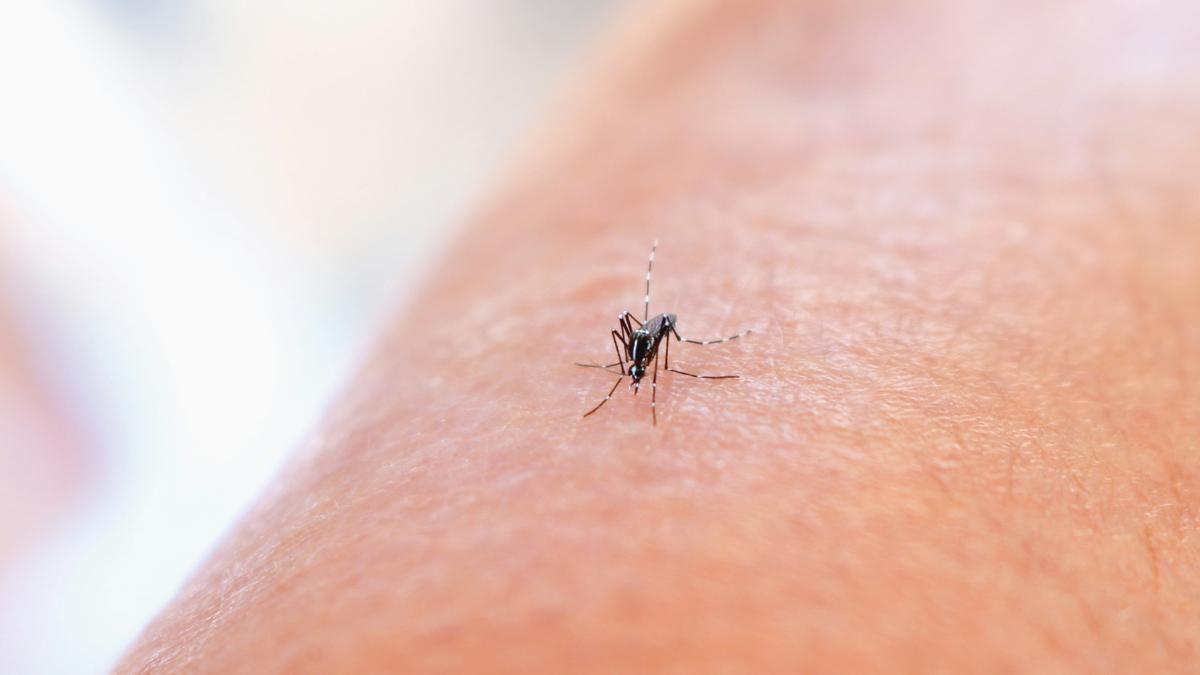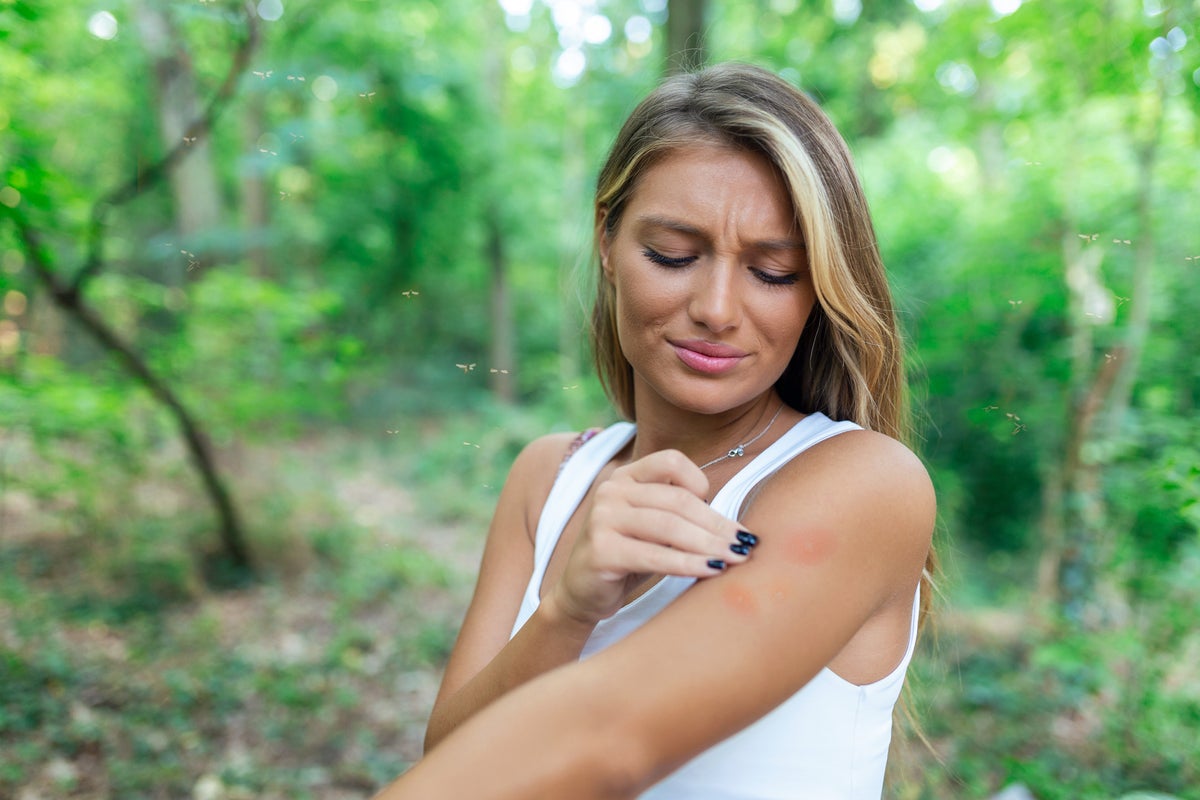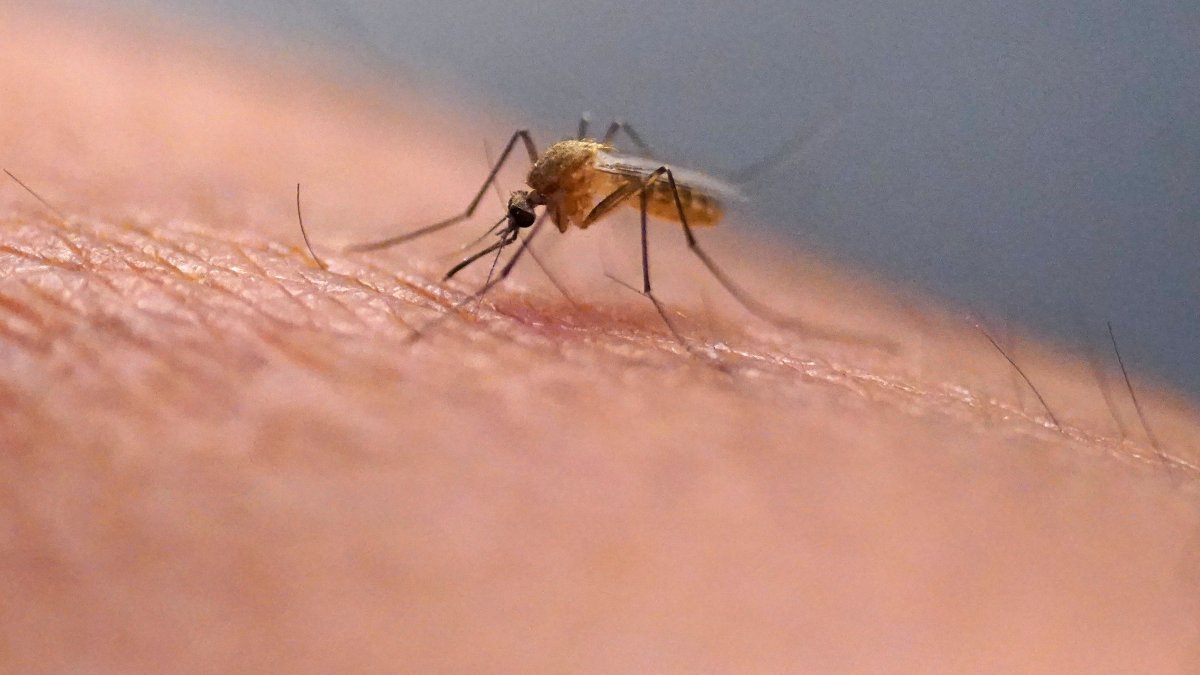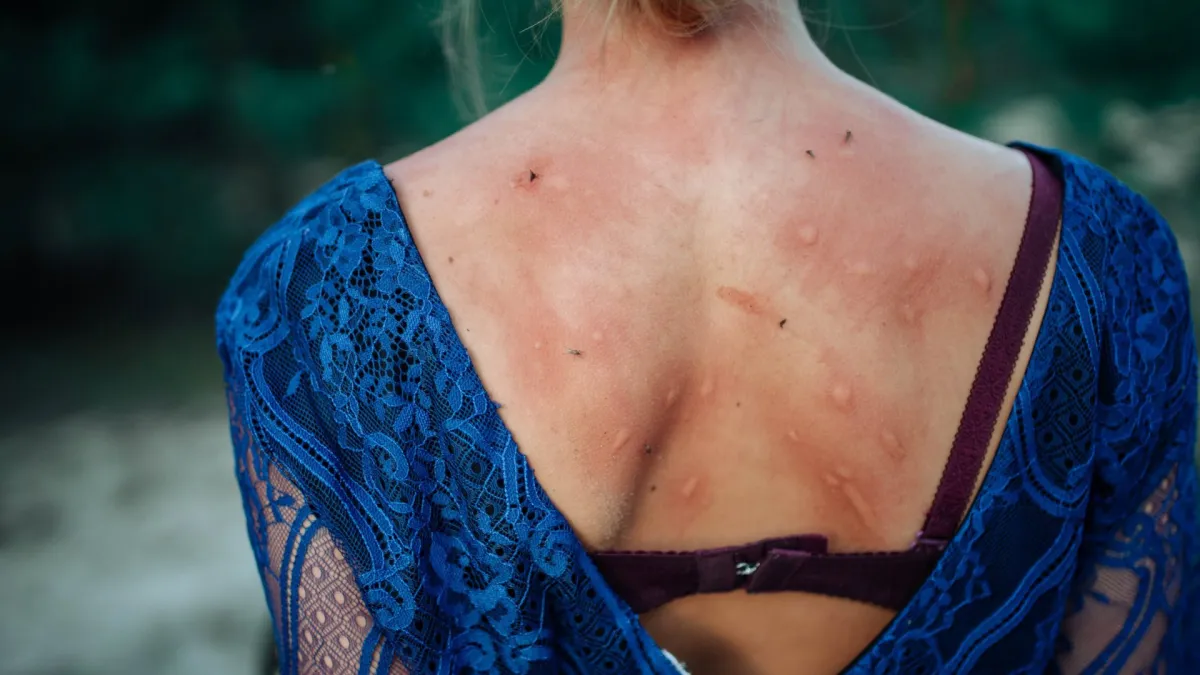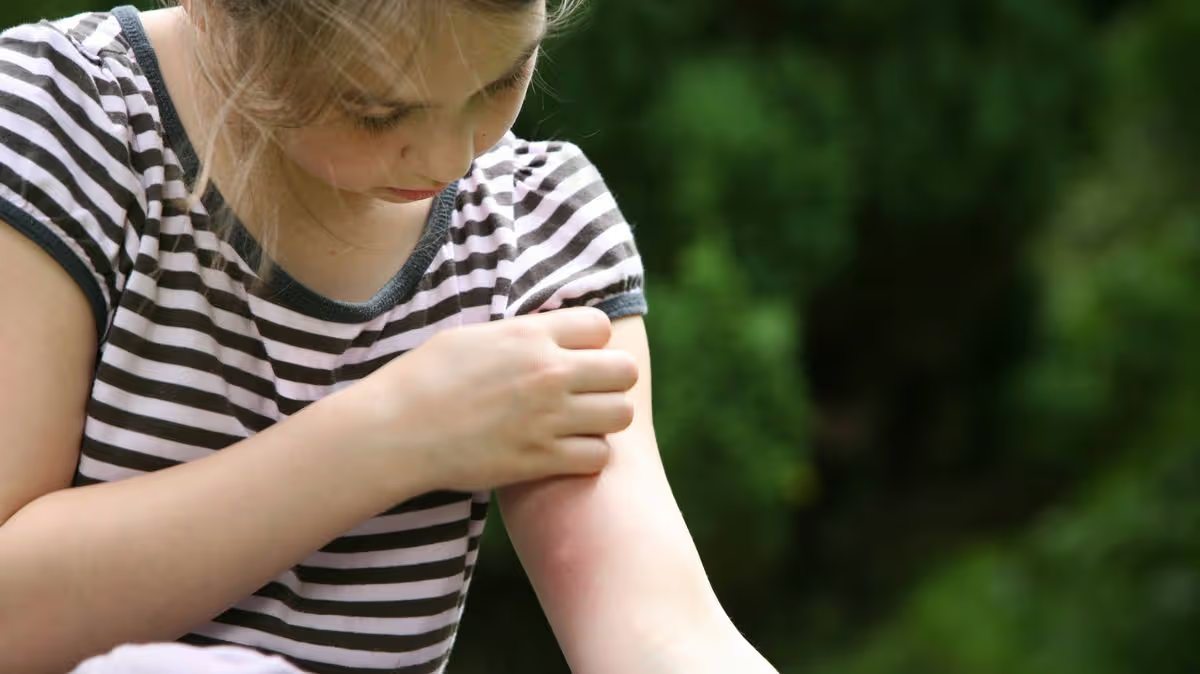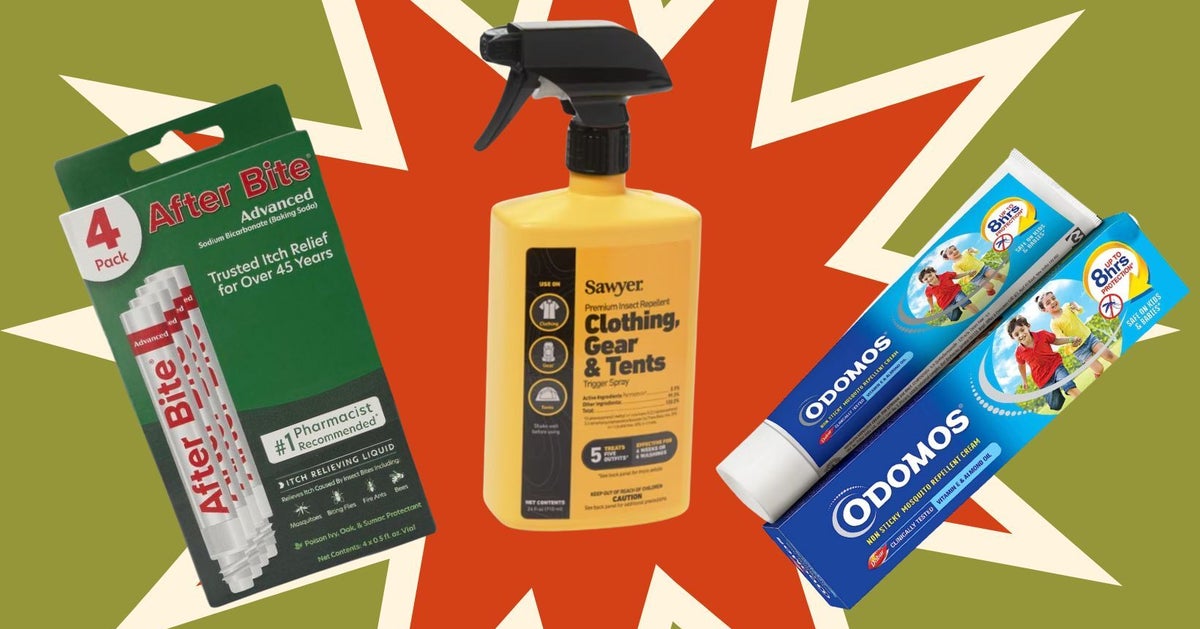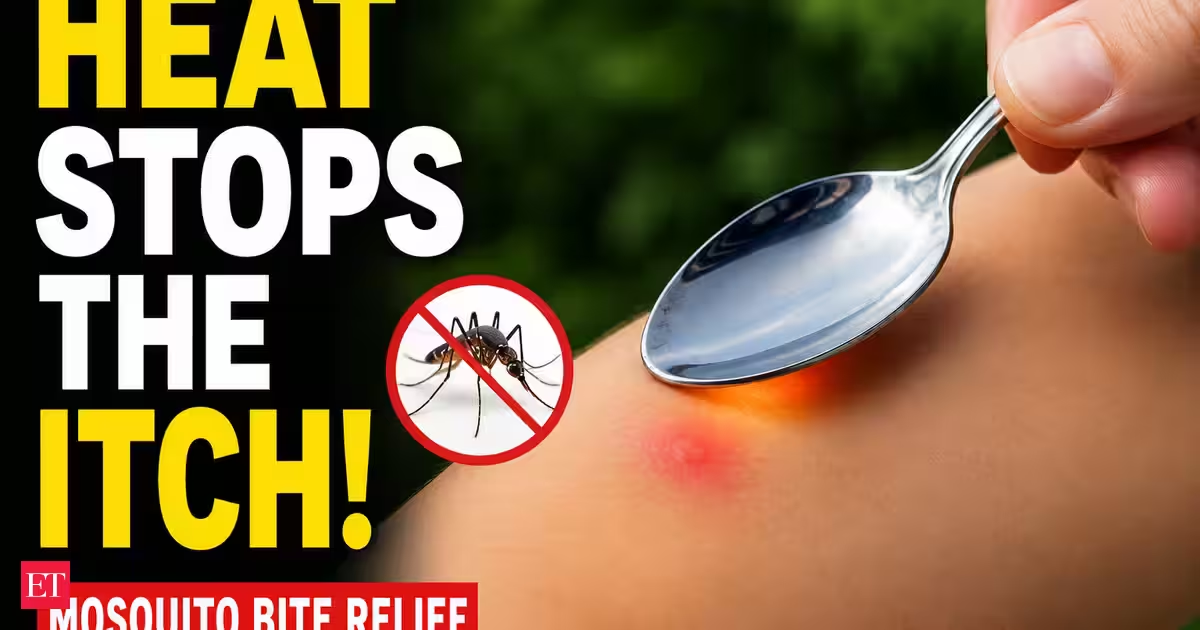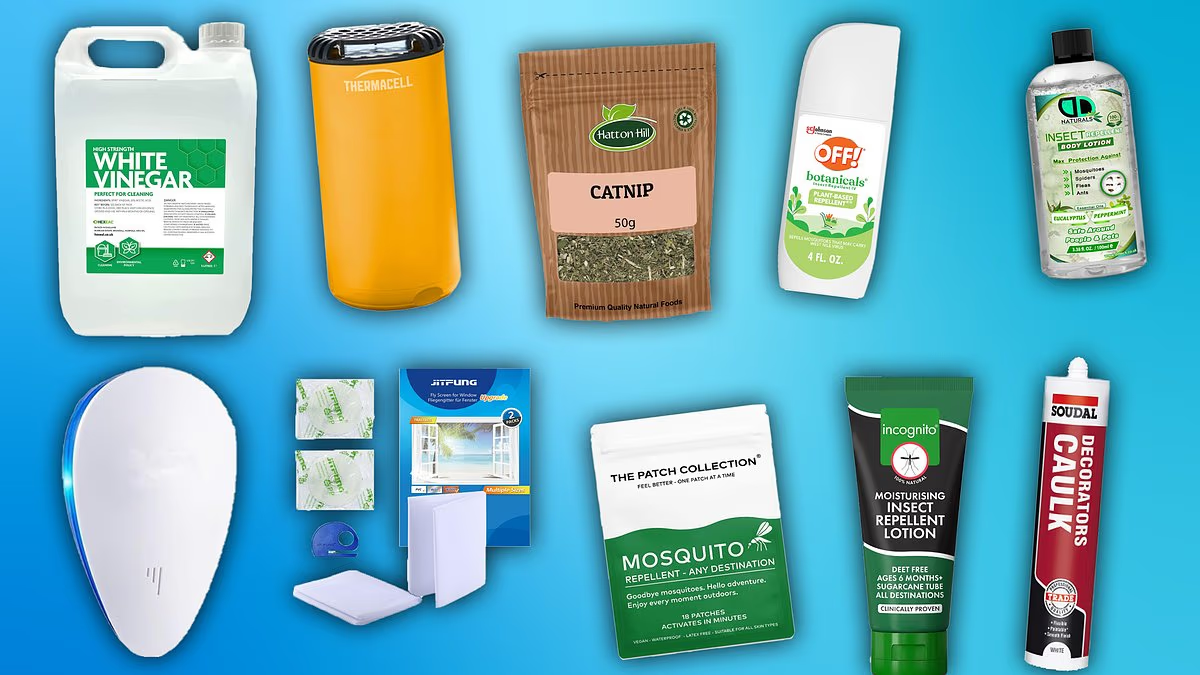
There’s nothing like a mosquito bite to really bug you over the summer. From keeping you up at night, to desperately trying to resist the urge to scratch that itch, it's one of our least favourite aspects of the summertime.With July and August among the peak mosquito months in the UK, we asked Dr Mojca Kristan, Assistant Professor in Medical Entomology at the London School of Hygiene and an expert on all things mosquitoes, for her top tips on preventing bites, itch relief and why the mozzies seem to love you.Pour out any ‘standing water’From watering cans, buckets and bird baths, Dr Kristan advises removing any standing water from your back garden or patio. ‘Mosquitoes breed in standing water so it’s a good idea to empty out any potential breeding sites in your garden,' she says. Wear insect repellent containing DEETWearing insect repellent is nothing novel, but Dr Kristan advises choosing those that specifically contain DEET. It’s a chemical mixture that hides the human scent from mosquitoes. It’s a superpower ingredient when it comes to avoid being bitten.Wear socks to bedFeet and ankles naturally have a higher concentration of smell and sweat making them particularly tempting to mozzies, so take Dr Kristan’s advice and keep those pesky insects away. ‘It’s a good idea to wear socks in the evening as mosquitoes like biting around our ankles,' she advises. Wearing socks to bed protects your feet and ankles from bites.Ditch the insect repellent braceletsAccording to Dr Kristan, ‘Insect repellent bracelets and bands are largely ineffective.’They’re sold as an alternative to using chemicals like DEET but might be better fashioned as an accessory than for any bug-beating affect.Plug-ins are not all made equal‘Some chemical liquid vaporiser plug-ins do work,' says Dr Kristan. She explains that some of the plug-ins create a barrier in the air that prevents mozzies from detecting humans).However, it's important to note, Dr Kristan warned that ultrasonic electronic plug-ins don’t work against mosquitoes as the high-pitched noise has no impact on them. Reactions to mosquito bites depend on the person, with some people desensitised completely.When are you most likely to be bitten?‘Most mosquitoes tend to come out more in the evening and nighttime,' says Dr Kristan.So, are you safe from the them during the daytime? Dr Kristan says probably not. ‘Some species do not bite at night but mostly during dawn and dusk periods, and even during daytime.’Why do some people react to bites more than others?‘Some people become desensitised over time and no longer react, whereas others have a mild hypersensitivity that causes a larger swelling,' says Dr Kristan.The itching and redness caused by mosquito bites, which is an immune reaction to the mosquito saliva, typically only lasts a few days but for some people to reaction is much worse. The way you react to mosquito bites can also depend on the species that bit you.How to treat bites‘Bites should get better on their own, although over-the-counter creams are available to ease symptoms.’And hands off that itch, warns Dr Kristan. ‘Scratching can increase the risk of skin infection.’ Scratching mosquito bites can lead to infection in rare cases.Why do the mozzies love you?You’re not going crazy, according to the experts some people are more likely to be bitten than others.‘How attractive someone is to mosquitoes depends on factors including human genetics, chemistry and biology,' says Dr Kristan. These can include: Skin microbiome‘People with a lot of carboxylic acids (fatty acids), primarily produced by the microbiome, on their skin are thought to be especially attractive to mosquitoes,’ says Dr Kristan.The odours produced by the bacteria on our skin can be particularly attractive to some mosquitoes. Don’t worry though, these are not detectable to humans.Breath and body heat‘People who exhale more carbon dioxide can be more attractive to mosquitoes,' she explains.With mosquitoes able to detect carbon dioxide from about 30m away and body heat within 1m, those who have a hotter body temperature and exhale more CO2 are much more likely to be favoured by mossies.GeneticsWhile there is some evidence to show that mosquitoes prefer certain blood groups, Dr Kristan says ‘it’s largely down to our DNA.’So, if you’re feeling like you’ve tried everything and the pesky little insects still manage to get you, you might just be biologically wired to be a mosquito's favourite snack.
A mosquito expert on preventing bites and itch relief
Dr Mojca Kristan, Assistant Professor in Medical Entomology at the London School of Hygiene shares her top tips on preventing bites, itch relief and why the mossies seem to love you.
716 words~3 min read