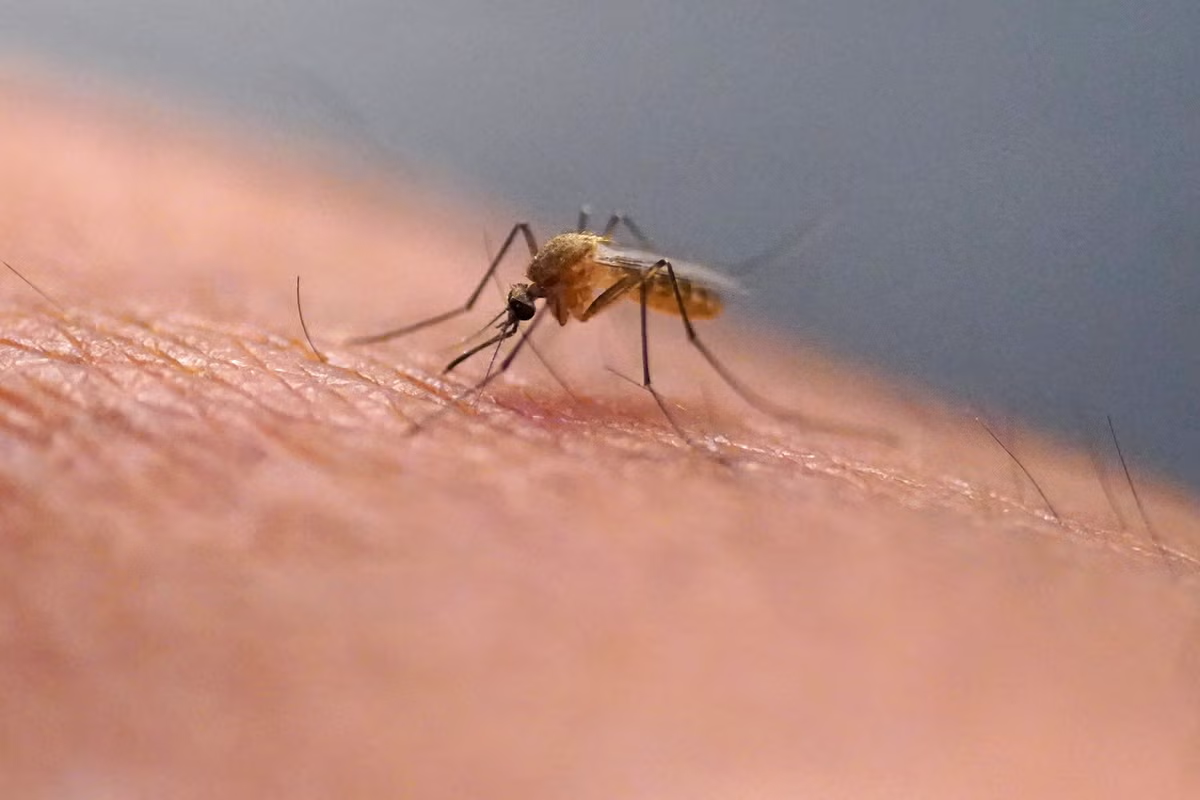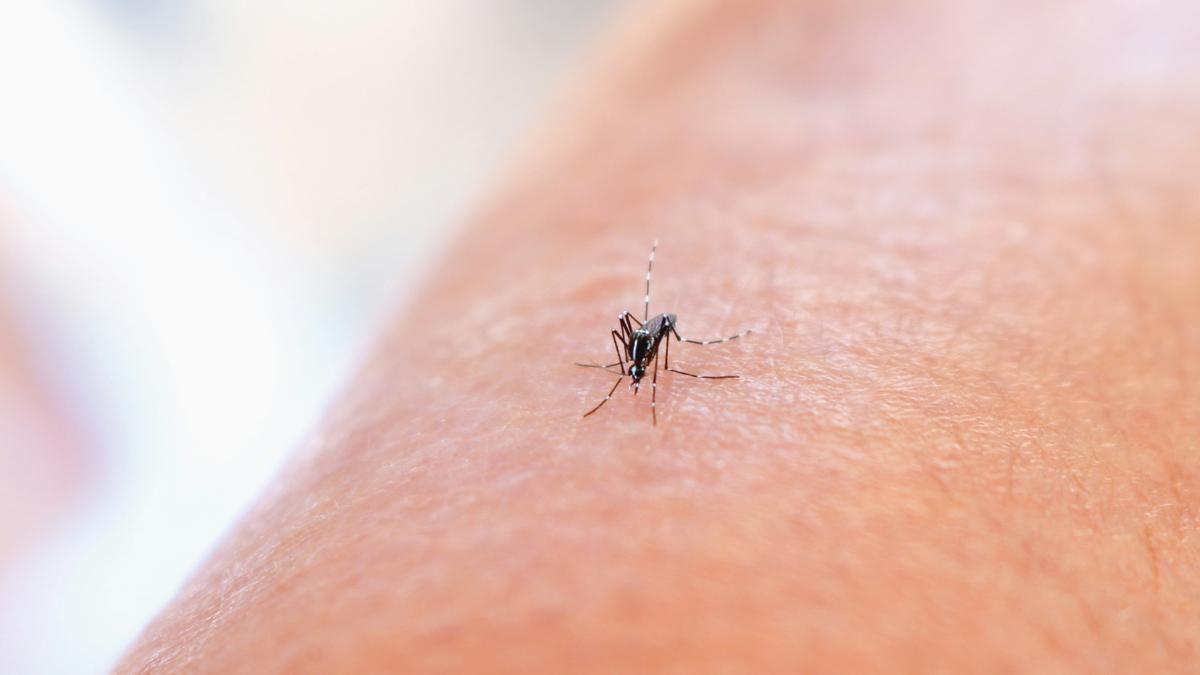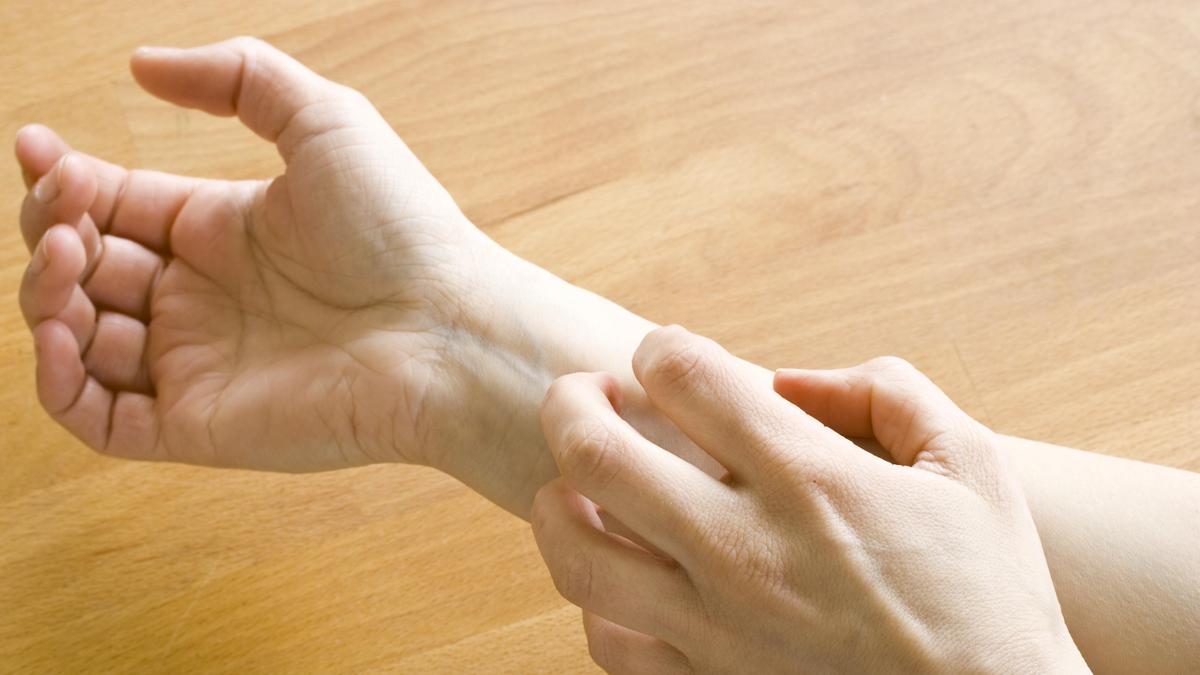
You’ve likely heard it since childhood: Don’t scratch that bug bite or rash, you’ll make it worse. But why would something that feels so good be bad?
A lot of things can cause itchiness, sometimes serious diseases. Whatever the cause, doctors have long warned that scratching too much can damage the skin. Now researchers better understand why even a mildly annoying itch could put you on an itch-and-scratch cycle if you give in.
How did they find out? In part by putting tiny "cones of shame” onto mice to uncover what happens on a cellular level when an itch gets scratched or left alone.
They also gained insight into why a good scratch, at least at first, brings a sigh of relief. After all, not just people and other mammals scratch, even fish do. The commonality suggests there must be some evolutionary reason, and the mouse experiment hints at a little germ protection — but still not a reason to scratch.
Daniel Kaplan, a University of Pittsburgh dermatologist whose lab studies immune reactions in skin, was exploring a run-of-the-mill type of itch called allergic contact dermatitis, caused by irritants such as poison ivy or nickel in jewelry.