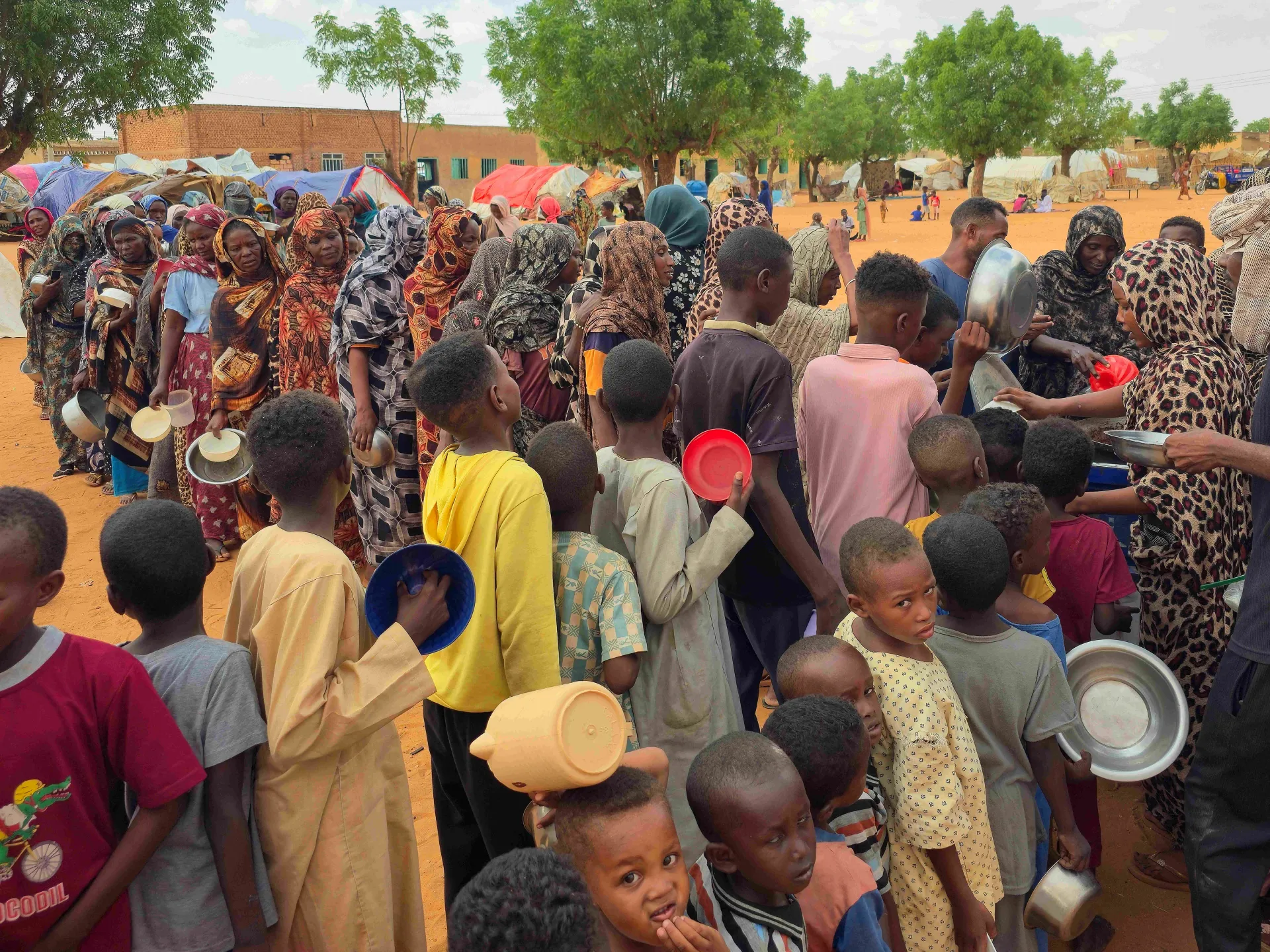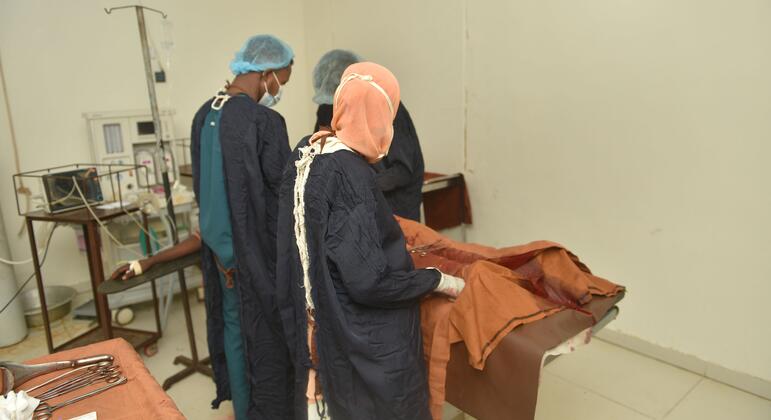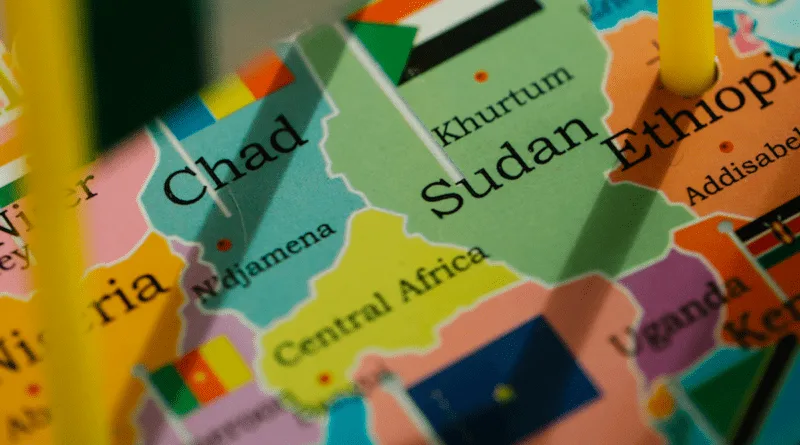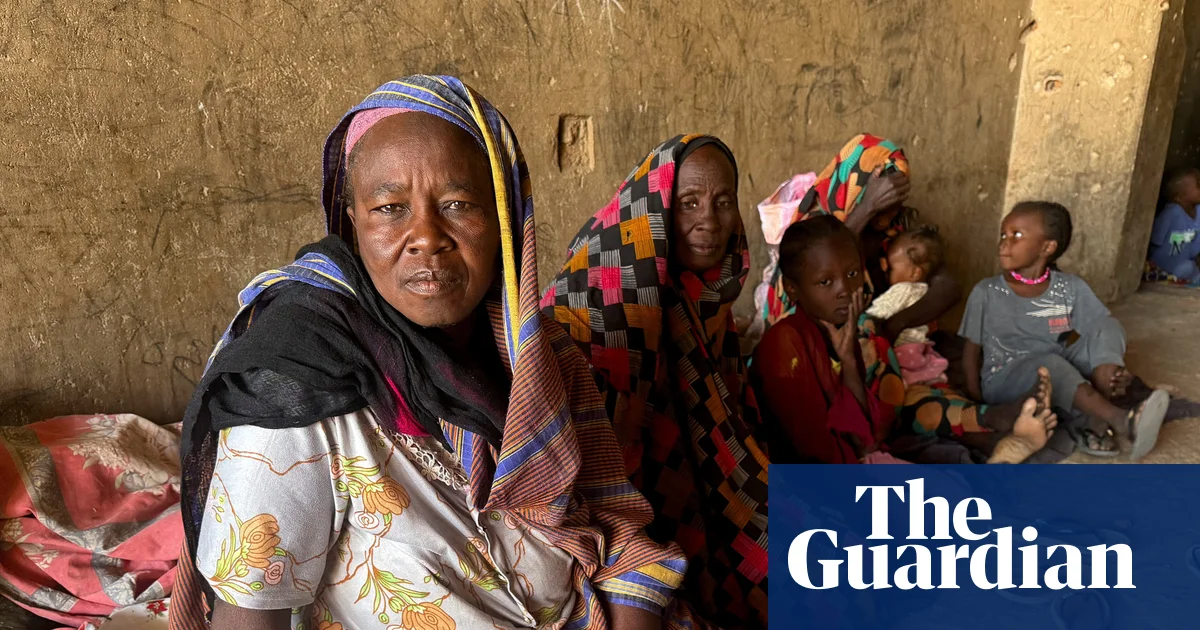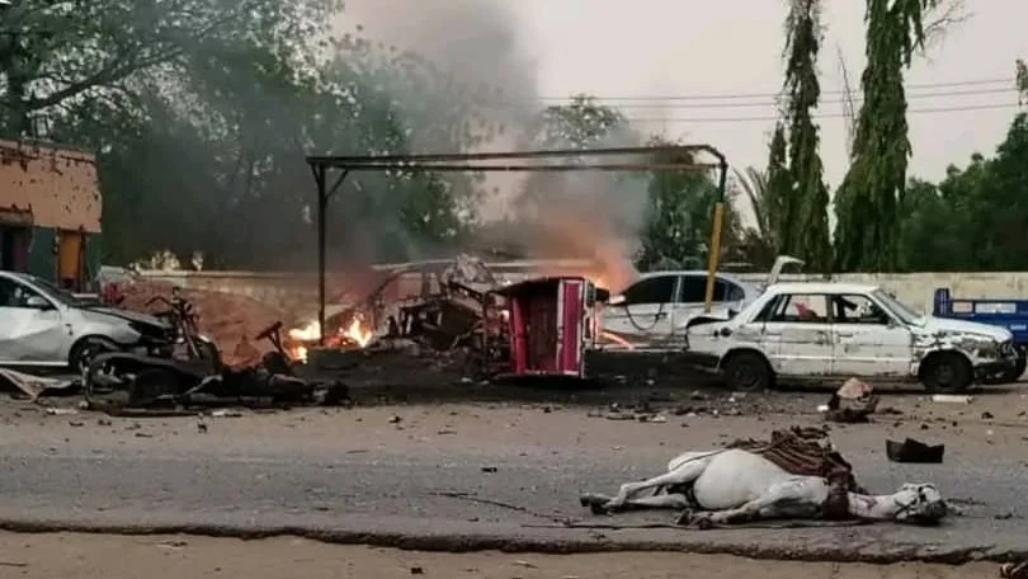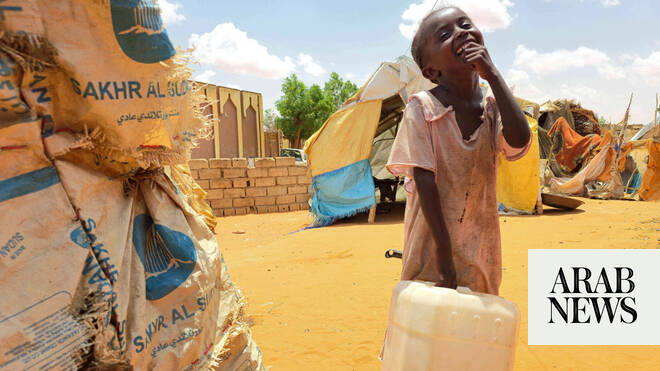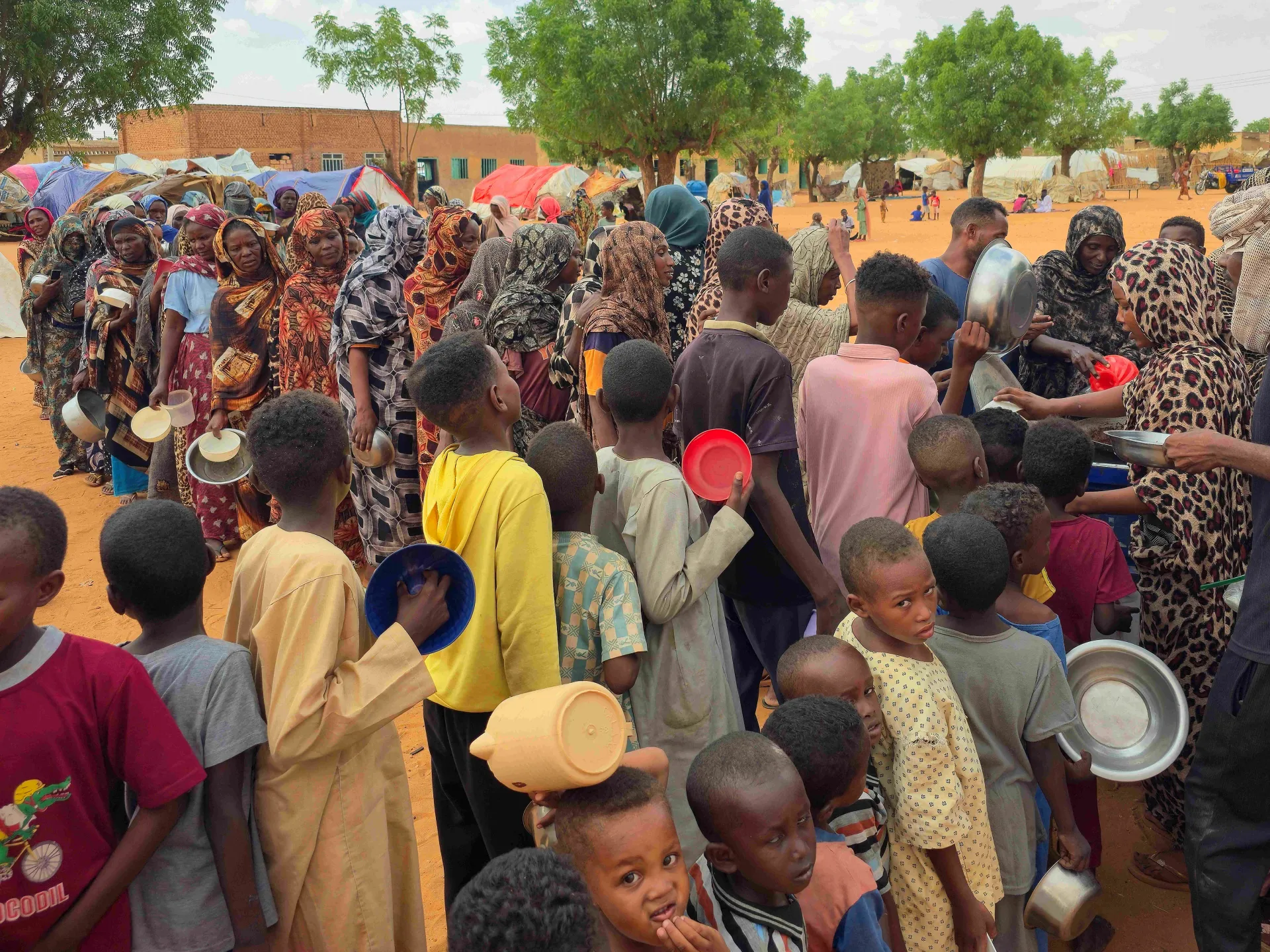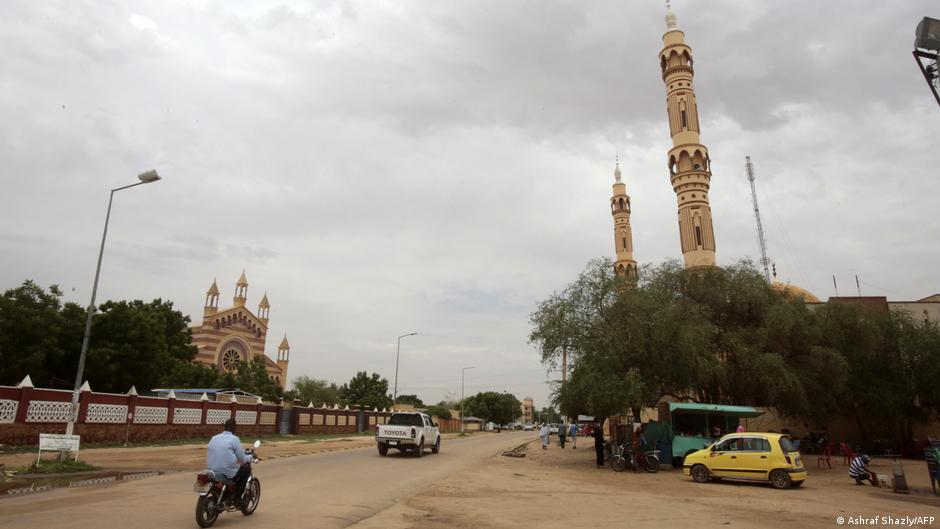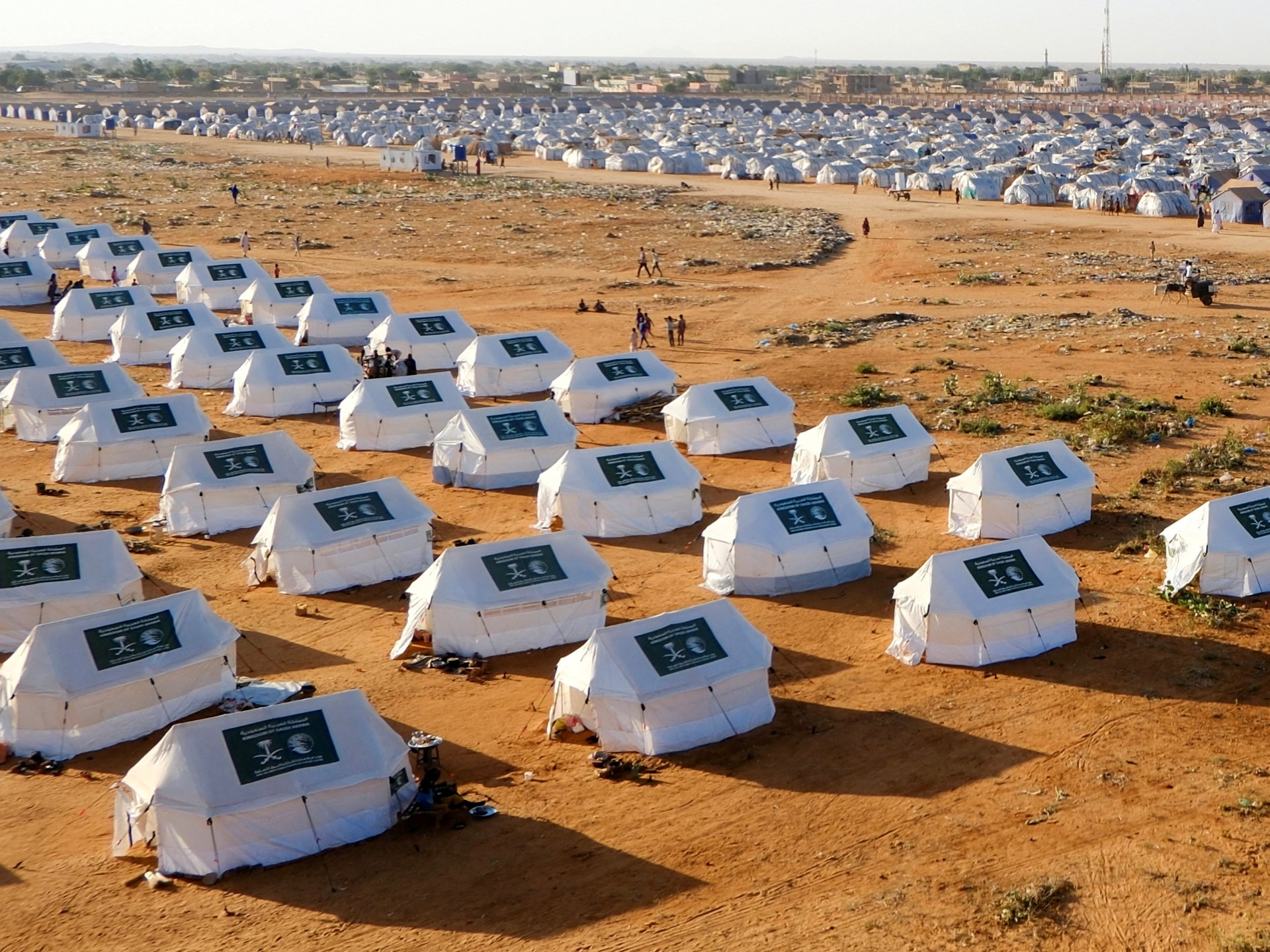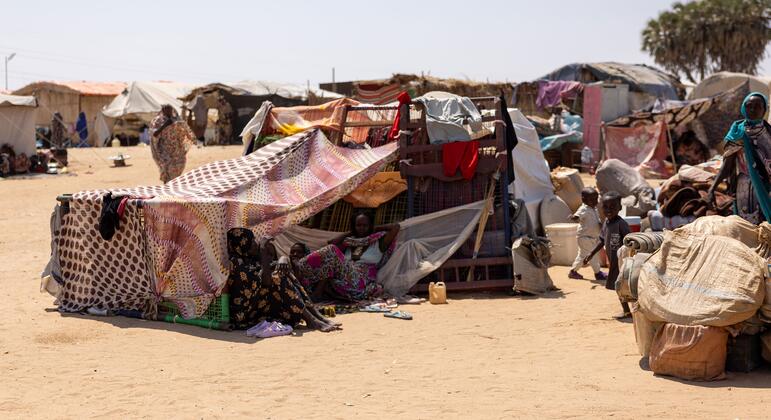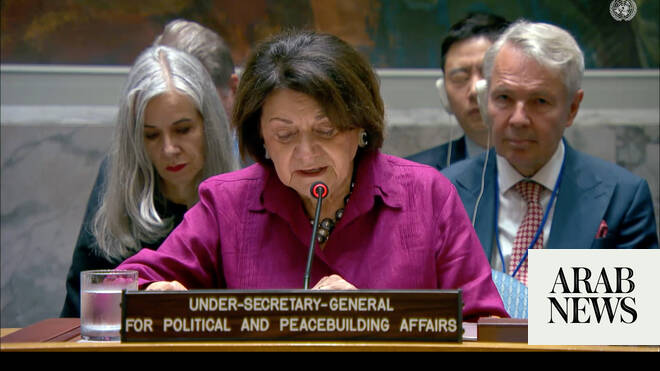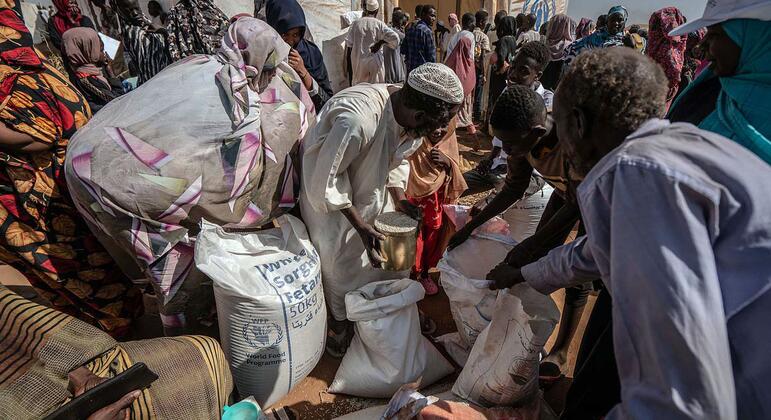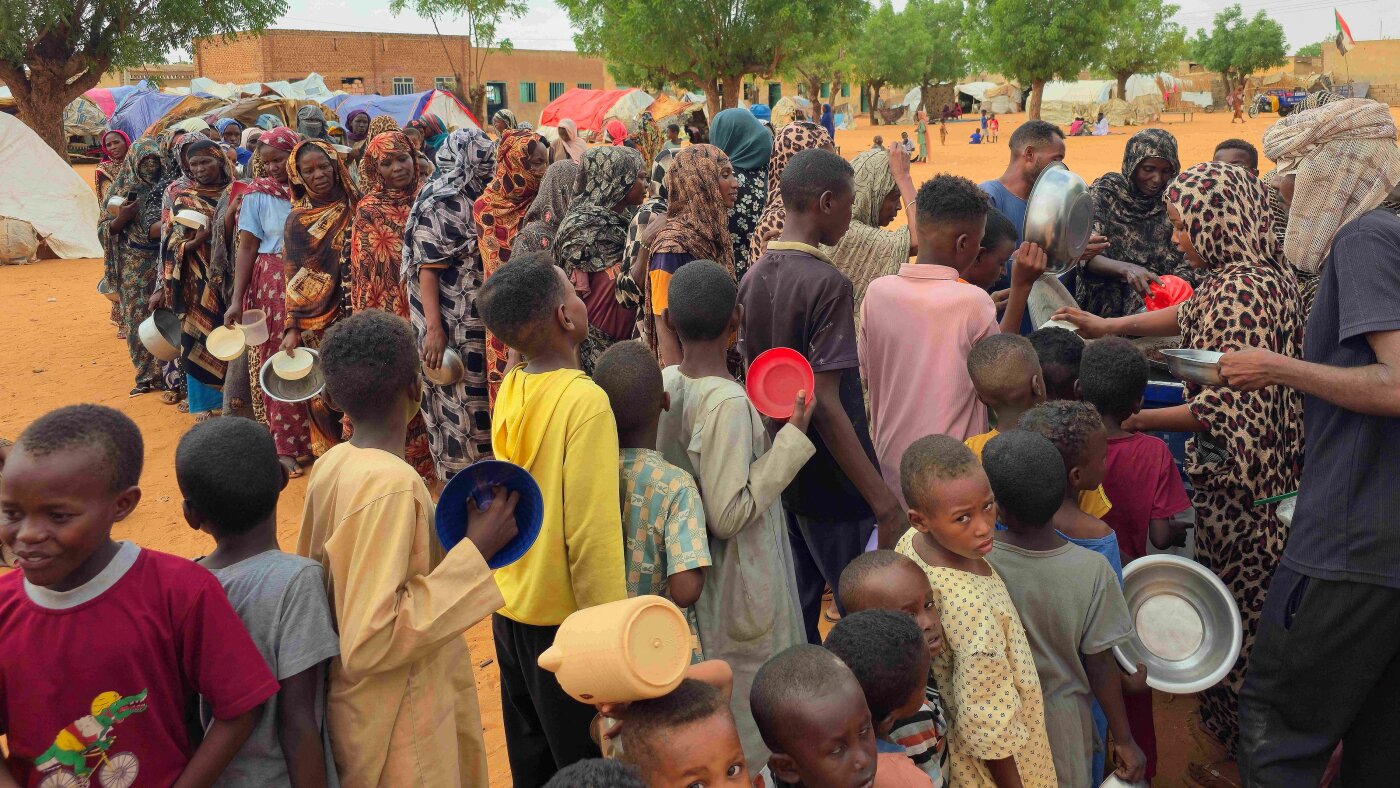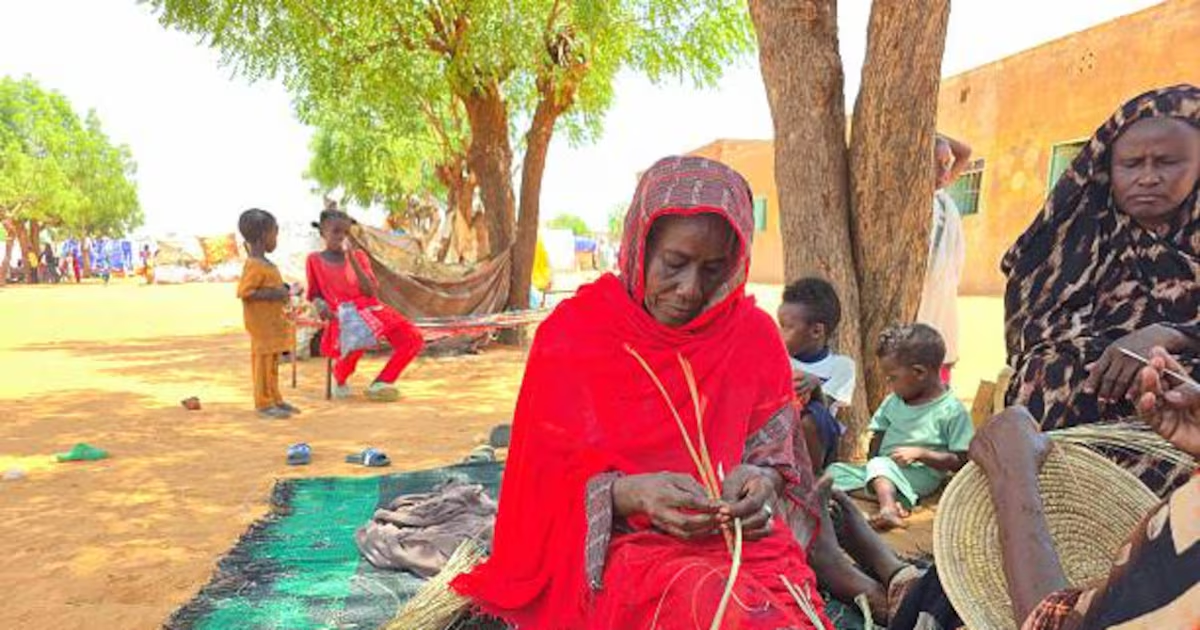
The United Nations describes the war in Sudan as the most serious humanitarian crisis in the world, leaving tens of thousands dead and 14 million people displaced. It may be about to get worse.Civilians under siegeA city of half a million people about 500km southwest of Khartoum, El-Obeid has long been a resting place for pilgrims on their way from west Africa to Mecca, a lively commercial centre, home to one of Sudan’s best public universities and a trading hub for gum arabic and livestock. But as the gateway between central Sudan and Darfur, the city has now taken on a deadly strategic importance in the civil war between the Sudanese Armed Forces (SAF) and the paramilitary Rapid Support Forces (RSF).Currently held by the SAF, El-Obeid is under siege from the RSF, facing drone attacks that have hit civilians and public utilities as well as military targets. The Humanitarian Research Lab at Yale School of Public Health reported last week the RSF was intentionally targeting fuel stations and had damaged the city’s electrical substation, causing a four-day power cut.“Power generation and fuel disruptions mean that water pumps will not have fuel, hospitals will not have power, civilians cannot use vehicles to flee the city, and traders and humanitarians will struggle to transport essential goods,” the report said.If the water pumps fail, the city will run out of clean water, heightening the risk of waterborne illnesses such as cholera. And while the RSF is besieging the city, the SAF is focusing on resupplying its soldiers with food and weapons rather than taking care of the civilian population.The UN human rights council will hold an urgent debate in Geneva on Friday to address the situation in and around El-Obeid. The debate follows an official request by Ireland and four other member-states – Germany, the Netherlands, Norway and Britain – which said they will submit a draft resolution for adoption by the council.“This action is needed due to the threat of potential escalation on the ground; approximately 500,000 civilians are at risk of being targeted in large-scale atrocities. Increasing drone strikes have destroyed civilian infrastructure, resulting in severe fuel and water shortages, and loss of civilian lives where siege-like conditions have seen thousands trapped in El-Obeid town, cut off from basic services,” they said.The debate comes days after Amnesty International published a report accusing the RSF of committing crimes against humanity when they took El Fasher in North Darfur last year. The siege of El-Obeid is following a similar pattern to the one that preceded the fall of El Fasher and the crimes Amnesty catalogues as “murder, extermination, forcible transfer, imprisonment, torture, rape, sexual slavery, other forms of sexual violence, enslavement and persecution”.The siege of El-Obeid comes as international efforts to negotiate an end to the war have intensified following the appointment of the Finnish diplomat Pekka Haavisto as the UN’s special envoy for Sudan. At the heart of these efforts is the Quintet, a multilateral coalition made up of the UN, the African Union, the European Union, the Arab League and the Intergovernmental Authority on Development (IGAD), the regional body covering the greater Horn of Africa.The Quintet brought diverse Sudanese civilian and political actors together at conferences in Berlin in April and in Addis Ababa last month.“This is the first time in three years when political parties and political actors are coming together and trying to solve the conflict and trying to find a common ground for the peace process in Sudan,” Haavisto told reporters at the UN headquarters in New York this week.Despite these international efforts, the war shows no sign of ending and the SAF reject any compromise that does not disarm the RSF, which continues to enjoy generous support from external actors, notably the United Arab Emirates. “It looks like both of the parties still think that something can be achieved militarily in this conflict,” Haavisto said. “Conflict unfortunately only goes on as long as somebody thinks that he or she or the group can achieve something through military means.”Please let me know what you think and send your comments, thoughts or suggestions for topics you would like to see covered to denis.globalbriefing@irishtimes.com
City of half a million under siege
Global Briefing: El-Obeid is facing drone attacks from the paramilitary Rapid Support Forces that have hit civilian targets and public utilities
694 words~3 min read