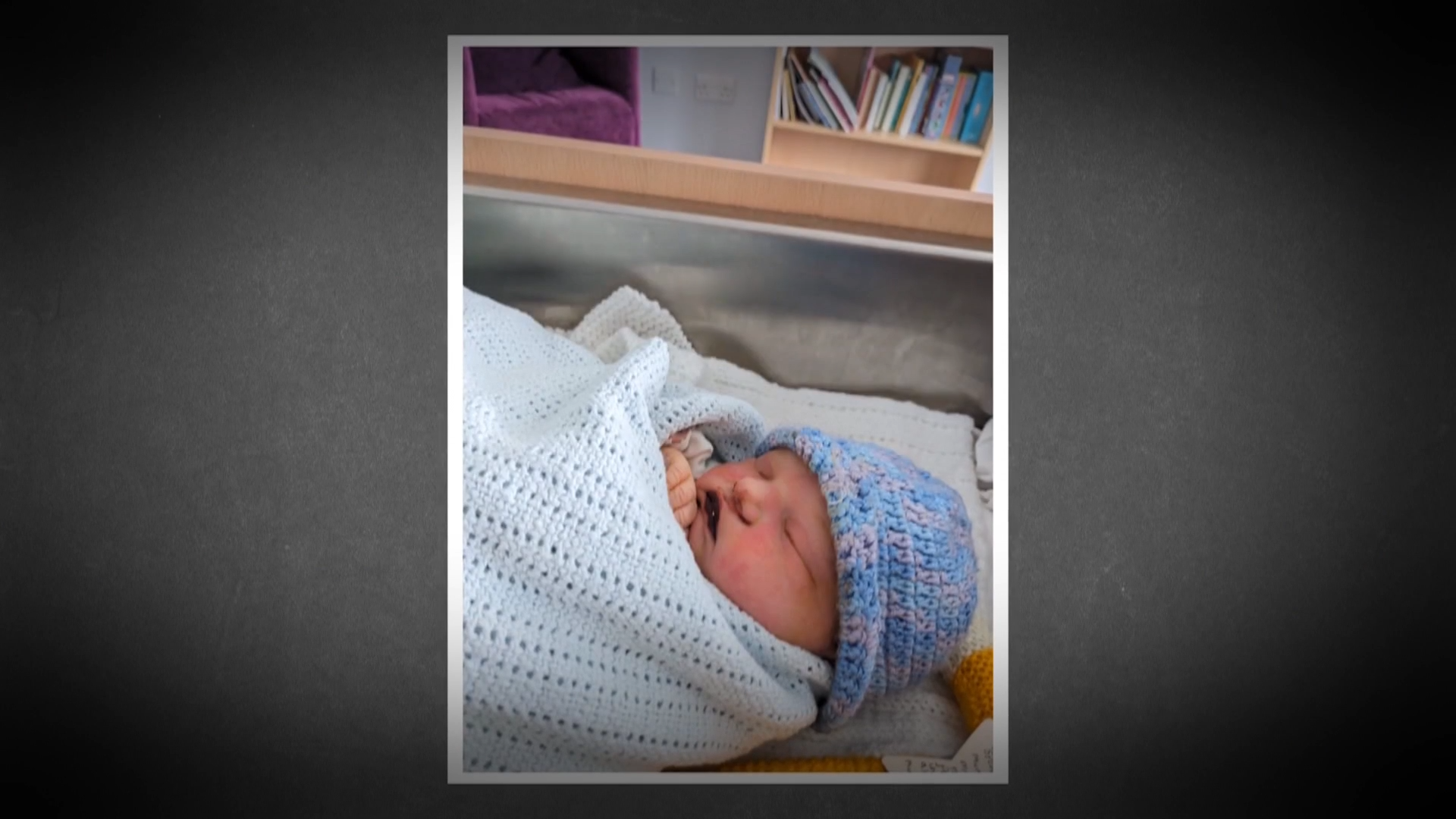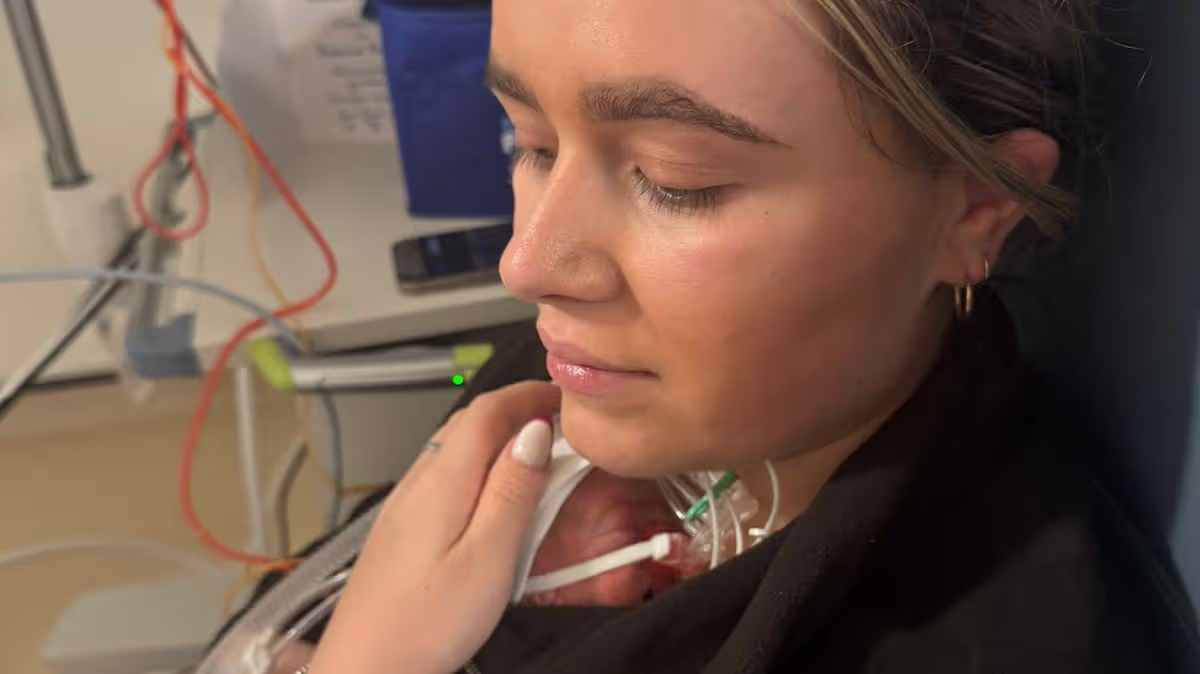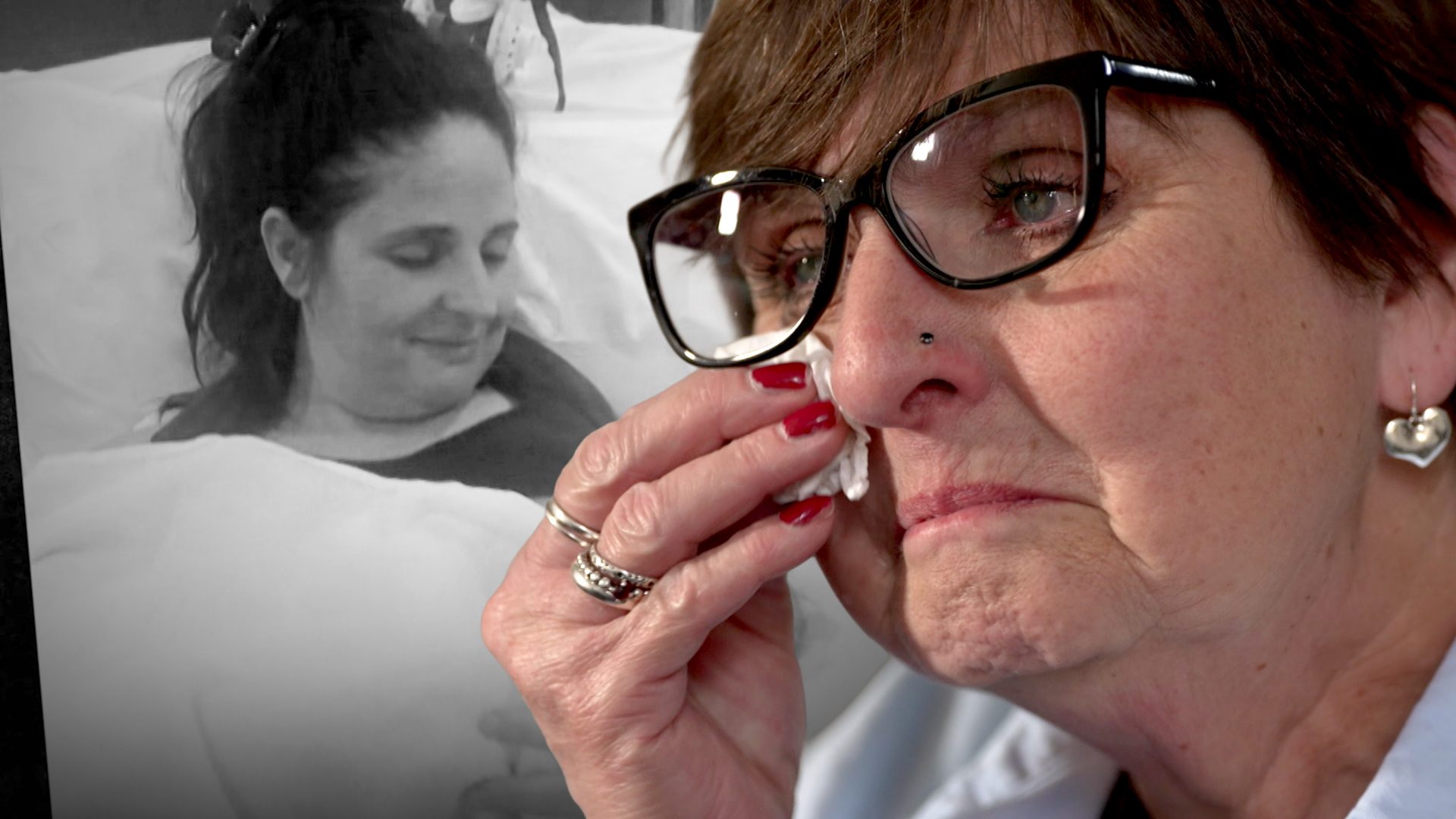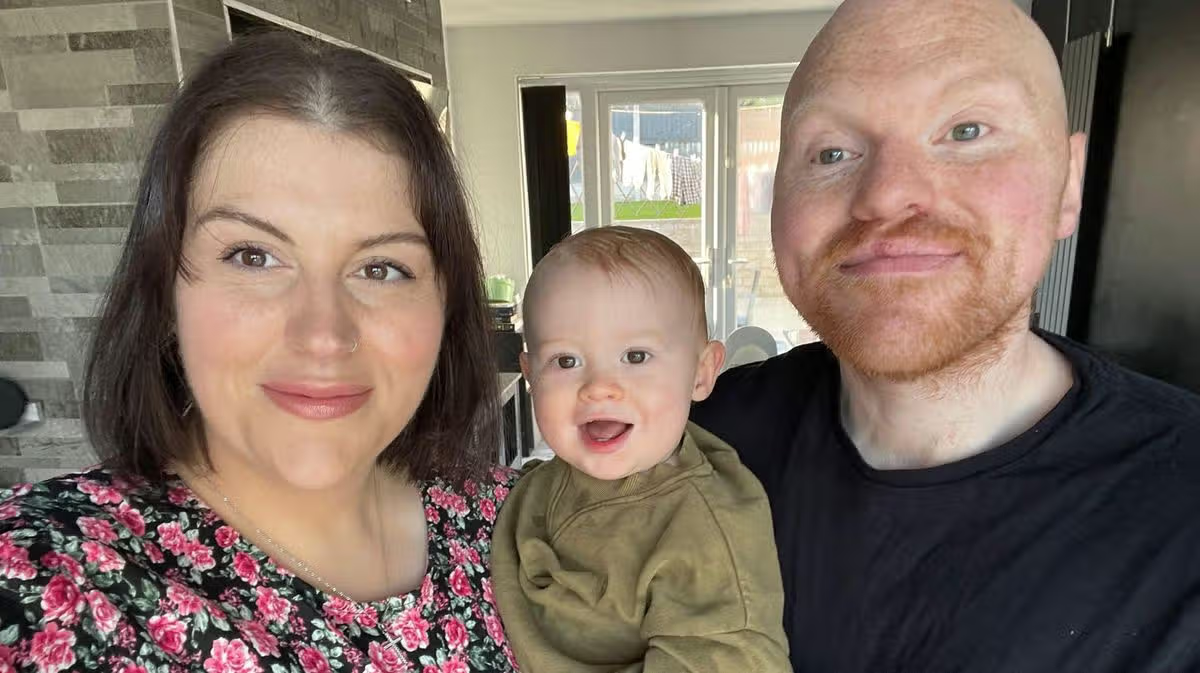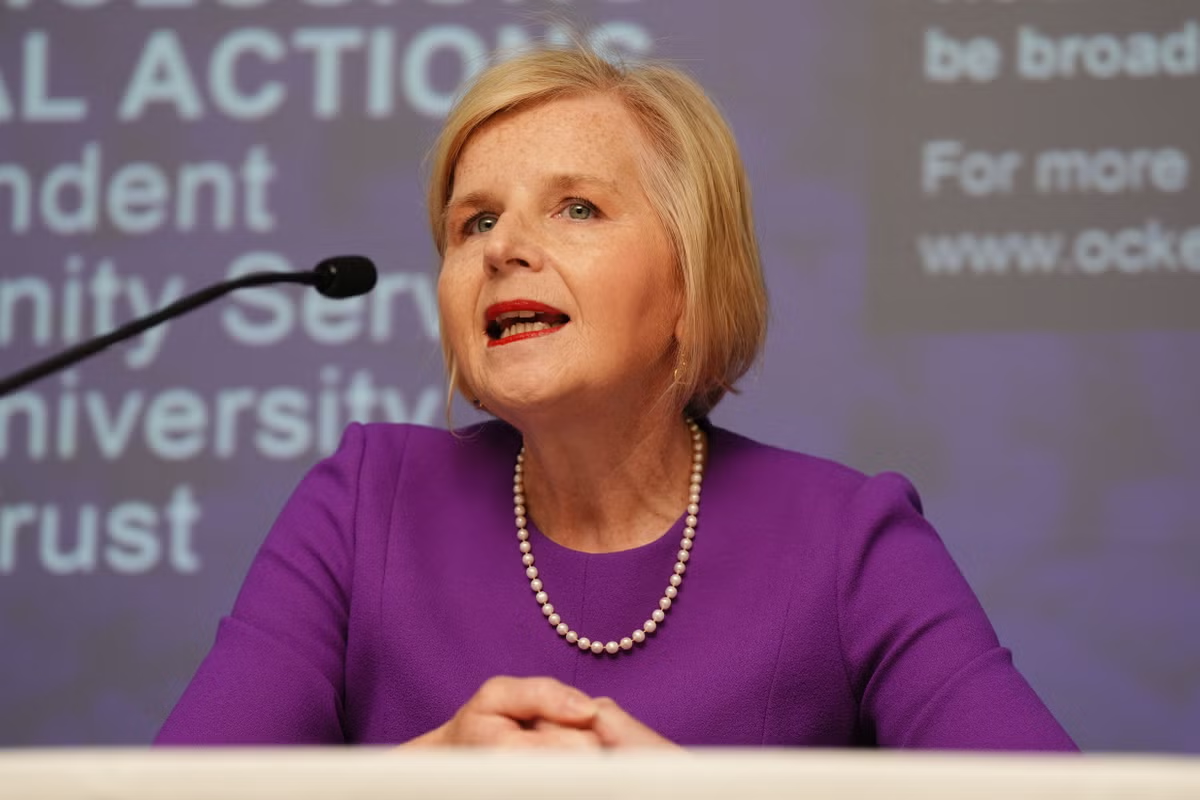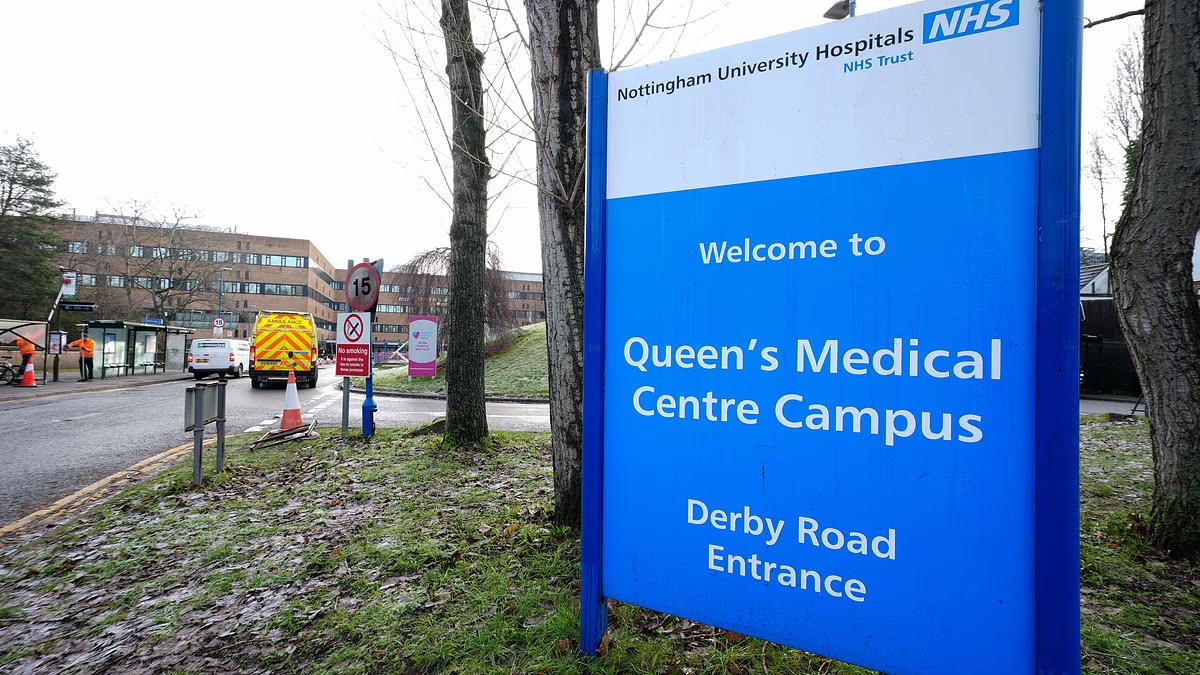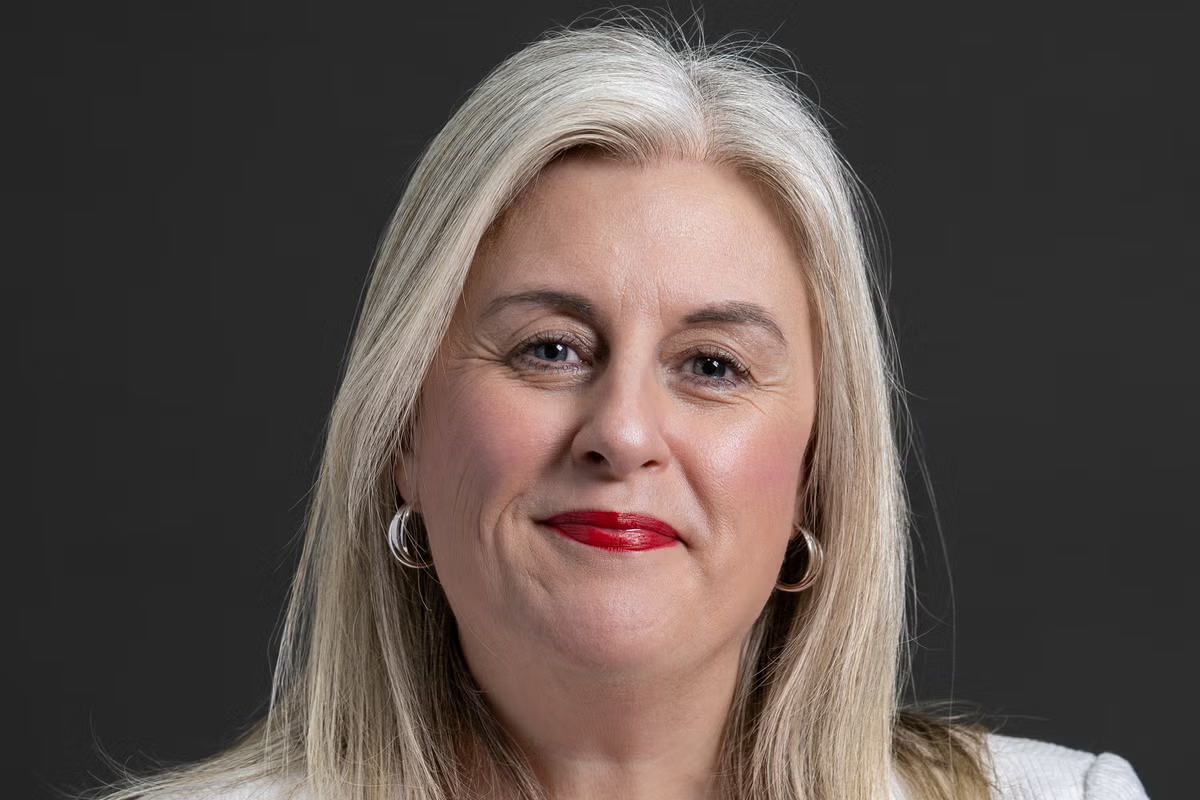
Michelle Welsh is the government’s first maternity adviser – and she’s not happy. “Maternity services have been treated as second-class, as has women’s health in general,” she says. “Giving birth is seen as an everyday occurrence that women should be able to deal with. ‘Sometimes bad things happen,’ that’s what they say, and ‘actually not so many women are losing babies anymore’. It’s that attitude of it’s just women overreacting. ‘It’s women’s pain again’.”Welsh, who is also the Labour MP for Sherwood Forest, thinks this misogynistic narrative is the reason why Britain’s maternity services are in a bad way. In the past seven days, two major reports into the parlous state of wards in Britain have been released: the Ockenden report on maternity care in Nottingham where more than 500 babies and mothers died or suffered serious harm, and the Amos report which found women were not being “listened to, heard or believed” throughout the country, with racism and discrimination “embedded throughout the system”.“I think [the Amos report] has exposed truths about our failing maternity services and actually what needs to happen,” says Welsh. “I am also conscious of the fact that there are some gaps.” Families who lost their babies due to NHS failings do not believe the reports go far enough – they feel let down by consecutive health secretaries, including Wes Streeting, who commissioned the reports but didn’t stick around long enough to oversee their recommendations personally, as he had promised to do. And Welsh relates. “I get why they would feel let down because the system continues to fail and what we need is some consistency within our health department. Somebody that they can keep going back to and someone who can carry these things out.The Ockenden and Amos reports have highlighted inadequate practices on maternity wards in Nottingham and the UK in general (Peter Byrne/PA)“I understand why families feel the way they feel because I feel that I’ve been let down. I feel that I shouldn’t have to keep talking about the most horrendous experience [that happened to me]. I’ve had to come to parliament and keep banging on the doors and keep shouting about it.”Welsh is referring to her own experience when she gave birth to her son Billy in March 2022. Due to complications in her pregnancy, she was scheduled to have a caesarean at Nottingham City Hospital. But when she went into labour early, things went wrong. Firstly, the midwife she called refused to believe she was having contractions. “She told me: ‘You’re a first-time mother. You don’t know what you’re talking about.’ And she said it was with disdain.”By the time Welsh eventually got to the hospital, her son’s heartbeat was flatlining and he was clearly distressed. But the consultant obstetricians coming in didn’t even ask Welsh how she was.“I was telling them there’s something wrong. I was totally, totally ignored and I was given an internal examination with no prior warning with no painkillers and no consent. The pain to this day... It’s nothing like I’ve ever experienced in my life before.”She was told to wait five hours for a C-section. It was only when a senior midwife came in and saw the situation clearly that Welsh was taken for an emergency C-section. She credits that midwife for saving her son’s life: “I don't think Billy would be here today if it wasn’t for her. I'm absolutely convinced of that. And that fills me with horror.”I feel that I shouldn’t have to keep talking about the most horrendous experience [that happened to me]. I’ve had to come to parliament and keep banging on the doors and keep shouting about itMichelle WelshWhen Welsh recounts what happened after her operation, she breaks down in tears. A midwife told her to sleep and that someone would take care of Billy (her partner wasn’t allowed in as this was during lockdown). When Welsh woke up an hour later, she reached out to take a photo of her son and cried out in shock. “He had sick all over him. He was absolutely covered over his face,” she says, wiping away tears. “My first photo of my son made me feel like a failure because I'd gone to sleep; I’d rested, trusting someone would check on Billy.” That experience is why Welsh is so passionate about fighting for better maternity services in the UK. And she knows that she is one of the lucky ones. “I get to go to Billy’s Sports Day. He plays guitar. He loves football. We’ve taught him how to ride a bike. But I’ve spoken to hundreds and hundreds of families that have had these things ripped away from them because of uncompassionate care or maybe an ideology that says that actually you should have a birth in a certain way. “Or because there aren’t enough people working on a ward or women are not listened to, and that's a big thing. So, for me, that’s what drives my determination. Sometimes that means speaking about those uncomfortable truths to organisations that, quite frankly, just don’t want to hear it. But that’s what I’m here to do.”Health secretary James Murray said the first maternity and neonatal commissioner will ‘drive lasting change and make sure women and families are never ignored again’ (PA)Health secretary James Murray has responded to the Amos report by announcing the creation of a maternity commissioner to oversee improvements. But many women watching his underwhelming delivery in the Commons yesterday wonder if anything will really change. “My worry would be that it would be to pay lip service,” admits Welsh. “But if we take it in the context of identifying someone who is truly independent, not afraid to speak up, doesn’t have preconceived ideas, but actually understands what is going wrong and understands that there are cultural issues that need to be broken down within the NHS and that we need a wider scale of regulatory reform. Yes, I think they'll be very, very effective, but I’ll also be very, very public about it if I think that this becomes a role that is about paying lip service.”In her report published last week, Ockenden said women’s consent was not sought during labour and that some interactions from staff were at times “cruel”. Women in labour were told to “pull themselves together” while another submission from a mother recalled how she was told to “wait their turn” as there were “other women they had to sort”.Welsh stresses that so many issues – whether it’s racism or a toxic culture on maternity wards, such as the midwives who discussed what pizza to order while she and other women were left alone after emergency C-sections, and those who wrote “FOH” (f*** off home) on women’s charts – come from the top.“From my own experience, there was contempt and disdain from the top in Nottingham University Hospital’s trust at the time,” she says. “That feeds down and what becomes acceptable is a certain type of behaviour. “Then what happens is people who don't accept that are then bullied. So you either join the gang or you get out, or you are ultimately made miserable and I think that is what has happened.”She hopes that the names of senior leaders who have refused to participate in the Ockenden inquiry will be released. She also believes having a woman at the helm of the health department would help. Why are women being left so long and then it resulting in either a really traumatic birth or really horrific consequences?“What we do need within our health department is a strong woman who is capable of standing up and speaking out about this and isn’t going to take any rubbish – whether that’s a woman health secretary of state or a junior minister. I’m a feminist through and through; I would like to see women at the top of positions such as that, absolutely, because without that voice, it does get missed off.”But right now, the reality looks bleak. Headlines from recent reports show maternal deaths have risen by a fifth in a decade, and two-thirds of England’s maternity units are failing to meet required safety standards. What would Welsh say to pregnant women today who are terrified to give birth in NHS hospitals?“I feel that as a nation we should be embarrassed that I have to say this, quite frankly, but make sure you have an advocate,” she says, adding how important it is for pregnant women to have someone who can stand up for them while they are in labour and make sure their birth preferences are taken seriously. “I’m sorry, I feel ashamed that I have to say that, because every woman should be able to walk into a hospital and think that it’s going to be safe.”Baroness Amos’ report was released this week, spurring the government to announce the new role of maternity commissioner (PA)But that’s not the case. Another issue women face on maternity wards is serious injuries. In England, the rates for third- or fourth-degree tears – which can cause lifelong issues for women – are 70 per cent higher than in Norway, while rates for using forceps are also much higher. Welsh agrees that this is a major problem and that the UK is lagging behind other countries. “I don't think our staffing structure is modern,” she says. “We're not keeping up to date with the modern shifts on how women give birth and how we help them with regard to that.” She’s also been shocked to discover how many women are left to spend days in labour before being offered emergency caesareans. “Why are women being left so long, and then it results in either a really traumatic birth or really horrific consequences? Were they left because they thought it was better that a woman have a vaginal birth, or that they didn't have enough capacity to do a C-section? I think we need to really delve into that.”She points out problems with the postcode lottery, the ingrained racism where women of colour are left alone due to misguided beliefs that they can tolerate more pain, and the fact that birth trauma – something she also suffered from – has become normalised. In 2024, the UK’s first inquiry into birth trauma found that women had been ignored and left with permanent damage by midwives and doctors, while many were left with post-traumatic stress disorder. “There’s a sense that you should be lucky because you’ve left the hospital with your baby as well,” says Welsh. She believes simple actions can be done to prevent trauma: “First of all, continuity of care, so that actually within that team around you, you are seeing someone consistently throughout your pregnancy. Secondly, that every woman gets a debrief after their pregnancy.”She knows about trauma firsthand. When she was at home after giving birth to Billy, she was traumatised, but when she asked a midwife for help, she was told she was no longer under their care. I think because that doesn’t exist and women are again just expected to get on with it – people breastfeed every day, women give birth every day – that laissez-faire kind of approach towards giving birth actually leaves women traumatised“I think there should be care afterwards and it should be seen as one, so birthing support doesn’t end the moment you give birth,” explains Welsh. “I think because that doesn’t exist and women are again just expected to get on with it – people breastfeed every day, women give birth every day – that laissez-faire kind of approach towards giving birth actually leaves women traumatised.”Welsh hopes that the government takes rapid action in changing things around, implementing necessary recommendations and not ignoring uncomfortable truths – like the Amos report declaring “normal birth ideology” is not an issue on maternity wards.“I've not had a chance to speak to Baroness Amos about this, but what I will say is that normal birth ideology is an issue,” she says, also referencing controversial studies declaring pain is a rite of passage in childbirth and that more women should have vaginal births. “I do have a problem when a man is telling a woman that she doesn’t need pain relief for a level of pain they have never ever actually experienced.”Her hope is that a robust independent commissioner would stand up to claims like this and ensure wider systemic change. But she has no idea where that would leave her. “I wonder if a commissioner came into place then my position would cease to be because they ultimately have a commissioner and they wouldn't necessarily need that advice because they'd have their own team around them.“All I know is whatever my title, wherever I am and whatever I'm doing, I won't stop speaking out about this and making sure that families are heard. And while I'm in this position of a maternity advisor, as long as I think I can do good for people, then I will keep doing it for as long as people want me to.”
Maternity adviser admits: Women who rely on midwives aren’t safe giving birth in UK
As two shocking reviews expose widespread failings in NHS maternity care, the government’s first maternity adviser, Michelle Welsh – whose son almost died during birth – tells Radhika Sanghani why women are still being treated with disdain in wards and how it’s putting lives at risk
2,176 words~10 min read