(Image credit: Dan Bracaglia/Tom's Guide)
I must admit, as a wearable tech writer, I predicted that Fitbit would die under Google, which acquired the brand in 2021. I was wrong.So, when the opportunity arose to sit down and chat with Jonah Becker — design director for wearables at Google — about the recently debuted Fitbit Air, I was a tad embarrassed. Fortunately, Jonah didn’t take my doomsday predictions personally, which is a relief given he’s been working on Fitbit products for over a decade.Jonah started at Fitbit in 2016 and moved over to Google during the 2021 acquisition. He currently leads the industrial design teams behind the Pixel Watch, Pixel Buds, and, of course, Fitbit.Our chat touched on the inspiration and design process behind the Fitbit Air (i.e., one of the best fitness trackers in 2026), the reason it doesn’t have onboard GPS, and the possibility of other Google-built screen-free wearables. I also got his candid thoughts on the outcome of the Google x Fitbit acquisition, five years on.Inspired by his children's friendship bracelets
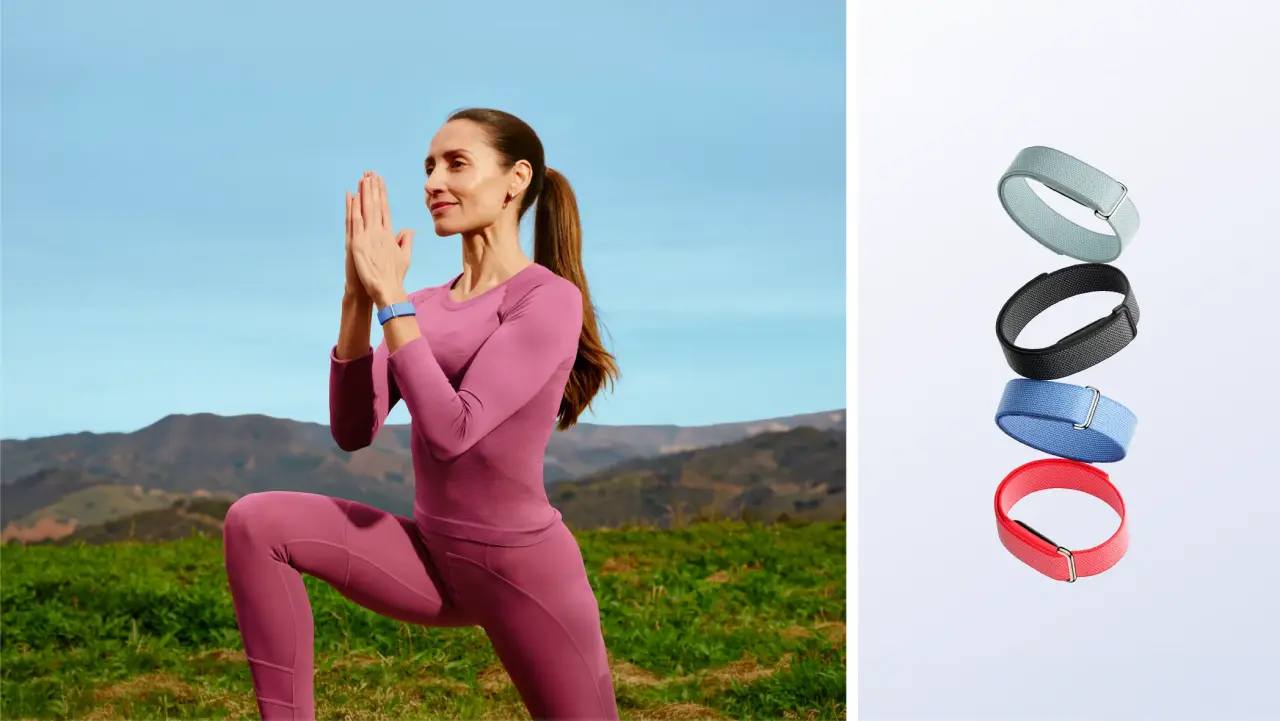
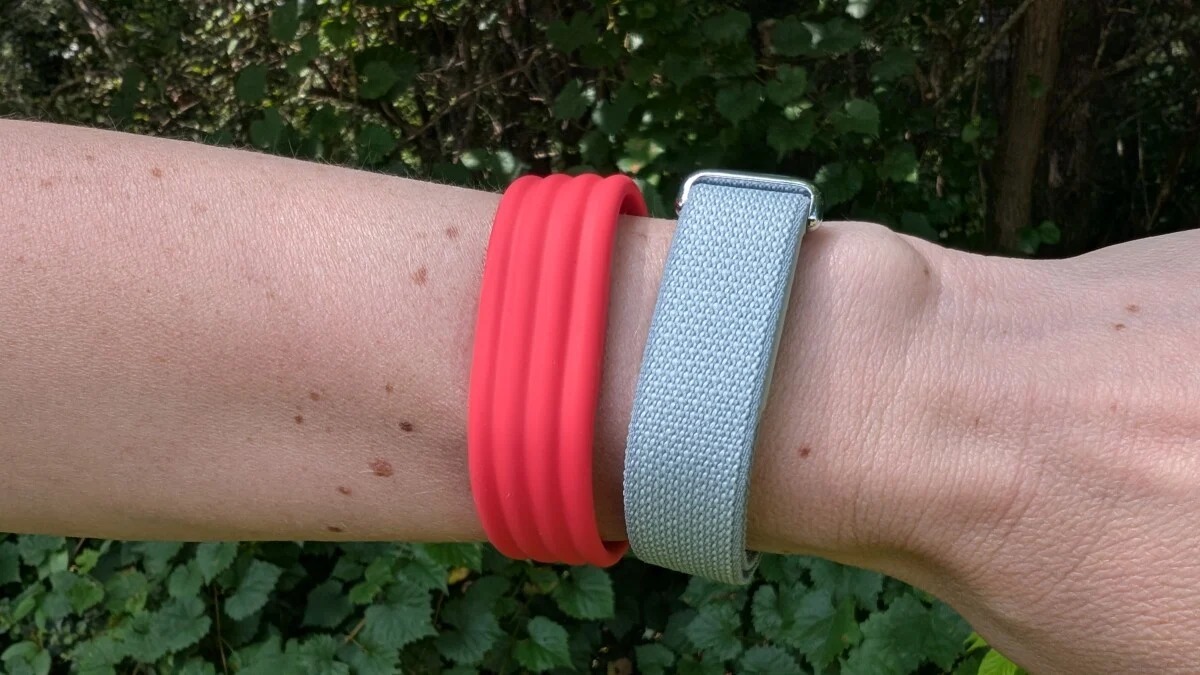
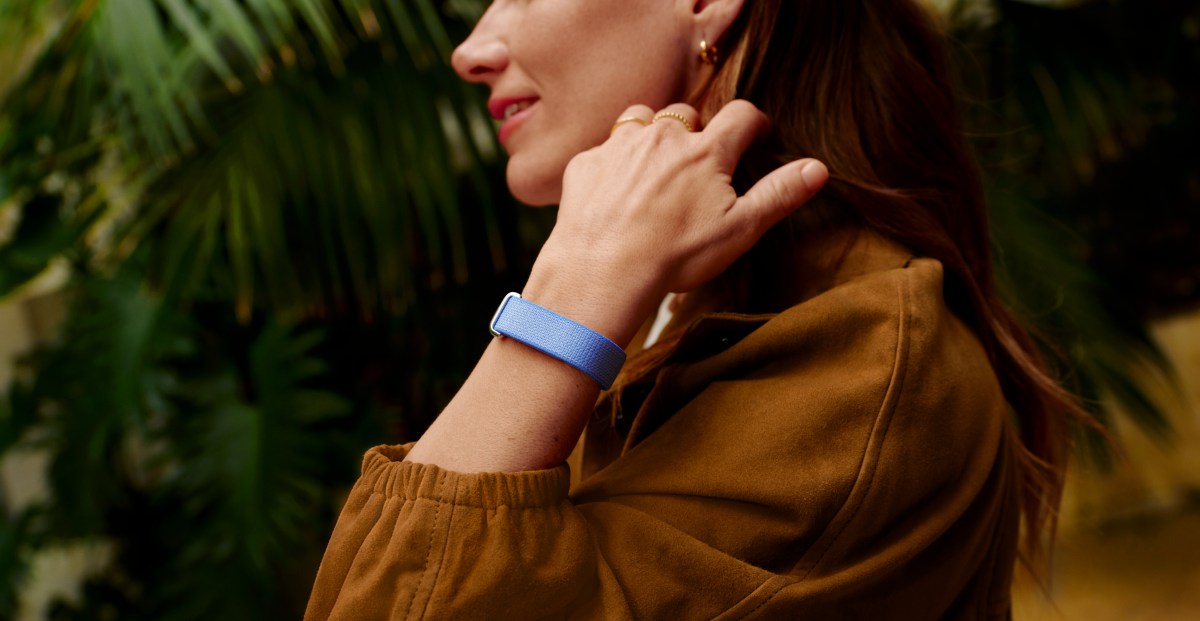
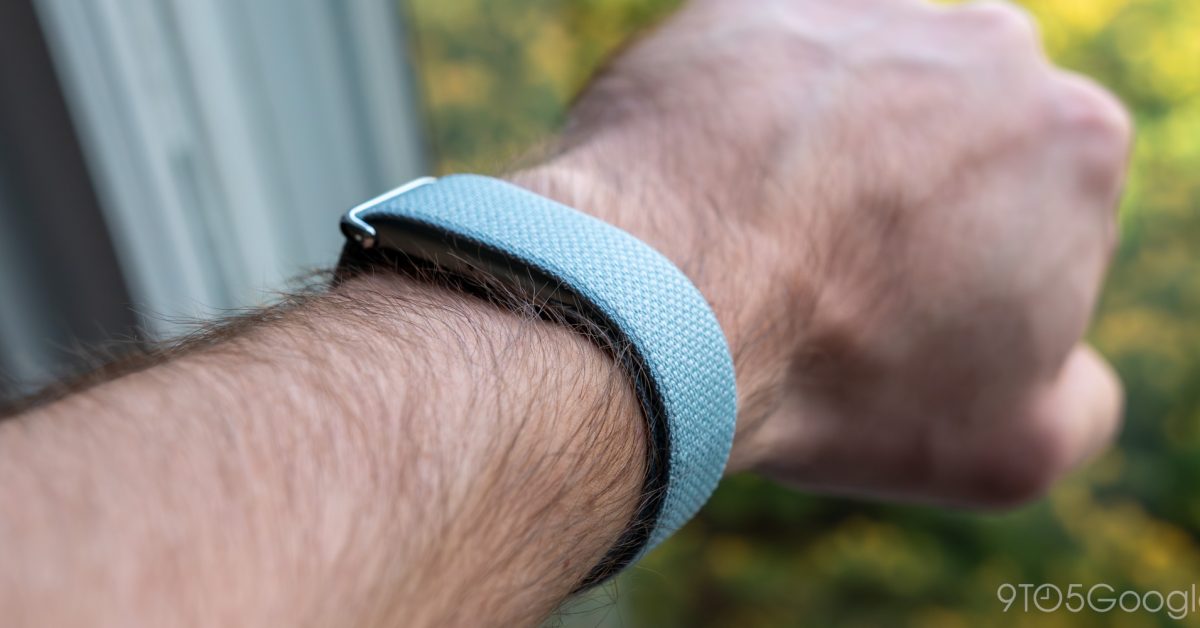
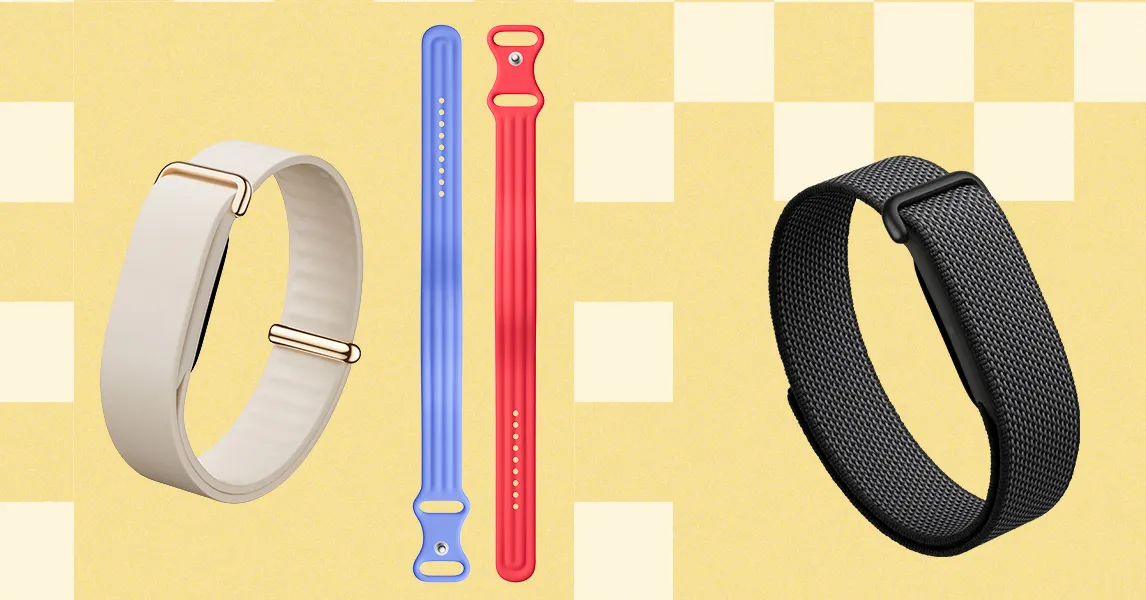
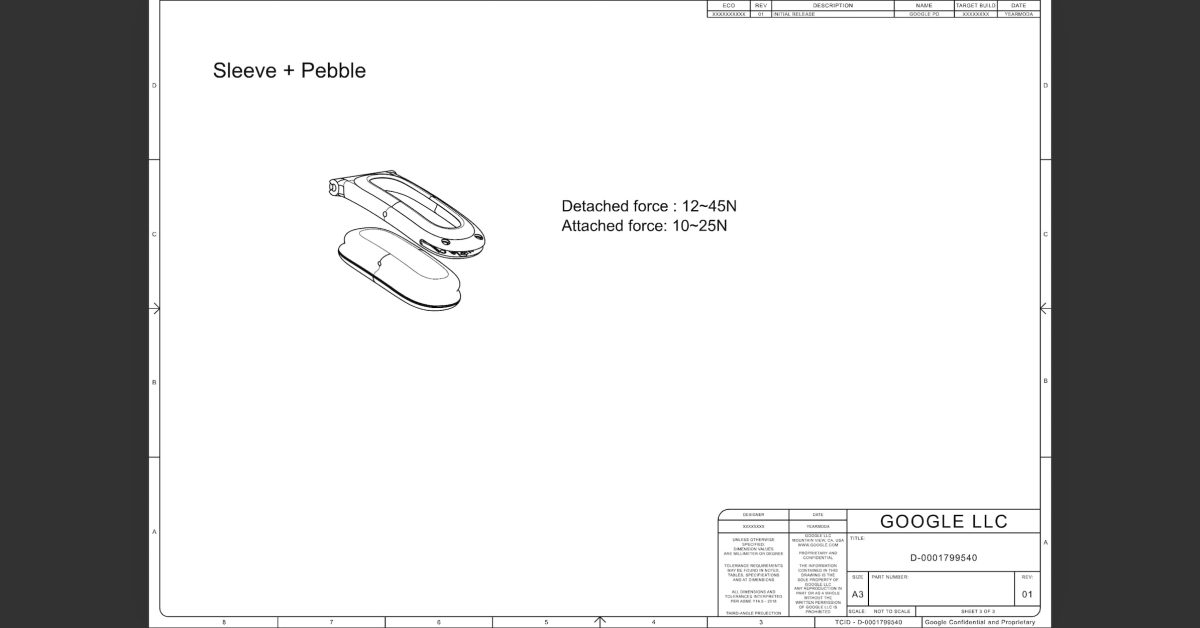
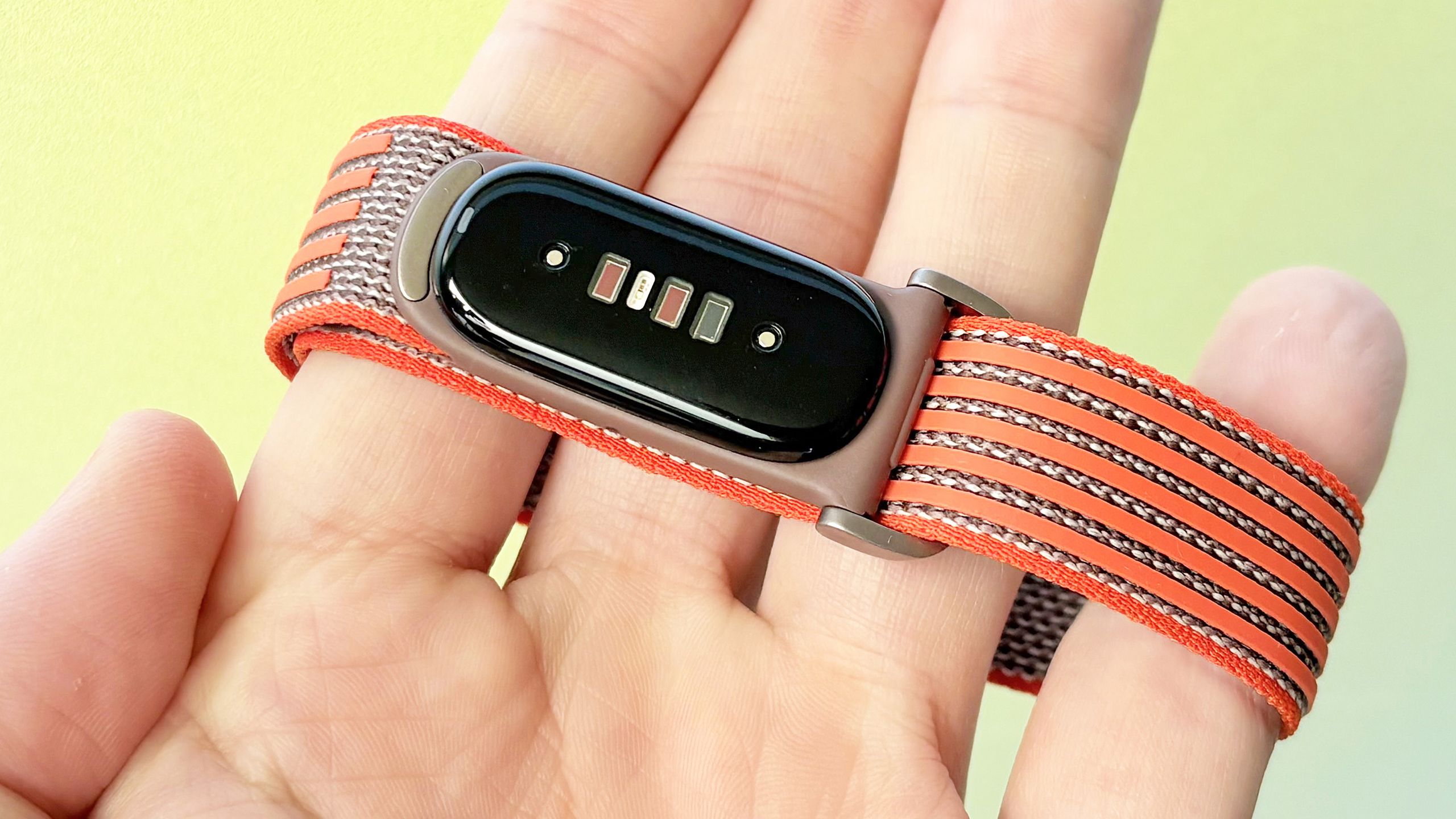
(Image credit: Dan Bracaglia/Tom's Guide)"The inspiration we had from the start was the friendship bracelet."The Fitbit Air is a $99 screen- and button-free fitness tracker that doesn’t require a subscription and works with both Android and iOS devices. Incredibly lightweight and comfortable, it barely even looks like a piece of wearable tech, and that’s the point.“The inspiration we had from the start was the friendship bracelet — the idea that you have this thing that is super lightweight, comfortable — it's not a typical fitness watch or fitness tracker,” says Becker. It’s “something that has a more casual, all-hours-in-the-day vibe. I would see my kids at summer camp; they'd put on a friendship bracelet and wear it for months on end until basically the threads went bare and they fell off.”The beauty of the Fitbit Air is that all of the tracking technology is condensed into a small, bean-like object that can easily be popped in and out of bands for maximum customization. Google even released a hardware development kit allowing DIYers to design and 3D-print their own bands for the Air.Get instant access to breaking news, the hottest reviews, great deals and helpful tips.“There are a lot of creative people in the world who have unique situations, and the idea that it becomes something that people can have fun with," says Becker on the subject of creating your own straps for the Air. "You know, as long as it's working in a way that it's supporting their health, that's what's most important.”A Whoop alternative for you and me