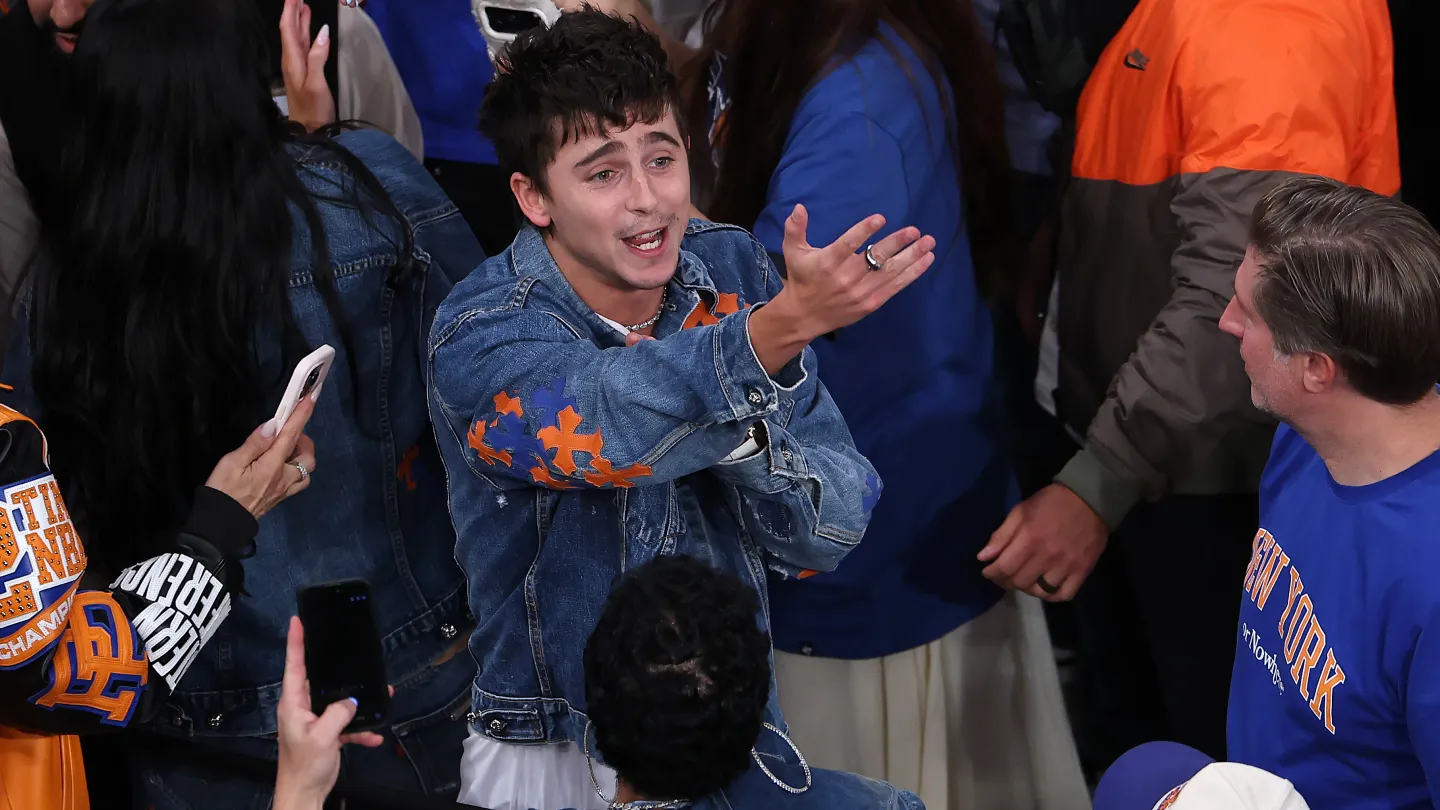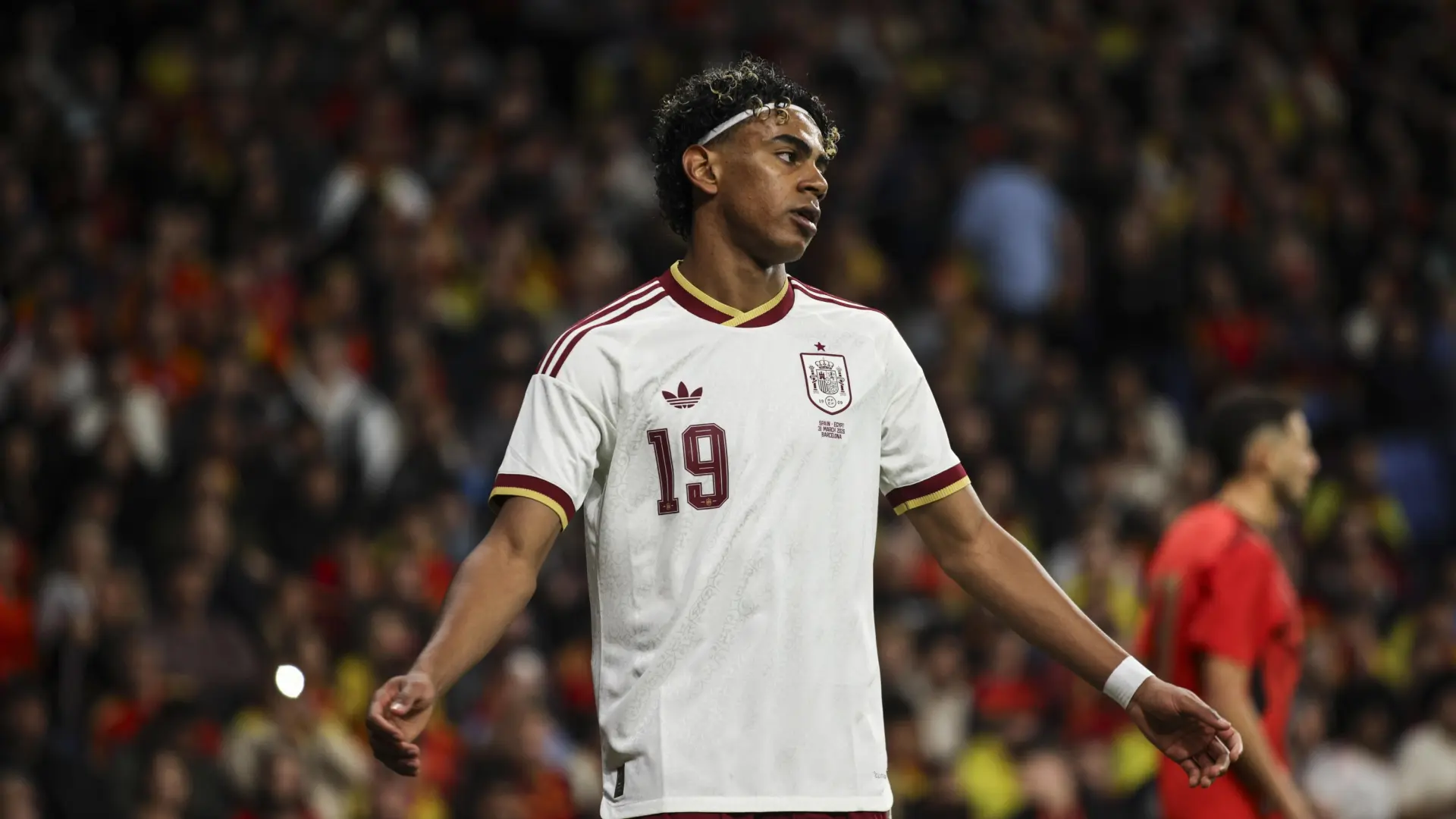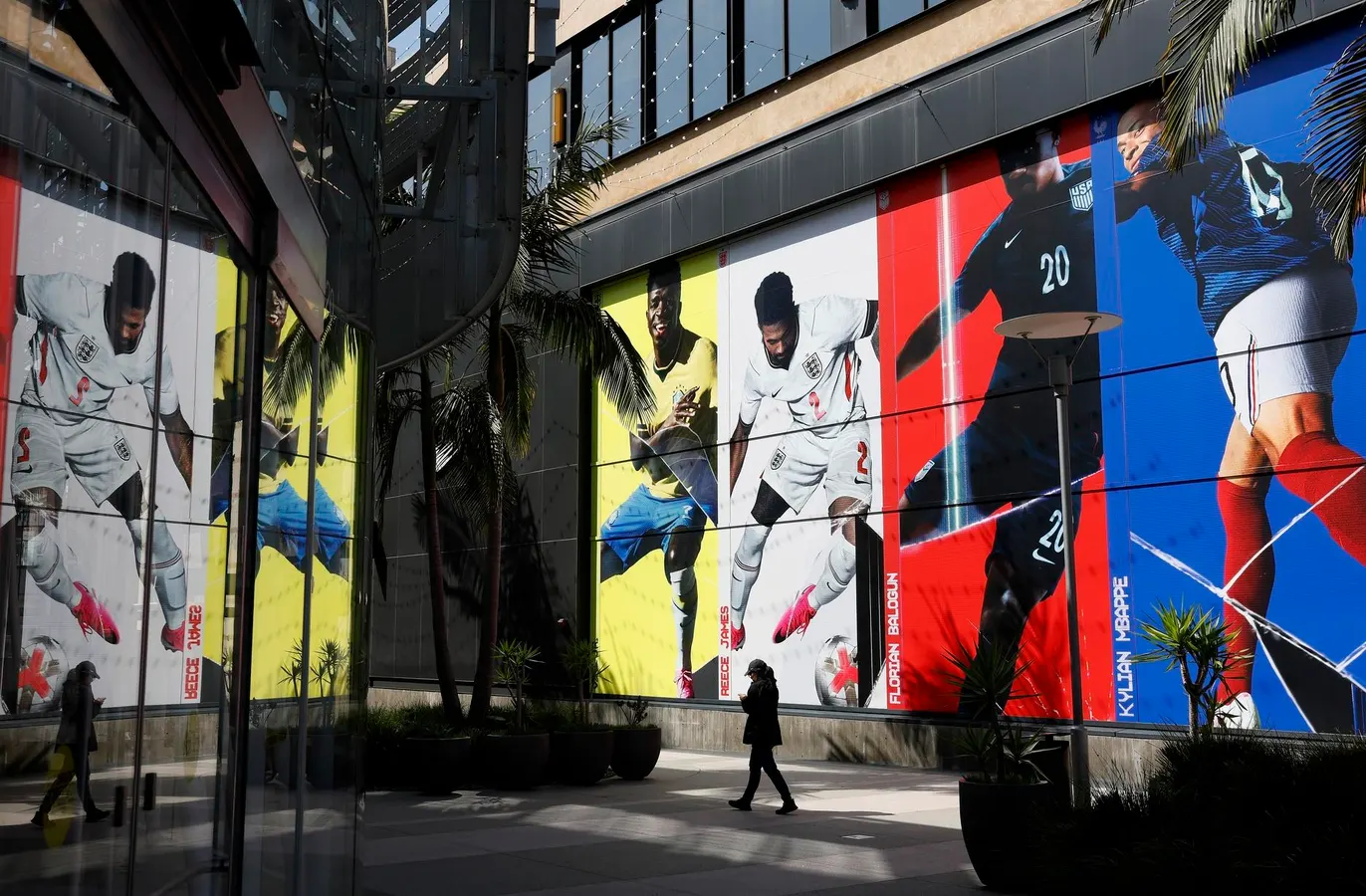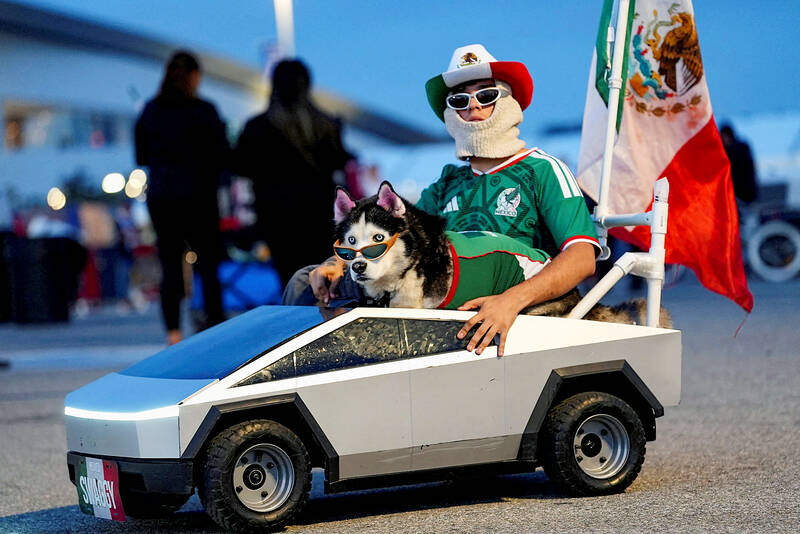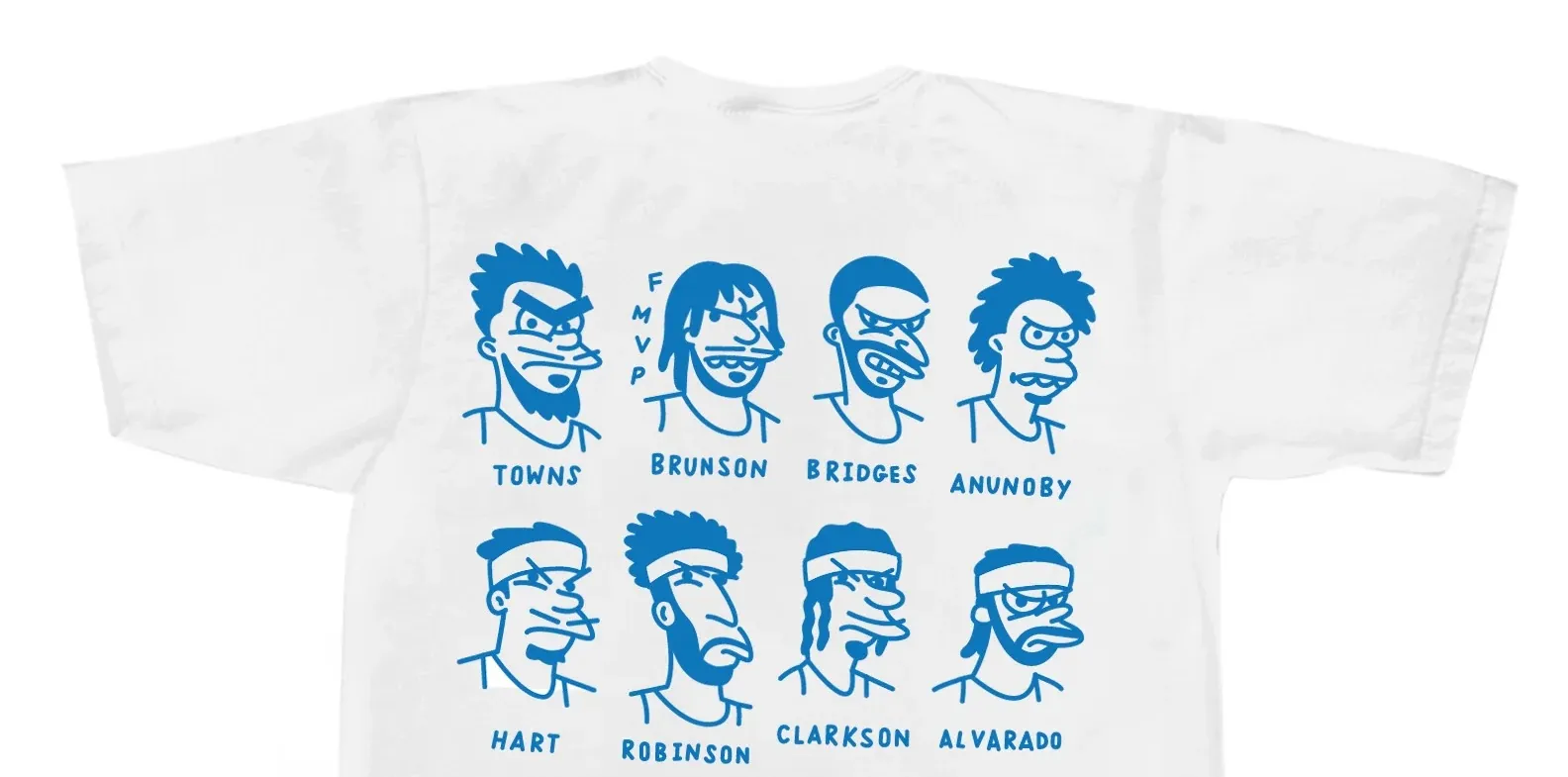
This week, we’re taking a look at the world of bootleg sports merchandise, including its rise during the NBA Finals and World Cup, its negative effects on fashion and the lessons brands should take from the bootleg demand.If you want an authentic New York Knicks jersey, your best bet is to buy one from the official NBA store or at Madison Square Garden. But if you want a T-shirt of Bart Simpson celebrating the team’s NBA Championship win or a cartoon depiction of Knicks star Jalen Brunson dunking over an alien, you have to look deeper.
The NBA Championship and the World Cup have brought out a wide variety of homemade, bootleg and unlicensed sports merchandise. Official merchandise prices have been increasing, so much so that Fanatics, a major supplier of that merchandise, has been accused of colluding with leagues to drive up prices.
A good bootleg Knicks T-shirt can be found for $20 or less, while a T-shirt from the official Knicks store is $60. Compared to officially licensed products, bootleg merchandise is more accessible and often has more aesthetic variety, putting pressure on licensed apparel merchants to step up their game to compete.
“The popularity of bootleg merchandise often reveals something the licensed market is missing, whether that is a lower price, a faster response to a cultural moment or a design that feels less corporate,” said Eric Turney, owner and sales and marketing director at licensing company The Monterey Company.