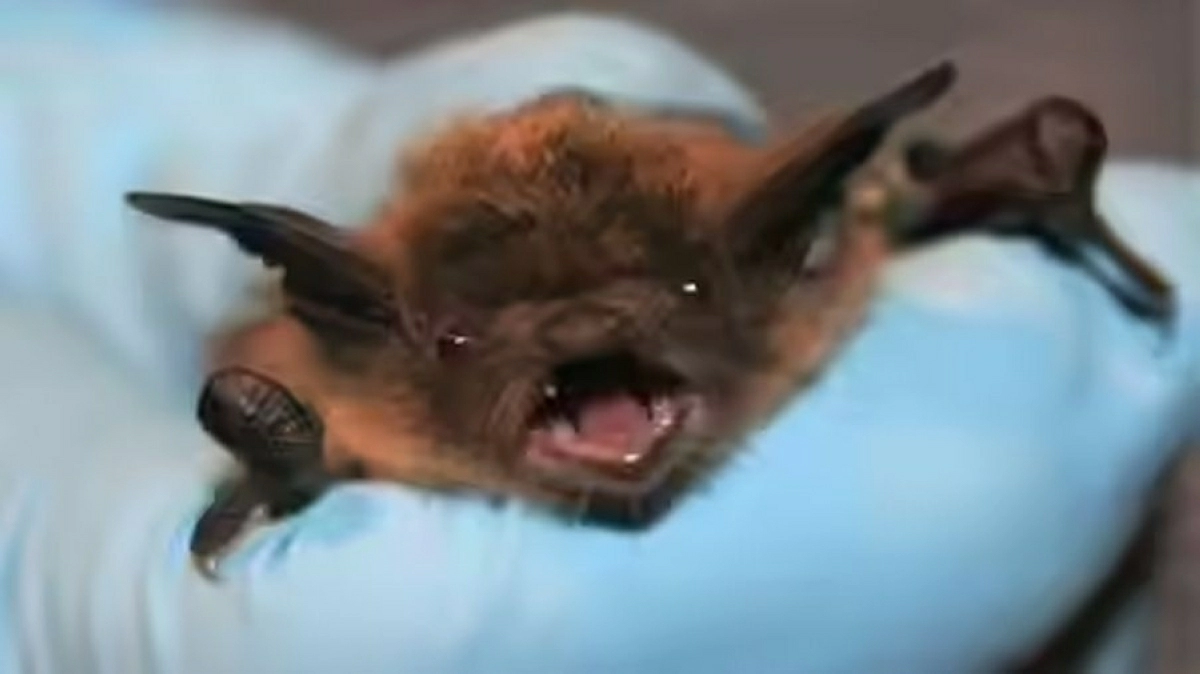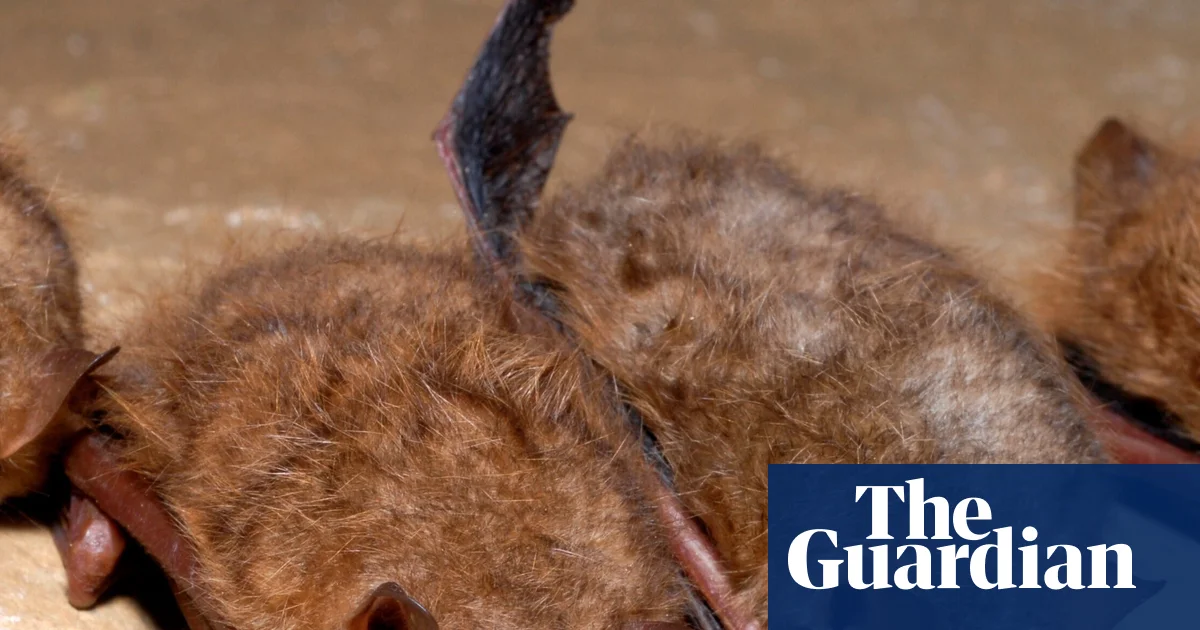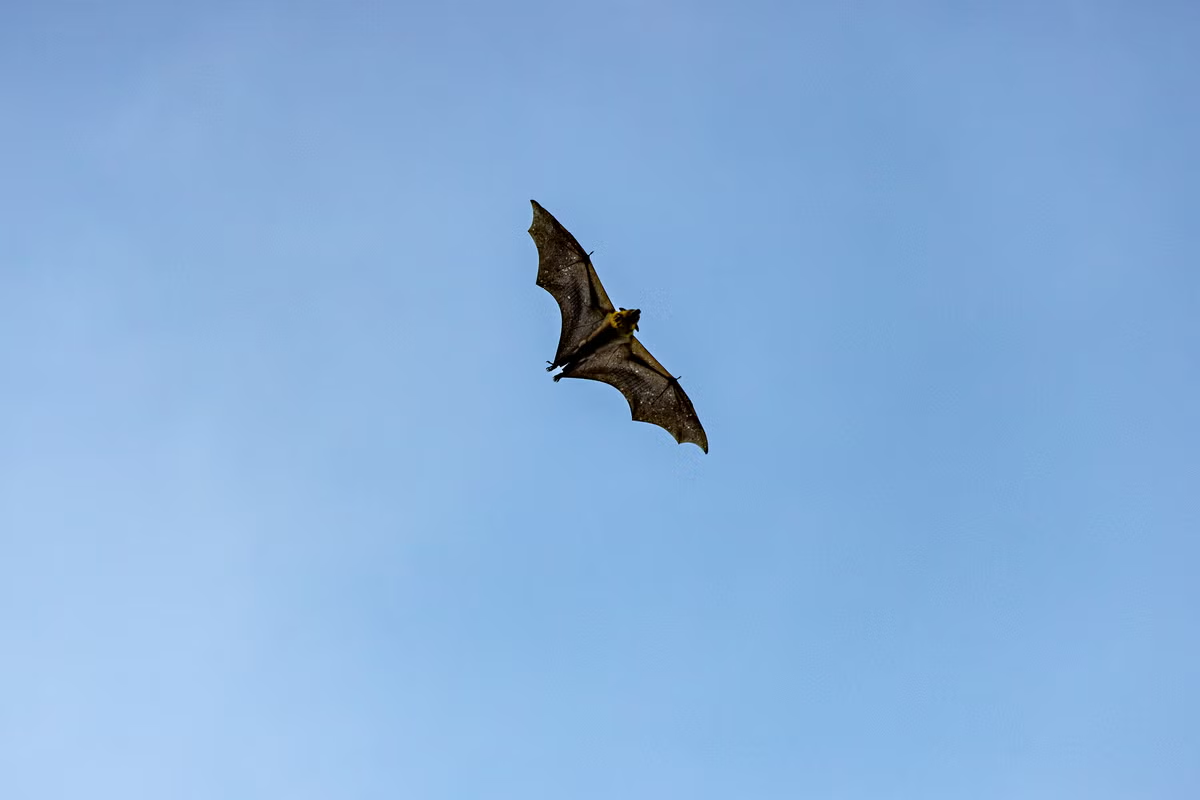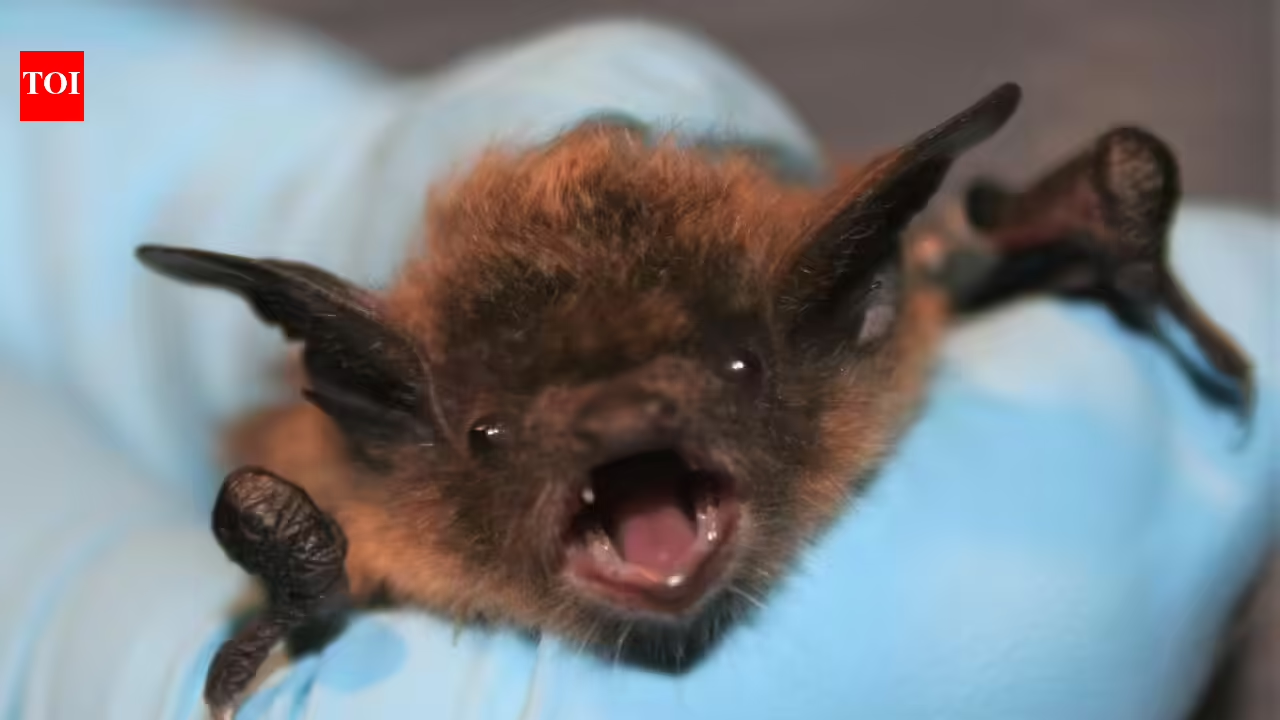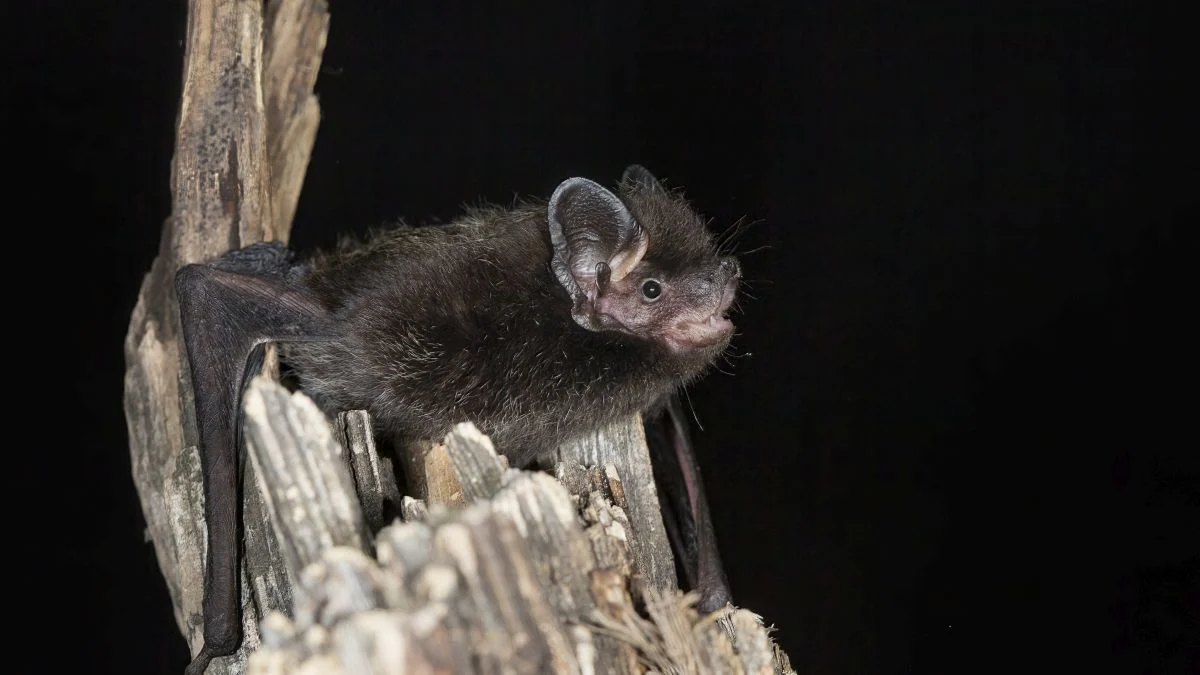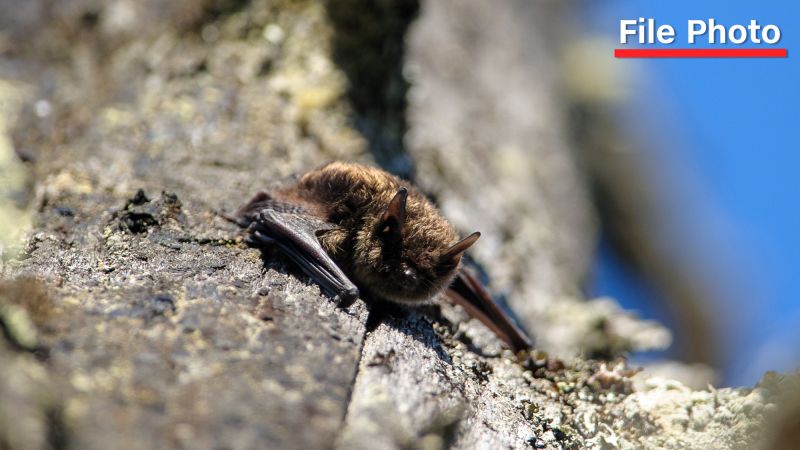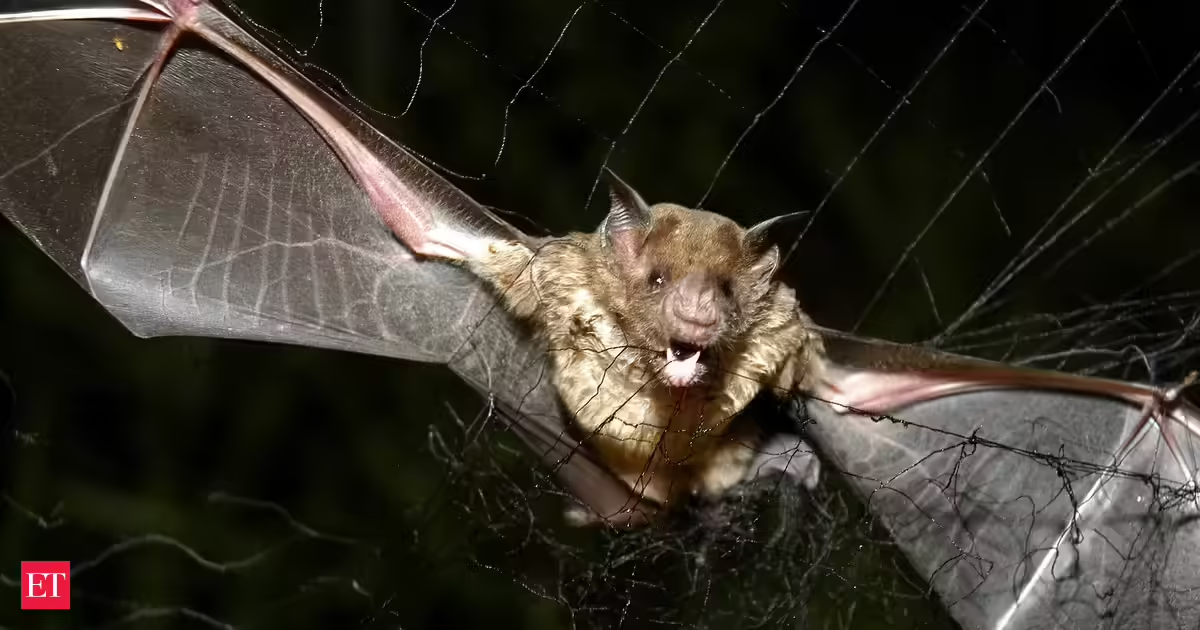
SynopsisA tragic case in Ontario highlights the deadly risks of bat encounters. An 11-year-old boy died of rabies after a bat landed on his face, despite no visible bite. His initial symptoms were misdiagnosed, delaying crucial treatment. This incident, the first local human rabies case in Ontario since 1967, underscores the critical need for immediate medical attention.APA vampire bat is caught in a net (Image for representation)An 11-year-old Canadian boy died of rabies after waking up with a bat resting on his nose and mouth while staying at a cottage in northern Ontario, according to a medical case report published on Monday, June 29 in the Canadian Medical Association Journal (CMAJ).The incident occurred during the summer of 2024, but physicians have now detailed the case to highlight the dangers of even seemingly harmless contact with bats and to stress the importance of immediate rabies post-exposure treatment.According to the report, the boy woke to find a bat on his face. He swatted it away, and his father caught the bat in a cooking pot before releasing it outside. The child had no visible bite marks, scratches, or facial injuries, and because the bat did not appear to be behaving unusually, the family did not seek medical attention.Nineteen days later, the boy developed tingling and numbness on the right side of his face along with vomiting. When he first visited an emergency department, doctors found him clinically stable apart from a rapid heart rate. He also had mild sensory loss affecting the right side of his face and ulcers on his gums. Based on his symptoms, he was discharged with a presumed diagnosis of herpes gingivostomatitis.However, after learning about the recent bat exposure, the emergency physician notified the local public health authority to consider rabies post-exposure prophylaxis.The following morning, the child's condition worsened dramatically. He returned to the hospital with right-sided facial weakness, reduced sensation, and slurred speech. Initially treated for severe herpes gingivostomatitis with Bell palsy, he soon developed a high fever, difficulty swallowing, confusion, and visual hallucinations while awaiting admission.As his neurological condition deteriorated rapidly, he developed multiple cranial nerve deficits, bulbar palsy, and excessive salivation. He was intubated and transferred to the pediatric intensive care unit.Given his history of bat exposure and the pattern of neurological symptoms, infectious disease specialists strongly suspected rabies. Laboratory testing of saliva later confirmed the diagnosis on the fourth day of his hospital stay. Further analysis identified the virus as a bat rabies variant.Doctors also evaluated several experimental treatment options, including intraventricular rabies immune globulin and an investigational gene therapy, but neither was pursued because of limited evidence of effectiveness, availability concerns, and the child's rapidly worsening condition.Despite intensive care, his illness progressed with autonomic dysfunction, ventilator-associated pneumonia, and severe neurological decline. By the fifth day of admission, he had lost all brainstem reflexes. After discussions with his family, life-sustaining treatment was withdrawn on the 17th day of hospitalization, and he died peacefully with his family at his bedside.The report identifies the case as Ontario's first locally acquired human rabies infection since 1967. Rabies remains extremely rare in Canada, with only 28 human cases reported since 1924, including 12 in Quebec.According to the US Centers for Disease Control and Prevention (CDC), fewer than 10 people die from rabies each year in the United States, although the agency says the disease "poses a serious public health threat" because it is present in wildlife across the country except Hawaii.Globally, the World Health Organization estimates that rabies causes tens of thousands of deaths every year across more than 150 countries, primarily in Africa and Asia. Children under the age of 15 account for around 40% of all rabies deaths. While dogs are responsible for 99% of human rabies infections worldwide, bats are the leading source of human rabies cases in the Americas, where dog-transmitted rabies has largely been controlled.Read More News on
11-year-old Canadian boy died of rabies after waking up with a bat on his face despite having no visible bite marks
A tragic case in Ontario highlights the deadly risks of bat encounters. An 11-year-old boy died of rabies after a bat landed on his face, despite no visible bite. His initial symptoms were misdiagnosed, delaying crucial treatment. This incident, the first local human rabies case in Ontario since 1967, underscores the critical need for immediate medical attention.
645 words~3 min read