Show Caption
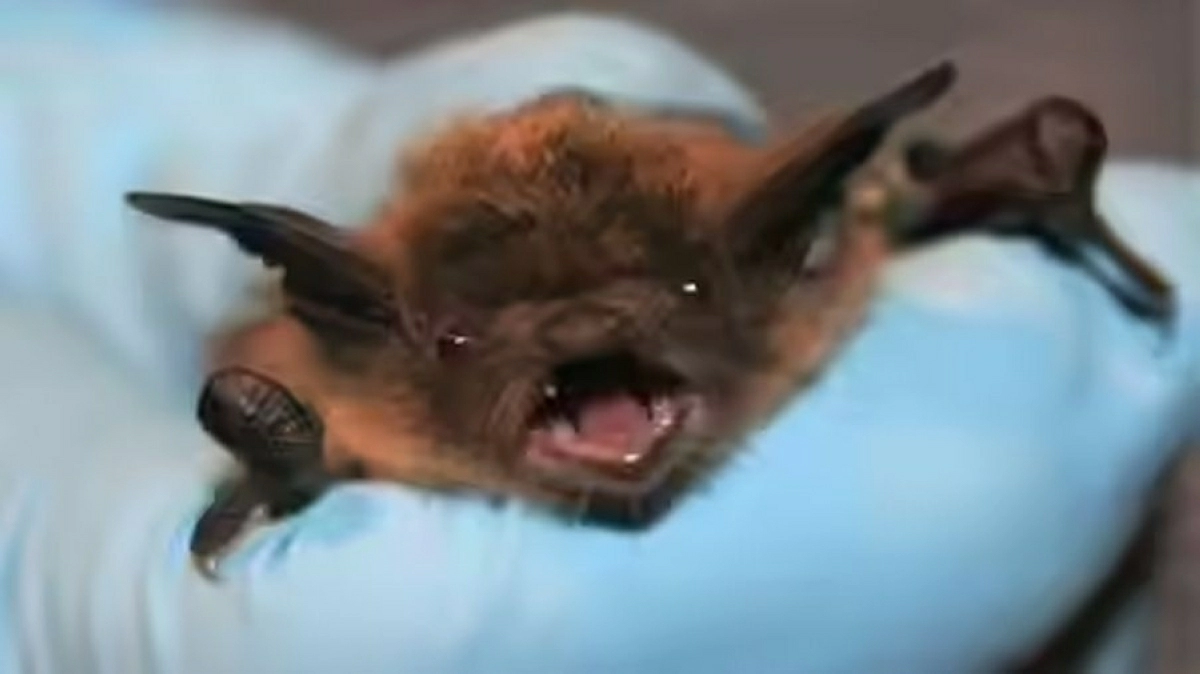
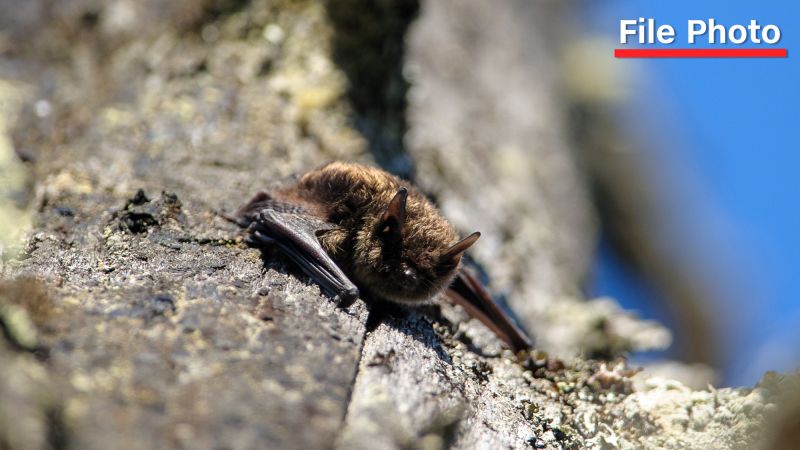
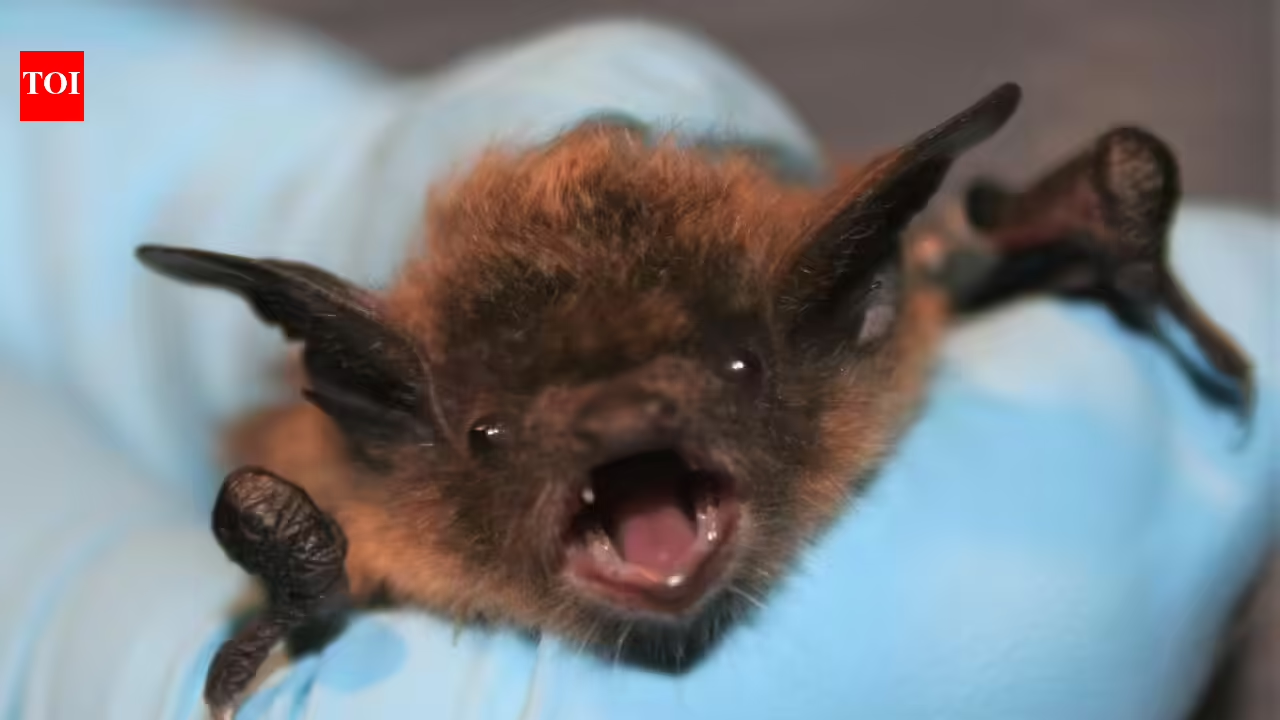
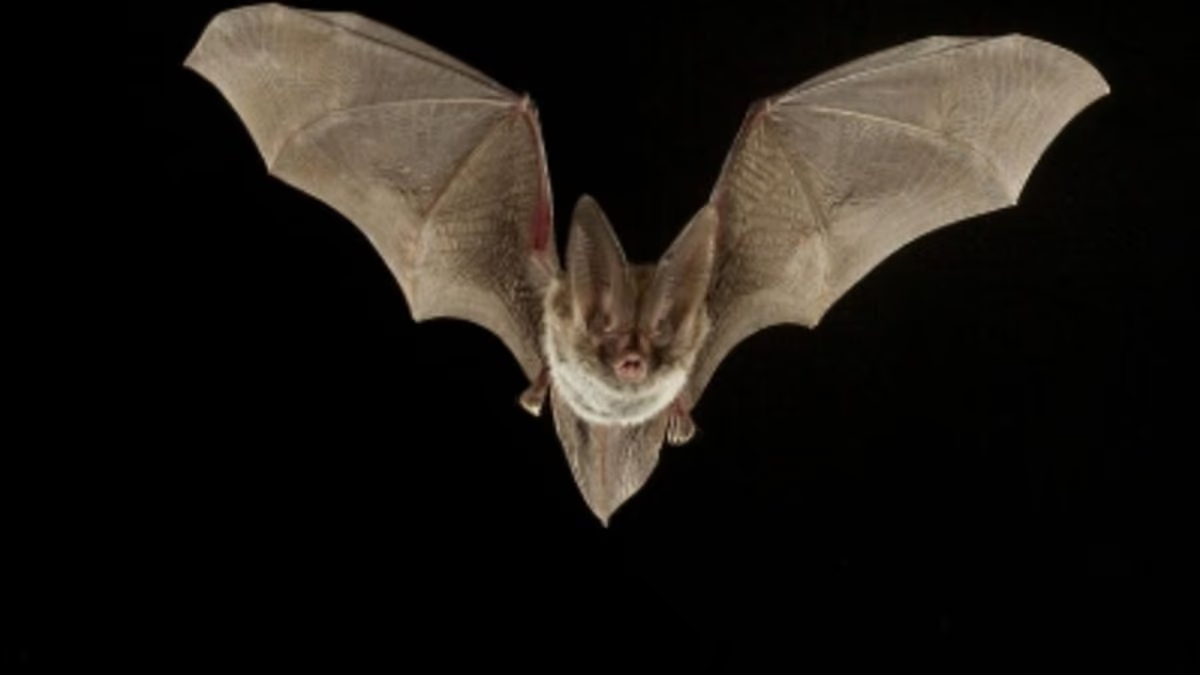
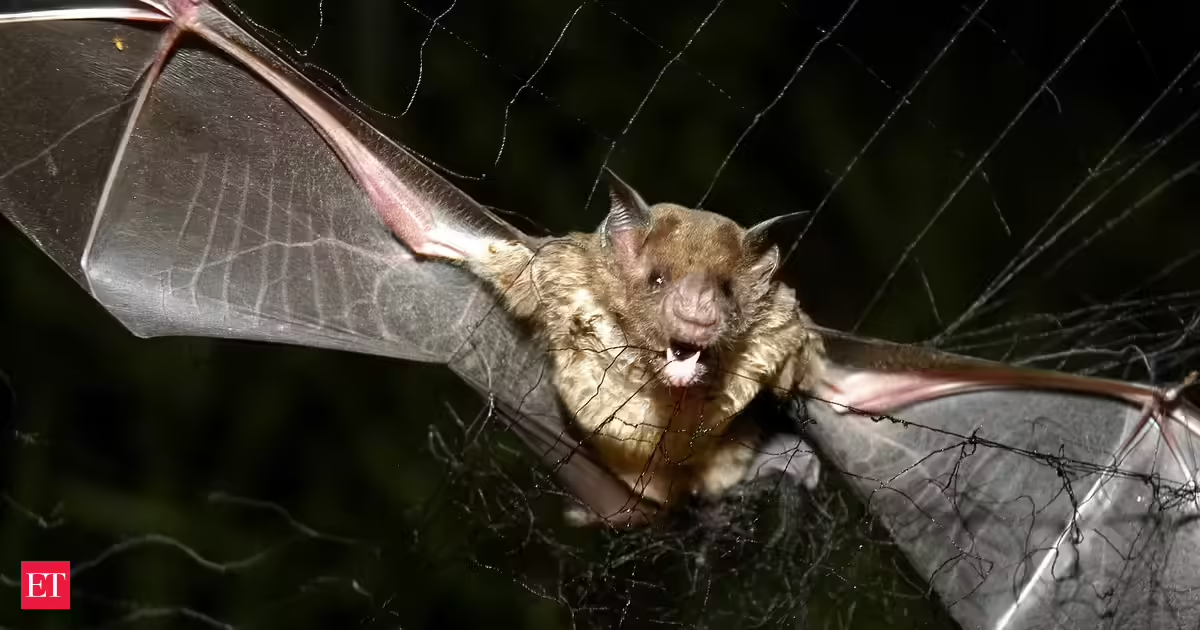
Roughly two weeks after an 11-year-old boy in Canada woke up to find a bat resting on his face, he died from rabies, according to a newly published medical case report.The unidentified boy was staying with family at a cottage in northern Ontario during the summer of 2024 when he awoke to discover a bat lying across his nose and mouth, according to the report published June 29 in the Canadian Medical Association Journal. He swatted the bat away, and his father captured it before releasing it outside.Because the child had no visible bite marks or scratches and appeared to be unharmed, his family did not seek medical care. About 19 days later, however, he developed facial numbness and persistent vomiting before his condition rapidly worsened.Doctors ultimately diagnosed rabies, the first locally acquired human case reported in Ontario since 1967, according to the report. Despite aggressive treatment, the boy died after more than two weeks in the hospital.Doctors say rabies can be mistaken for other illnessesAccording to the report, the boy first developed progressive facial numbness and tingling on the right side of his face, followed by loss of appetite, painful swallowing and vomiting. He was initially evaluated at an urgent care clinic, where he was treated for suspected Bell's palsy caused by the herpes simplex virus.When his symptoms worsened, he was taken to an emergency department, where he later developed fever, confusion and hallucinations. Doctors suspected rabies after learning the boy had direct contact with a bat weeks earlier. Testing of saliva later confirmed infection with a bat rabies virus variant. Despite intensive supportive care, his neurological condition continued to deteriorate, and he died 17 days after being admitted to the hospital.The report's authors said the case highlights the importance of seeking immediate medical evaluation after any direct contact with a bat, even if there is no visible bite or scratch. Once rabies symptoms appear, the disease is almost always fatal. However, treatment given soon after exposure can prevent the infection from developing.Wisconsin girl began rabies treatment after bat biteThe report comes as public health officials continue to warn about rabies risks following a recent case in Wisconsin, where a 6-year-old girl received preventive treatment after a bat bite.Cecelia Kale was climbing a tree in her front yard in Tigerton on June 23 when a bat latched onto her leg, according to her family. The bat was captured and later tested positive for rabies, allowing doctors to begin the girl's post-exposure vaccination series quickly.Local health officials said the case serves as another reminder to avoid contact with bats and other wild animals and to seek medical care after any possible exposure."Educate children. We think a lot of animals are really cute, and they are, but just be mindful of approaching any wild animal," Nick Mau, health officer with the Shawano-Menominee Counties Health Department, said. "Safety first. Just assume that any animal is going to carry disease, and rabies is one of them. We can respect and watch wild animals from a distance."What is rabies?Rabies is a viral disease that attacks the central nervous system and is almost always fatal once symptoms begin, according to the Centers for Disease Control and Prevention.The virus spreads through the saliva or nervous system tissue of infected mammals, usually through bites. In North America, bats account for most human rabies infections.Human rabies cases remain rare. The Canadian report says only 28 human cases have been reported in Canada since 1924, while the CDC reports fewer than 10 people die from rabies each year in the United States.Reporter Anthony Thompson can be reached at ajthompson@usatodayco.com, or on X @athompsonUSAT