‘The science is here’: UN chief welcomes first global AI assessment
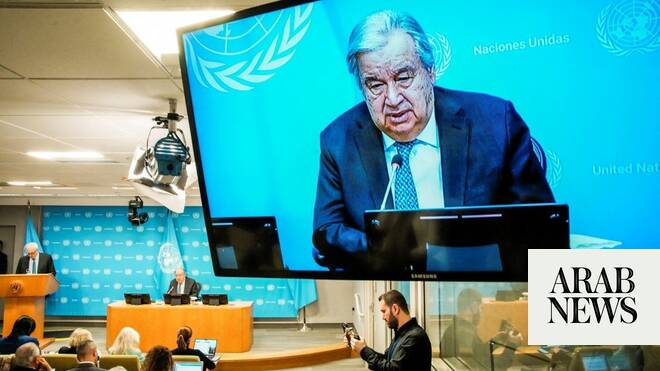
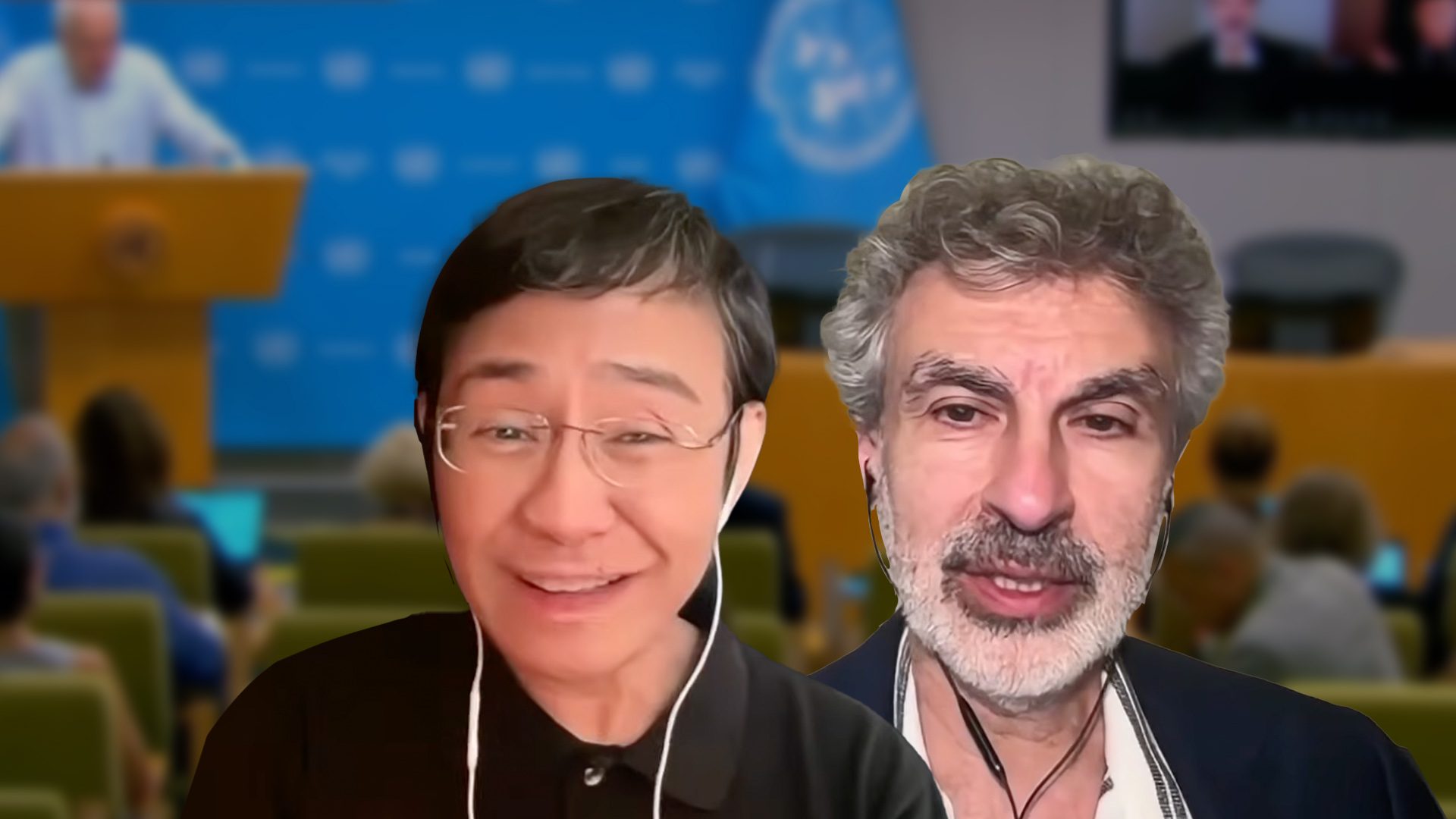
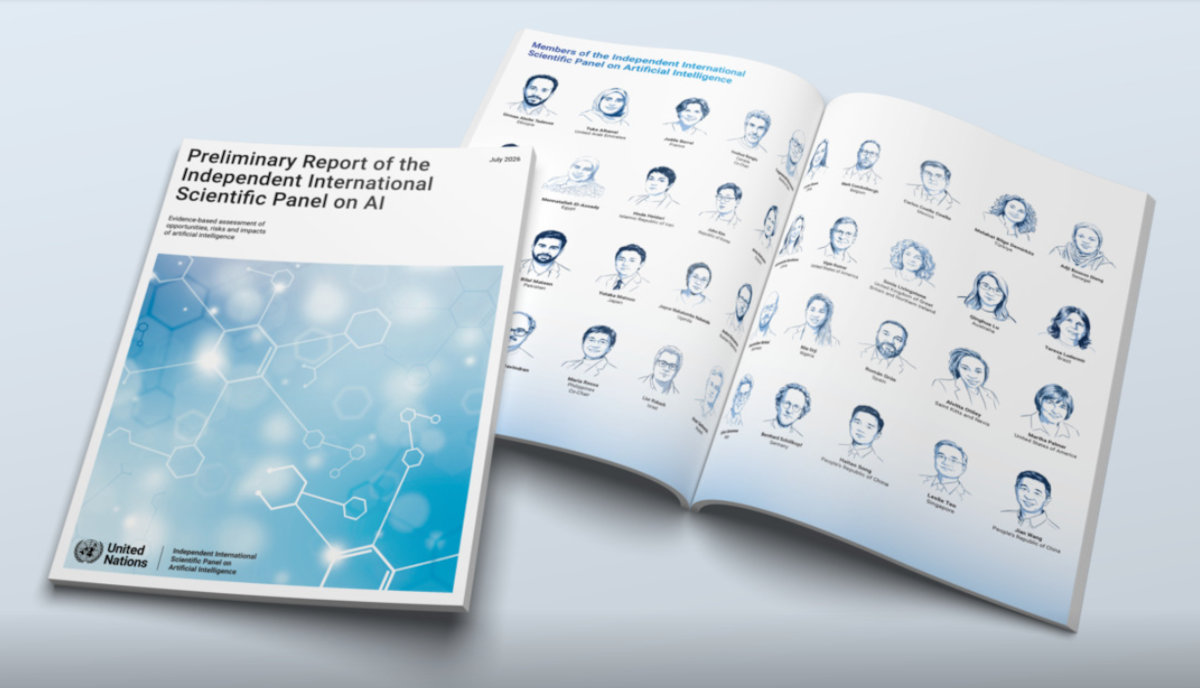
Key takeawaysThe report outlines findings across seven key domains:AI science, advances and trajectoriesSocietal applications in science, health, education and agricultureEconomic implicationsSecurity, systems and environmental implicationsHuman rights, information and democracyCultural benefits, autonomy and child safetyManagement, governance and reliability“The science is here,” UN Secretary-General António Guterres said at the report launch. “We can no longer say we did not know. What we do with it is now up to all of us.”The more AI advances without shared rules, the less say governments and people will have in the outcome, the UN chief said, adding “my message to governments is simple: do not wait.”Aiming to build a shared understanding and evidence at this critical juncture, the Preliminary Report of the Independent International Scientific Panel on AI: Evidence-based assessment of opportunities, risks and impacts of AI was penned by the first global, fully independent scientific body dedicated to assessing its real impacts across economies and societies.Read the full report here.Why it mattersGlobally, over one billion people now use conversational AI weekly, while governments are making consequential decisions in the face of great uncertainty with rapidly changing, often conflicting sources of evidence and perspectives that do not necessarily reflect local realities.“Used well, AI could be the most powerful engine for development, speeding the world’s progress on everything from health and hunger to learning and climate,” the UN chief said, “but the panel is just as clear-eyed about the harm artificial intelligence can cause.”Indeed, as the capabilities of AI continue to grow, so do the stakes – the core challenge the panel aims to address.Read our AI explainer here.Better world or catastrophic harm?Composed of 40 leading scientists and experts from every region, the panel outlines AI trends and warns that current safeguards cannot keep pace, said its co-chair Yoshua Bengio.“AI capabilities are outpacing both scientific understanding and governments’ ability to adapt,” Mr. Bengio said. “With growing evidence of deceptive AI behaviour, science currently cannot guarantee that as capabilities continue to increase, AI will not cause catastrophic harm, either on its own or due to malicious users.”To act effectively, he said, global policymakers must understand these systems, and the panel provides exactly that: a rigorous, shared scientific foundation “to guide our collective way forward”.