The authorities should find a lasting solution to the environmental problem
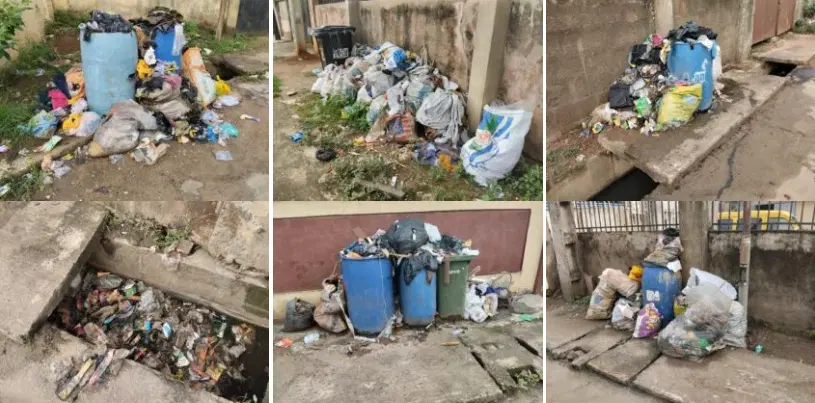
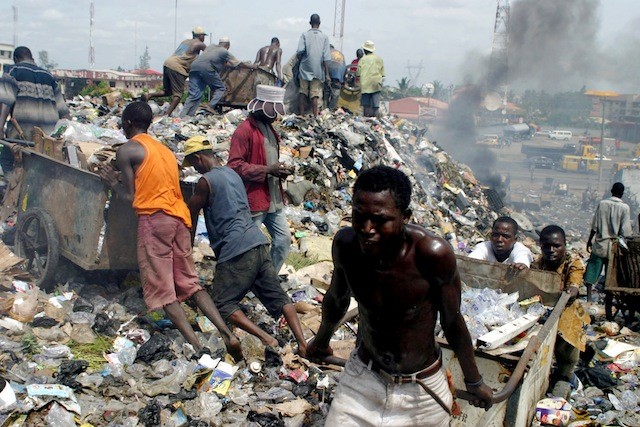
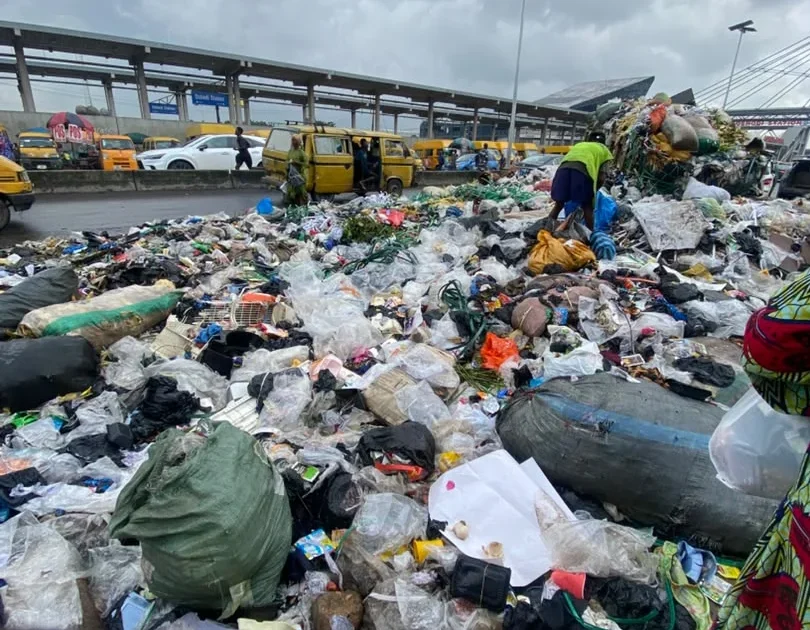
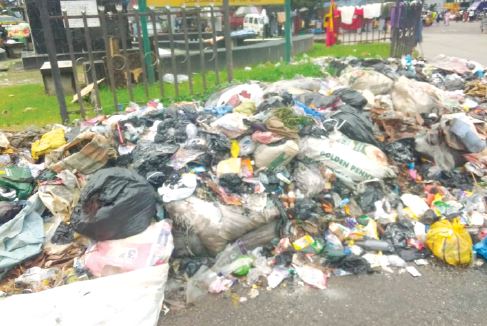
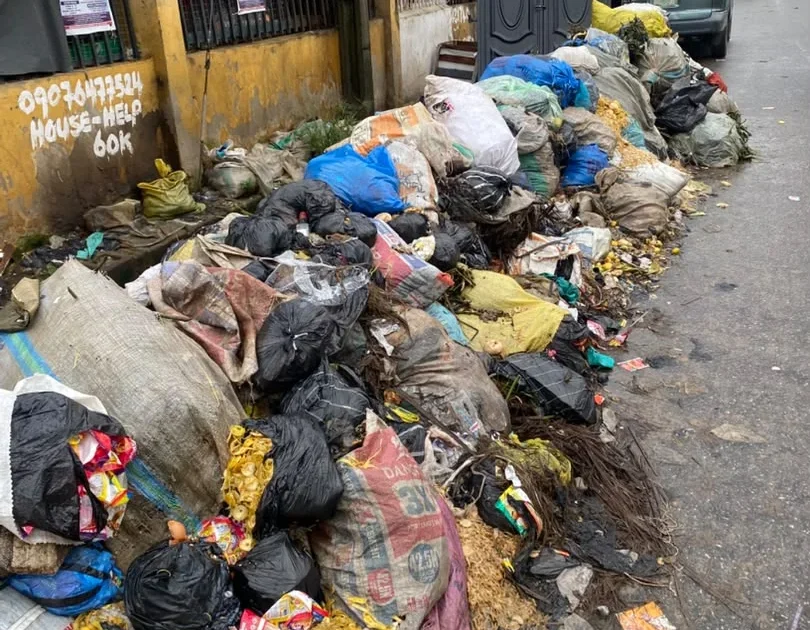
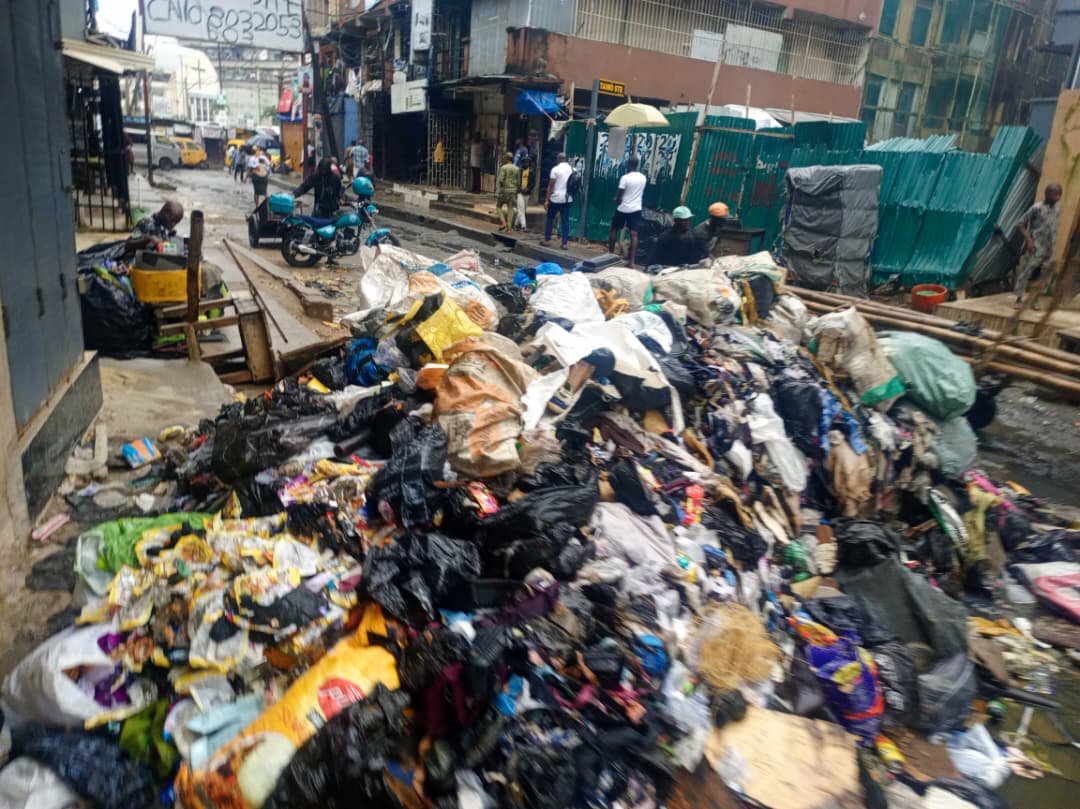
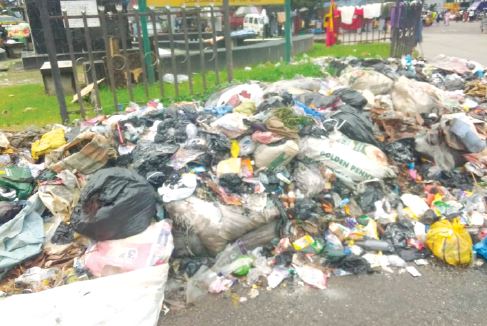
For the past six months, waste has inundated most parts of Lagos State. This, according to operators in the sector, is due to infrastructure and capacity deficit in the area of final disposal/dump sites and operational dumpsters. Apart from a dwindling number of dumpsters, most of which have expired, hence unserviceable, there is also the issue of accessibility. Last week, the state Commissioner for the Environment and Water Resources, Tokunbo Wahab, publicly apologised to residents over the waste management challenges. But the important thing is to find a lasting solution to what has become a perennial problem that has almost turned most parts of the state into an environmental nightmare.
In its December 2025 report, ‘Throwing away our health: the impacts of solid waste on human health—evidence, knowledge gaps and health sector response’, the World Health Organisation (WHO) warns that poorly managed solid waste is driving a public health crisis and calls for urgent action to protect people and the environment they live in. “Solid waste reflects how our societies produce and consume, and how we treat people and the environment in the process,” said Dr Ruediger Krech, WHO Director, Department of Environment, Climate Change, One Health & Migration. “If we continue to treat waste as an afterthought, we will lock in avoidable disease, climate pollution and deep social inequities. This report is a clear call to put health and equity at the centre of how we design, manage and ultimately reduce waste.”