Strait of Hormuz reopens but UN warns poorest nations will face lasting economic fallout
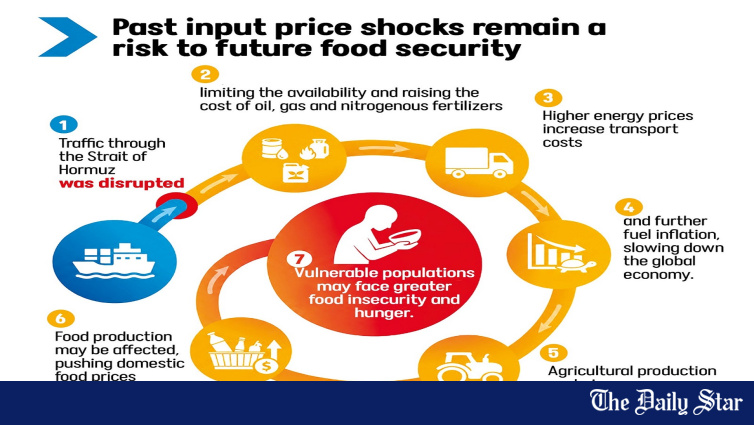
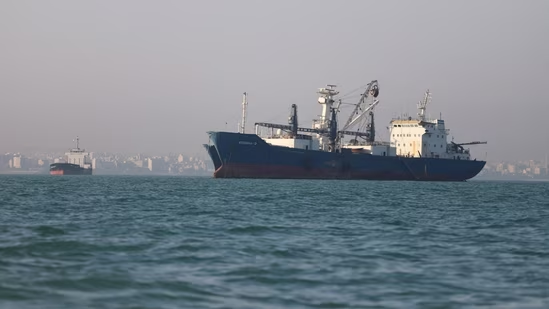
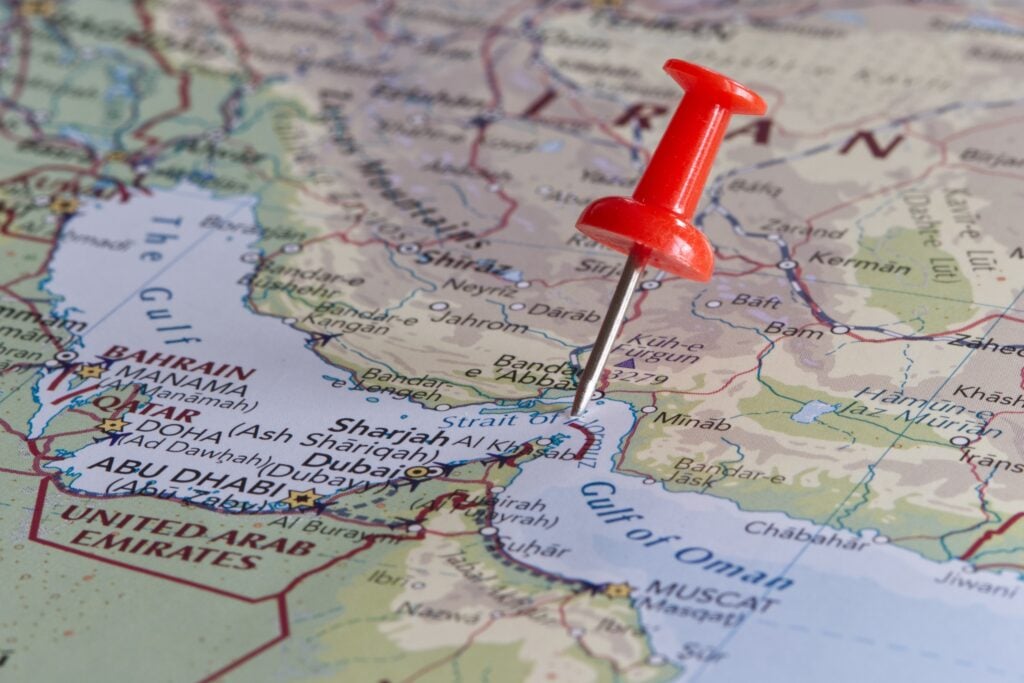
NEW YORK CITY: The reopening of the Strait of Hormuz after more than 100 days of shipping disruption will bring relief to global energy and trade flows, but the world’s most vulnerable economies face a longer, costlier and more uneven path to recovery, the UN Conference on Trade and Development said in a new report.
The document, “Strait of Hormuz Disruptions: Beyond Reopening — Lasting Impacts on Vulnerable Economies,” confirms that the daily transit of ships through the strait ran at a steady average during the first two months of this year but collapsed after the US-Israeli war with Iran began on Feb. 28.
Shipping began to recover when a ceasefire agreement between Washington and Tehran, which included the reopening of the waterway, was announced in mid-June, it added. UNCTAD said even just the prospect of the reopening of the strait had already begun to calm crude oil markets, with benchmark prices across Europe, North America, the Middle East and Russia easing from their high points during the escalation.
However, the agency cautioned that downward adjustments were slower in other sectors, noting that grain and oilseed freight costs remained well above preescalation levels, even when the strait reopened.