South East Nigeria Is in an airport race. It needs an industrial logic first, argues PATRICK O. OKIGBO
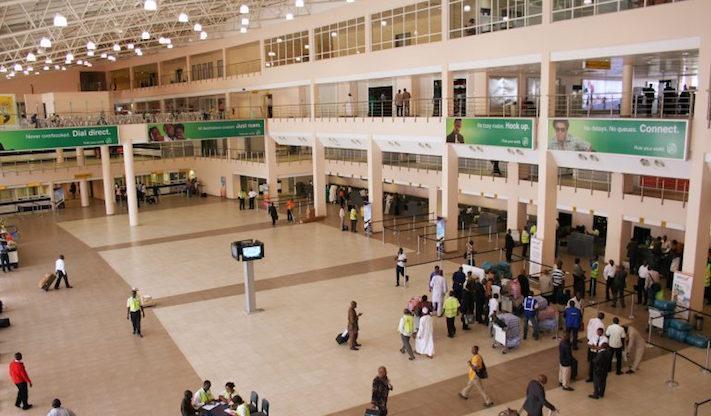
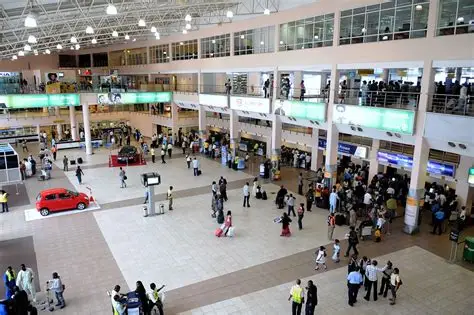
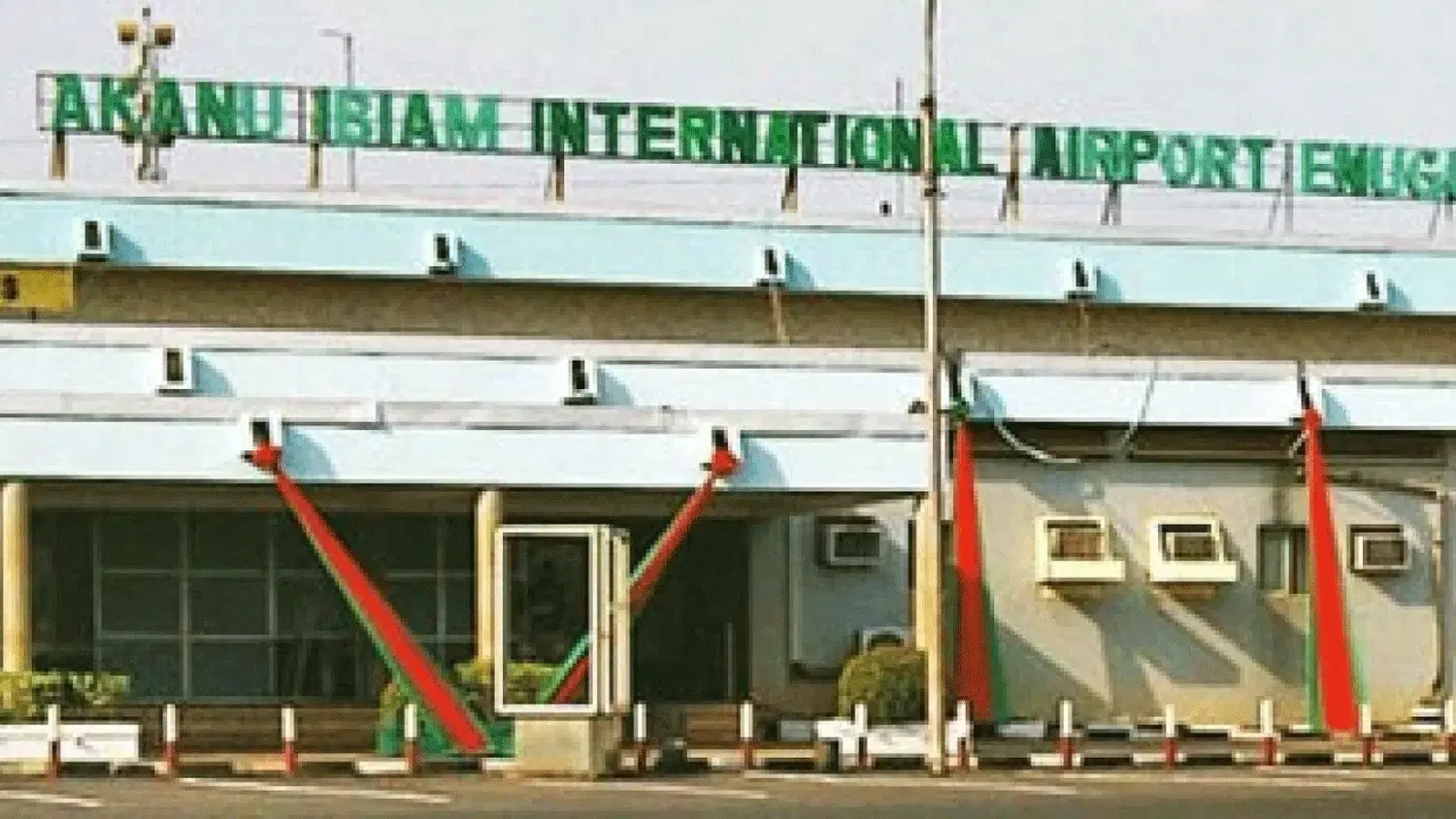
Without careful planning and even more diligent implementation, an asset can become a liability. The commentariat in South East Nigeria is vexed by this debate as governments across the region dig in for the race to build airports. Several commentators, including government spokespersons, mistake airport construction for an economic strategy. They are eager to risk scarce resources on terminals rather than on the hard work required to build an integrated aviation and logistics system that actually supports production.
Hardly do numbers guide these politically tainted debates. However, Nigeria’s aviation data seem to support the proponents of airport expansion. Nigeria’s domestic passenger traffic numbers rose by 4.3% from 12.54 million in 2024 to 13.09 million in 2025, while total passenger traffic increased by 5.9% from 16.94 million to 17.94 million. However, taken in context, these numbers signal recovery more than transformation. Nigeria’s aviation market remains shallow in a country of more than 200 million people. It is also significantly concentrated in a few cities. For instance, in 2024, Abuja handled about 35% of domestic passengers and Lagos about 33%. Port Harcourt handled roughly 8%, Enugu 3.9% and Owerri 3.3%.