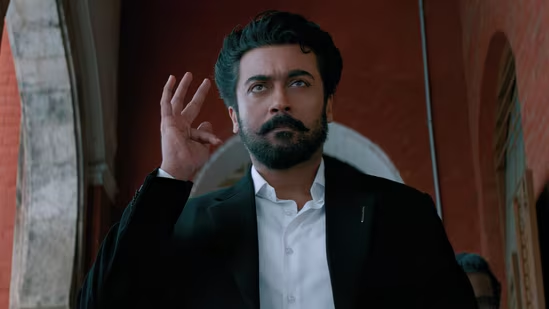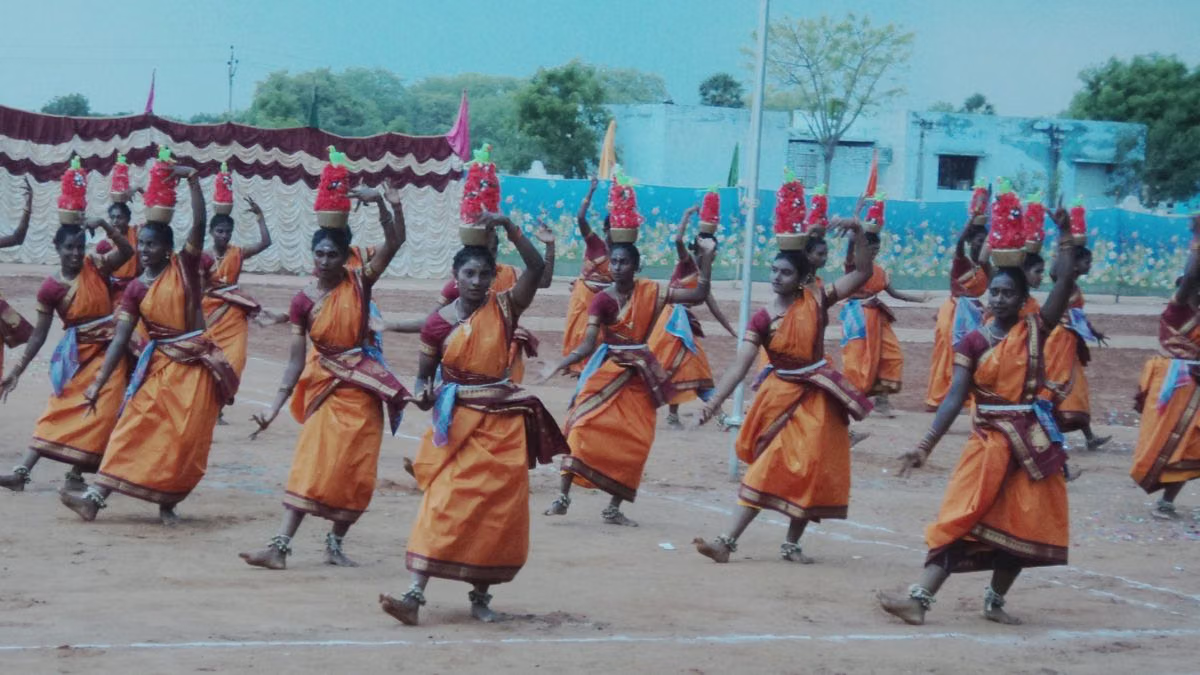
Let’s consider a typical setting of Tamil director Mari Selvaraj’s film. The camera in his movies serves as a witness to the disruptive force of Tamil Nadu’s cultural life, especially in the rural areas, focusing on the lives of the marginalised strata. We can visualise the thumping defiance of the parai drums in Pariyerum Perumal or the explosive fury of village celebrations in Karnan.
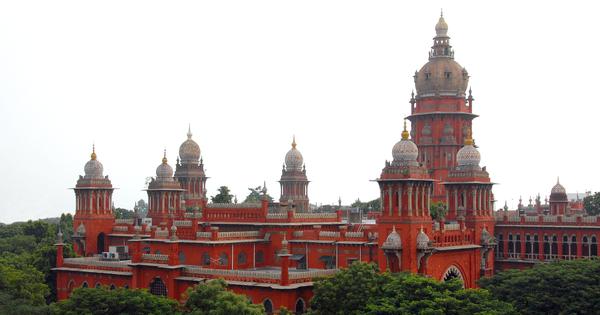
In both events, Selvaraj rejects the comfortable elite gaze. This gaze has treated folk art as a quaint, decorative spectacle. What he does through his art form is reframing and re-foregrounding subaltern performance for what it truly is: a battleground for dignity, historical memory, and material survival. What we witness as an audience under the blinding halogen lights of a real-world village thiruvizha (temple festival) is a late-night arena that functions as a democratic cultural common. For generations, this space has belonged to communities that gather to witness Adal Padal and Karagattam — performances in which the moving body serves as an engine of economic endurance and ritual sovereignty.Yet, when the state or its arms come with a tape measure, the underlying anxiety is rarely about fabric. It is truly about power, spatial control, and, more importantly, deciding who belongs in the public eye. The Madras High Court’s recent order, handed down by Justice L Victoria Gowri, lays bare these deep-seated anxieties of the state. By the leviathan imposition of a sweeping prohibition on female festival dancers who “expose” their midriffs, thighs, legs, or chests, the court argues that the prohibition is to shield the fragile “minds of students and youth” from corruption. On paper, it seems to be judicial puritanism. But in practice, it is an execution of a far more calculated structural erasure. Let’s call a spade a spade: the state is aggressively enforcing a hegemonic elite, upper-caste aesthetic code over rural performance spaces. It is turning informal livelihoods into legal liabilities and weaponising law enforcement against marginalised women.