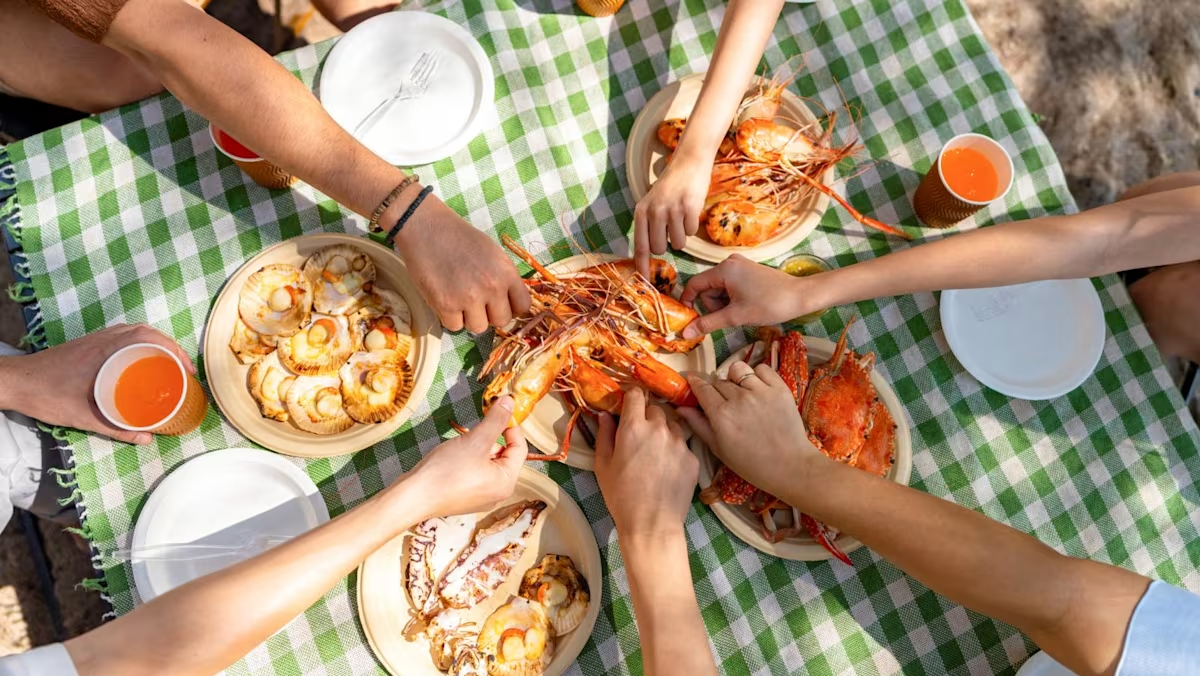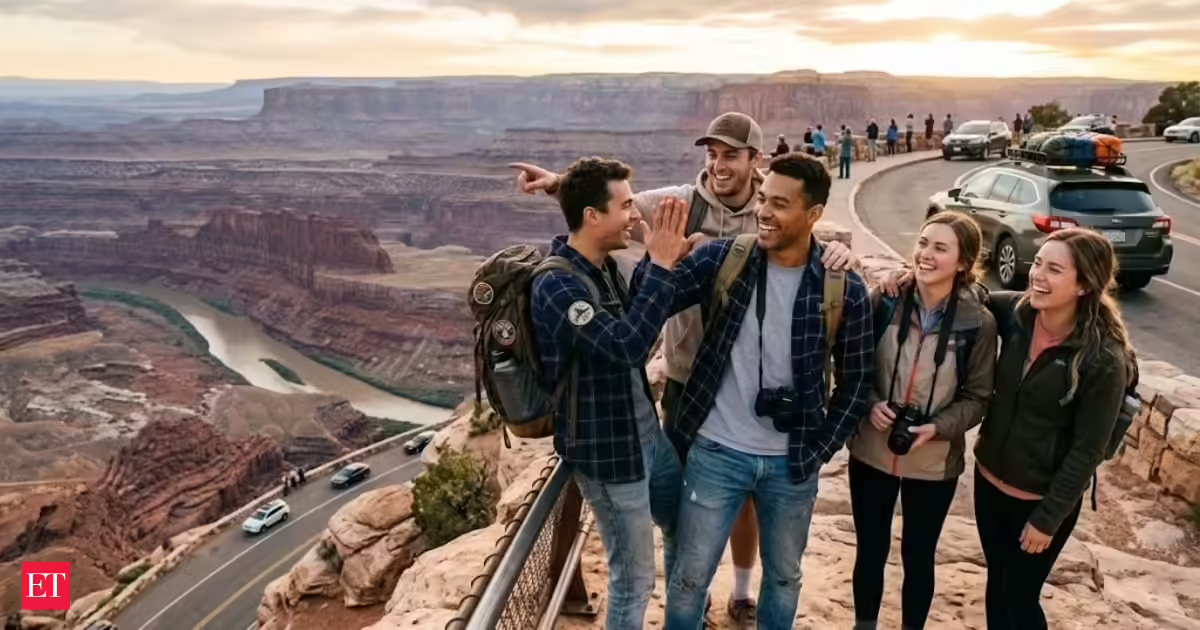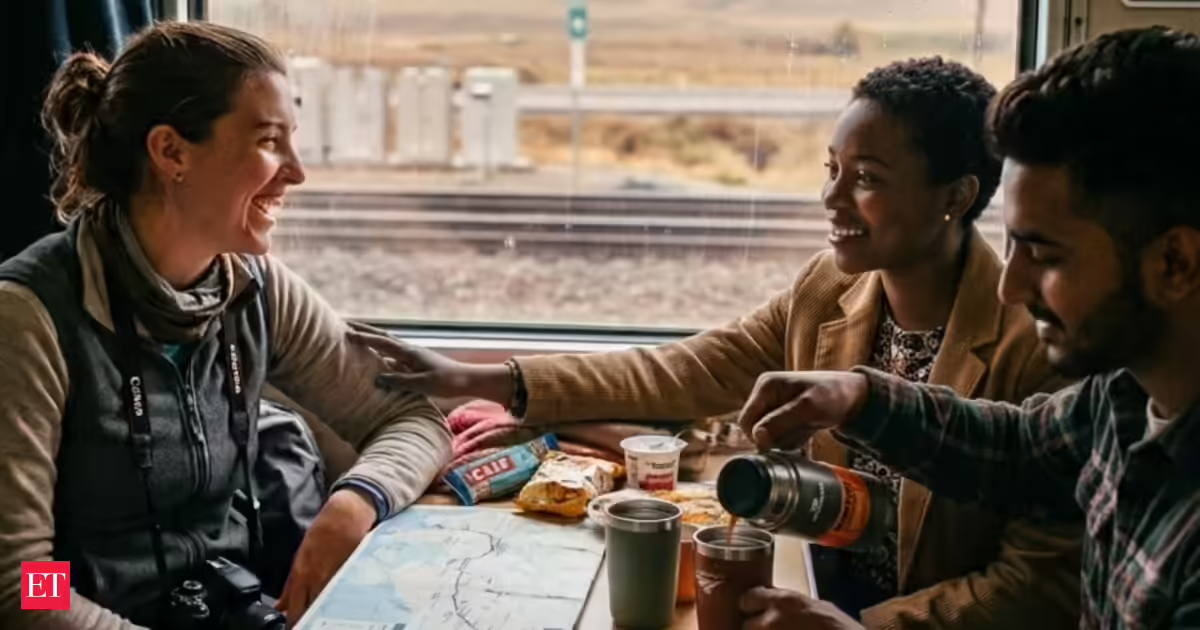
Psychology says people who like to go on trips with the whole big joint family aren't simply choosing a vacation style. Their preference may reflect how they value relationships, shared experiences, and emotional support. Family trips require planning, cooperation, patience, and communication. They also create opportunities to spend time across generations. Psychology explains that people often build stronger bonds through shared activities rather than conversations alone. Traveling with parents, grandparents, siblings, cousins, and children allows families to solve problems together and celebrate moments together. While every individual has different reasons, this behavior often reflects the importance of social connection.Why some people enjoy traveling with the entire family?Many people look forward to vacations that include parents, grandparents, uncles, aunts, cousins, and children. Instead of traveling alone or with only close relatives, they prefer bringing everyone together.These trips allow family members to reconnect after busy schedules. They also help younger and older generations spend more time together. Many people see these holidays as opportunities to strengthen family traditions.Psychology explains that shared experiences often build stronger relationships than material gifts. A family trip creates stories and memories that remain part of family conversations for years.People sometimes believe those who enjoy large family vacations are dependent on others. Psychology does not support this assumption. Instead, many people who enjoy group travel value belonging, cooperation, and emotional connection. They often find satisfaction in shared meals, group activities, celebrations, and conversations.You Might Also Like:They may also appreciate seeing different generations interact. Watching grandparents spend time with grandchildren or cousins play together often gives people a sense of family continuity. This preference does not mean every person has the same personality. Some people simply enjoy spending meaningful time with the people they care about.What psychology says?Psychologists have long studied the importance of social relationships in human well-being. Research consistently shows that healthy social connections are linked with higher life satisfaction, lower stress, and better emotional health. Family relationships often provide emotional support during both positive and difficult times.When families travel together, they spend time away from work, school, and daily responsibilities. This creates opportunities for conversations that may not happen during normal routines. Psychology also suggests that shared experiences strengthen emotional memories because people experience the same events together.You Might Also Like:What does this mean?Choosing to travel with a large family often reflects the importance a person places on relationships. Many people value experiences over possessions. Rather than spending money on individual entertainment, they enjoy creating memories with loved ones.Group travel also requires flexibility. Family members must adjust plans, solve disagreements, and make decisions together. These experiences can improve understanding among relatives and increase appreciation for one another.Why is it done?People travel with joint families for many reasons. Some families want children to know their grandparents better. Others want cousins to develop stronger friendships. Many people also believe that celebrations become more meaningful when everyone participates together.Large family trips can also reduce feelings of loneliness because people spend continuous time with those they trust. Some families make annual vacations part of their traditions, helping maintain relationships despite busy lives.You Might Also Like:Which psychology theory explains this behavior?Several psychological theories help explain why people enjoy traveling with their joint families.Attachment Theory suggests that people naturally seek secure relationships throughout life. Spending time with trusted family members can strengthen feelings of safety and emotional security.Social Identity Theory explains that people define part of their identity through the groups they belong to. Family is often one of the first and strongest social groups people experience.Family Systems Theory views families as connected systems where each person's actions affect others. Shared vacations create opportunities to improve communication and strengthen these connections.Together, these theories explain why family travel can feel meaningful for many individuals.This psychology study saysMany psychology studies have found that shared experiences contribute more to long-term happiness than buying material possessions. Researchers have also reported that family activities improve communication, increase relationship satisfaction, and strengthen emotional bonds.Studies suggest that spending quality time together helps family members understand each other's perspectives. Shared experiences also become part of family identity and collective memory. Although every family is different, research generally supports the idea that meaningful time together benefits relationships.What a positive psychology study found about family travelA qualitative study found that family travel supports well-being by strengthening relationships, creating shared memories, improving communication, and helping families disconnect from daily routines. Researchers concluded that positive emotions, meaningful interactions, learning experiences, and family bonding gained during trips can improve both family satisfaction and overall life satisfaction despite occasional travel-related stress.The study by Mona Mirehie and Iryna Sharayevska, published in the 2022 book Tourism as a Pathway to Hope and Happiness, explored how family travel affects well-being through the lens of positive psychology. Researchers interviewed 18 adults in the United States who regularly traveled with their families and analyzed their experiences using thematic analysis based on the PERMA model and the bottom-up spillover theory. The study found that family trips strengthen relationships, improve communication, create lasting memories, reduce everyday stress, encourage learning, and increase overall life satisfaction. Although travel can sometimes bring conflicts, its positive effects on family well-being were found to outweigh the challenges.The principle behind itOne important psychological principle is that repeated positive interactions strengthen relationships. Travel naturally creates many opportunities for shared experiences. Families eat together, solve problems together, visit new places together, and celebrate moments together.These repeated interactions build trust, improve communication, and create emotional memories. Psychologists believe that positive shared experiences help reinforce feelings of belonging within families.What to learn from it?There is no single correct way to travel. Some people enjoy solo adventures. Others prefer traveling with one partner or a small group. For those who enjoy joint family vacations, the experience may provide emotional connection, support, and lasting memories.The important lesson is to spend meaningful time with people who matter. Strong relationships usually require attention and shared experiences over time. Even simple trips can strengthen family bonds when people communicate openly and participate together.Life lessons from the behaviorTraveling with a large family teaches many practical and emotional lessons.People learn patience while adjusting to different preferences.They improve communication by discussing plans and solving disagreements.Children observe cooperation between adults.Older family members share stories and traditions.Younger generations learn about family history.Everyone develops memories that continue long after the trip ends.Psychology suggests these shared experiences contribute to stronger relationships because they create opportunities for trust, understanding, and emotional support. At the same time, enjoying family travel does not mean someone dislikes independence. People can value both personal space and family togetherness. Ultimately, psychology reminds us that human relationships grow through time, shared experiences, and meaningful interaction.You Might Also Like:
Psychology says people who like to go on trips with the whole big joint family aren't avoiding emotional connections: What this travel choice may reveal
Psychology says people who like to go on trips with the whole big joint family aren't always seeking isolation or independence. Psychology suggests this habit may reflect the need for connection, shared experiences, family support, and social bonding. Traveling together often strengthens relationships, creates memories, improves communication, and builds trust. While every person is different, many psychological theories explain why some people enjoy spending holidays with large family groups.
1,106 words~5 min read