Experts and travelers say a little independence on vacation can lead to a happier trip together.Show Caption
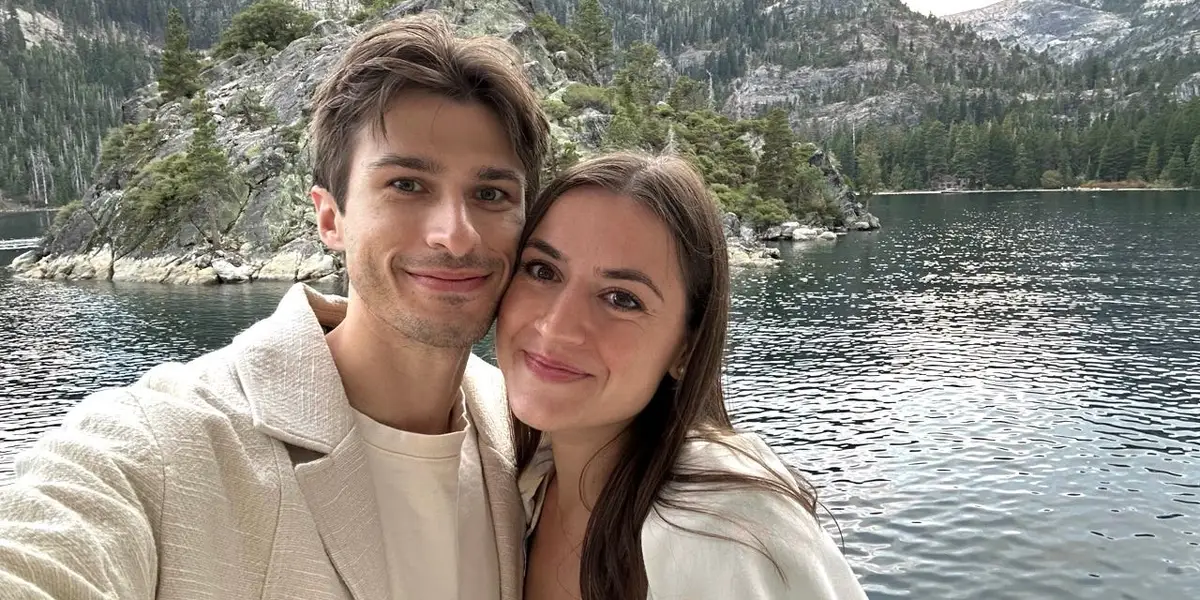
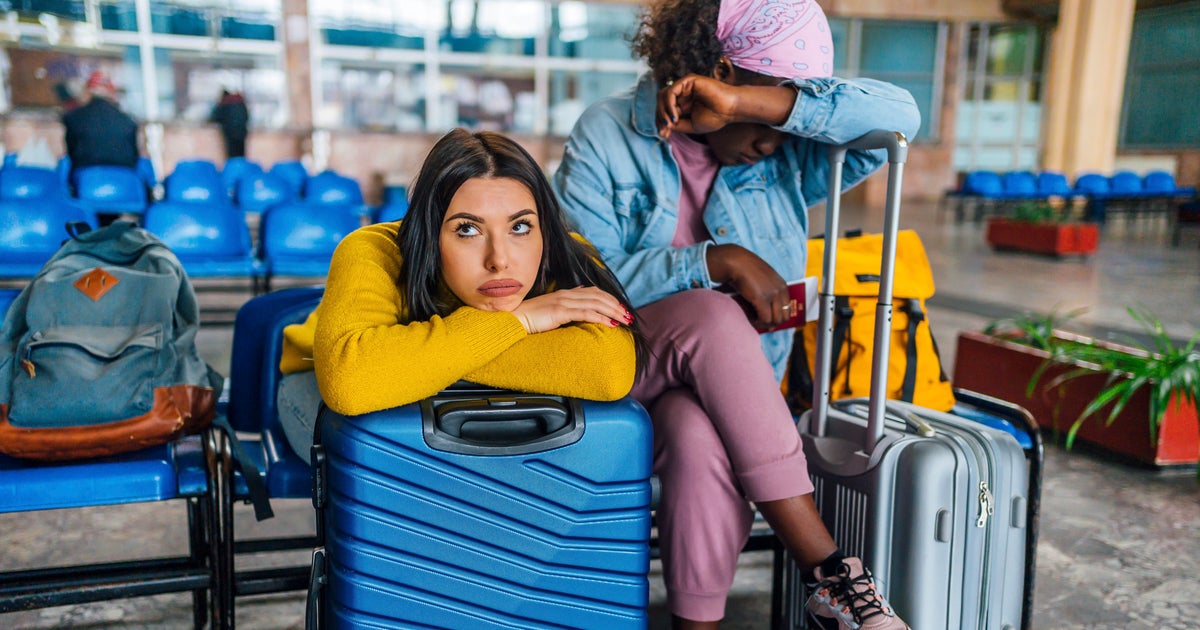
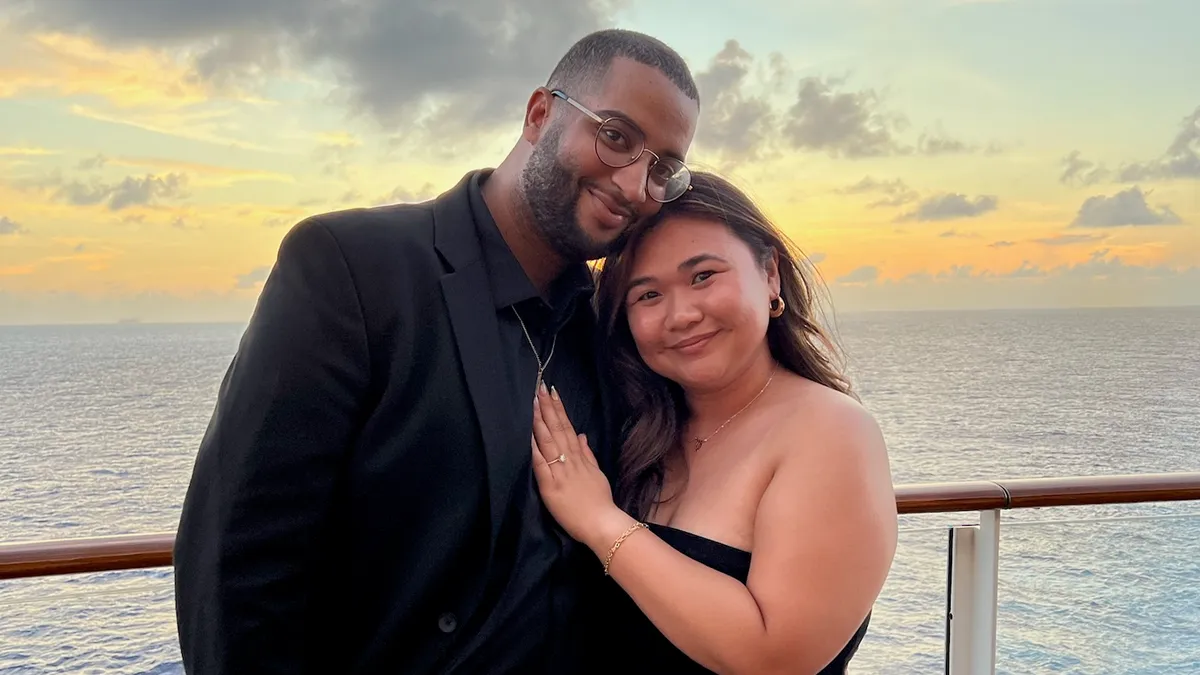
A recent survey found that 77% of Americans believe personal space eases tension with travel companions.Differing travel styles and constant proximity can lead to friction, even among loved ones.Taking time for individual activities on a group vacation can strengthen relationships and improve the overall experience.When Alexandre Torres travels, he likes to "go, go, go." His wife, Jewel, prefers a more relaxed pace. Although the couple loves being travel partners, they don't do everything on their trips together.The two like to carve out alone time on their vacations. On cruises, Jewel may have a slow morning sipping coffee before heading to the spa, while Alexandre has already jetted off to the ship's activities like the waterslide or bingo."It's normal in a relationship to have your own passions and things that you're interested in, and your partner may not be, so why not utilize a vacation to go do those things?" said Alexandre Torres. "I think in a healthy relationship, your partner for the most part would probably be OK with you doing that."The couple already spends much of their daily lives together, from cohabiting to carpooling to work, since their offices are next door. When they vacation together, doing their own thing doesn't detract from their quality time or their ability to create lasting memories."Then, the beautiful part about it is, you come back together. You guys are communicating about how your day went, what you just did," said Torres, who works as a travel agent in Los Angeles. "You're still learning from each other." The space helps them strike a balance between their different travel styles so they can come back together stronger and feeling satisfied over their shared vacation.In a recent survey conducted by Talker Research for Club Wyndham in March 2026, 77% of 2,000 Americans said "personal space eases tension with travel companions," with the average respondent needing two hours of alone time per day on vacation. Over two-thirds said this small break helps them "feel more connected" to their travel partners."In our case, especially, but I think for others ... you know, to obviously enjoy the quality time, but I think it's important to build in that space," he added.It's not like Americans don't want to travel with their loved ones: 82% said they truly look forward to trips with their partner and kids, and 60% with their friends. The real issue is close proximity – think being together 24/7 in a small hotel room or cruise cabin – which can exacerbate differing travel preferences and lead to potential tension."Travel has a unique way of bringing people closer, but our research shows that 'togetherness' works best when everyone also has space to recharge," said Annie Roberts, senior vice president of Club & Owner Services at Club Wyndham."Travelers aren’t looking for distance from the people they love; they just want the option for space that allows everyone to relax, reset, and show up as their best selves," she said. "Whether that means a separate bedroom for restorative sleep, a quiet corner to unwind during the day, or simply a little alone time between group activities, those moments of independence can actually strengthen connection."In other words, it's OK to have "me time" even on the most romantic of getaways. It may just make your trip better.Top traveler incompatibilitiesTraveling with someone is like going through a compatibility test. You learn some of their quirks, how they like to explore a destination, and their ways of handling stress. A mismatch can make or break some relationships, both platonic and romantic. For family travel and group trips, pleasing everyone can be a challenge.The most common source of tension among travelers is figuring out what to eat, according to 41% of survey respondents. Following closely behind are how long someone takes to get ready (cited by 37%) and how to make plans (cited by one-third).Being in the same room can make issues worse, with choosing what to watch on television and snoring being the biggest annoyances. Over half of respondents said they are likely to plan a shorter trip knowing they'll be sharing a small space with others.Texas-based family therapist and human resources coach Blanka Molnar learned about how differing travel styles can create tension when she was on a trip with a friend to Prague. She wanted the vacation to be a time to unwind and relax, but her travel companion ended up being more extroverted and talkative than she preferred. She hoped for quiet time reading and drinking coffee on the terrace, but he wanted to go out and have fun."I just tried to like, oh, let's read a little bit or let's sit down somewhere, and so I was kind of trying to guide him, but he was not reading the room," she said. After that, she decided she wouldn't travel with this friend based on the "different expectations and personalities."Communication and personal space are keyPersonal space can help ease resentment arising from incompatibilities by providing a buffer. In the survey, 48% said they'd travel with someone they know isn't "vacation-compatible" with them if they had their own space in a larger accommodation.Being upfront about expectations is also one way to squash issues before the trip. Now, when Molar plans trips with friends, she makes sure to communicate the itinerary and budget so everyone's on the same page. More communication equals less disappointment."Open communication can always help, even if you are on a trip with friends, just communicating about your needs before you explode and you are like boiling inside," she said. "(You can say) hey, I really need some time alone, and then I just go into a coffee shop, and I will sit alone with my book. If they are your good friends, they would understand."The Torreses take a similar approach, whether as just a couple or with a group of friends. As they plan, the two will discuss their must-dos and decide whether the other person feels like joining or will do something else during that time. For an upcoming trip to Japan with friends to celebrate Alexandre's 30th birthday, he's making sure to be "very open and honest and transparent" about how he envisions the vacation."At the end of the day, it's a vacation that you're both investing in in terms of paid time off and money, so you want to make sure that everyone's having a good time," he said.Kathleen Wong is a consumer travel reporter for USA TODAY. She's the author of "The Conscious Traveller Hawai'i" and is based in Hawaii.