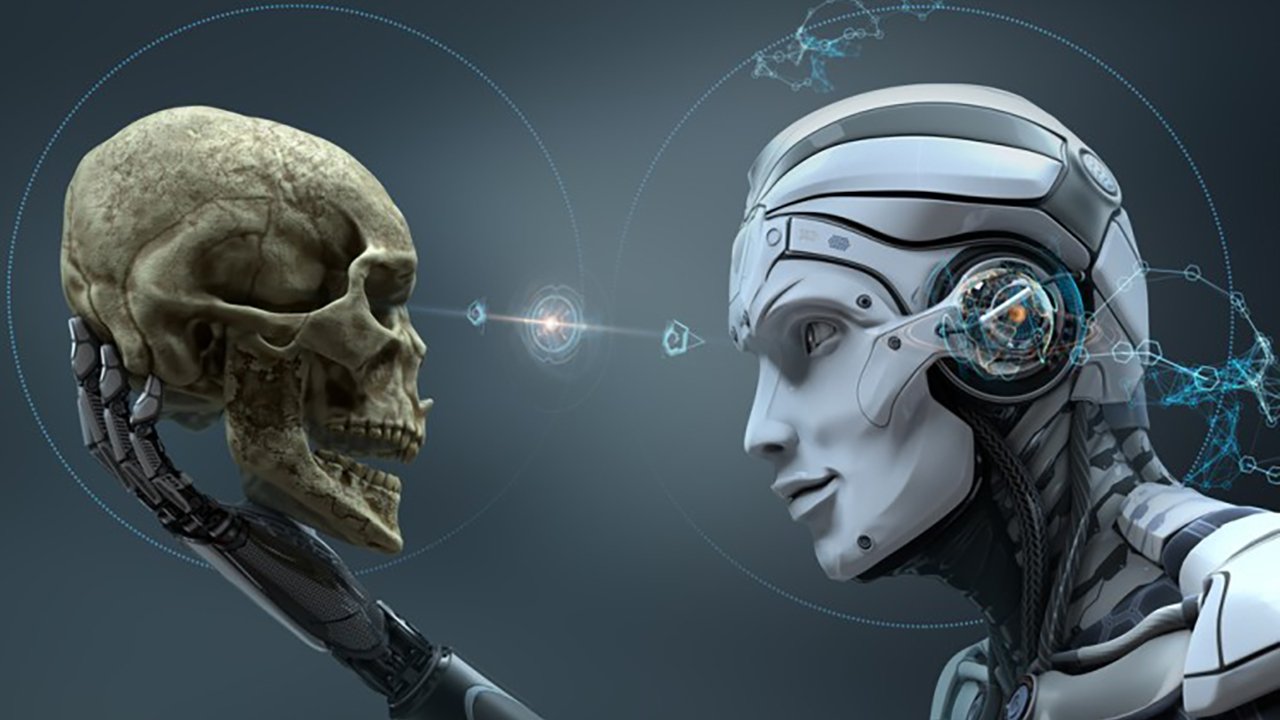
Somewhere between “it’s just a chatbot” and “maybe we should ask if it’s okay,” the AI industry appears to have found an uncomfortable middle ground. Anthropic, Google DeepMind, and Meta have all hired experts in philosophy, psychology, neuroscience, and ethics over the past year to study a question that sounds like science fiction but is increasingly being treated as science: do AI systems have something resembling emotions, and if so, what do we owe them?
The effort is most visible at Anthropic, which has stood up a dedicated Model Welfare team tasked with testing its models for behavioral signals that resemble things like panic and anxiety. On April 2, 2026, the team published a paper titled “Emotion Concepts and their Function in a Large Language Model” that identified 171 distinct “emotion concepts” correlated with model outputs.
From thought experiment to research program
Anthropic hired Kyle Fish in September 2024 as its first dedicated AI welfare researcher. His job, broadly, is to investigate the moral considerations that might apply to future AI models as they grow more capable. The Model Welfare team that followed represents a formalization of that inquiry, with researchers actively probing model behavior for patterns that might warrant ethical attention.