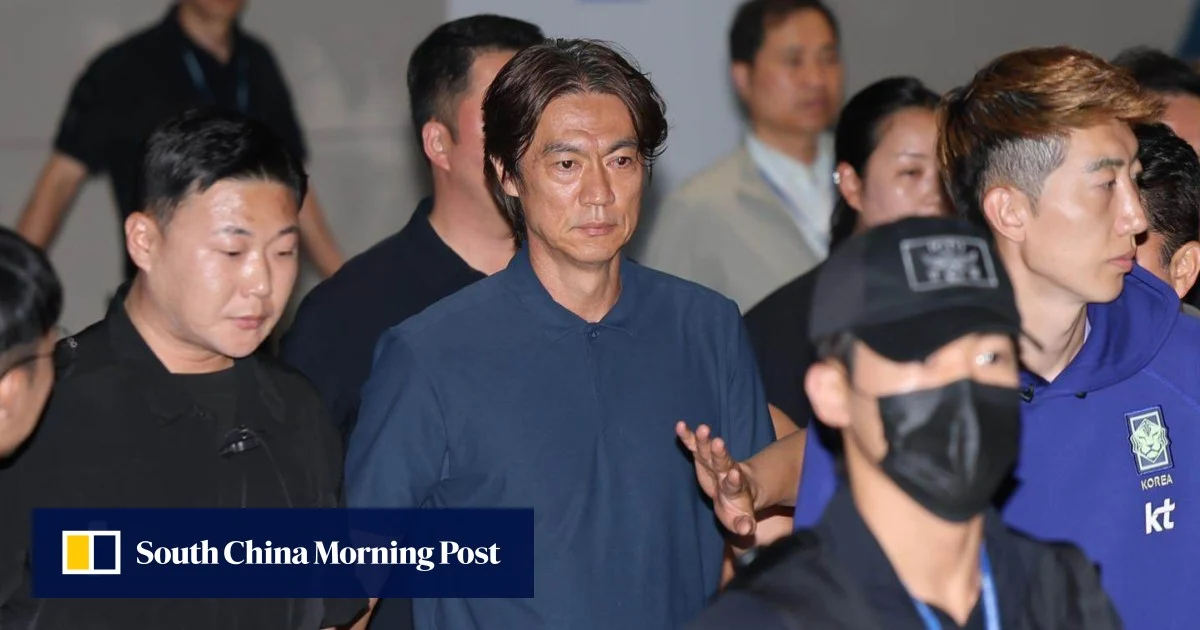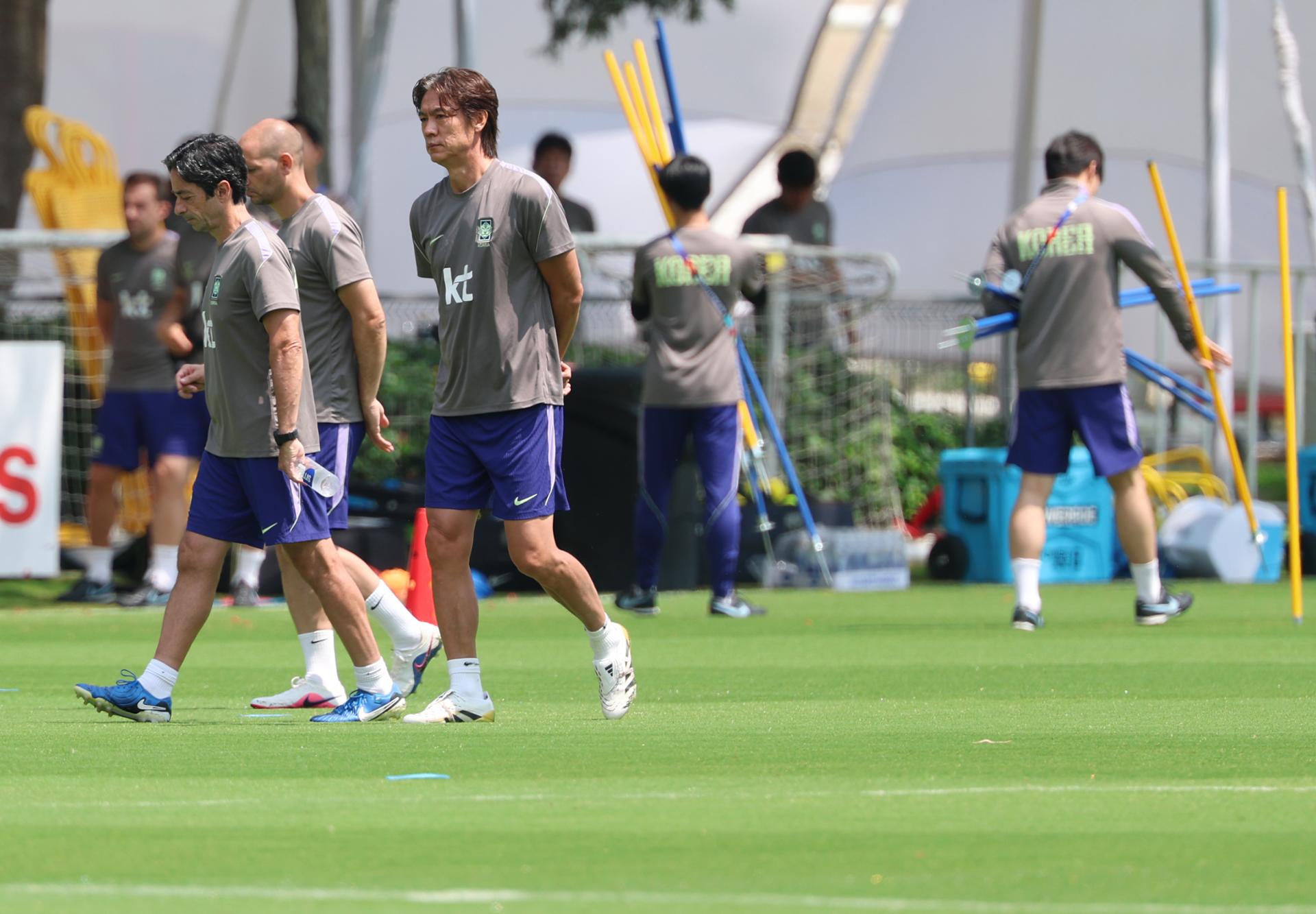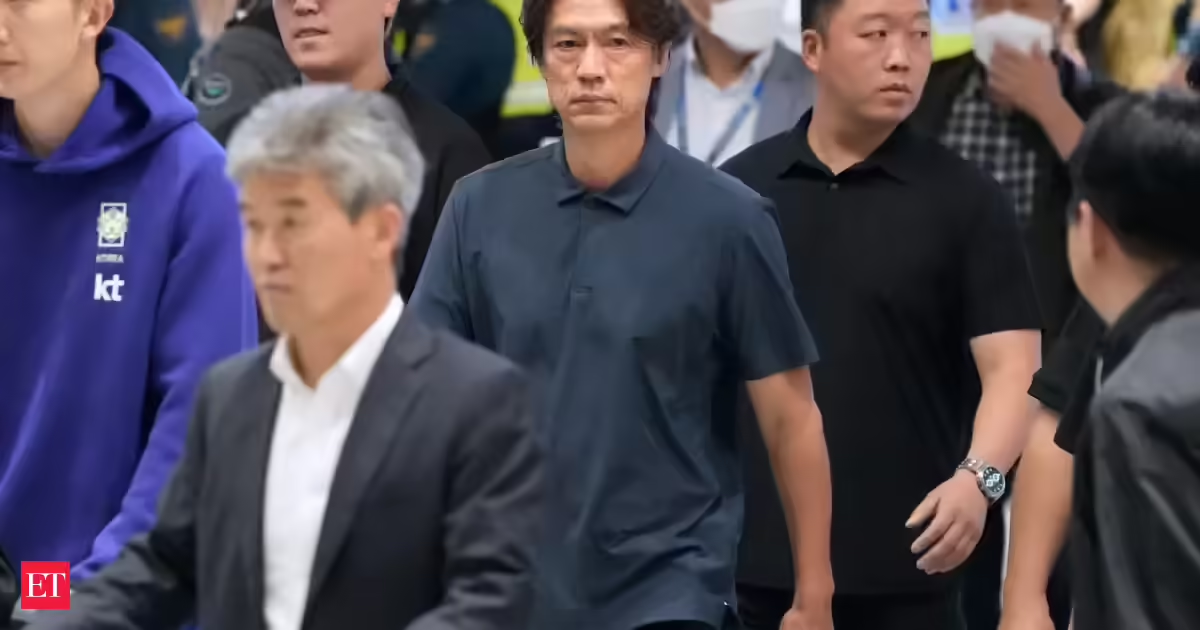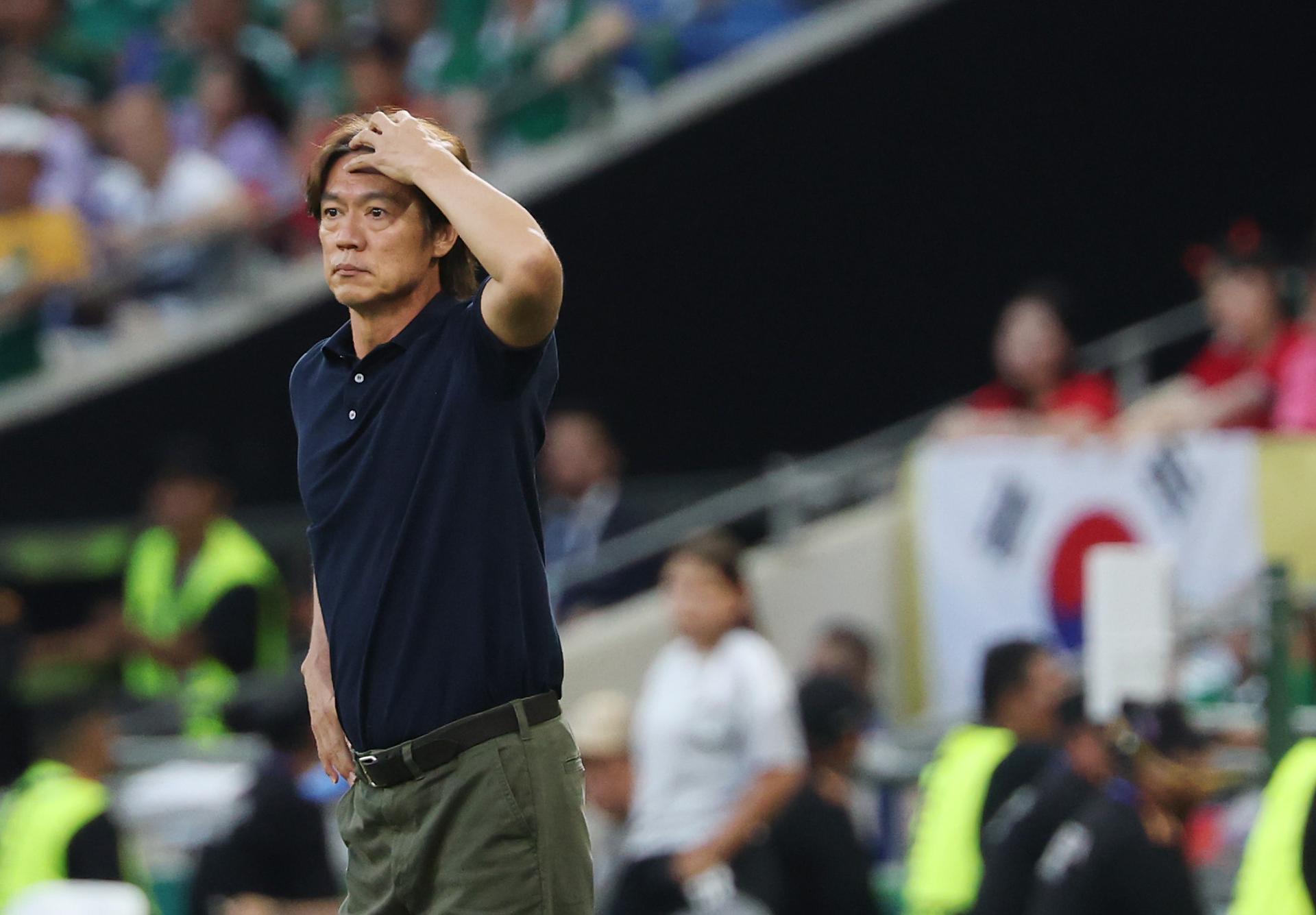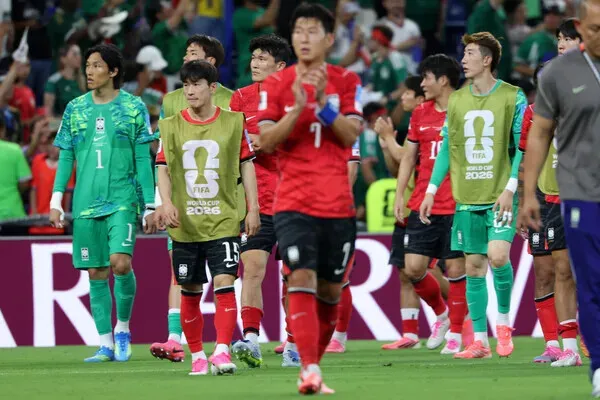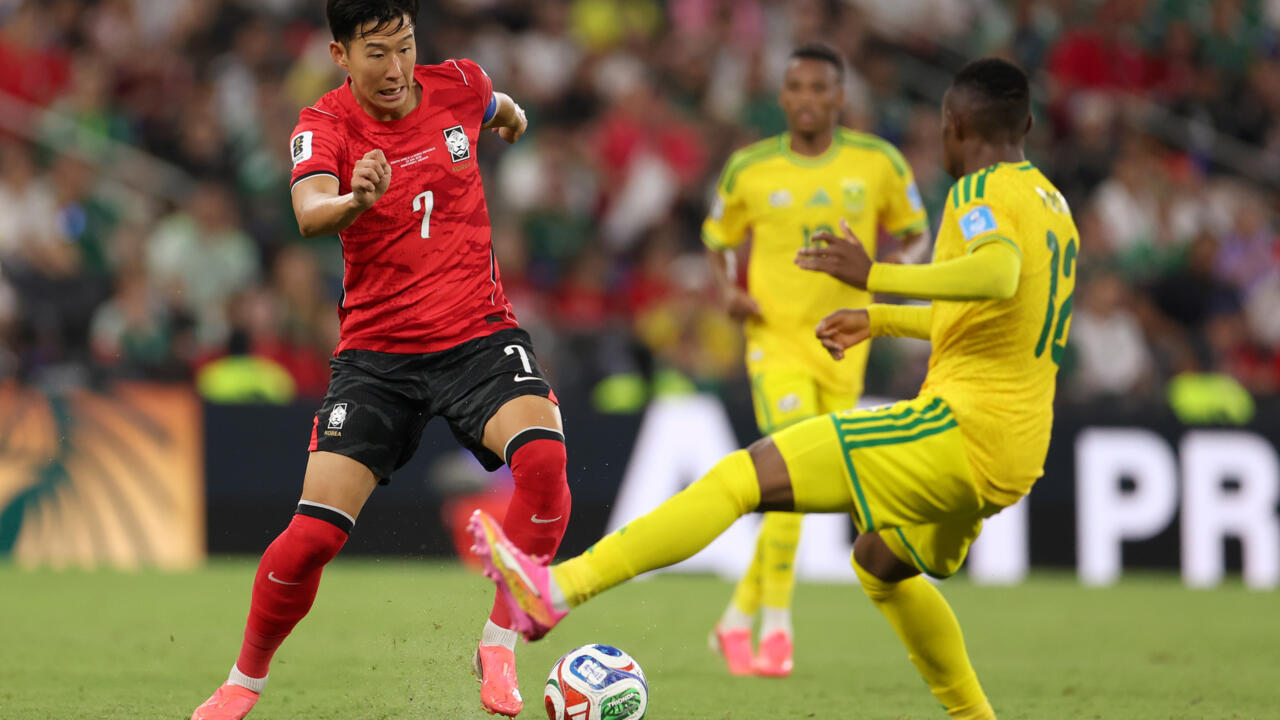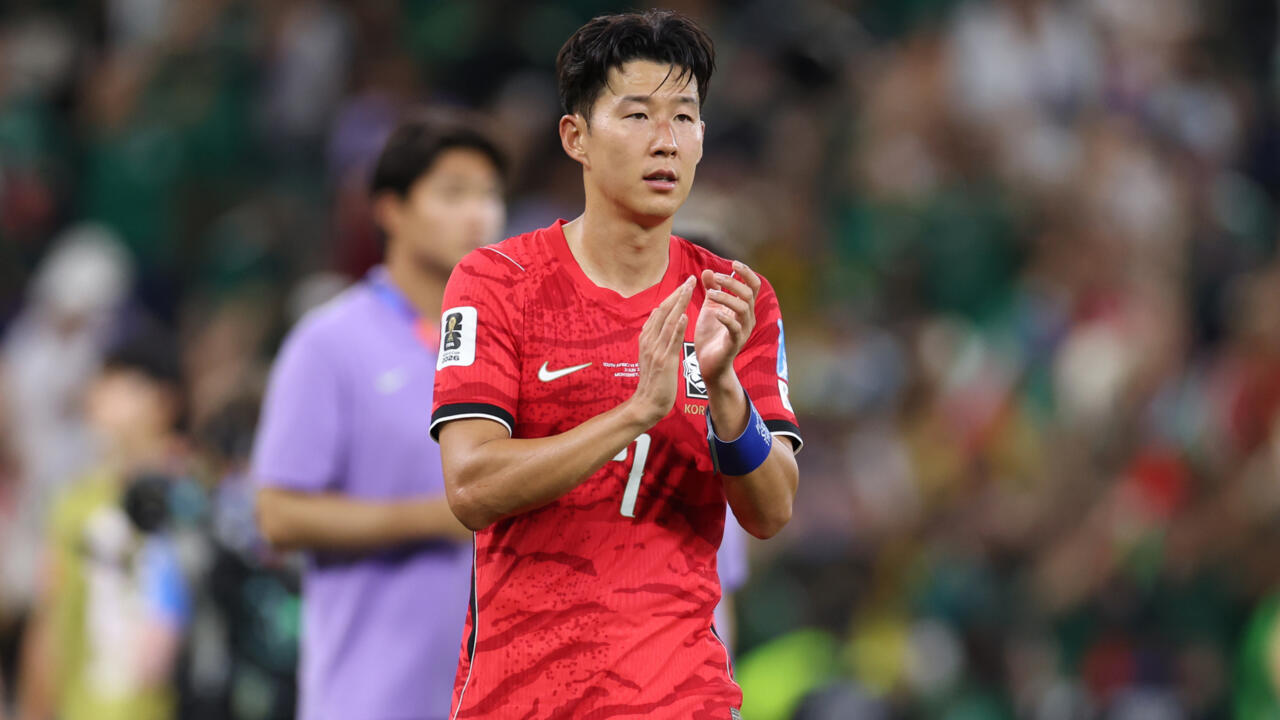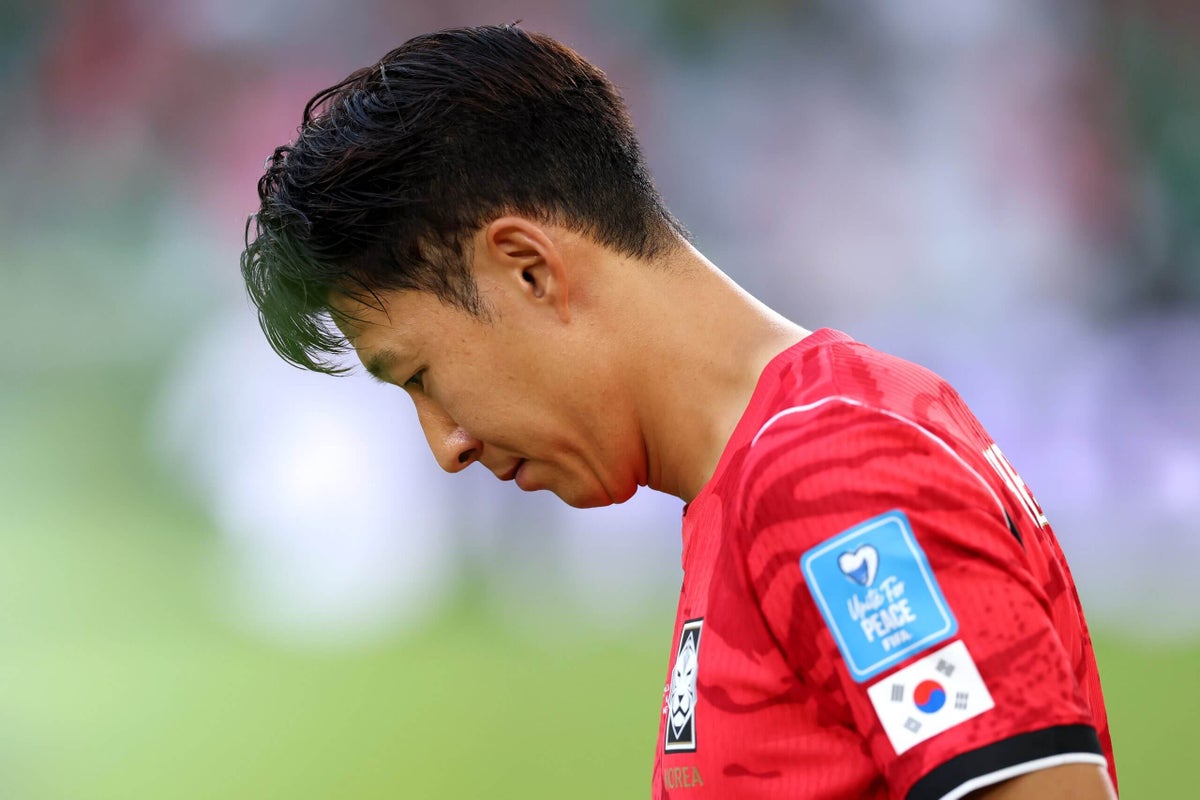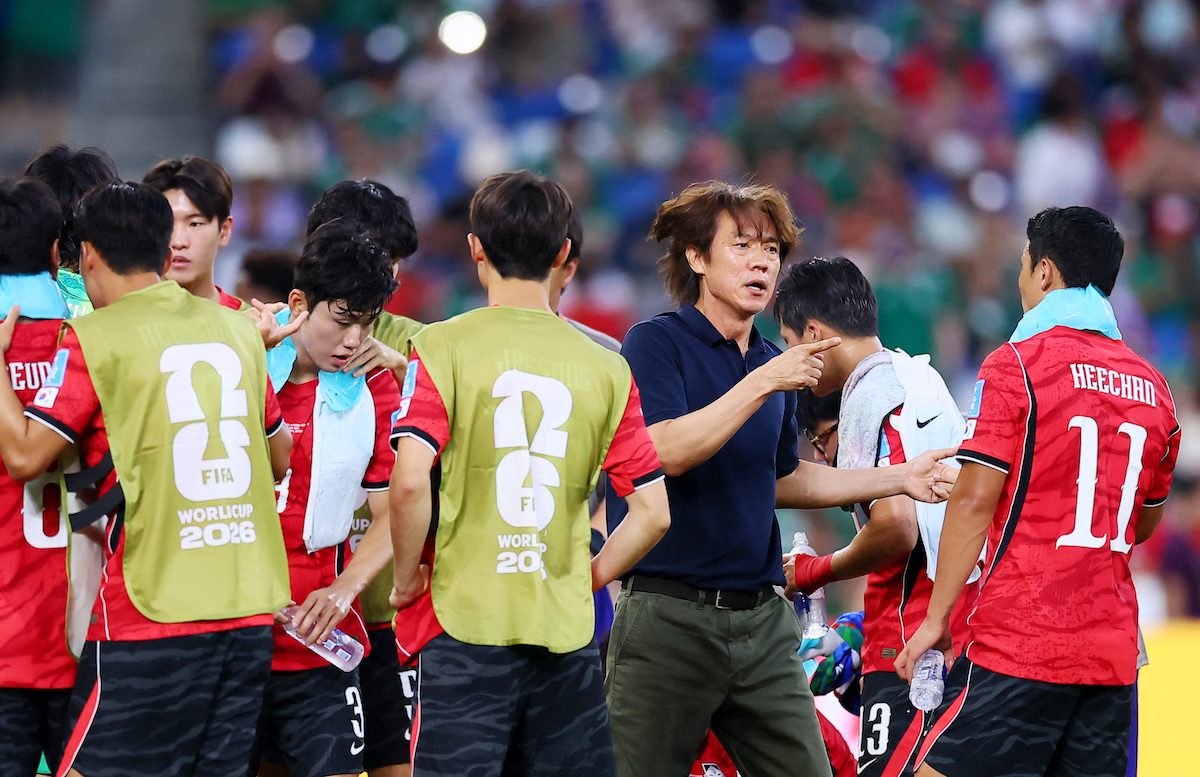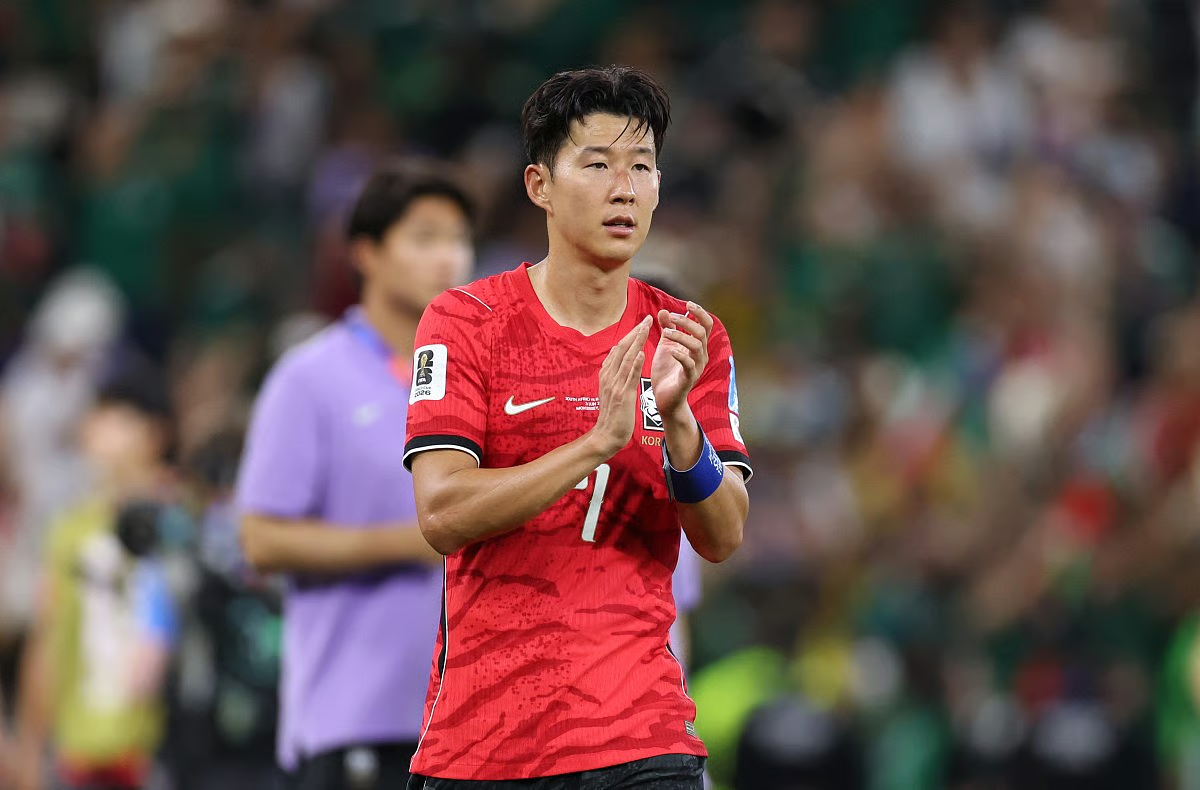
WANG SON-TAEK South Korea's failure to advance beyond the group stage of the FIFA World Cup has unleashed a wave of disappointment and anger across the country. The frustration has been especially intense because this was widely regarded as the strongest Korean national team in history, featuring internationally acclaimed stars such as Son Heung-min, Kim Min-jae and Lee Kang-in.Much of the public criticism has focused on the soccer establishment, including head coach Hong Myung-bo. A former defender himself, Hong has been accused of failing to develop effective attacking tactics or a creative midfield passing game. Many fans were particularly outraged by the underutilization of Son, one of Korea’s greatest soccer players, who was left out of the starting lineup when he was needed most. Though frustration after a World Cup failure is hardly unique to any country, Korea's reaction seems to go far beyond ordinary disappointment.Some observers attribute this simply to excessive public emotion over a single sporting failure. Such an explanation, however, overlooks the deeper context. Public frustration with the national soccer team did not begin with this World Cup. It reflects years of accumulated grievances over head coach Hong's controversial appointment, allegations surrounding the election of the Korea Football Association president, and lingering memories of the team’s disastrous performance at the 2014 World Cup in Brazil where Hong was head coach too. The soccer establishment had long faced criticism for incompetence, lack of empathy and arrogance. Nevertheless, many of its leading figures showed little genuine regret over these repeated failures. Instead, they appeared to believe that their decisions were fundamentally justified and that the disappointing results were largely a matter of bad luck. Such attitudes illustrate a textbook pattern of elite groupthink.What makes the current situation even more noteworthy is that similarly intense public dissatisfaction has recently emerged in areas far beyond sports. About four weeks ago, South Korea's local elections were marred by shortages of ballot papers that prevented some voters from casting their ballots. The resulting controversy over election mismanagement triggered nationwide anger. Election officials apologized for the flaws, but their response was widely regarded as a mere formality, further fueling the wave of public outrage.Meanwhile, the ruling Democratic Party of Korea is experiencing an unexpected internal power struggle ahead of its party convention in August. Supporters of President Lee Jae Myung’s leadership are locked in a fierce confrontation with a faction critical of his direction, as competing groups battle for control of the party's future.Although these issues differ in substance, they share an intriguing common feature: each appears to reflect a deeper structural problem of groupthink among a relatively small, insular elite. The similarities become clearer when each case is examined more closely. In soccer, critics argue that a small network of administrators, many sharing the same university background, has dominated Korean soccer governance for decades. Public dissatisfaction has reached unprecedented levels, with citizens demanding sweeping reforms and changes in leadership. Yet soccer officials have been widely criticized for dismissing those calls with arrogance rather than listening seriously to public concerns.The National Election Commission bears responsibility for infringing upon citizens’ voting rights. Instead of acknowledging the mistake with humility, the commission appeared reluctant to accept responsibility, reinforcing public perceptions of an insulated bureaucracy disconnected from ordinary citizens. As an independent constitutional institution entrusted with safeguarding democratic elections, the commission enjoys exceptional autonomy from both the executive and legislative branches. Such independence is essential to democracy, but it also demands a higher level of professionalism, accountability and responsiveness. The recent controversy suggests that institutional independence, when combined with elite groupthink, can easily become institutional complacency.Similarly, the anti-Lee factions within the Democratic Party oppose President Lee's efforts to pursue national unity by appointing figures from the conservative camp to senior positions. Yet most Democratic Party supporters, along with a broad segment of centrist voters, continue to support President Lee's inclusive style of governing. To many, these dissenting factions are increasingly viewed as an insular group of former leaders more concerned with preserving their own influence within the party than responding to the broader public desire for national progress — a political manifestation of groupthink that appears increasingly disconnected from public sentiment.Ironically, the growing exposure of elite groupthink may itself reflect South Korea's remarkable national development. Politically, Korean democracy has expanded rapidly. Economically, the country has entered the ranks of the world's most advanced economies. Socially, authoritarian culture has steadily weakened, while the widespread adoption of social media has dramatically expanded freedom of expression. As every aspect of Korean society has evolved, so too has the policymaking environment.In the past, a relatively small elite could shape national policies with limited public scrutiny while enjoying considerable privilege. Today, however, ordinary citizens possess far greater knowledge, stronger interest and a greater willingness to participate in public affairs than ever before. Closed, opaque and narrowly based decision-making has become increasingly unsustainable. Nevertheless, some elites have failed to recognize this profound transformation. They continue to behave as though policymaking remains the exclusive domain of a privileged few, without fully appreciating the growing expectation that public decisions must be transparent, accountable and open to meaningful public participation.Such anachronistic attitudes suggest a failure to understand not only the principles of modern liberal democracy but also Korea's own cultural traditions. Korean society has long emphasized strong communal responsibility and a people-centered philosophy — the belief that the people constitute the foundation of the state. Even before modern democratic institutions emerged, Korea's traditional scholar-officials, known as "seonbi," were expected to uphold a simple principle: Although they occupied privileged positions, they were strictly obliged to serve the people rather than themselves.The recent controversies exposing elite groupthink may therefore offer a constructive lesson. They remind public officials and influential leaders alike that leadership is not about protecting privilege, but about fulfilling the enduring responsibility to serve the nation and its people.- - -Wang Son-taekWang Son-taek is an adjunct professor at Sogang University. He is a former diplomatic correspondent at YTN and a former research associate at Yeosijae. The views expressed here are the writer’s own. — Ed.
[Wang Son-taek] Groupthink and World Cup anger
South Korea's failure to advance beyond the group stage of the FIFA World Cup has unleashed a wave of disappointment and anger across the country. The frustrati
1,010 words~5 min read