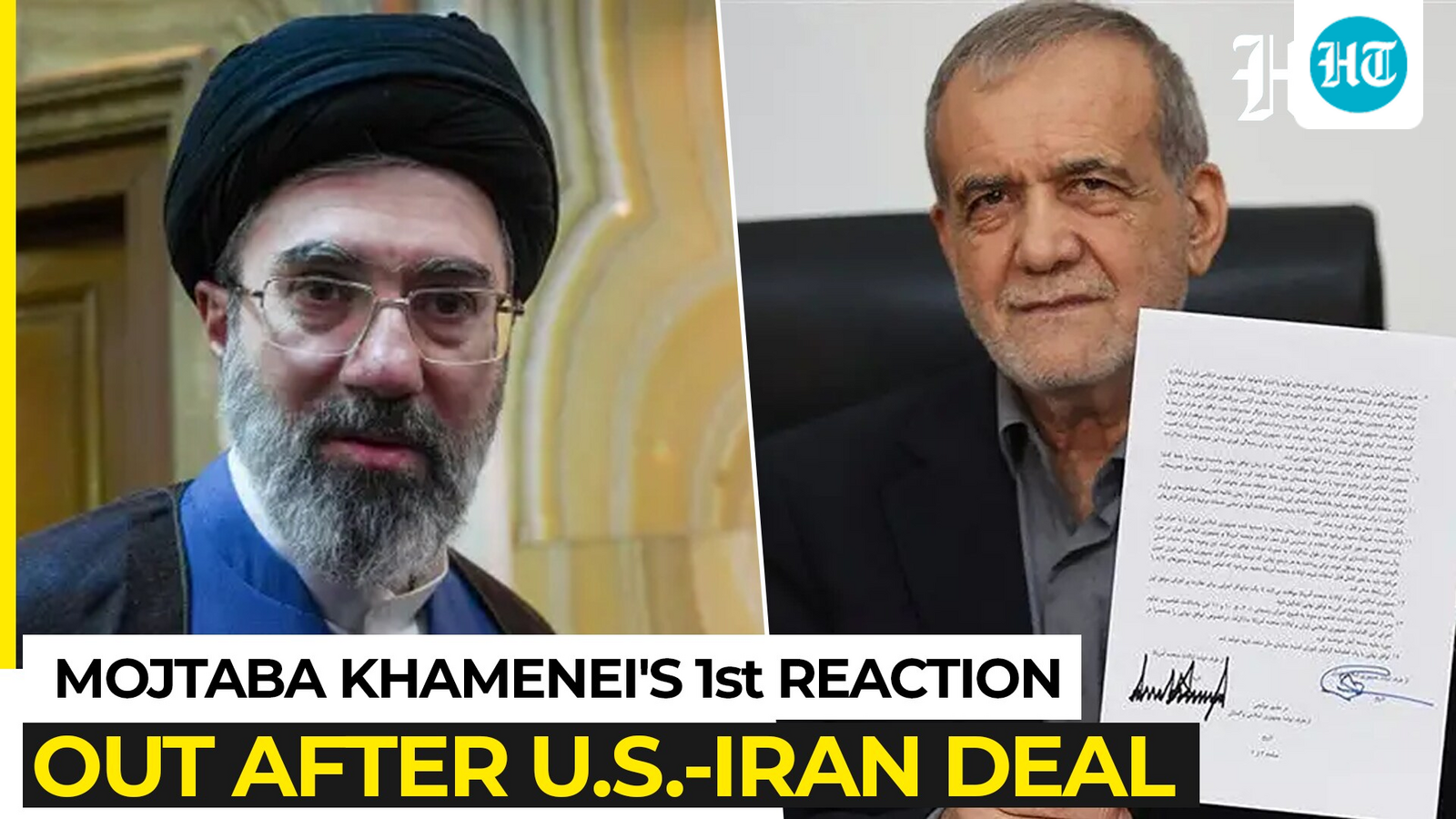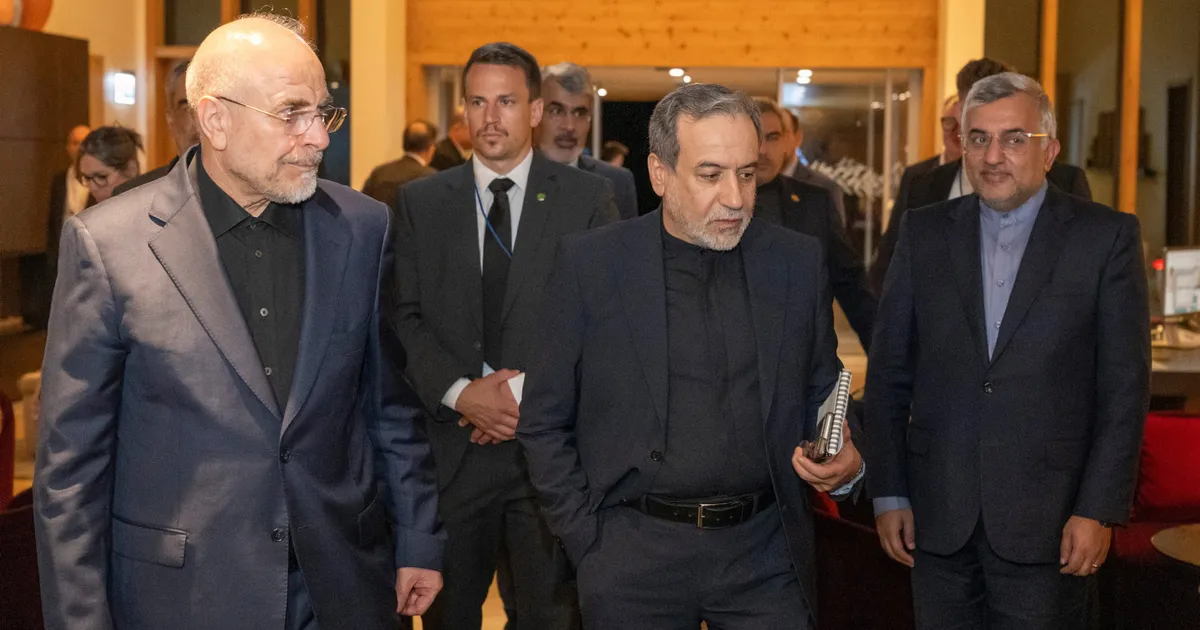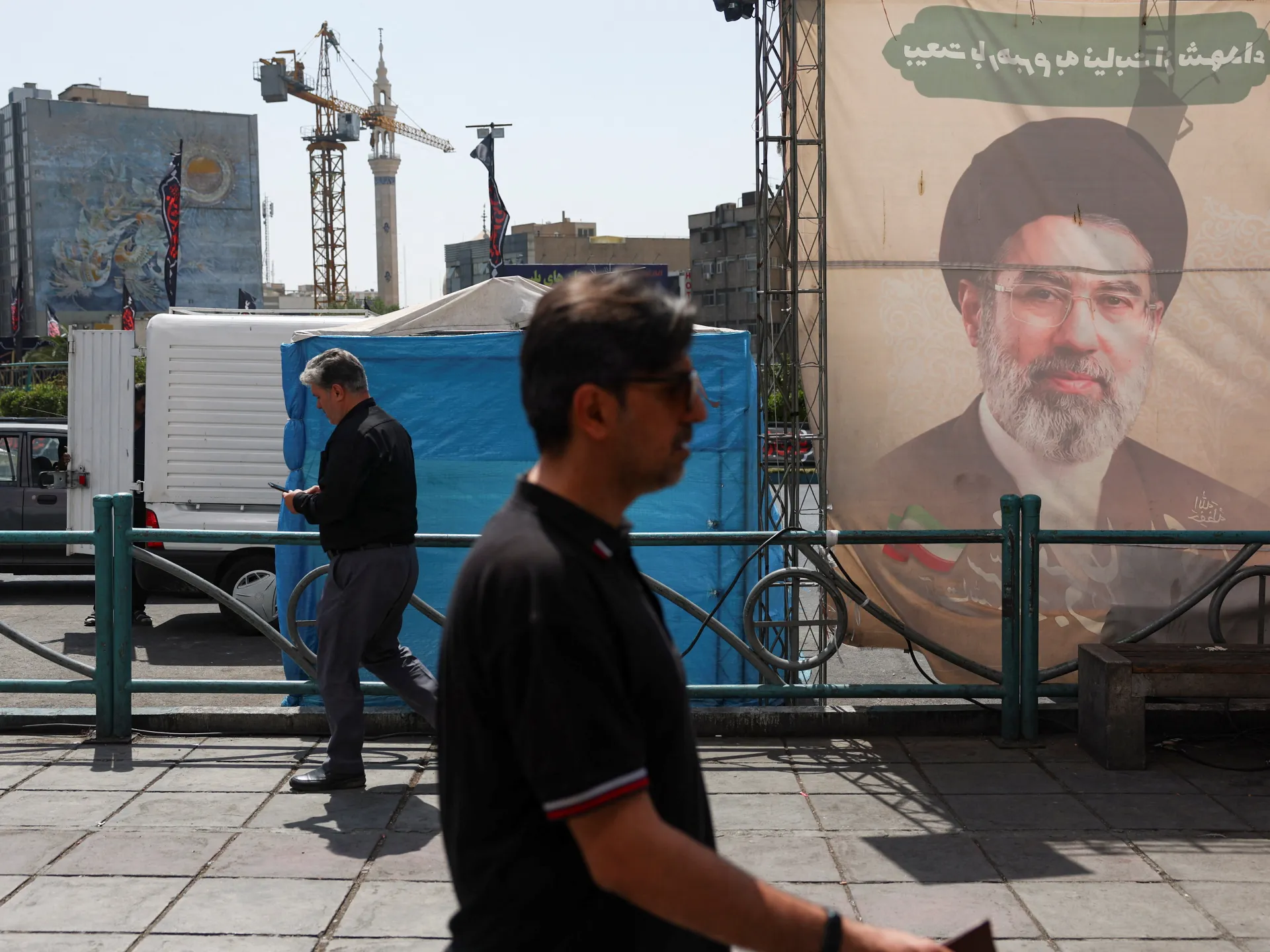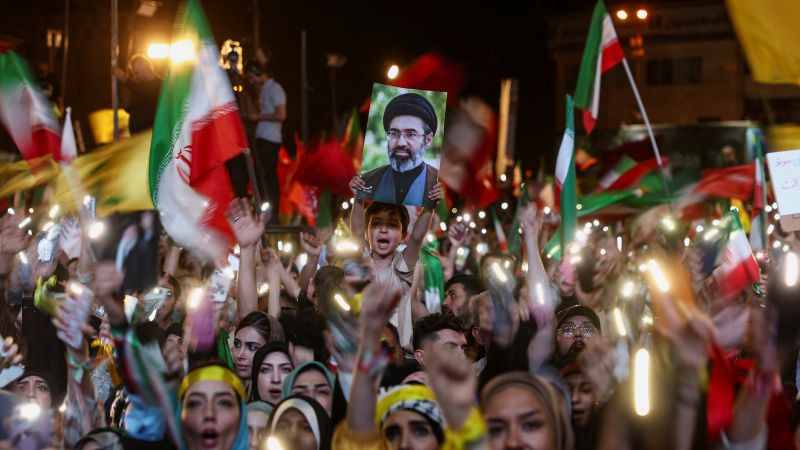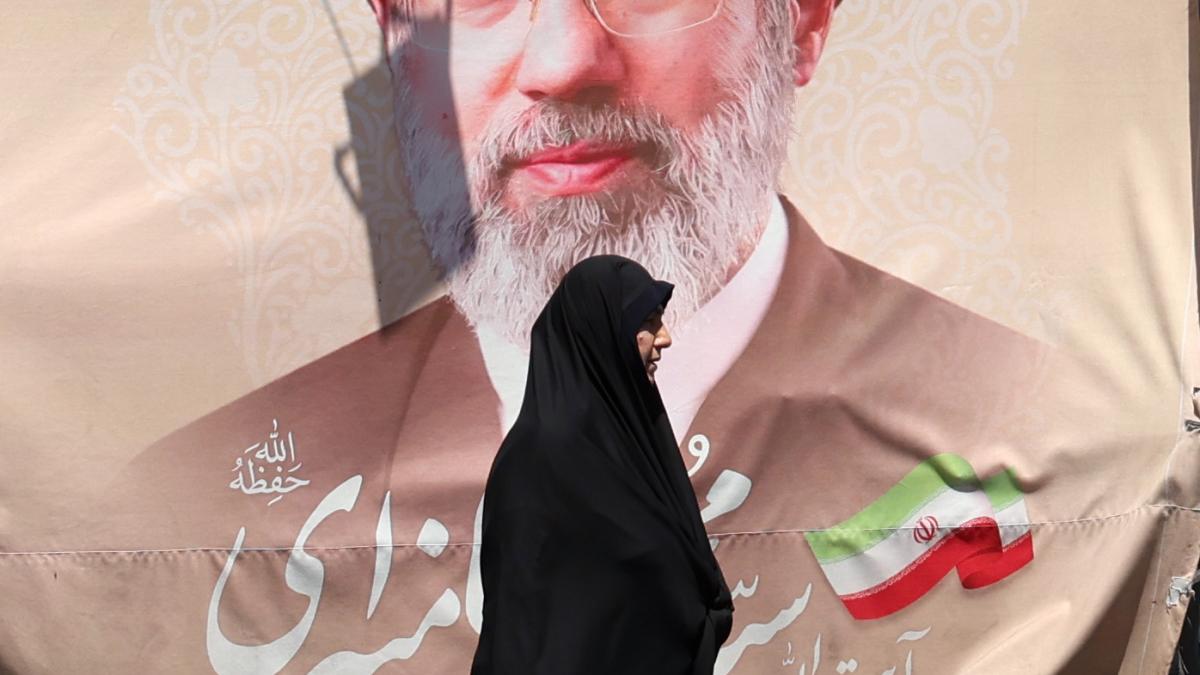
Two unusual incidents within a day of each other have exposed how deeply contested Tehran’s memorandum of understanding (MOU) with Washington has become inside Iran’s own establishment, just months into Mojtaba Khamenei's tenure as supreme leader.The first challenge came from the Assembly of Experts, the clerical body that oversees the supreme leader. Sixty-three of its 88 members issued a statement on June 29 urging negotiators to hold firm to the "red lines" set by Khamenei. While addressed to the “people of Iran,” the text read more like a direct warning to the negotiating team.Hours later, the assembly's secretariat scrambled to clarify that the statement did not represent the body's official position, branding it “unusual and unconventional.”
Meanwhile, a day later, state broadcaster IRIB abruptly cut a pre-recorded interview with parliament speaker and lead negotiator Mohammad Baqer Qalibaf mid-answer, right as he was addressing the unfreezing of Iranian assets under the MOU.The parliament's media office noted the tape had been delivered more than two hours before airtime with no prior coordination sought regarding the cut. The incident instantly fueled speculation that senior executives at IRIB oppose the deal with the United States and are actively seeking to undermine the negotiating team.Analysts who track Iran's internal factional balance say the two episodes, while different in form, reflect the same underlying reality: With the personal authority of the late Supreme Leader Ayatollah Ali Khamenei no longer available to enforce discipline, domestic institutions are testing how much room they have to shape the narrative."We can read two different messages out of this," Babak Dorbeiki, a UK-based political analyst, told RFE/RL’s Radio Farda regarding the assembly statement.Externally, Dorbeiki said, the pressure serves Mojtaba Khamenei well; rising through a security-brokered succession without an independent power base of his own, it allows him to signal to Washington that his hands are tied, while the statement's unofficial form protects his own room to maneuver. Internally, it signals a sharpening factional competition."It's practically the voice of the whole institution," Dorbeiki said of the 63 signatures, suggesting the unofficial rollout may have been deliberate, since a formal institutional statement that blunt would never have cleared the secretariat mid-negotiation.He framed the deeper contest as a battle between an ideological, security-aligned current in the Islamic Revolutionary Guards Corps (IRGC) that until recently enjoyed outsized influence, and a more pragmatic, realist wing of the establishment now gaining ground.