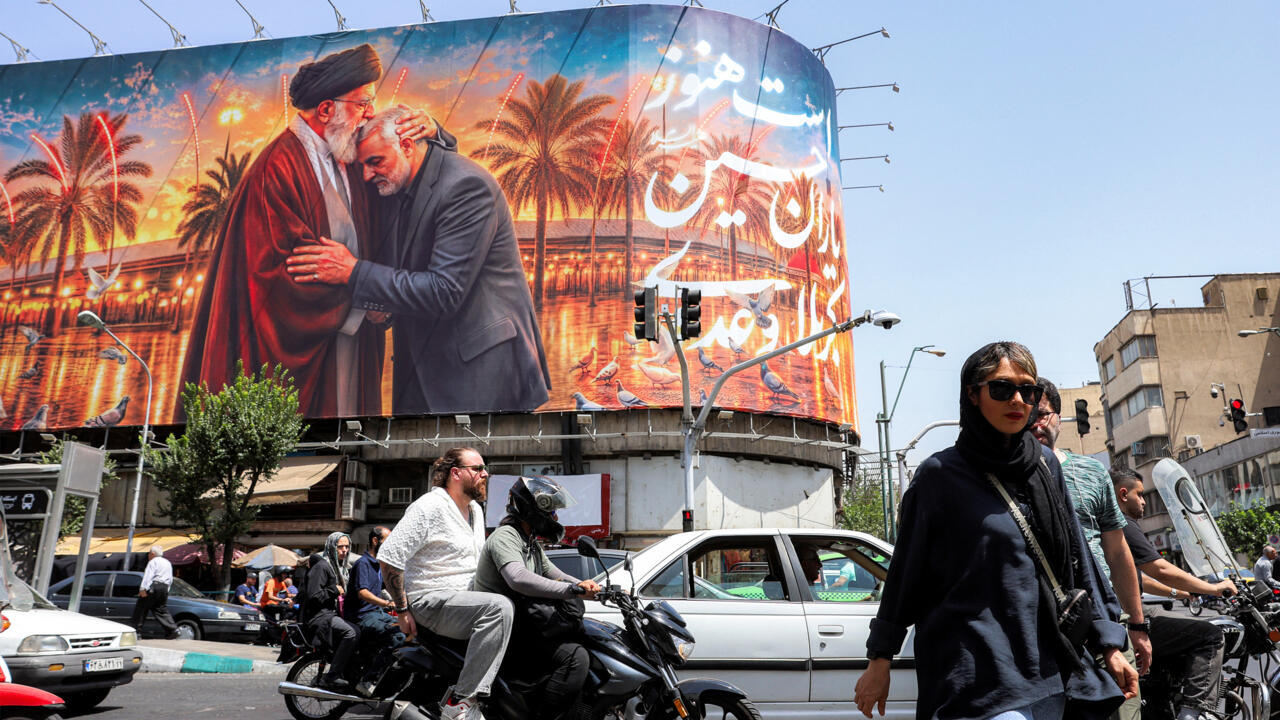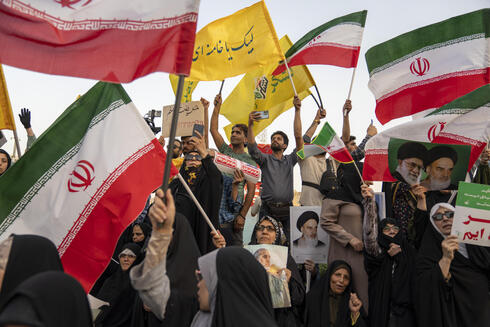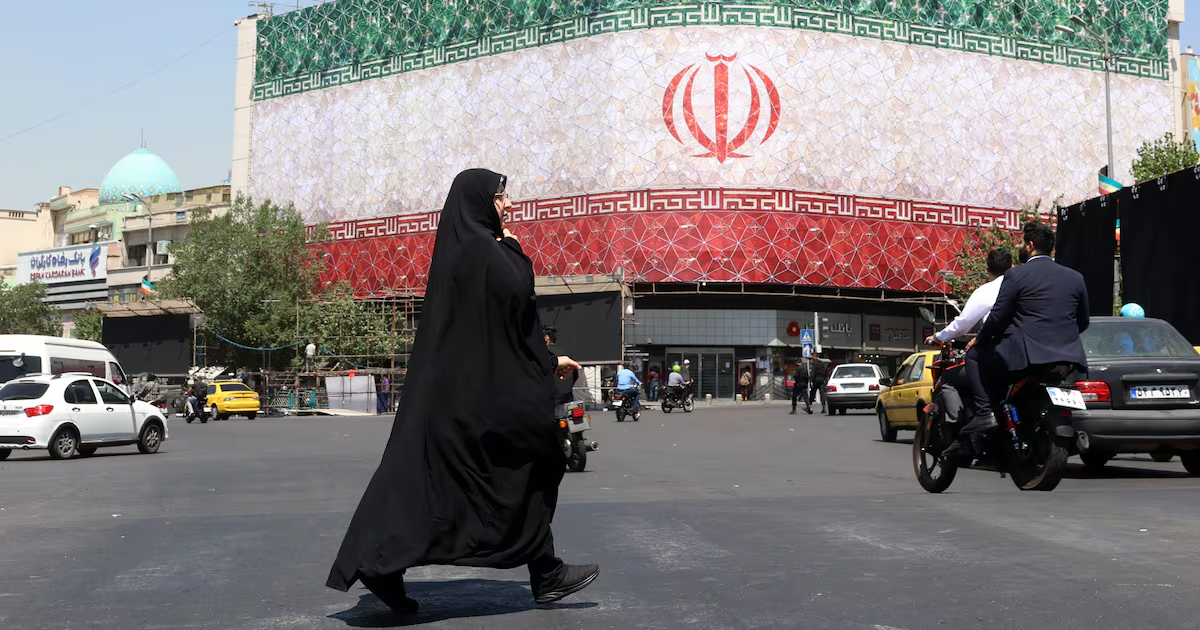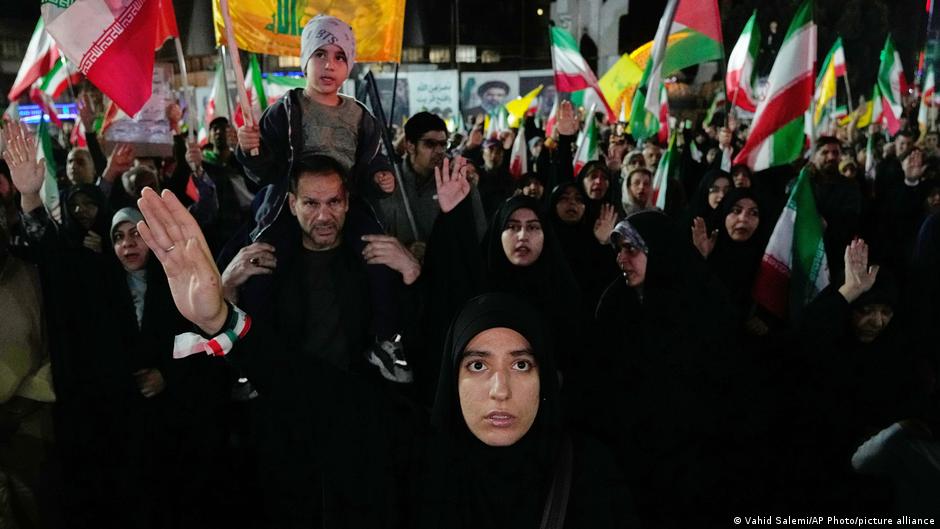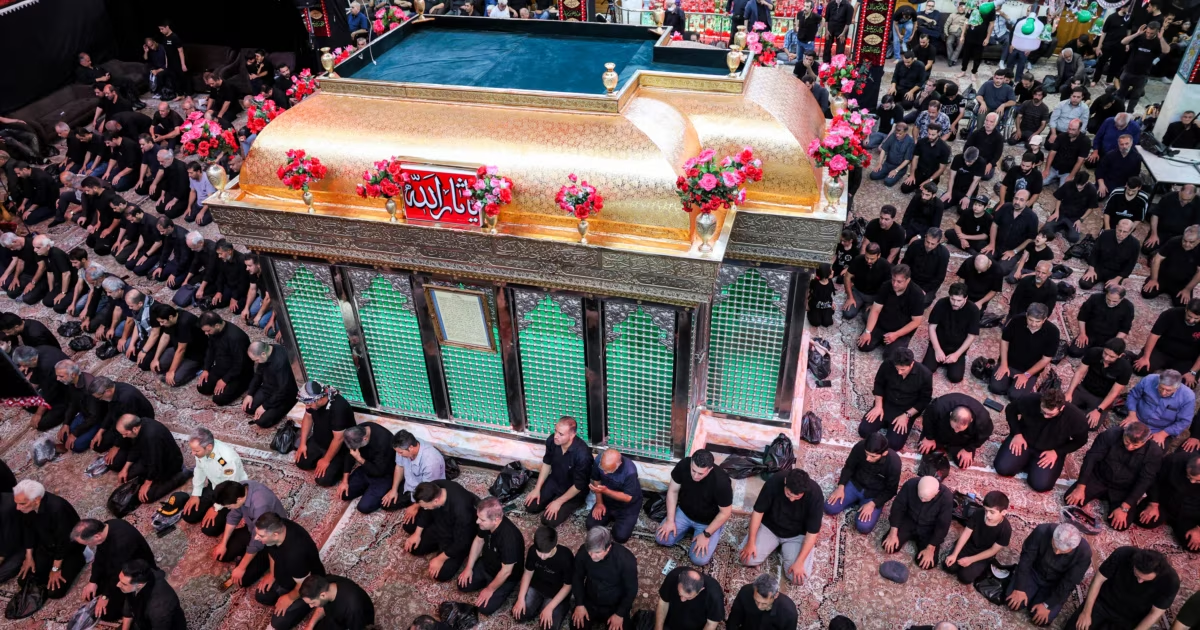
The debate over Iran's potential agreement with the United States has spilled beyond the country's political class and into the religious establishments and street gatherings that have long served as the Islamic republic's most loyal base of support.Since the outbreak of war and the death of Supreme Leader Ayatollah Ali Khamenei in US-Israeli strikes, state-aligned clerics and eulogists have played an outsized role in rallying public support for the Islamic republic and armed forces through nightly gatherings in Tehran's squares and religious pulpits across the country.But as a preliminary memorandum of understanding with Washington has taken shape, that same base has begun to show fissures and the significance of these divisions runs deeper than a dispute over a single agreement.
For years, the religious pulpit and the street gathering were among the most reliable instruments of political mobilization available to the Islamic republic. Now, amid a landmark diplomatic process, those same instruments are amplifying the state’s internal contradictions -- at a moment when its new supreme leader has yet to appear in public or be heard on camera at all.Known in Persian as "maddahan," eulogists lead mourning ceremonies and have long served as key political mobilizers for the Islamic republic.The fault line sharpened after Mojtaba Khamenei, who succeeded his father as the Islamic republic's new supreme leader, issued a statement saying he had "in principle held a different view" on the deal, but had given his permission after President Masud Pezeshkian took personal responsibility for the outcome.