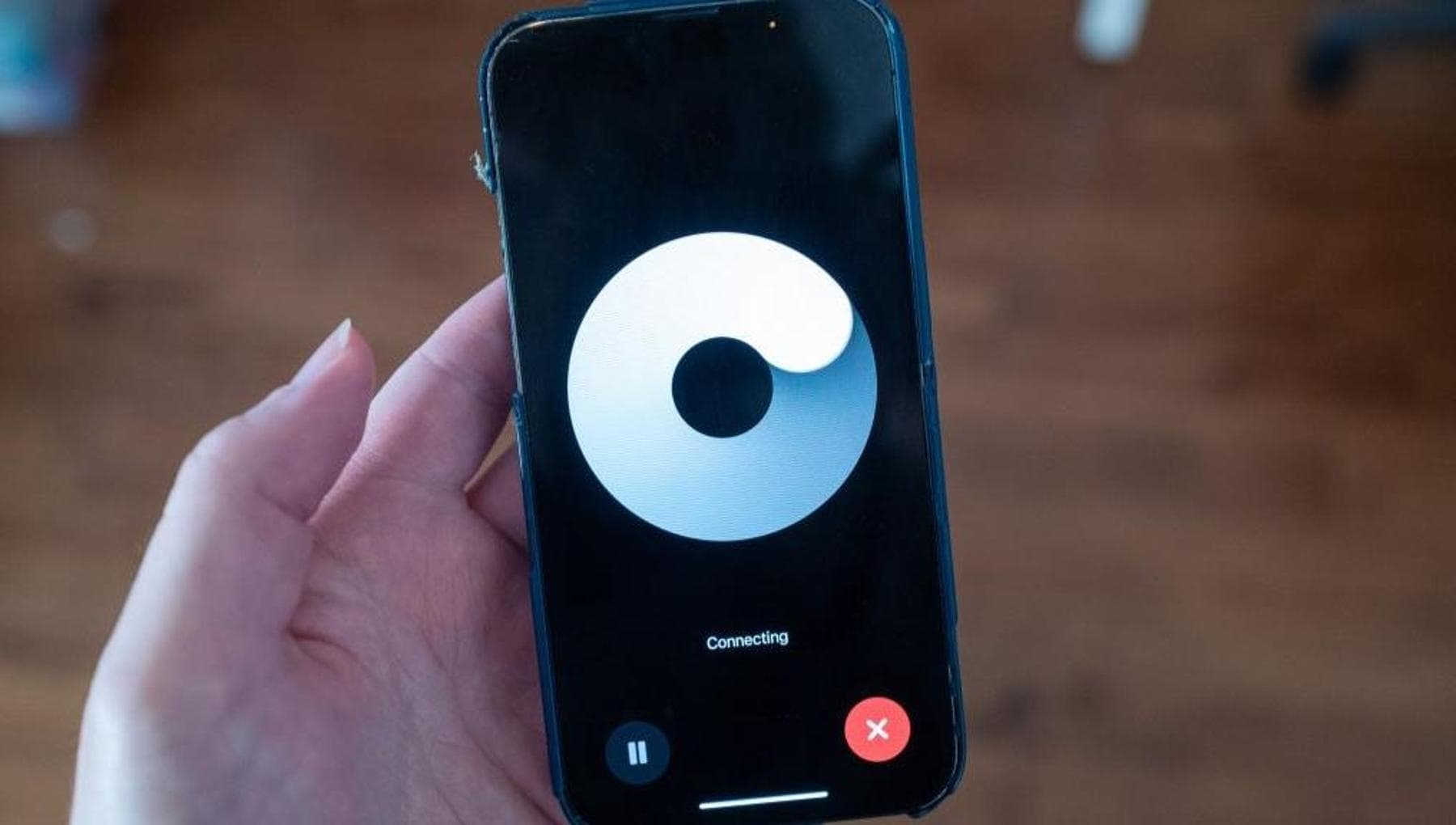
OpenAI is planning its own smartphone built around AI agents instead of traditional apps. According to analyst Ming-Chi Kuo, MediaTek and Qualcomm will supply the chips, and mass production could start soon.
OpenAI's first AI hardware might just be the usual: a smartphone. According to analyst Ming-Chi Kuo, OpenAI is teaming up with chipmakers MediaTek and Qualcomm, plus manufacturing partner Luxshare, to build its own AI smartphone.
Mass production was originally slated for 2028, but Kuo now says it could start as early as the first half of 2027, likely tied to OpenAI's planned IPO and the heating-up AI hardware race.
But OpenAI's pitch is the software running on the hardware: an AI agent that handles tasks for users instead of routing them through separate apps, a service that might work better if OpenAI controls the hardware and OS itself. The company has the brand, the user data, and the models to try it, with revenue likely coming from a mix of subscriptions and hardware sales.
A conceptual visualization of OpenAI's agent software by analyst Ming-Chi Kuo shows how today's app icon grid could evolve into an agent task stream. | Image: Ming-Chi Kuo