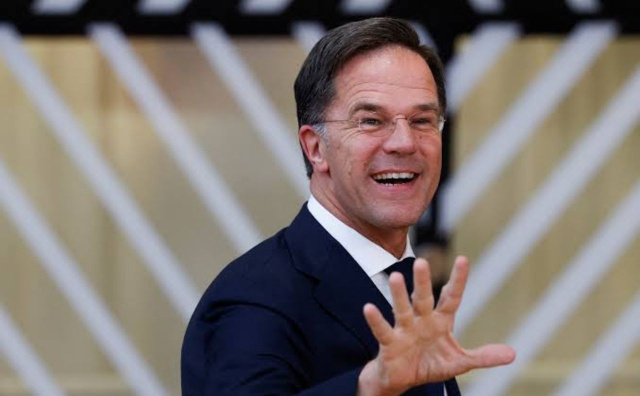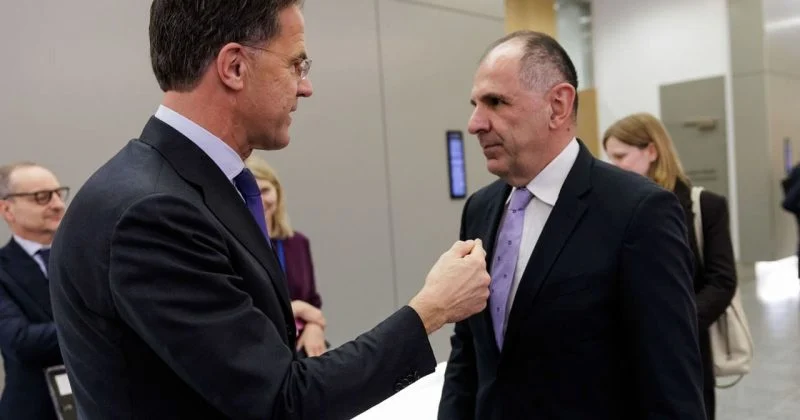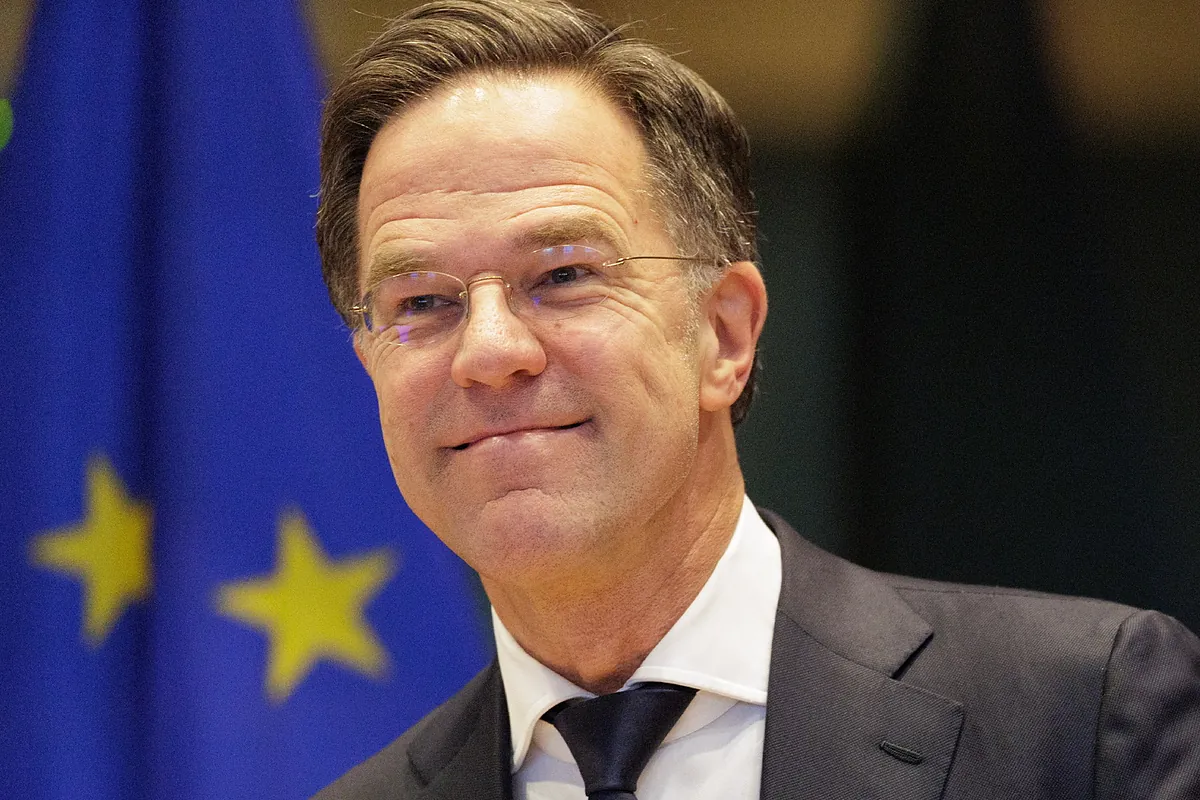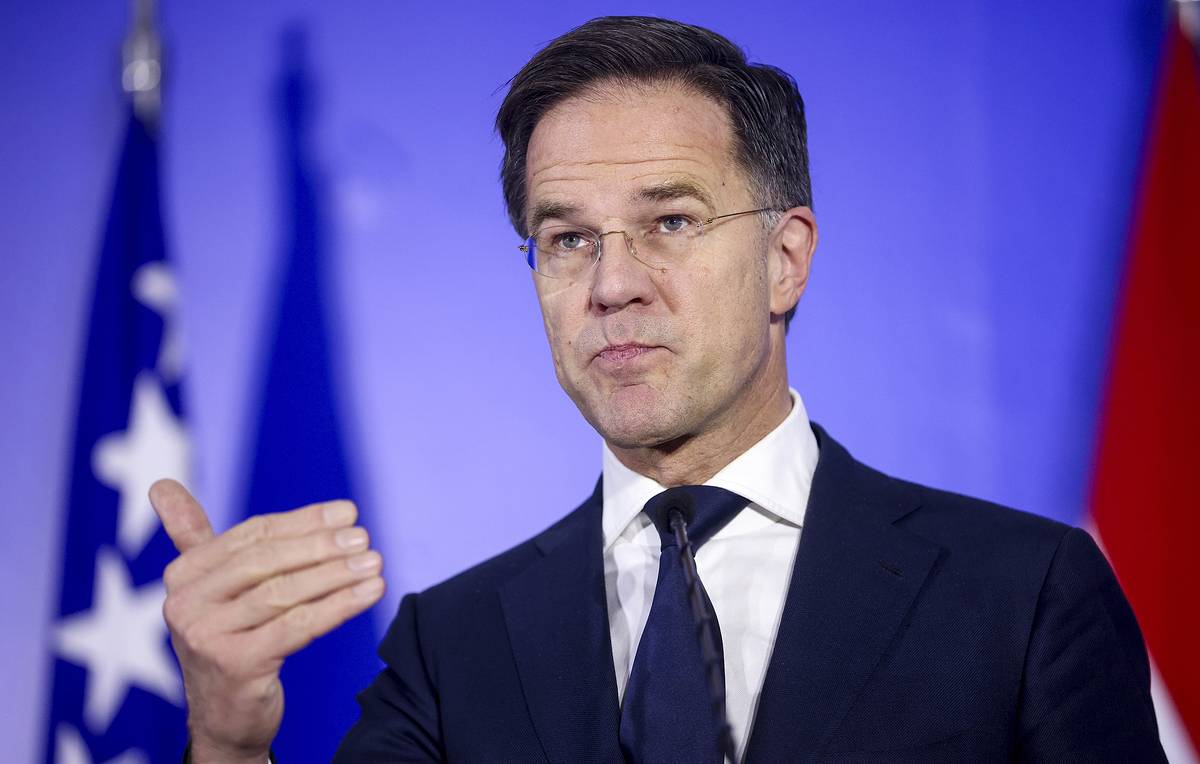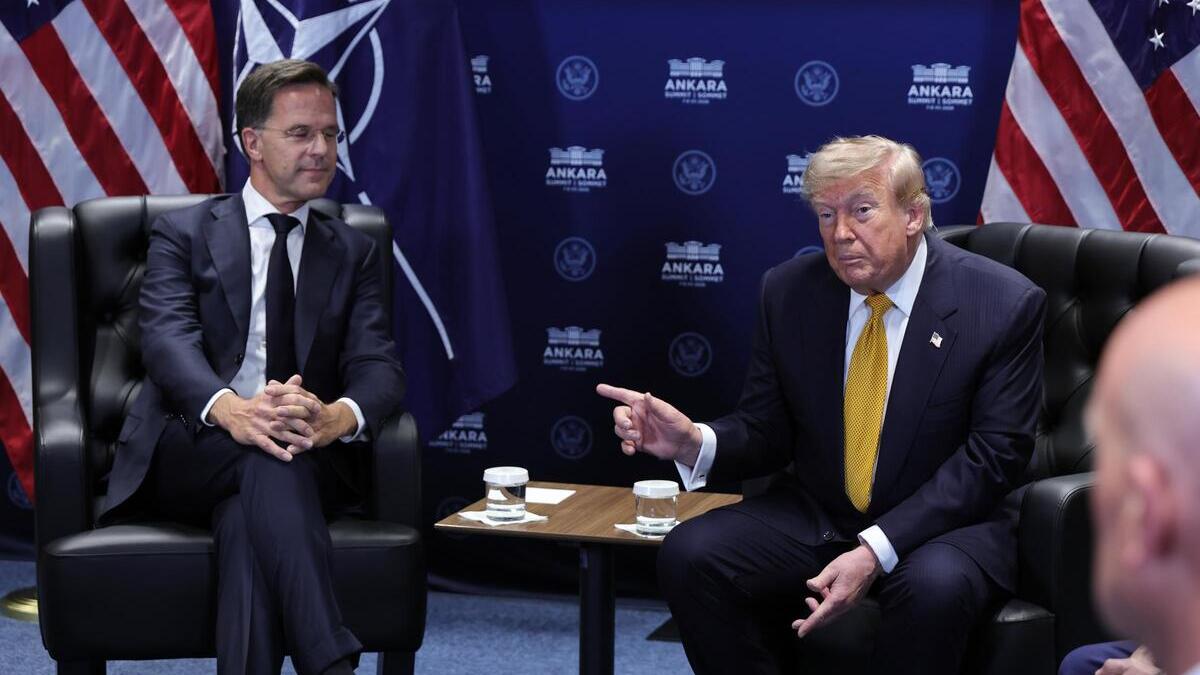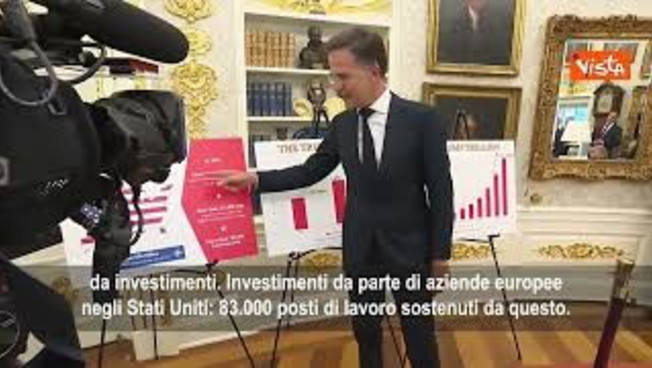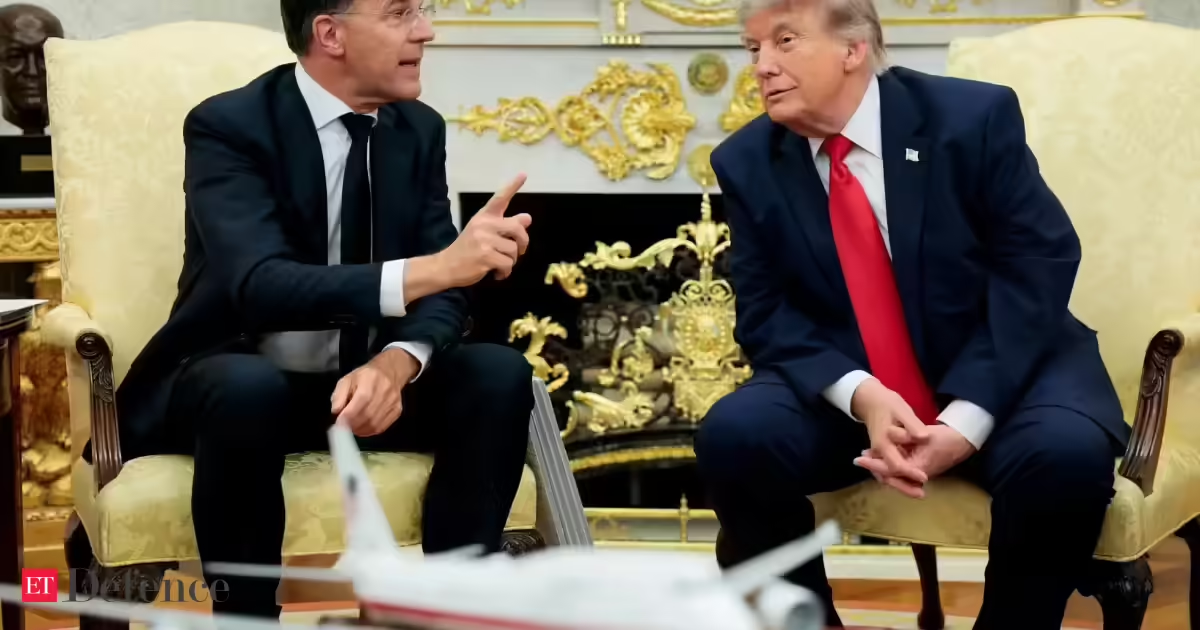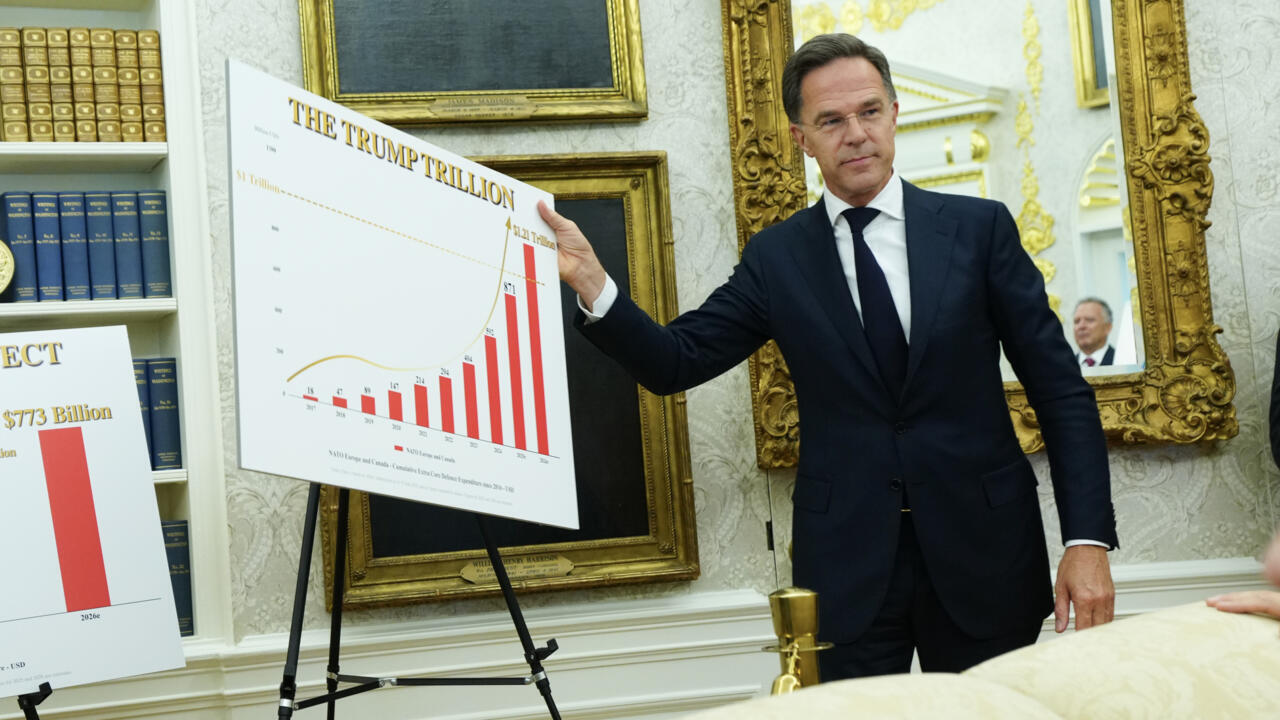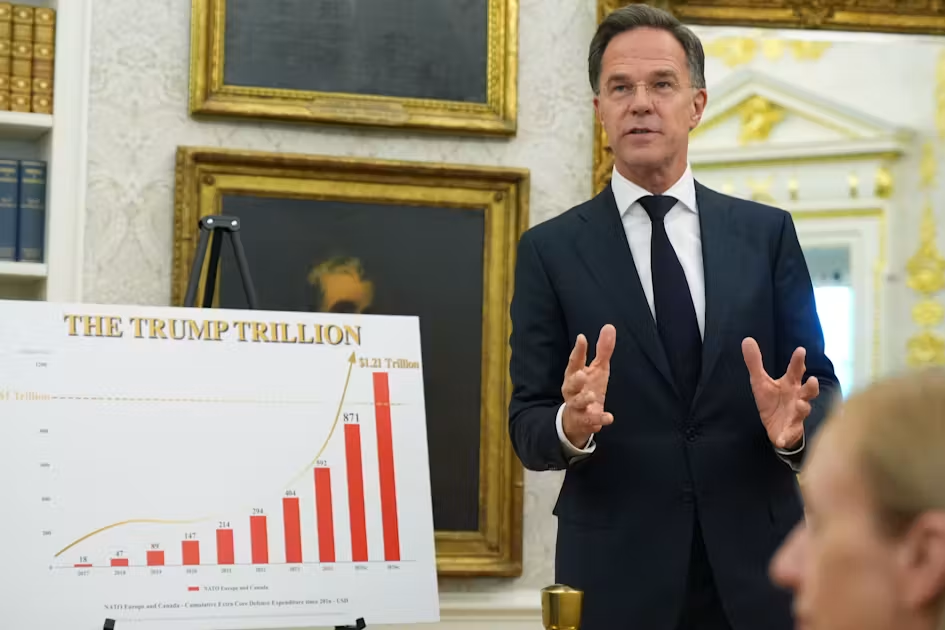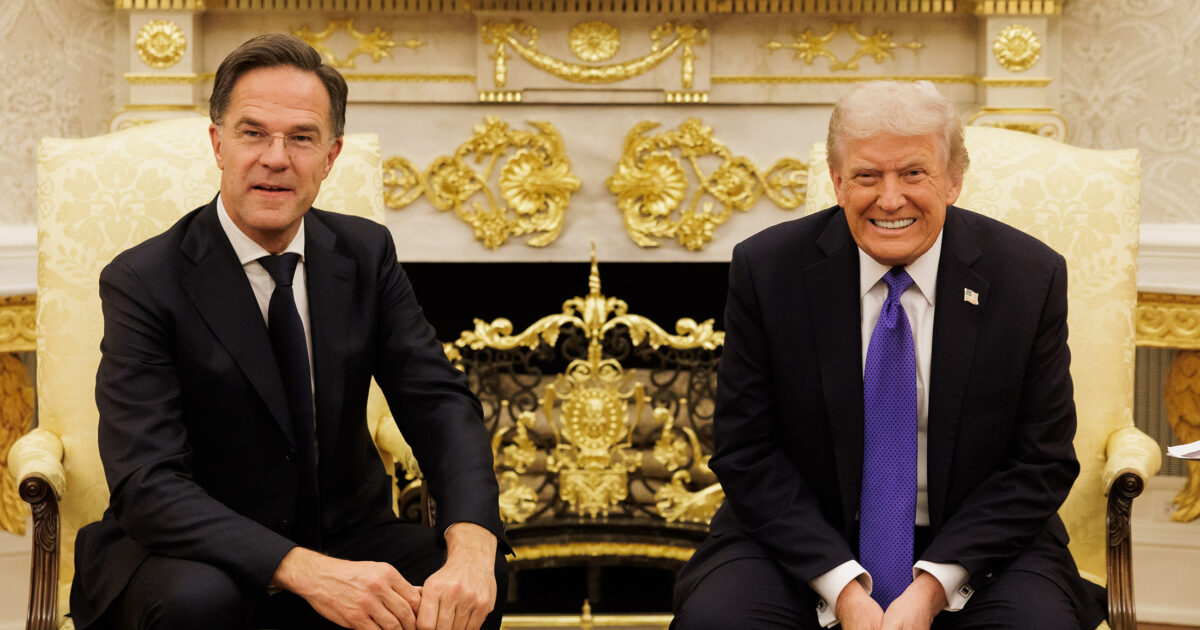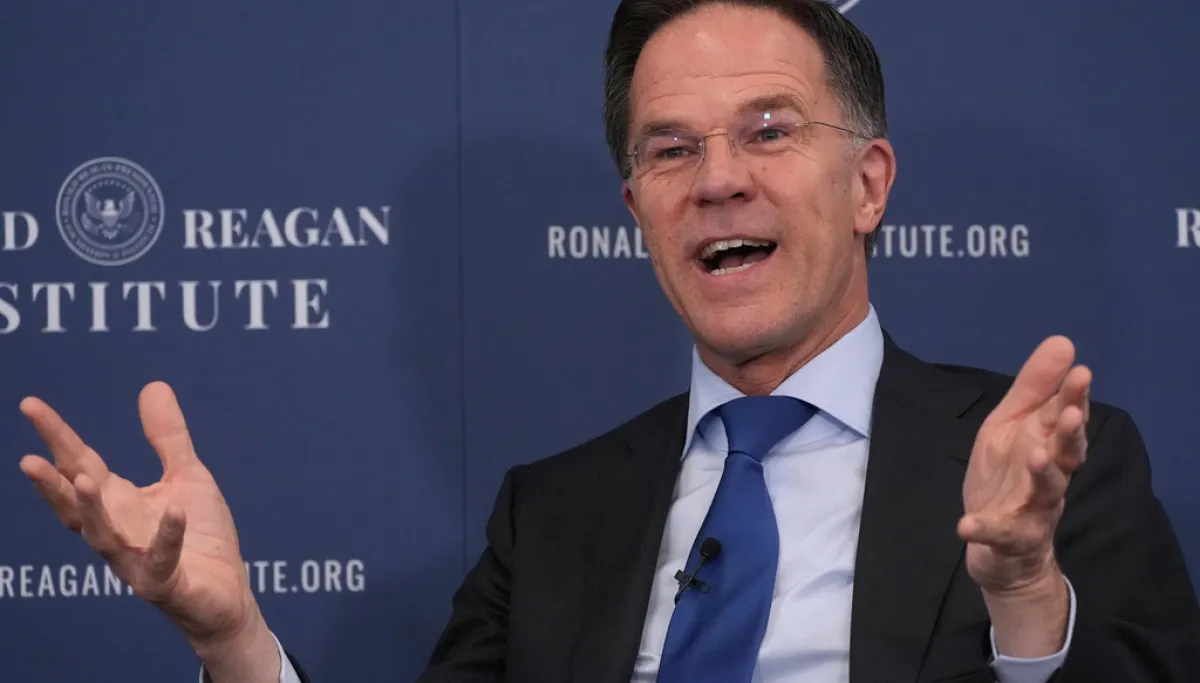
NATO Secretary General Mark Rutte sought to tap into America First sentiment in the United States to argue for the continuance of European rearmament, saying it was sustaining 195,000 defense jobs in the U.S.In an interview with the Financial Times, Rutte outlined the U.S.-centered economic case for rearming Europe, saying the U.S. was processing $300 billion in arms sales to Europe and Canada. These arms orders maintain 195,000 U.S. defense jobs, he said.Rutte pitched the agreement as mutually beneficial, as only the U.S. had the industrial base to properly produce weapons at scale.
“[For] some key capabilities… Europe can basically only acquire, or at that level of quality, acquire from the United States,” he said. “There is a strong defense industrial base in Europe, which is also ramping up its production, but still the U.S. defense industrial base is extremely important for the overall deterrence of NATO.”Rutte ceded that limited production capacity was a major problem in both the U.S. and Europe, but that the recent surge in defense spending was permanently growing the defense industrial base.“The good news is that the extra production lines, the extra shifts, are being built… [arms producers] are getting the message that when it comes to the shift in mindset, that the money is now there, the budgets are there, and they should not increase prices, but they should increase production,” Rutte said.While the industrial base was growing, it still had some way to go, especially after further strains were placed upon it by the U.S.-Israeli war with Iran. For that reason, many NATO countries have had to purchase some capabilities elsewhere, such as from South Korea.With the current defense industrial base, Rutte said that there was a ceiling to what could be produced. The current maximum is around $250 billion in two years, which he called “maximum absorption capacity.”The large amount spent also signaled to the U.S. and Trump that “Europe and Canada are stepping up,” both for their own militaries and to arm Ukraine.Aside from simple economics, Rutte argued later in the interview that NATO was also a key element of the U.S.’s international influence.“So my argument last week was that Europe again is one big platform of power projection for the United States. And I’m not saying these isolated cases, reason for disappointment, are not there, but the general picture is very positive,” he said, referring to NATO allies that refused to help the U.S. during its war with Iran.TRUMP CHANGED HIS TUNE ON UKRAINE, BUT DON’T EXPECT THE CASH SPIGOT TO TURN BACK ON SOONRutte has gone into overdrive in recent months to smooth things over with Trump, as the president’s anger with NATO reaches an all-time high. No NATO ally joined the war against Iran, and several refused to let the U.S. use their air bases. The president viewed the failure to come to his aid as a direct betrayal and has floated several retaliatory measures. The U.S. slightly drew down its forces in Europe after they failed to help, triggering panic in many European capitals.The NATO secretary general’s close personal relationship with Trump has helped ward off more drastic actions from the president. The July 7-8 NATO summit in Ankara, Turkey, is widely viewed as a make-or-break moment for the alliance, with Rutte set to play a central role.