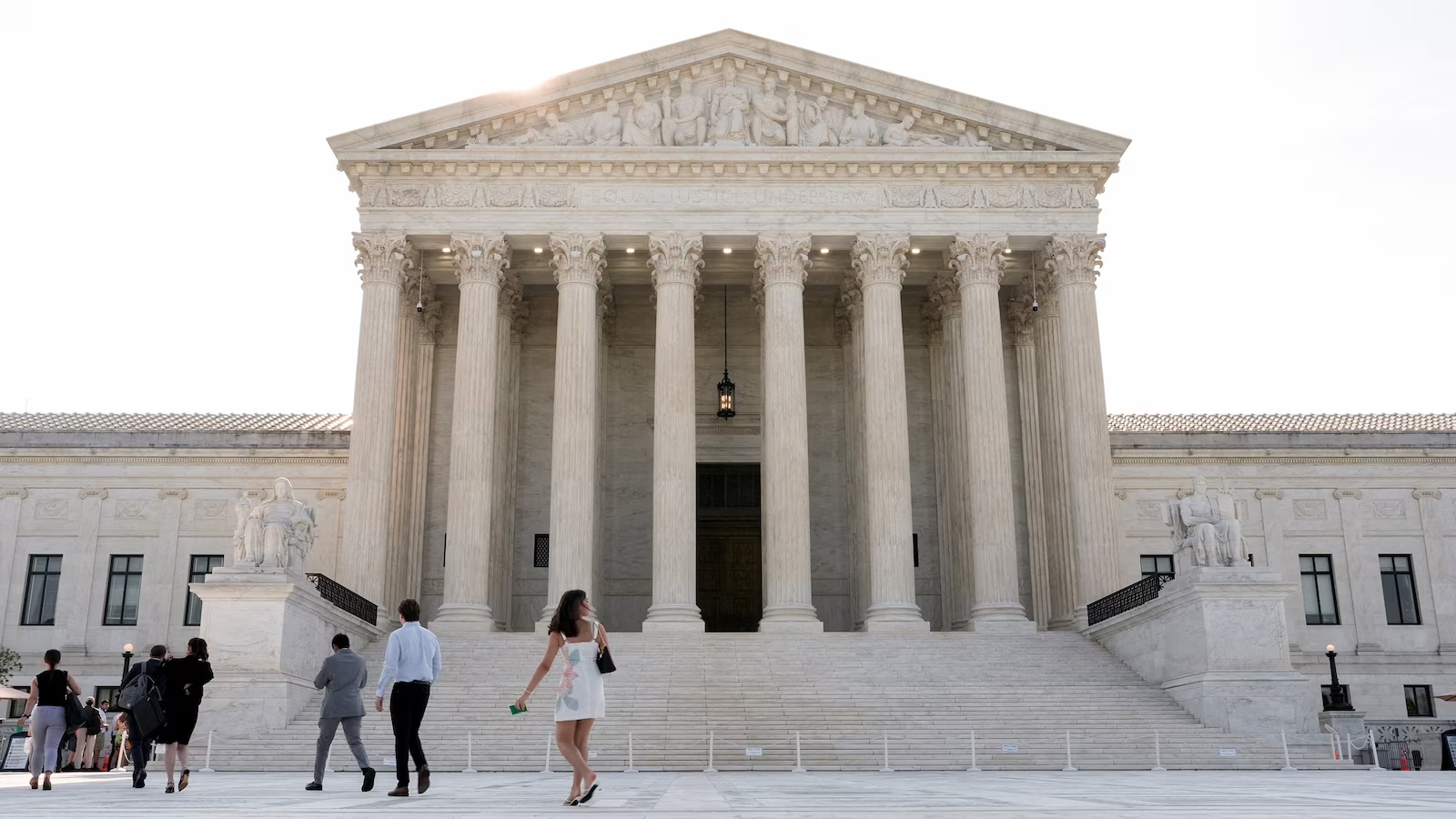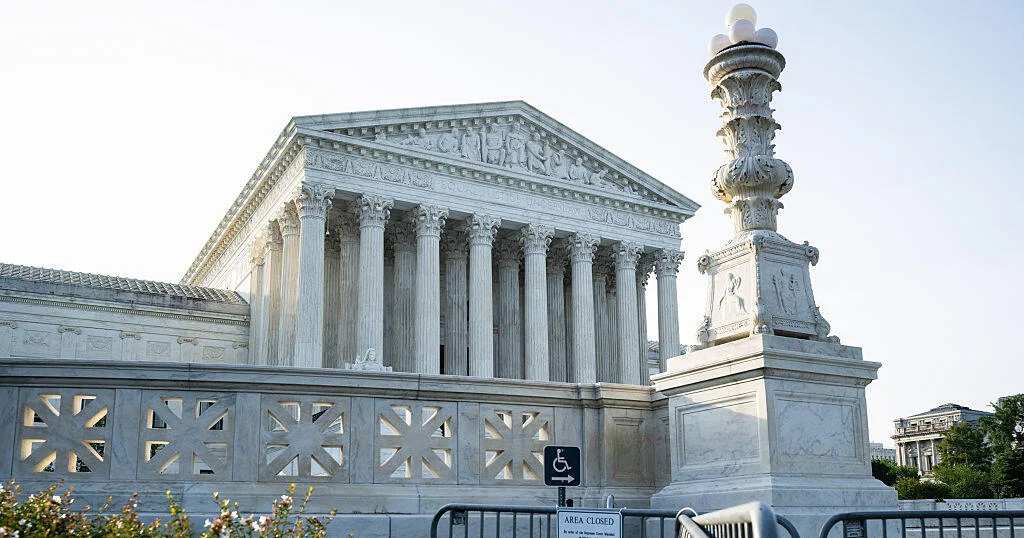
On Tuesday, the Supreme Court struck down limits on how much political parties can spend in coordination with candidates. Without those caps, the way parties raise and spend money could quickly change.Before this decision, national political parties had to operate two sets of funds, according to Robin Kolodny, a political science professor at Temple University. The first one was for “coordinated” spending, where the main office consults with a candidate’s campaign, and the second one was for a larger fund for “independent” spending, where the party isn’t allowed to coordinate with the candidate. “Now, there is no distinction between that independent expenditure spending arm and the central office,” Kolodny said. So, candidates and parties can jointly decide how to spend all of that money. That new freedom will likely lead to parties asking more donors for more money, said Ki Hong, head of the Political Law Compliance and Investigations Group at the law firm Skadden.“They are going to point to this case to essentially say, ‘Look, you know, it's a new day, your money can be used for unlimited coordinated expenditures,’” he said.Political parties have lost fundraising ground to Super PACs, which can accept unlimited amounts from donors. The court majority suggested that getting rid of coordination limits could shift some of that influence back to parties. It will likely do something else, argued Erin Chlopak, senior director of campaign finance at the Campaign Legal Center. “I think what it really does is just create another vehicle for wealthy donors to direct money even more directly to candidates.”The ruling, she said, may just increase the total amount of money influencing elections.
High Court's latest campaign finance decision hands more spending power to political parties
Now, candidates and parties can jointly decide how to spend national political party funds.
271 words~1 min read