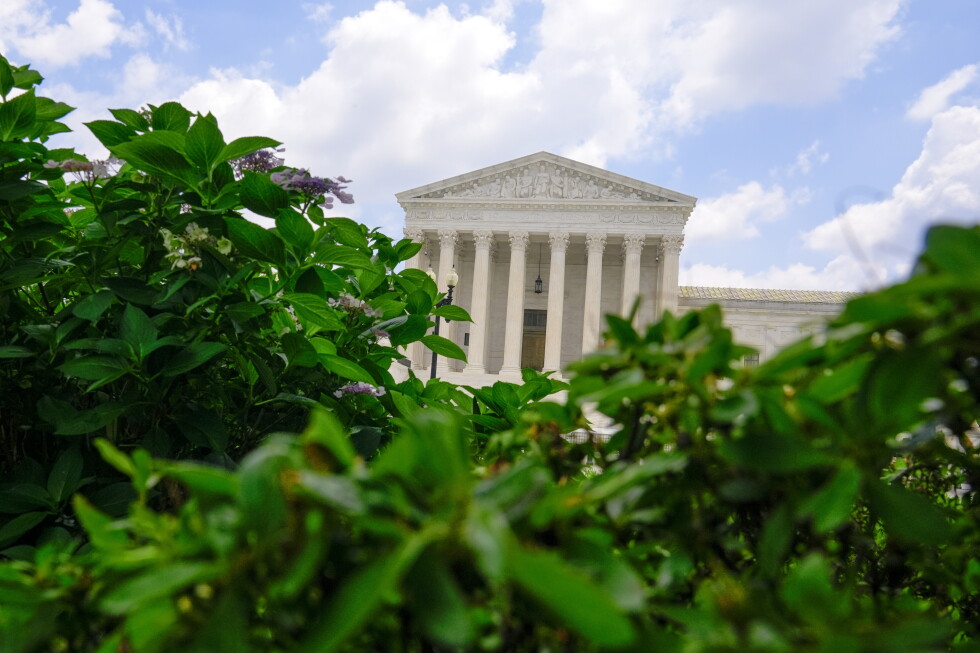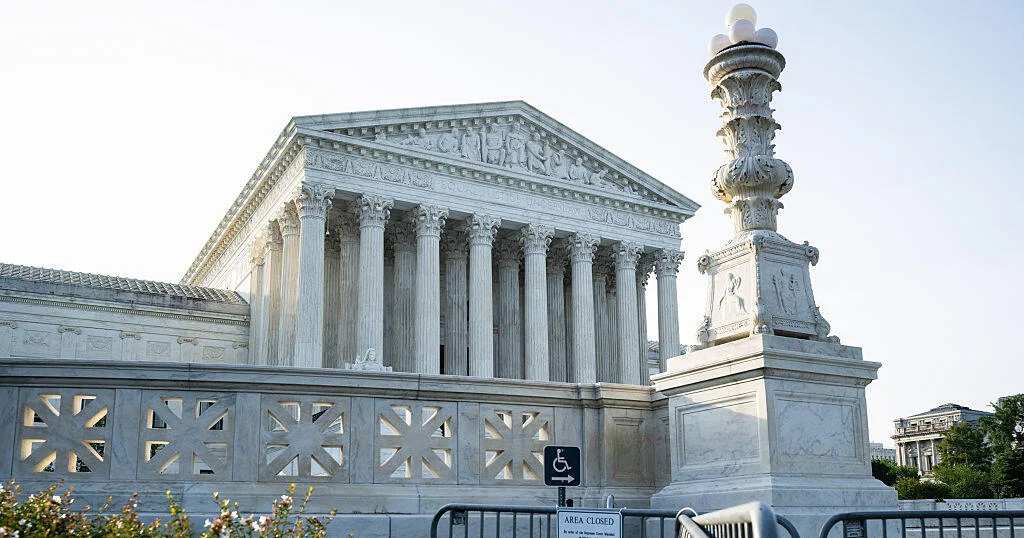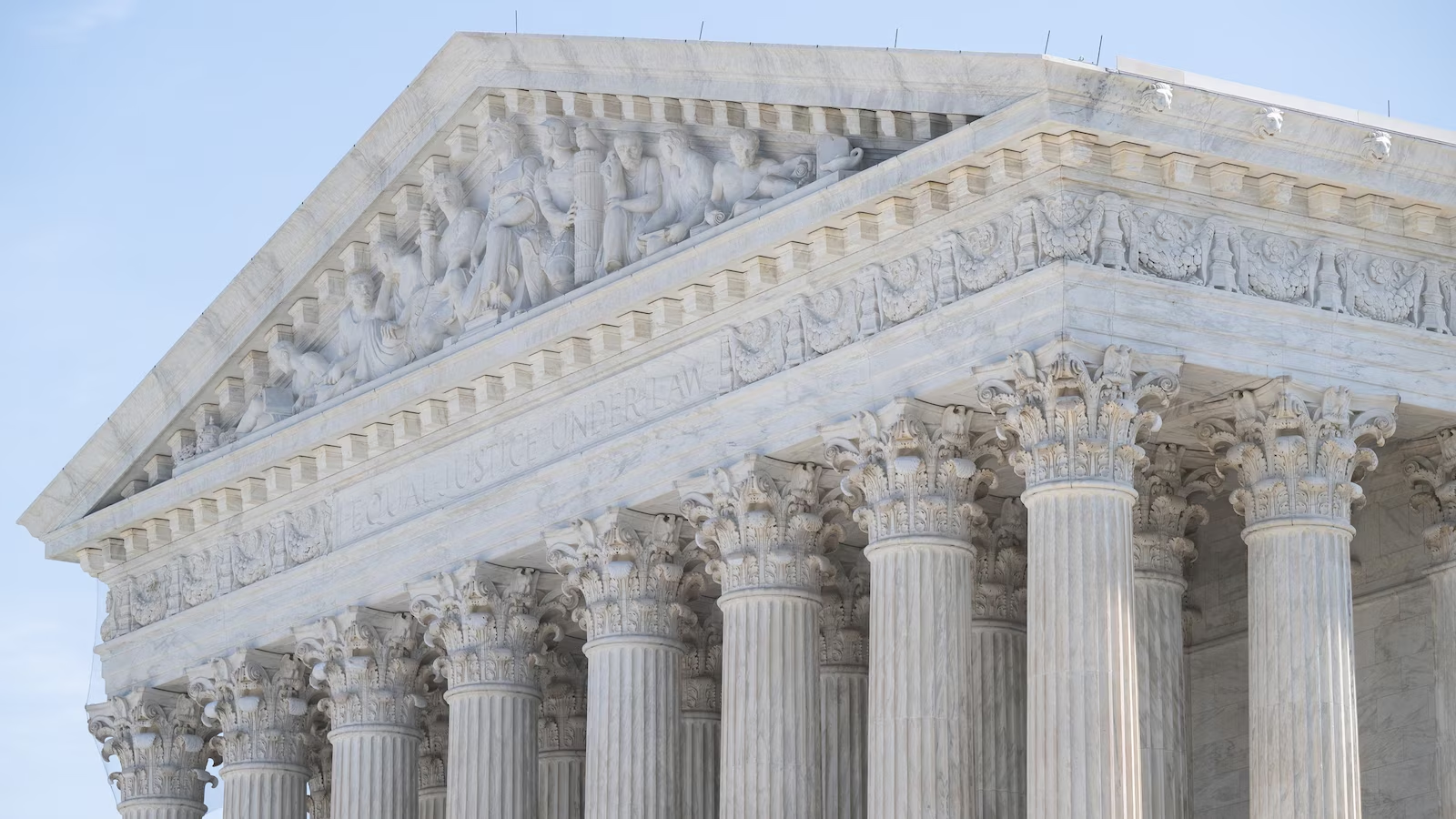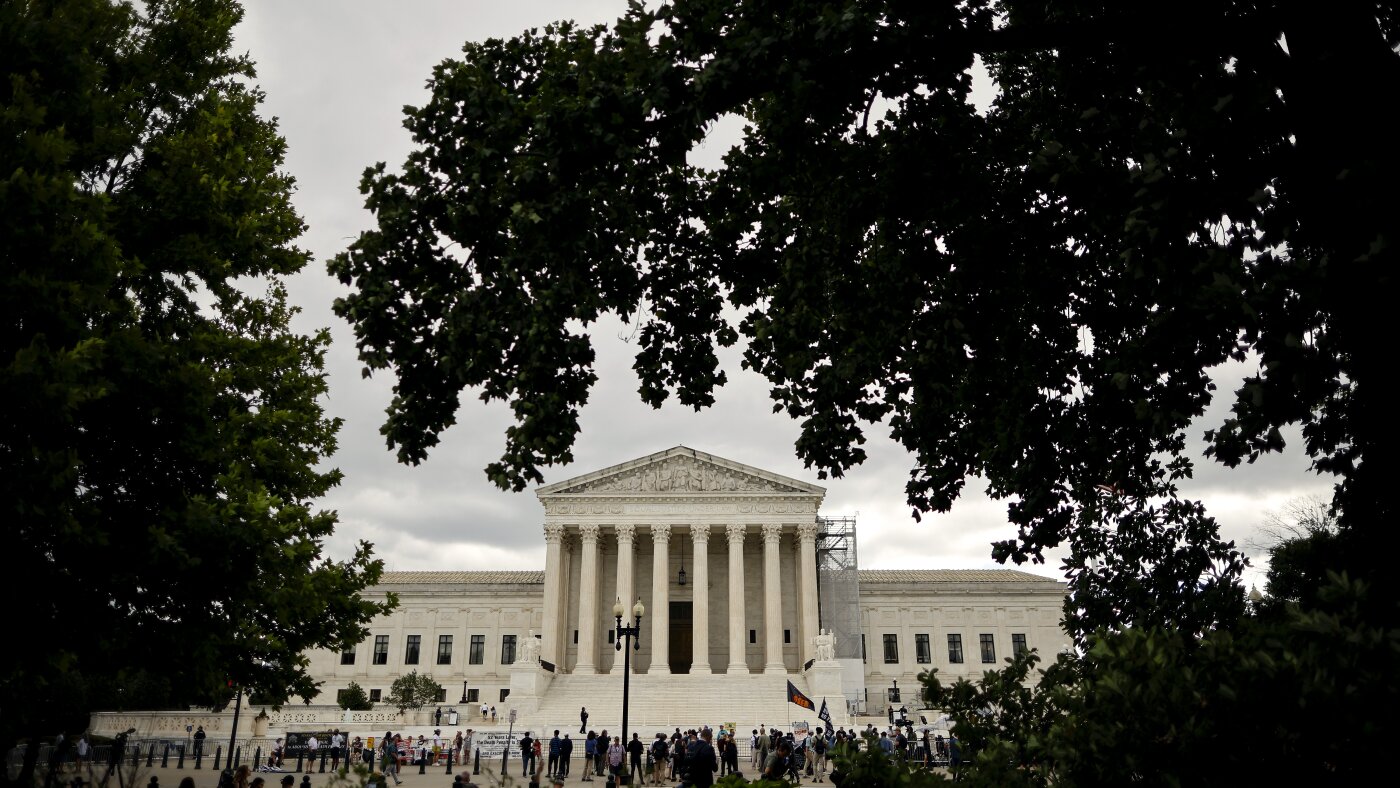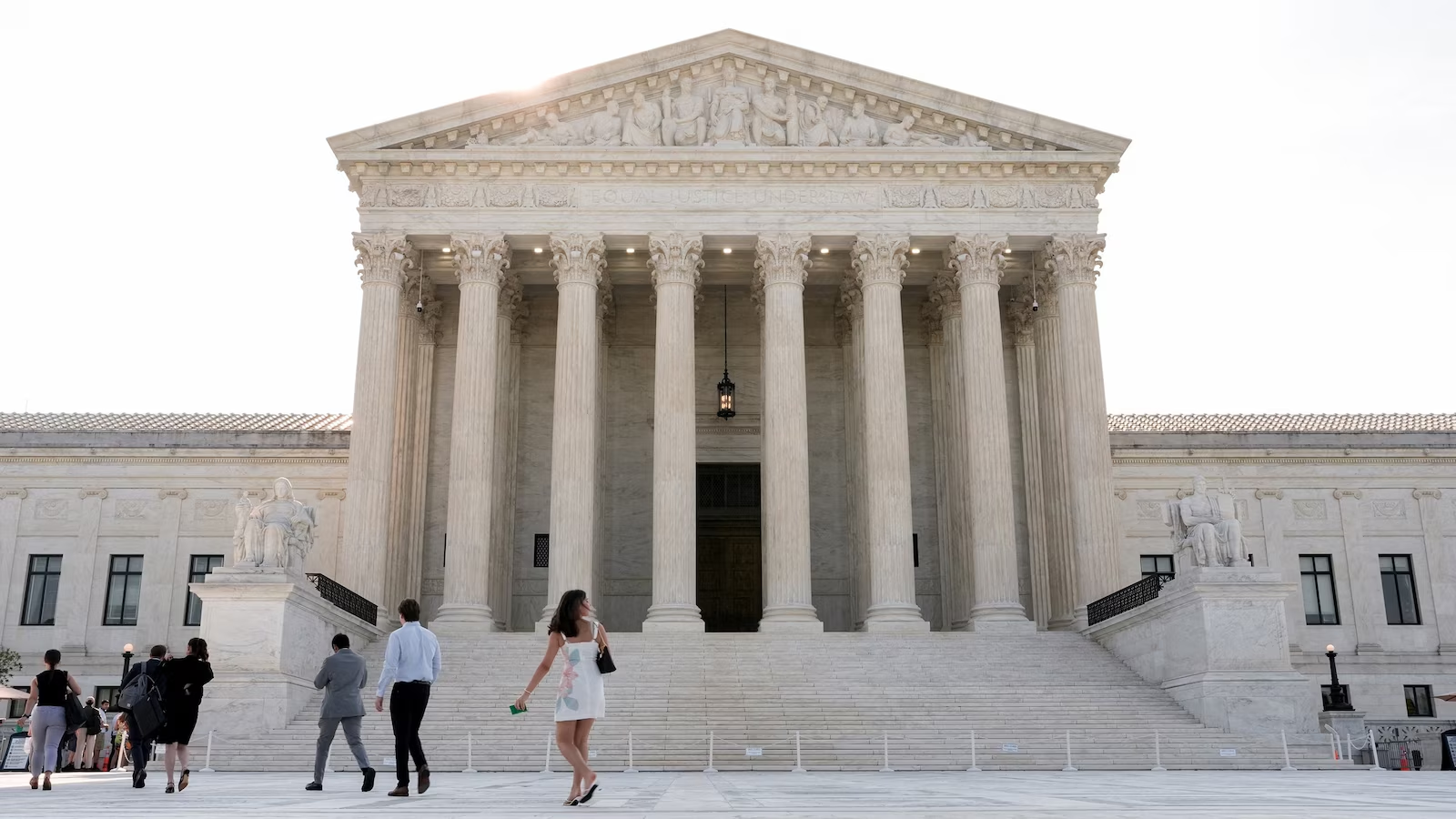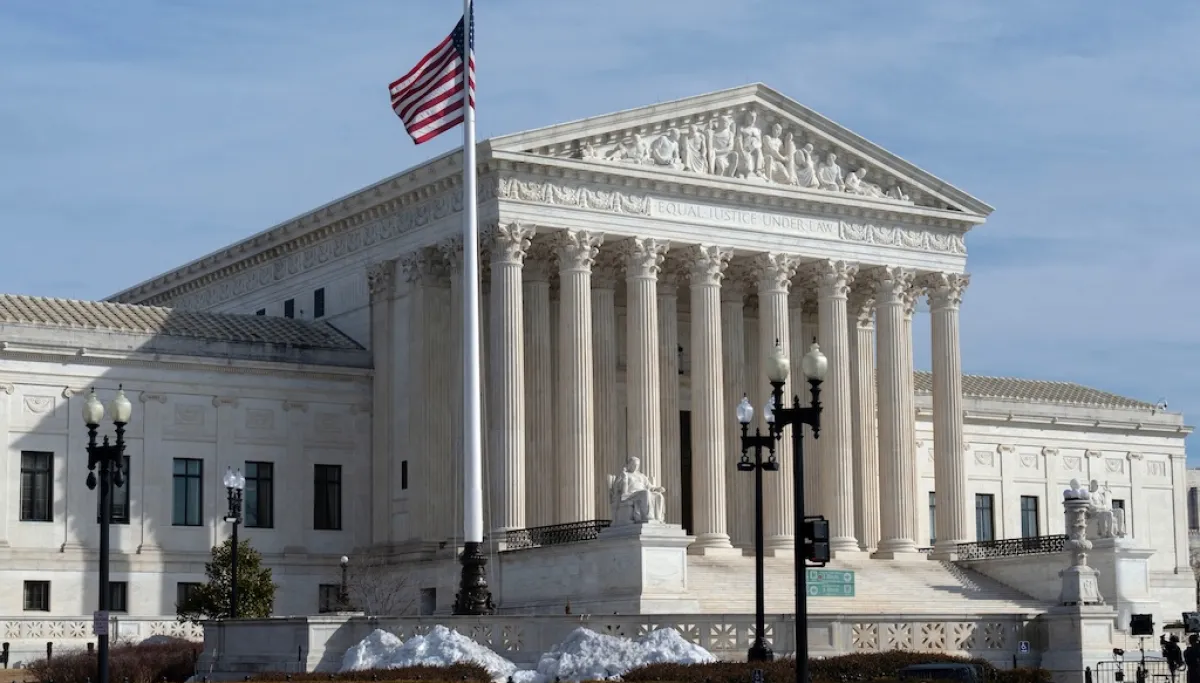
The Supreme Court further loosened federal campaign finance laws on Tuesday, striking down a limit on coordinated spending between political parties and candidates as a violation of a party’s free speech rights.The justices sided with the National Republican Senatorial Committee’s arguments that the coordinated expenditure limits between parties and candidates violated the First Amendment, adding to the high court’s recent trend of paring back campaign finance laws as unconstitutional. Justice Brett Kavanaugh wrote the 6-3 majority opinion, which was joined by Chief Justice John Roberts, along with Justices Clarence Thomas, Samuel Alito, Neil Gorsuch, and Amy Coney Barrett.
“In short, constitutional text, history, and precedent establish that the political-party coordinated-expenditure limits violate the First Amendment,” Kavanaugh wrote. “Importantly, by holding FECA’s political-party coordinated-expenditure restrictions unconstitutional, the Court’s decision today treats all political parties equally.”
“It will allow all political parties—including the DNC and RNC and the respective Senate and House campaign committees, as well as other parties and party committees—to participate more freely and compete more fully in the political process, and to coordinate more closely with their candidates. Whether the Democratic party, the Republican party, or other parties, all political parties and candidates going forward can compete equally under the same rules regarding coordinated expenditures and can structure their fundraising, spending, and political speech on a level playing field as they see fit within the law,” he added.During oral arguments in December, the NRSC and Justice Department both argued for the justices to strike down the FEC limit, while the Democratic National Committee and a court-appointed lawyer argued in favor of maintaining the coordinated spending limits.Kavanaugh expressed concern over campaign finance laws weakening political parties’ power in favor of emboldening outside groups’ power in elections. During the December arguments, Kavanaugh was among the justices who were skeptical of upholding the campaign finance law. Also during arguments, Justice Sonia Sotomayor expressed concern over quid pro quos and other forms of corruption if the coordinated spending limits were lifted, seemingly alluding to Elon Musk and President Donald Trump during her questioning.SUPREME COURT WILL CONSIDER WALKING BACK CAMPAIGN SPENDING LIMITS EVEN FURTHERThe NRSC v. FEC case was one of the four cases the Supreme Court scheduled for this term that are expected to have an impact on the upcoming midterm elections and beyond. The justices also slotted cases this term on candidates’ ability to sue over laws affecting their elections, race-based congressional redistricting, and late-arriving mail ballots.This is a breaking story and will be updated.