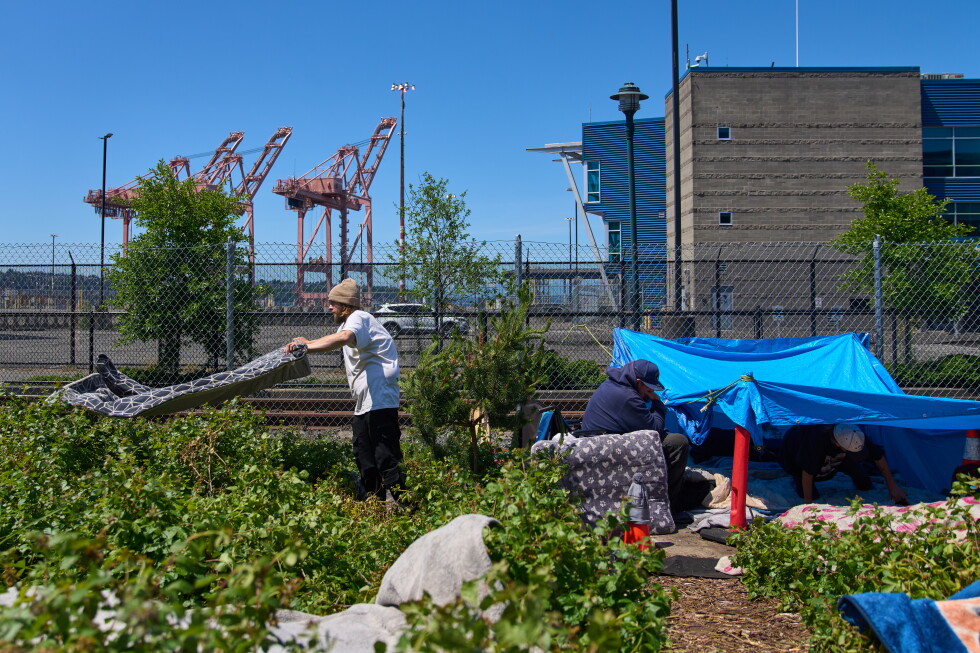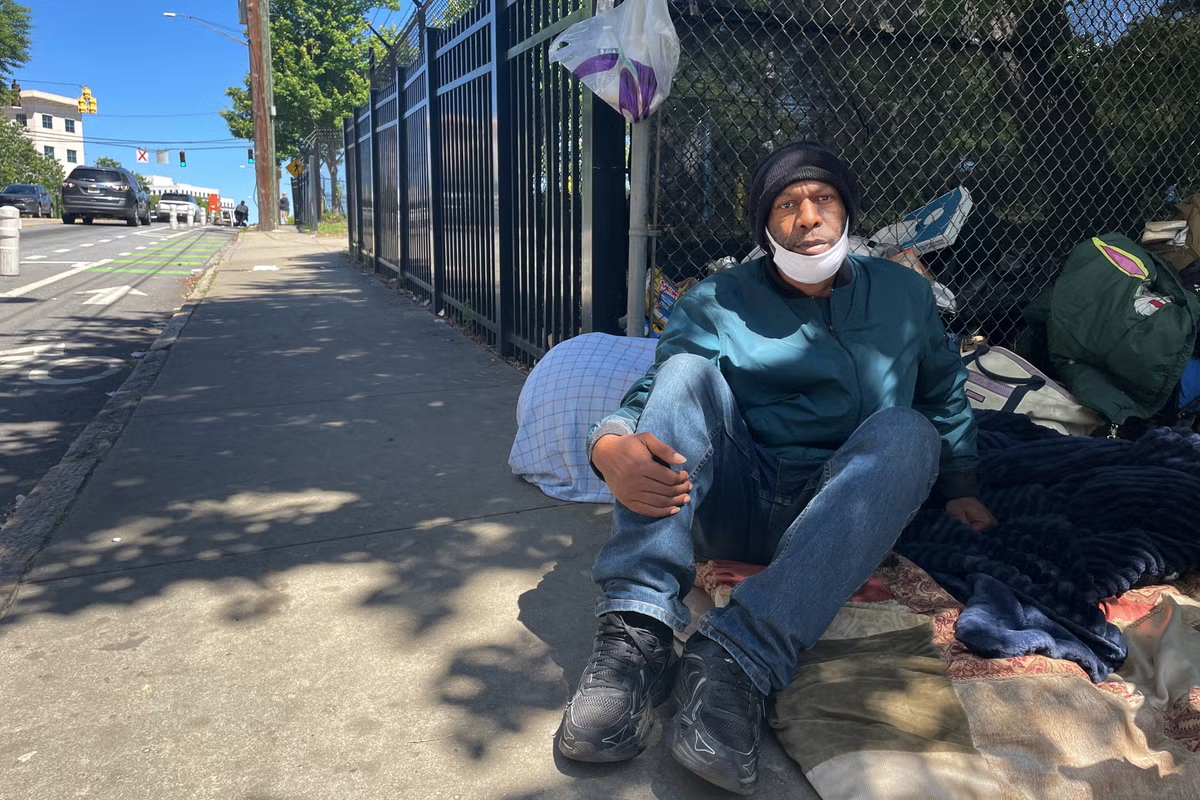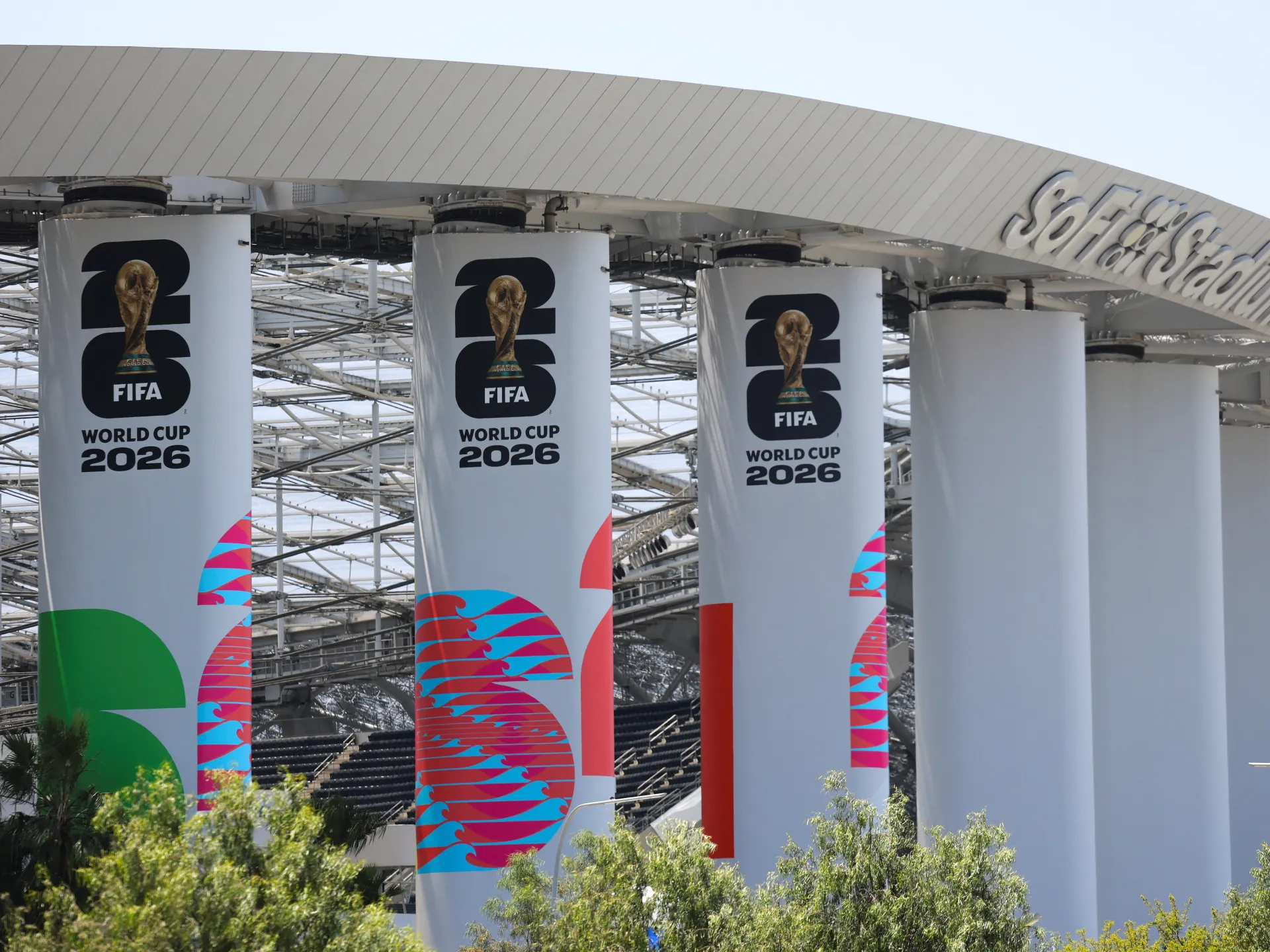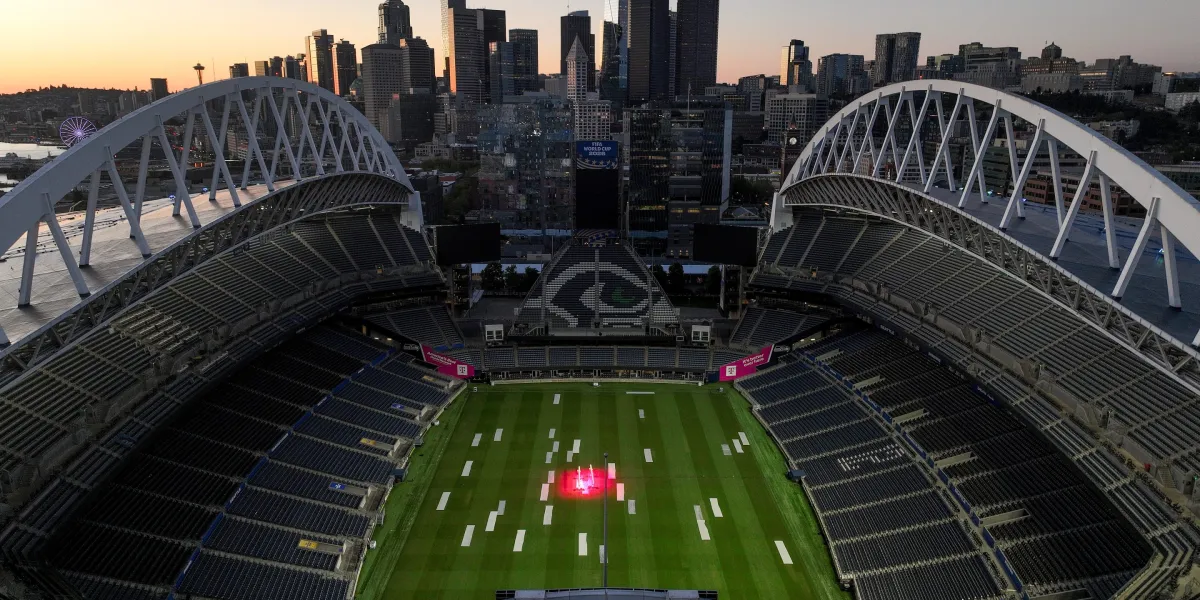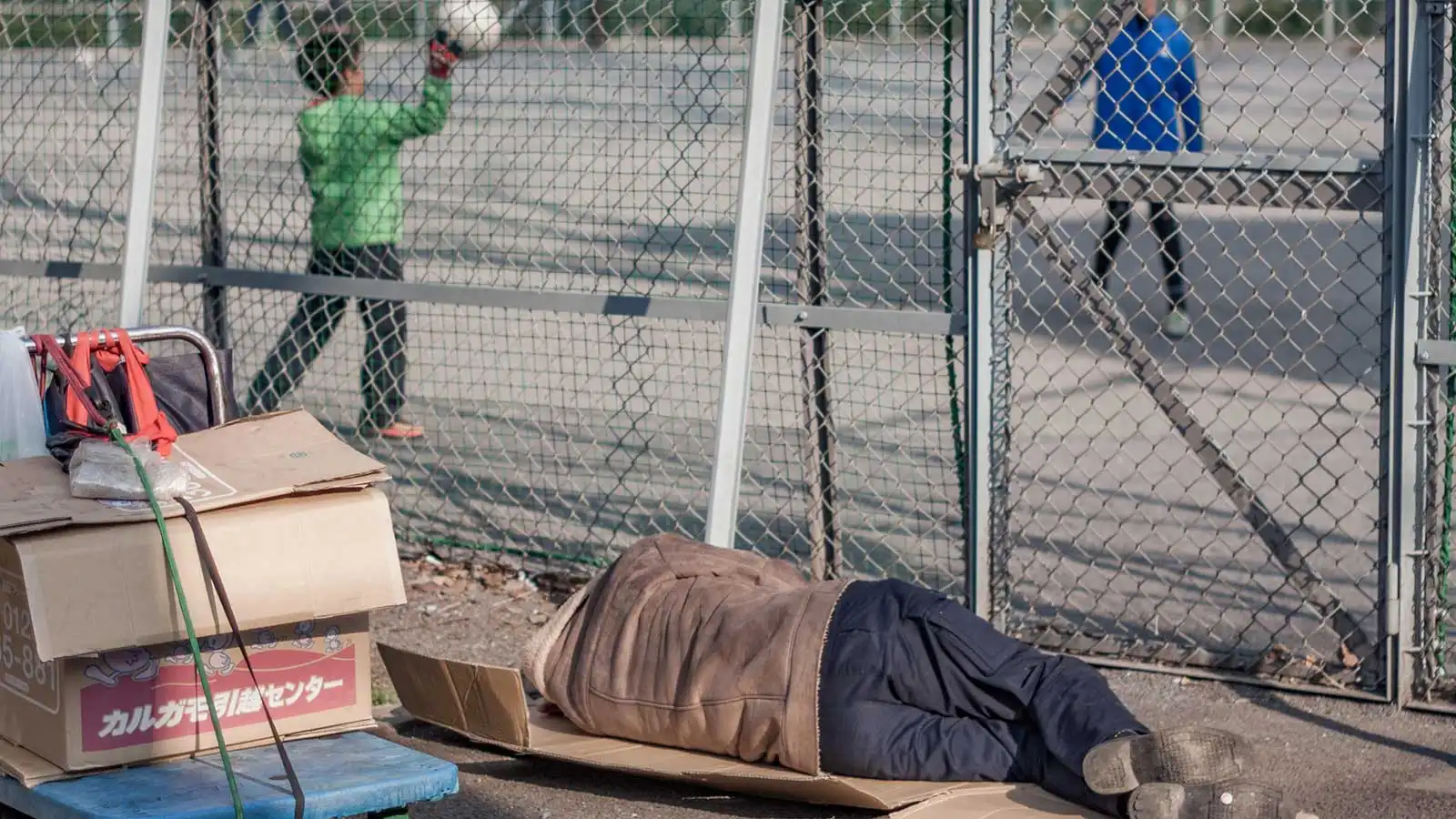
American infrastructure has been forced to step up with the arrival of tourists for the FIFA World Cup. From the creation of more robust security plans to the expansion of travel networks, the nation has placed significant effort into making the next few weeks logistically easier for visiting tourists and local fans alike. Amid these changes, however, several cities have also sought to make homelessness less visible, particularly in the eyes of our international visitors.
I believe that safe housing is a human right and that cities should, at baseline, invest more in public housing. Stable housing improves medication adherence, facilitates treatment for chronic illness, and provides the scaffolding for people to seek preventive care rather than falling prey to avoidable hospitalizations or potentially dangerous exposures. Yet I also take issue with the fact that the pressure to expand and incorporate public housing is being driven by a large international sporting event rather than a lasting commitment to structural health equity.
The reports on initiatives to tackle homelessness that have sprouted up in light of World Cup preparations appear to push a specific narrative. Spokespeople for major cities hosting the World Cup frame their initiatives as housing-first approaches rather than sweeps targeted at relocation and the upheaval of encampments en masse. Dallas expanded a roughly $30 million homelessness initiative that city officials credit with significantly reducing unsheltered homelessness downtown. Seattle has expanded temporary housing, and Atlanta launched a $185 million effort earlier this year aimed at permanently housing thousands of housing-unstable residents.