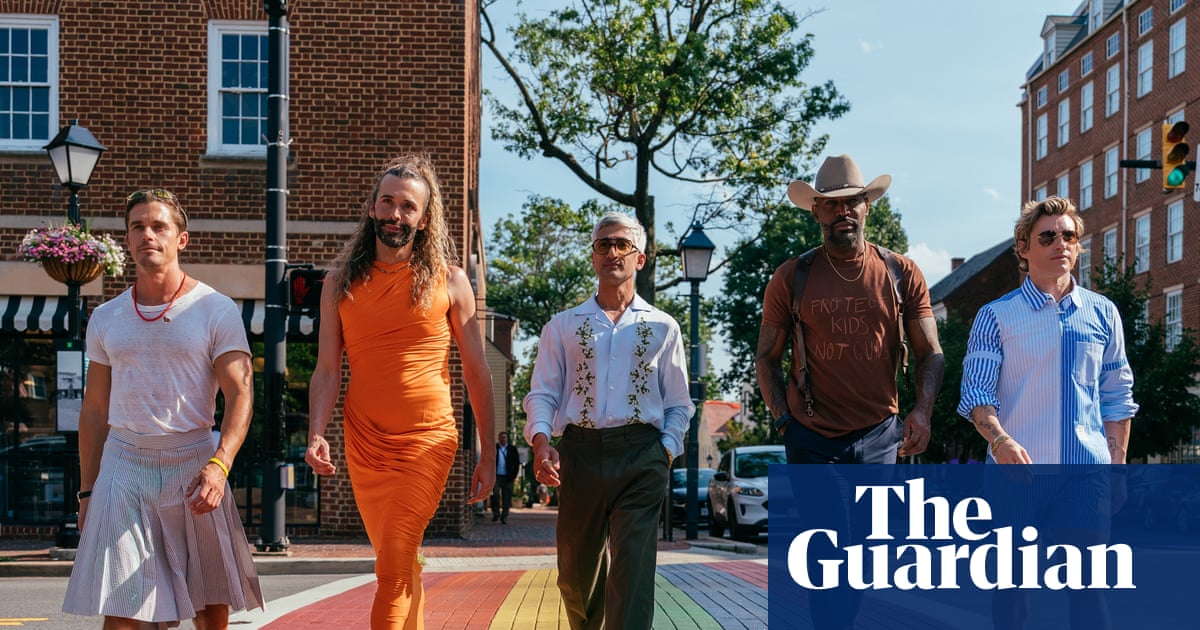
Twenty-five years ago, I sold a television show built around five openly gay men. At the time, many people thought it was a niche idea. Instead, Queer Eye for the Straight Guy became a global phenomenon. Not because America suddenly wanted “gay television,” but because people wanted humanity.
They wanted laughter. Transformation. Hope. Empathy. They wanted to believe that people who looked different, loved differently and lived differently still wanted exactly what they wanted: connection.That was always the point.
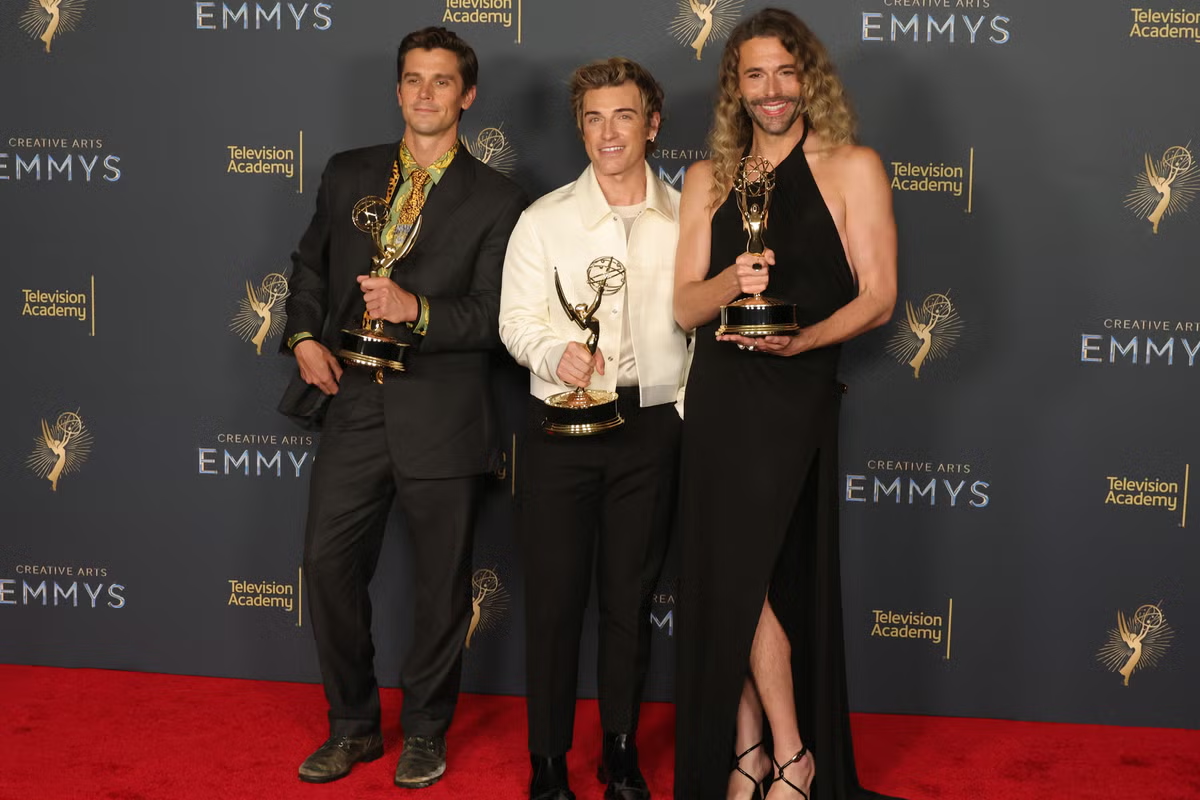
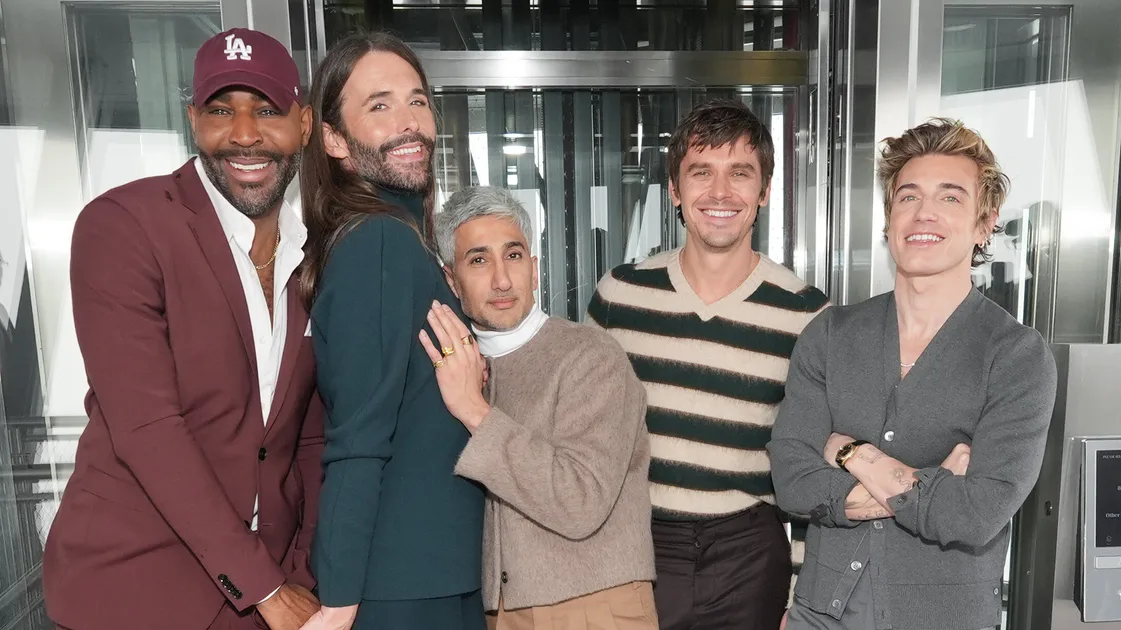
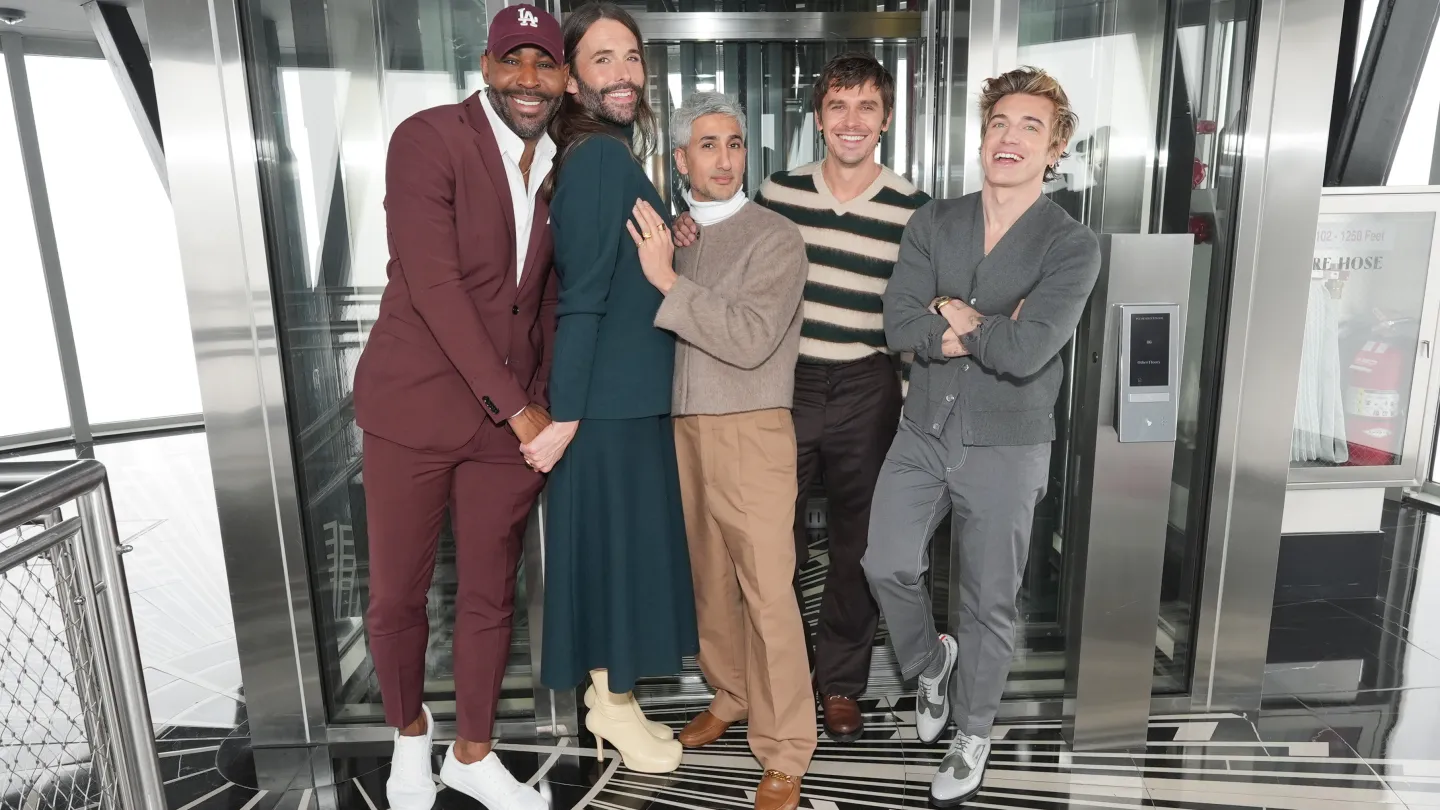
Over the last quarter century, through my company Scout Productions, I’ve had the privilege of creating and producing series that continued that mission. Queer Eye for the Straight Guy ran for five seasons on Bravo beginning in 2003, then was reborn on Netflix simply as Queer Eye for ten more, totaling well over 200 episodes. More importantly, it introduced millions of viewers to gay men not as stereotypes or sidekicks, but as experts, caregivers, neighbors and friends. It didn’t just change television. It changed conversations happening around kitchen tables across America.
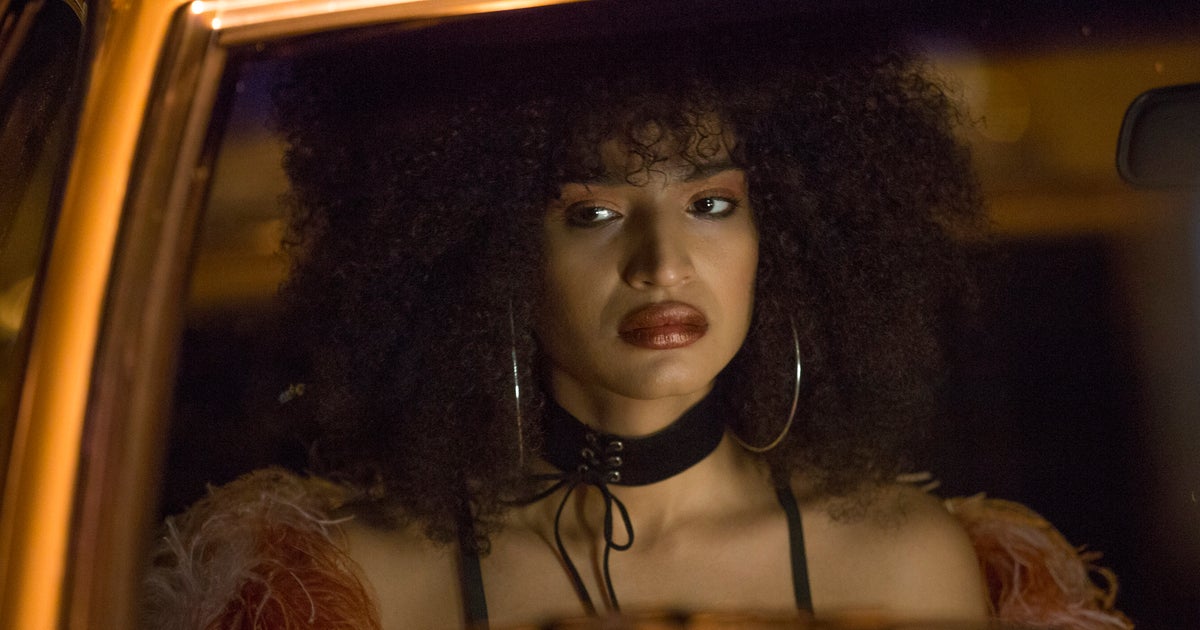
Legendary introduced the ballroom scene to audiences who had never witnessed its artistry, resilience or history. For anyone unfamiliar with the series, it brought ballroom’s competitive performance culture — built over decades by Black and Latino LGBTQIA+ communities — where chosen “houses” compete through voguing, fashion and sheer presence, to the small screen. Ballroom wasn’t invented for television. It was born because marginalized people built families when society refused to give them one. Watching those performers finally receive the recognition they deserved remains one of the proudest moments of my career.