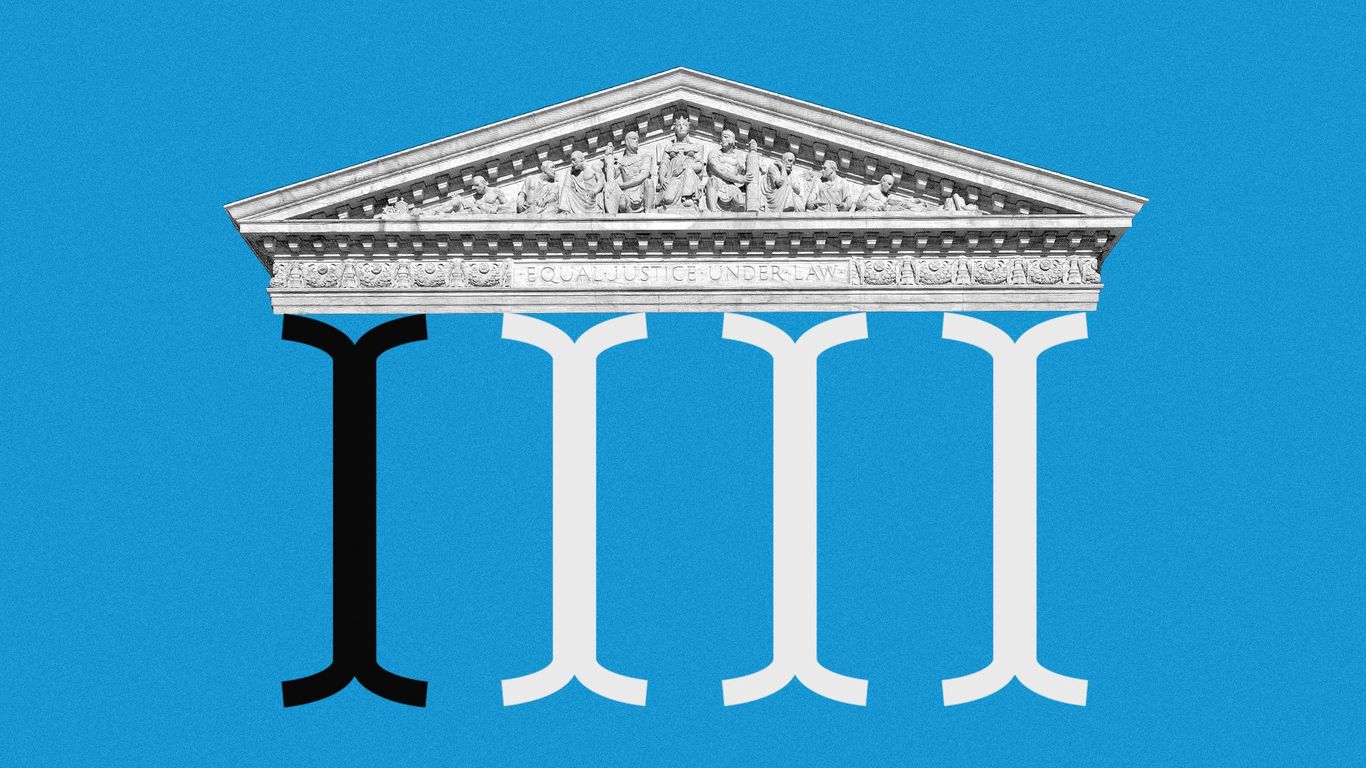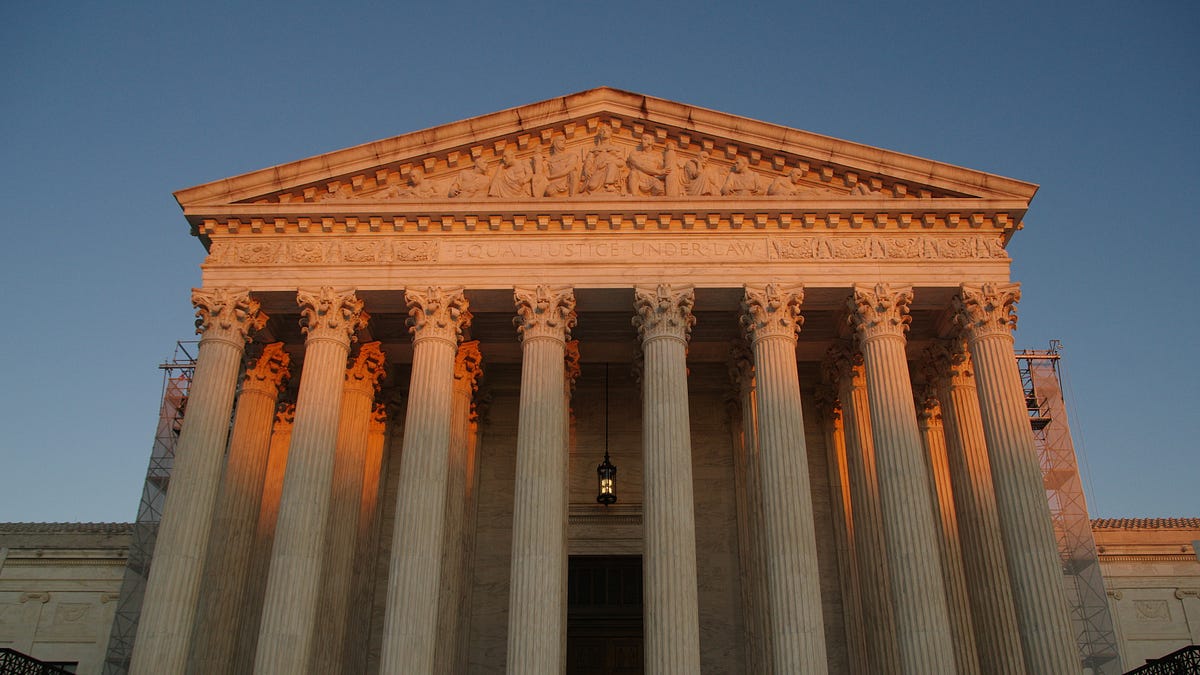
On Monday, the Supreme Court ruled that the president can remove the heads of independent federal agencies at will. That may sound like a disaster for AI oversight. In fact, it’s an opportunity.
The case in question began with the March 2025 firing of FTC Commissioner Rebecca Slaughter, who sued under the agency’s for-cause provision. Lower courts reinstated her under Humphrey’s Executor, a 1935 decision that shielded some regulators from removal by the White House. The Supreme Court overruled Humphrey’s outright: an agency that exercises executive power must answer to the president, it argued, so protections against its leaders’ removal are unconstitutional.
For those of us who have been tracking this issue, this brought a finality to a hope that was, in reality, long ago squashed. The reality is there is no such thing as an independent federal agency. With every governance question, the same pressure occurs: can we design a board’s independence carefully enough to survive the political swings to come? Slaughter answers it: no. And it relieves us of a problem we were never going to solve. The independence we are mourning was always partly an illusion anyway. Tenure protection was real on paper only; a commissioner still faced real perils for defying a president and real rewards for falling in line, and those incentives bent agencies long before anyone was fired.