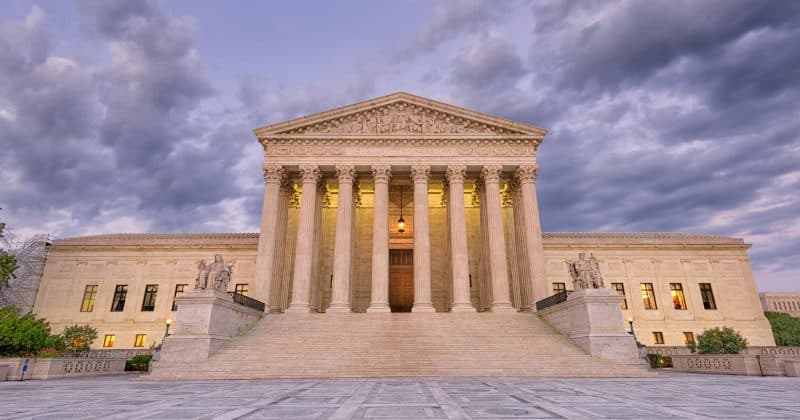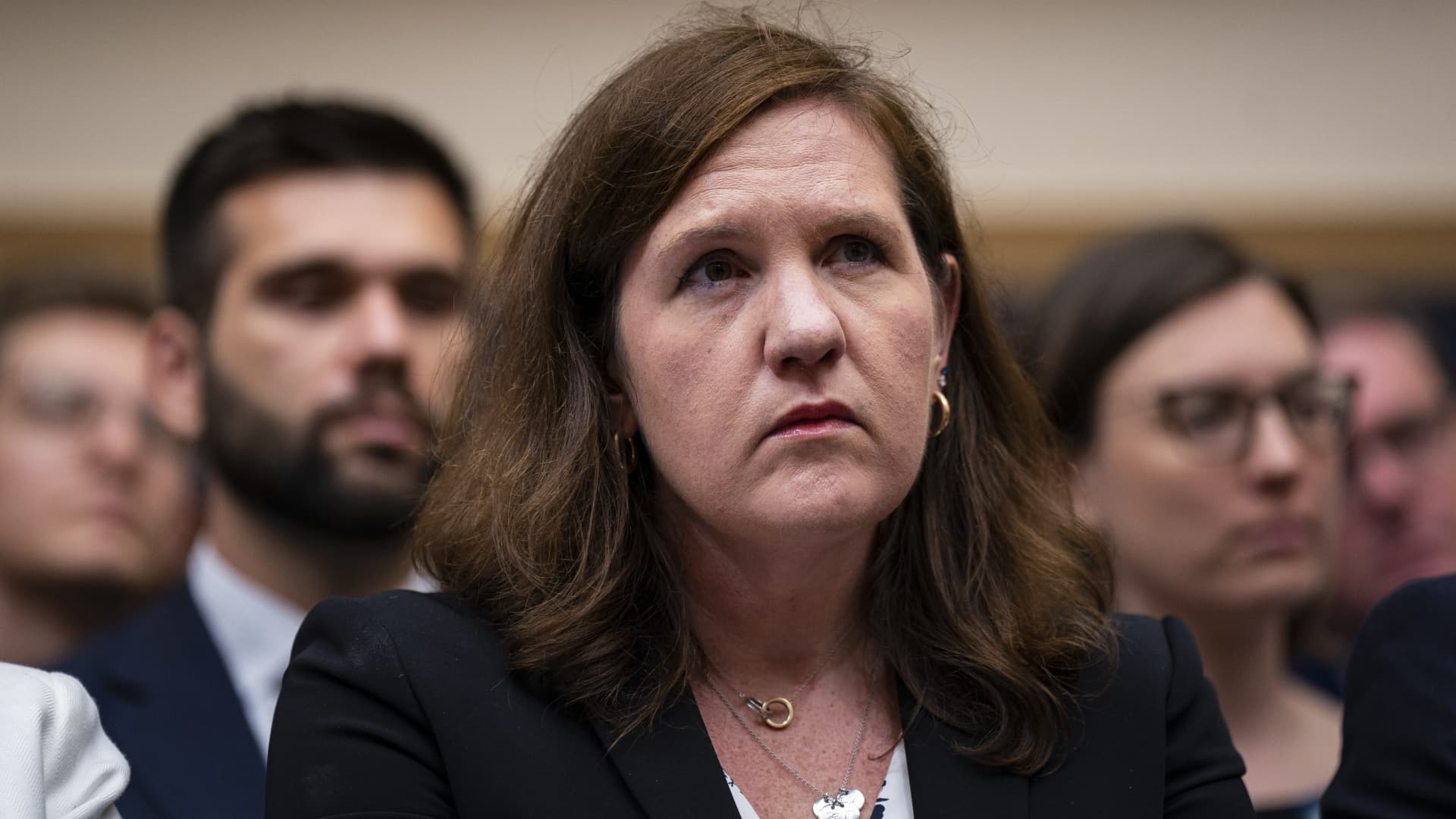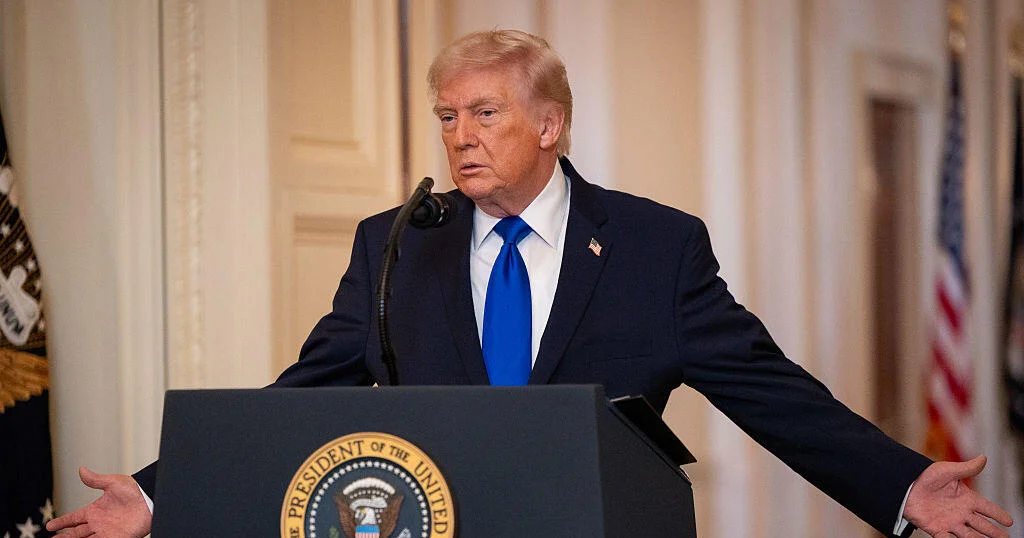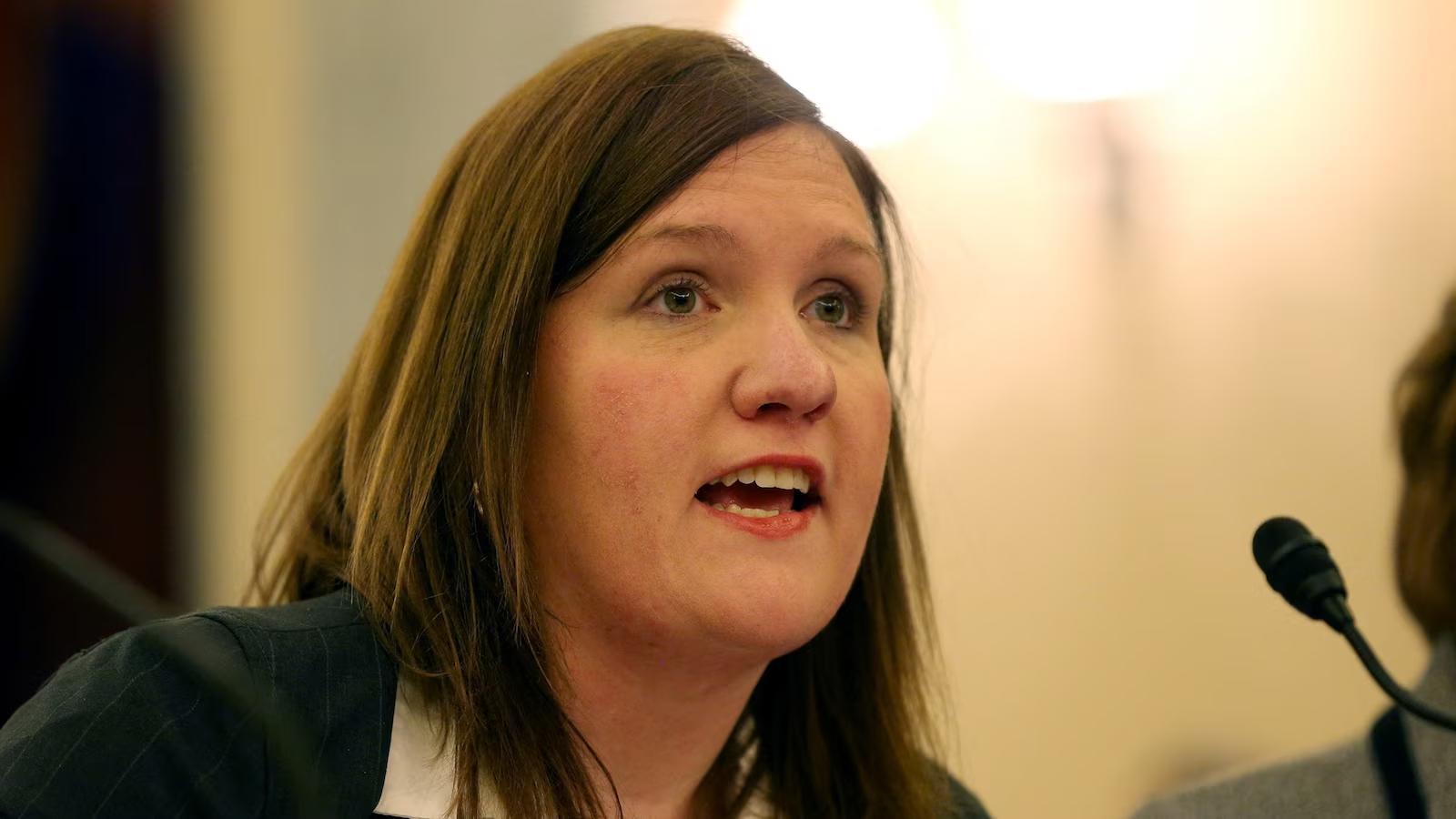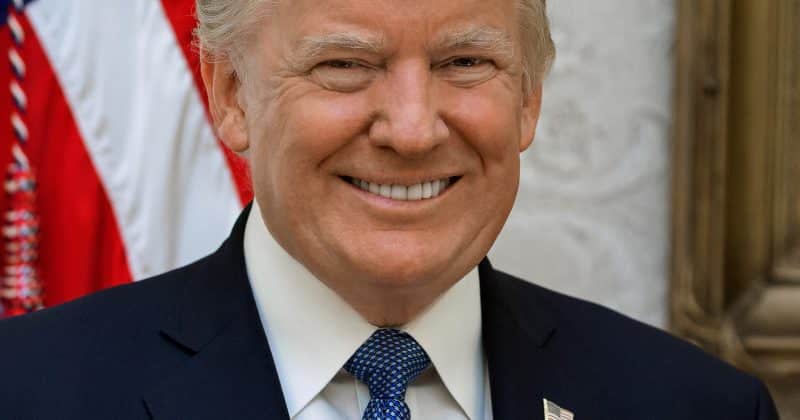
The Federal Trade Commission is now under stronger presidential control — with no more opportunity for partisan dissent — following the Supreme Court's decision that President Trump can fire its members.Why it matters: Any realistic chance the agency in charge of consumer protection, kids' online safety, tech competition and fighting deceptive and unfair practices will have any Democrats during this administration is effectively gone.The FTC will keep doing its job as outlined by the law. Driving the news: The Supreme Court ruled this week that the president has the right to fire independent agency commissioners and overturned a longstanding precedent, Humphrey's Executor, which limited that ability.Flashback: Trump first tried to fire Democratic FTC commissioner Rebecca Slaughter and her fellow Democratic commissioner Alvaro Bedoya in March 2025.The case ended up at the high court after Slaughter won her job back in lower court, and the administration appealed and won a stay. The Supreme Court ultimately sided with Trump.What they're saying: "It's not just about having bipartisan commissioners," Slaughter told reporters this week. "It's also about having commissioners who are insulated from political interference in these very important economic watchdog decisions — because what we want them to do is serve as watchdogs, as Congress intended, not as lap dogs of the president."The big picture: The decision shakes up the broader ecosystem of independent federal agencies."The FTC now faces a different world, in which the President can realistically threaten an FTC member with dismissal if he or she does not rule a certain way in a particular situation," Herb Hovenkamp, an antitrust expert at the University of Pennsylvania, wrote on his Substack. Ben Rossen, a former FTC staffer now at OpenAI, wrote on X that the decision "will have major implications for the future of AI regulation." "If you want a federal body that can independently assess frontier models and then impose binding consequences - free from political or partisan influence -- that just got a lot harder, if not impossible," Rossen wrote.The other side: Others have argued that independent agencies have always been swayed by politics, even when staffed with bipartisan mix of commissioners, and the Supreme Court ruling simply affirms that.Conservatives who have long hoped to overturn Humphrey's Executor have accused agencies including the FTC of overreach, especially under President Biden and former FTC chair Lina Khan."While the FTC had a long history of bipartisanship through leadership restraint, that legacy was eroded in the Biden administration and isn't likely to return," said Neil Chilson, a Republican former FTC technologist. "The longer term effect on the FTC and other independent agencies will be an increased pressure on Congressional to govern through legislation rather than by ceding power to such agencies."What we're watching: The FTC on Wednesday proposed a policy statement arguing that the FTC Act can preempt state law "to the extent it conflicts with a federal regulatory scheme," part of the Trump administration's effort to override some state AI laws.The FTC is seeking public comment on its proposal through July 31.
What the Supreme Court's decision means for the FTC
The decision shakes up the broader ecosystem of independent federal agencies.
501 words~2 min read