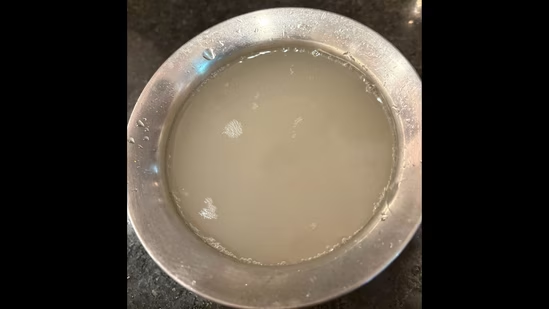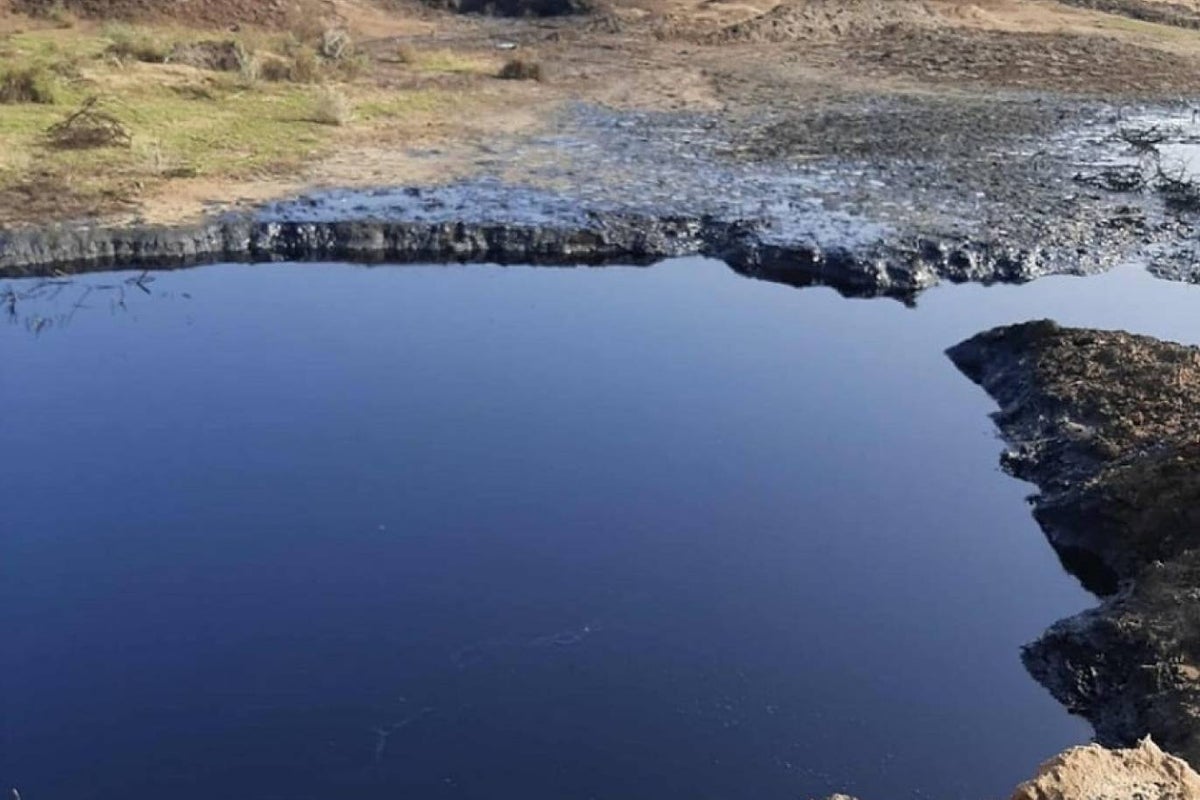
Drinking water in Ahvaz and dozens of surrounding villages has once again turned muddy and turbid. The issue was supposed to be permanently resolved by the “Ghadir” water supply project. However, experts state that the premature inauguration of this incomplete project failed to solve the crisis. Instead, with the onset of summer, water quality has once again become one of the primary anxieties for residents of Khuzestan.
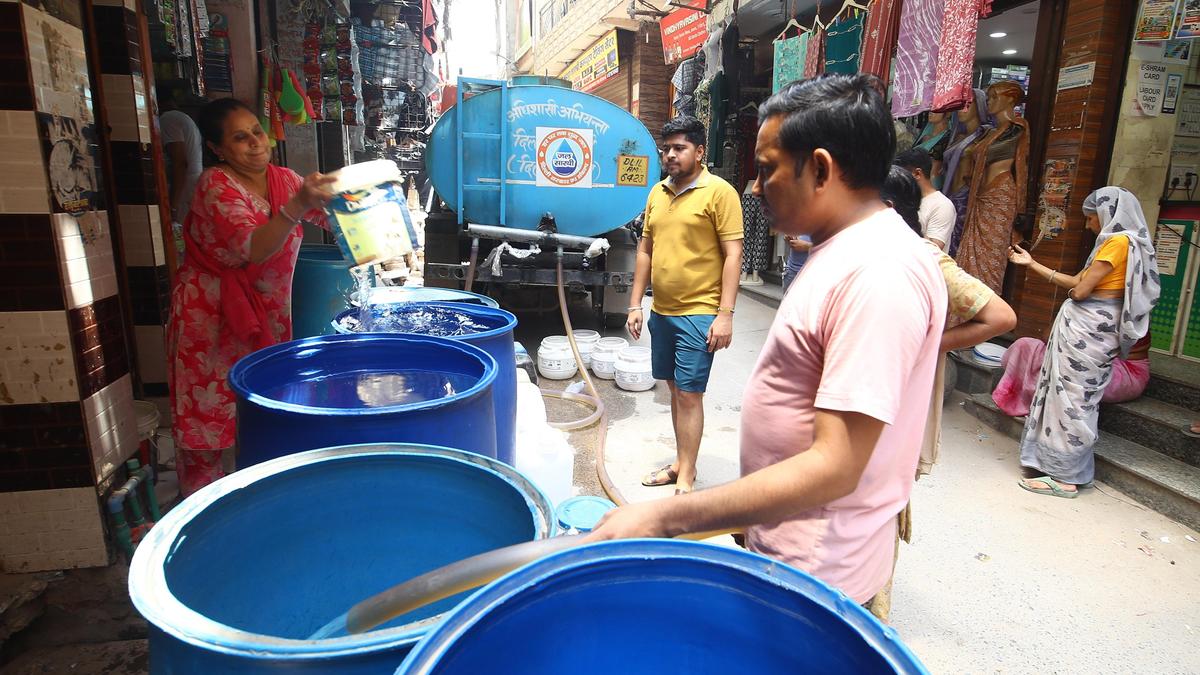
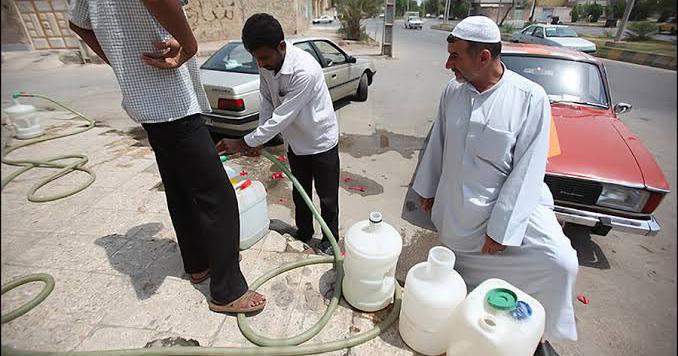
In a report from the city, Payam-e Ma newspaper wrote that in recent weeks, citizens of Ahvaz have been dealing with muddy water, low pressure, and frequent water outages. Many families are forced to purchase purified drinking water from mobile tankers or install domestic water filtration systems. Meanwhile, some villagers have resorted to collecting water from agricultural canals or the Karoun River to meet their basic daily needs.
Hossein Obeidavi, the CEO of the Ahvaz Water and Wastewater Company, described the water supply status as “desirable.” He claimed that low pressure or occasional outages are limited to certain areas and are solely due to unauthorized water siphoning.
However, accounts from local citizens tell a fundamentally different story. Residents in neighborhoods such as Koy-e Farhangian, Golestan, Mahdis, Kut Abdullah, and central districts of Ahvaz report persistent muddy water, foul odors, prolonged outages, and skyrocketing costs from buying drinking water.