ISM gets a financial boost
| Photo Credit:
guirong hao
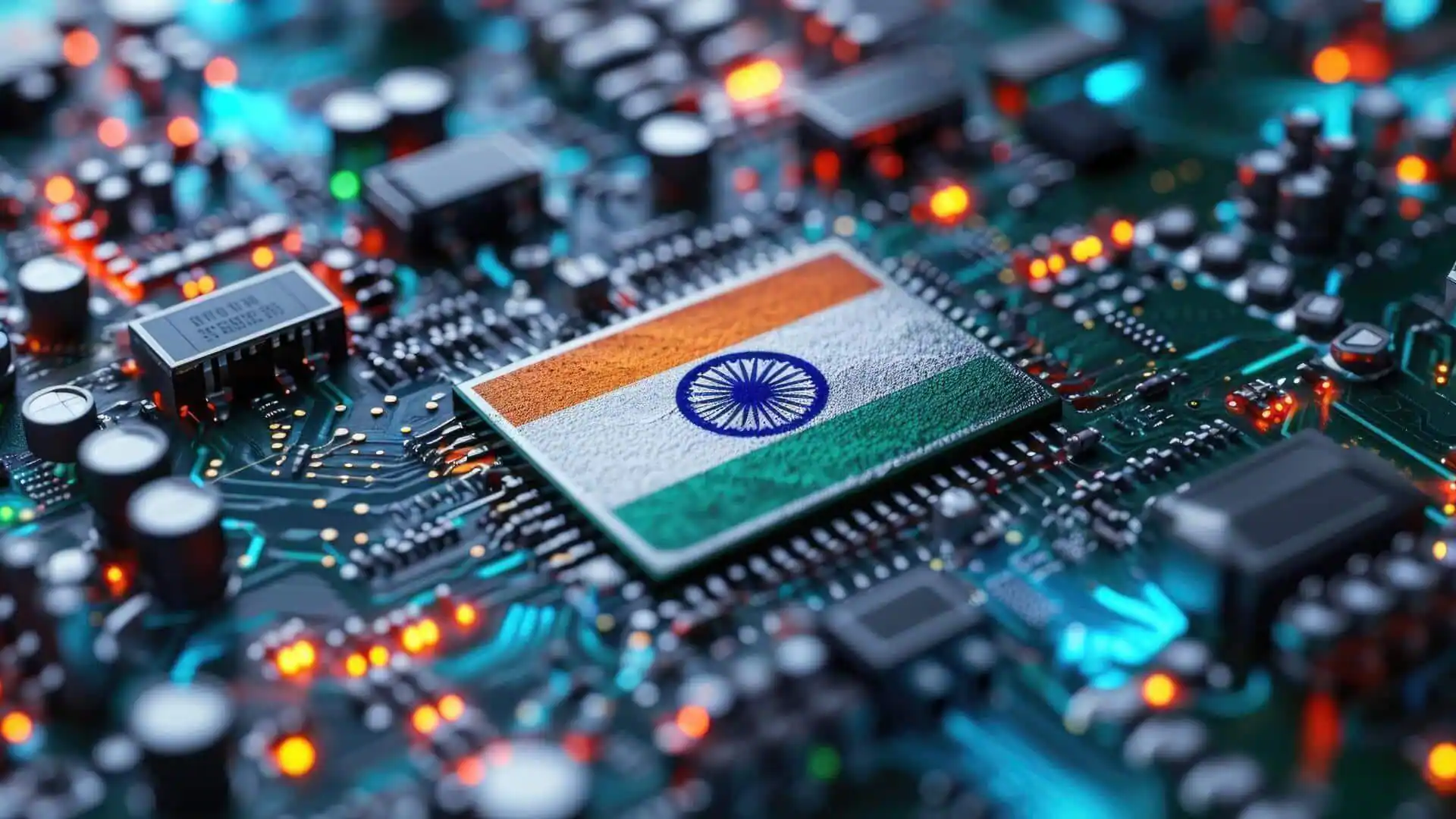
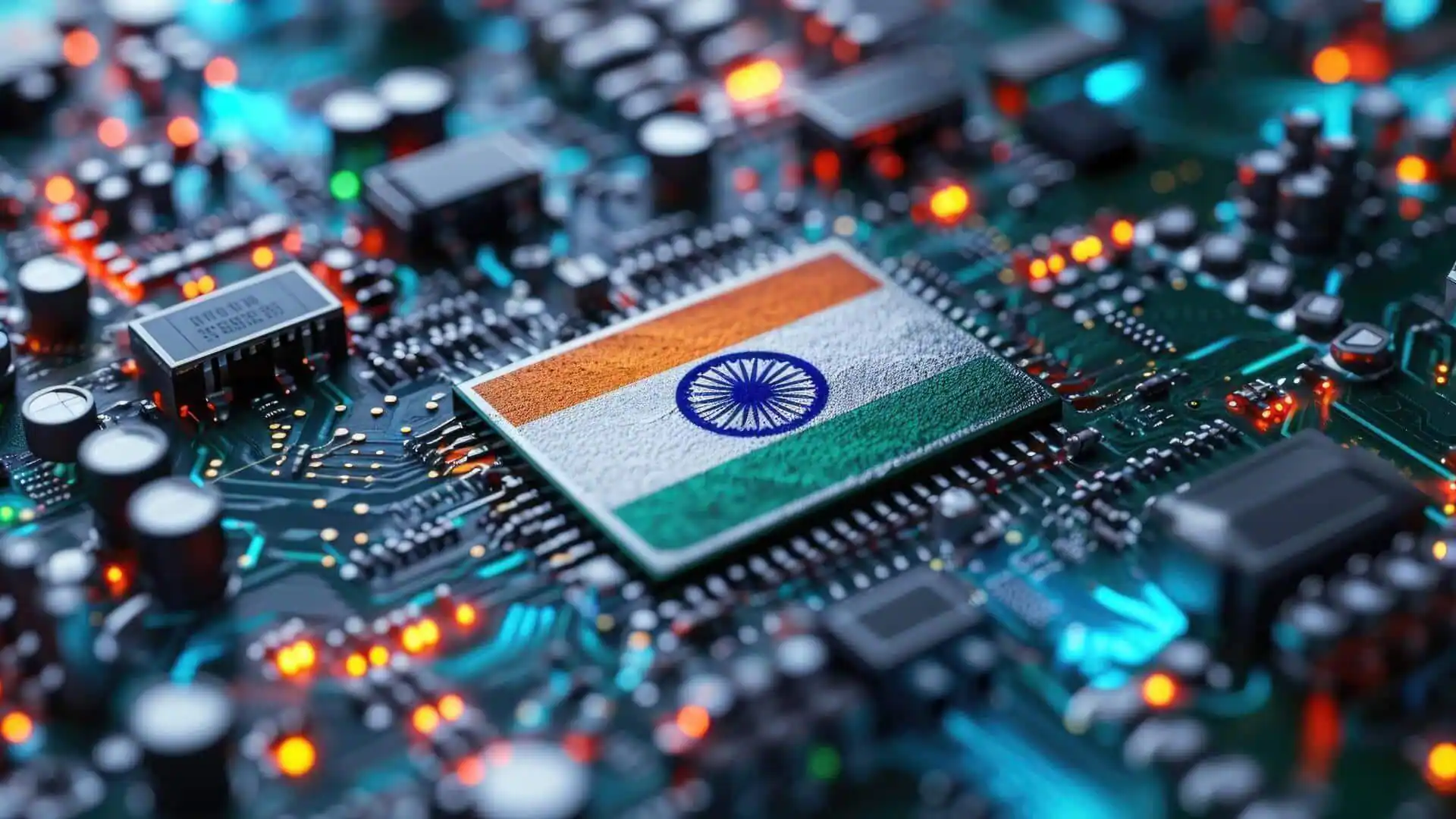
The Centre’s decision to approve a Budget proposal of around ₹1.25 lakh crore for the India Semiconductor Mission (ISM) 2.0 is a strong signal that India’s semiconductor ambitions remain a strategic priority. The allocation, substantially higher than the ₹76,000 crore earmarked for the first phase, comes at a time when the global race for chip supremacy is intensifying amid geopolitical tensions, supply chain disruptions and the growing centrality of semiconductors to economic and national security.Over the past three years, India has moved from a passive consumer of chips to a credible destination for semiconductor investment. Twelve projects spanning fabrication, assembly, testing and packaging have been approved, attracting investments exceeding ₹1.6 lakh crore. Tata Electronics’ fabrication project with Taiwan’s PSMC, Micron’s packaging facility and multiple OSAT projects demonstrate that global companies now see India as more than just a back-office for chip design. Simultaneously, the Design Linked Incentive scheme is nurturing a pipeline of indigenous fabless start-ups that could become tomorrow’s semiconductor innovators.However, semiconductor manufacturing requires enormous capital, long gestation periods and continuous technological upgrades. ISM 2.0 must therefore go beyond approving fresh projects. Existing facilities should have access to follow-on support that enables them to scale up production. While India does not have sub-7nm leading-edge fabrication capabilities, which require highly restricted EUV lithography machines, the domestic fabrication plan is anchored around 28nm, which is the workhorse for global industry — powering automotive microcontrollers, EV powertrains, 5G modems, IoT sensors, and display drivers. These segments account for a significant share of global semiconductor demand and offer India a realistic entry point into the value chain. However, investments in research, design capabilities and talent must continue.Government procurement can play a catalytic role by encouraging the adoption of domestically manufactured chips in public infrastructure, defence systems, railways, power equipment and smart city projects. Partnerships such as Tata Electronics’ supply arrangement with Intel are encouraging, but domestic demand remains equally important for building a sustainable ecosystem. Beyond fabrication, chipmaking depends on access to critical minerals, advanced manufacturing equipment, and specialised talent. China’s control over exports of key minerals has underscored the vulnerabilities in global supply chains. India’s partnerships through initiatives such as the proposed Pax Silica alliance, therefore, acquire strategic significance. NITI Aayog’s estimates suggest an investment requirement of $135-180 billion over the next decade to build a globally competitive semiconductor ecosystem. The Centre cannot shoulder this burden alone. Yet, sustained public funding can de-risk private investment and inspire long-term confidence.Published on July 1, 2026