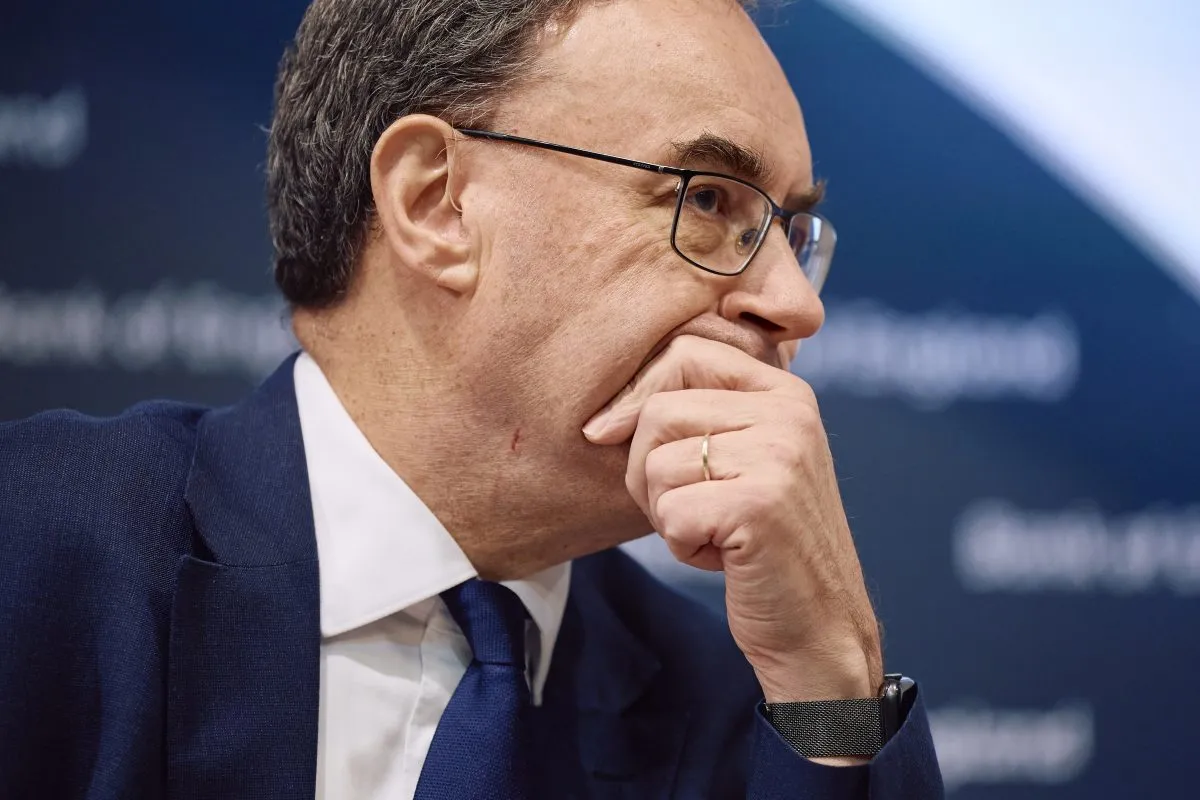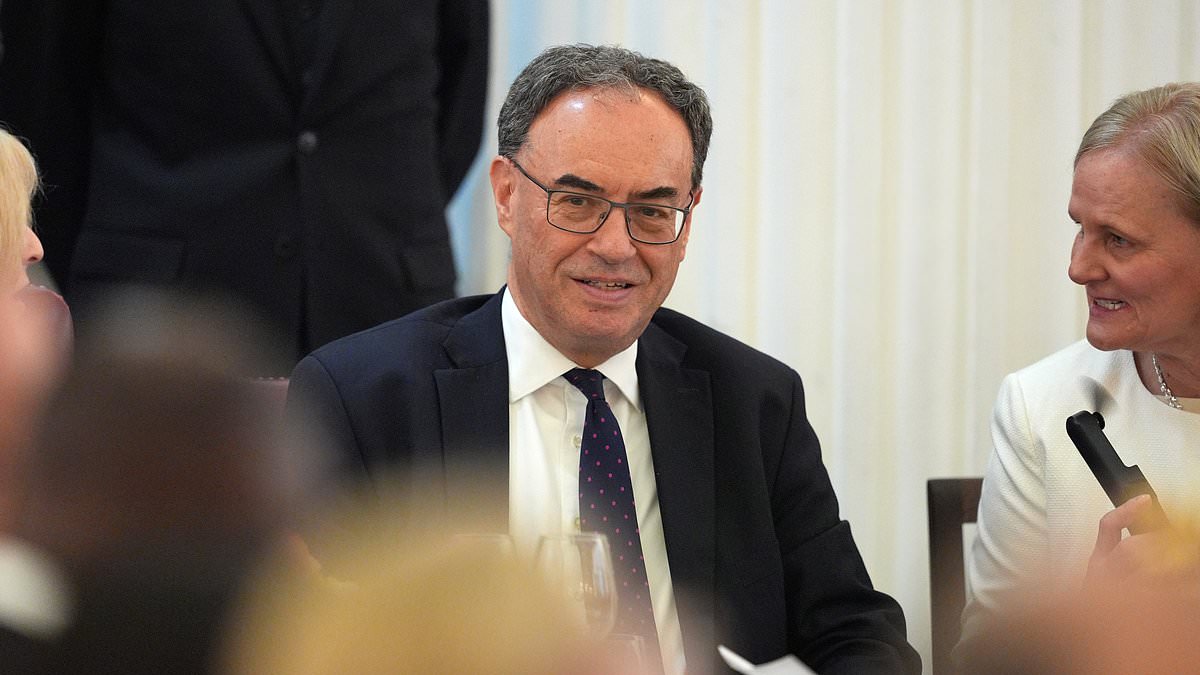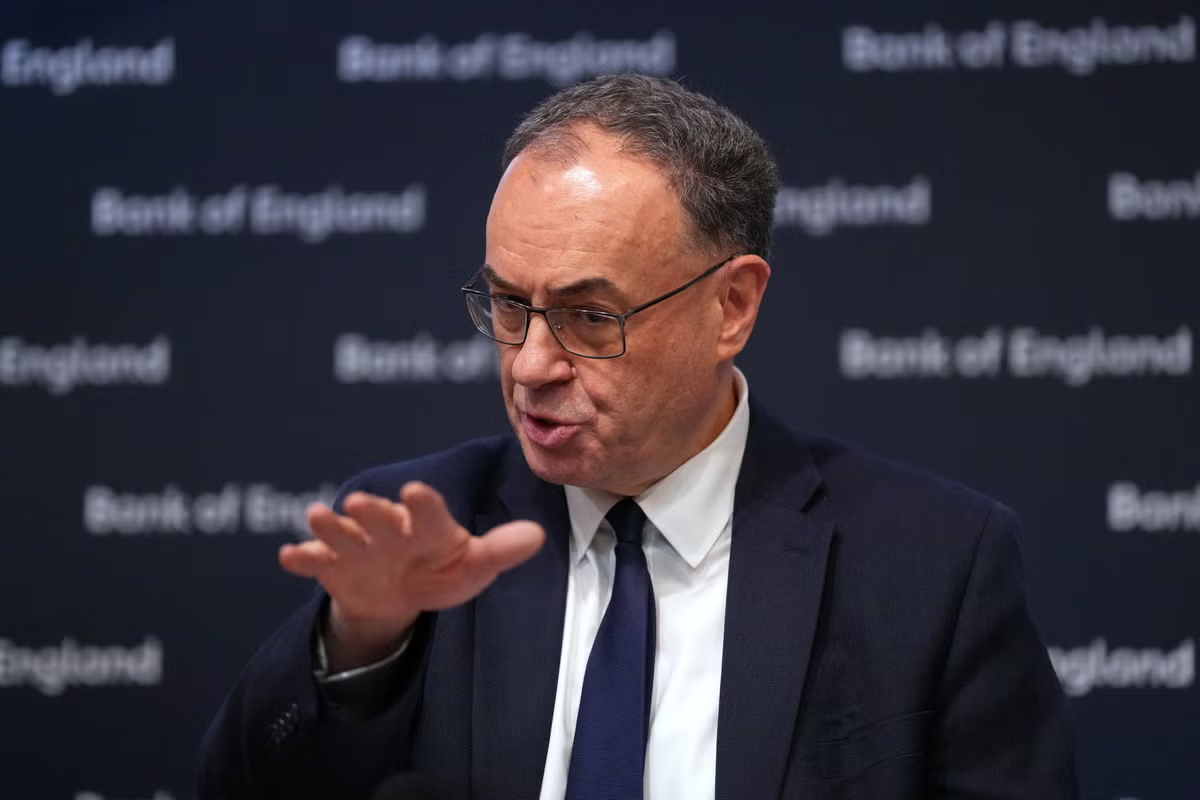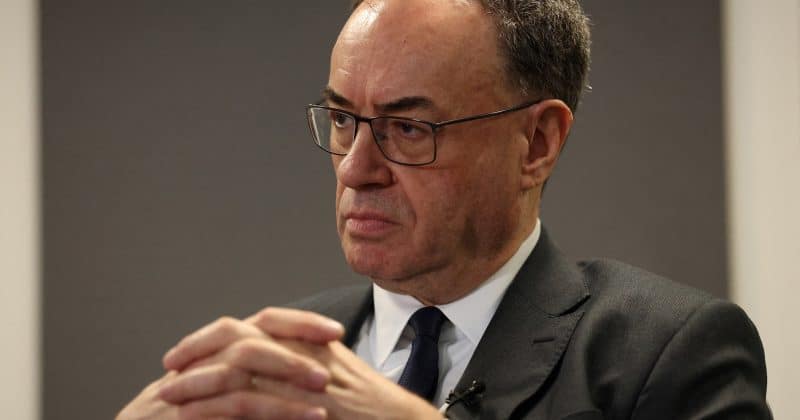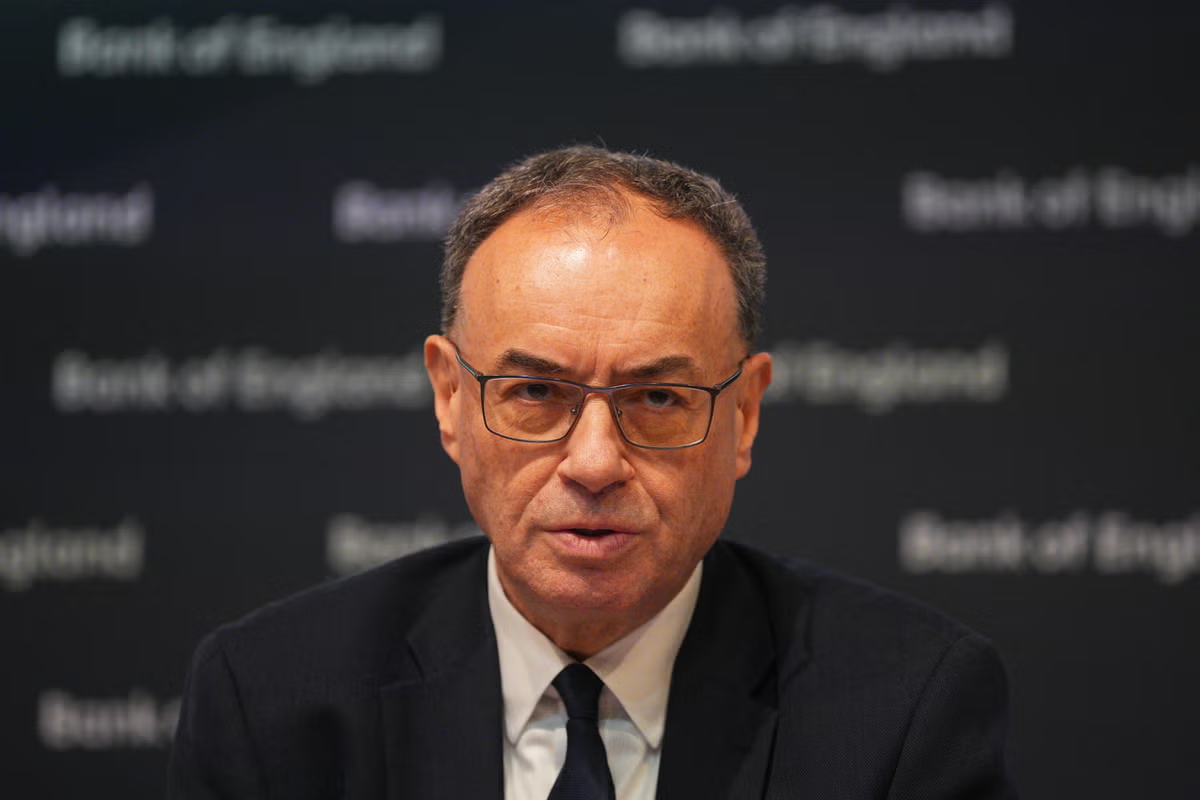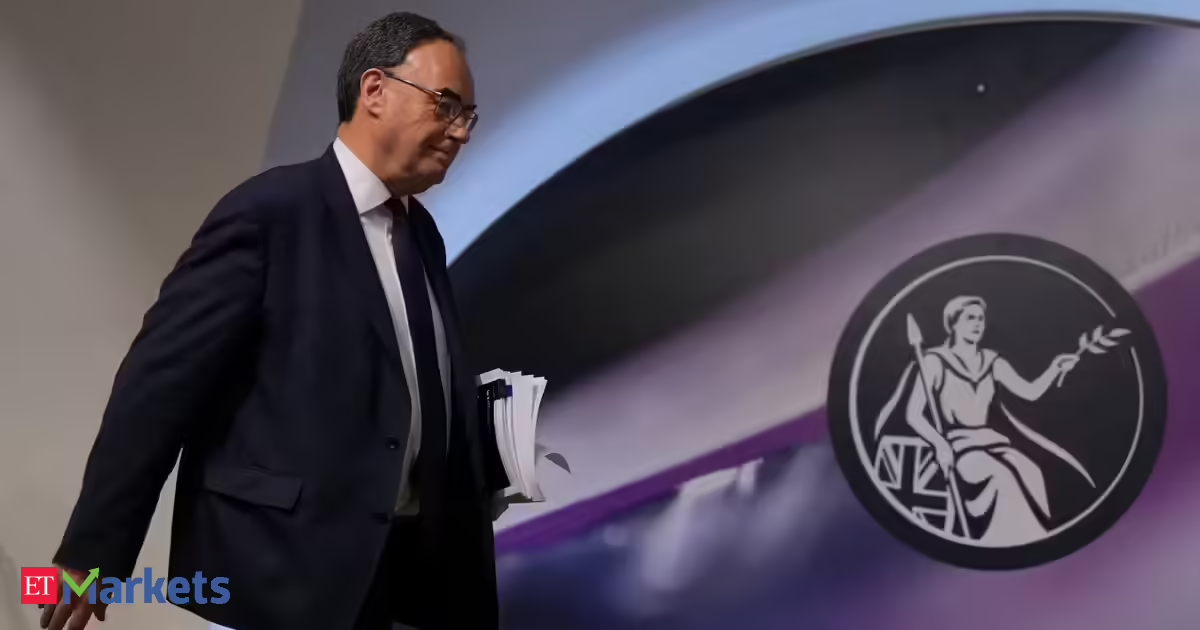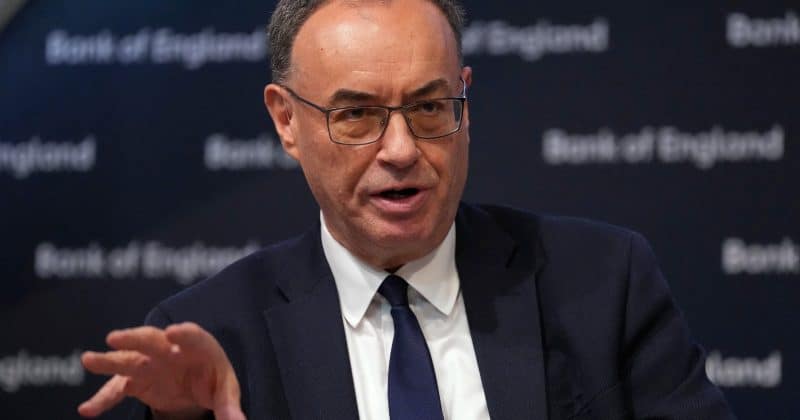
The Bank of England is not in a hurry. Governor Andrew Bailey made that point clearly on June 30, signaling that interest rate cuts are off the table for now, even as pressure mounts from a conflict that has reshuffled global energy markets.
The Monetary Policy Committee voted 7-2 to keep the Bank Rate at 3.75%. Before the Iran war changed the calculus, traders were pricing in two reductions in 2026, which would have brought the rate down to 3.25%. That forecast is now shelved, with some market participants shifting to pricing in potential hikes instead.
Why Bailey is pumping the brakes
The core of Bailey’s argument is that the economic damage from the Iran conflict has not fully worked its way through to ordinary people yet. Rising oil prices, a direct consequence of the conflict’s disruption to energy supplies, are feeding into broader inflation expectations. Bailey acknowledged that inflation is still on track to hit the Bank’s 2% target, but later than originally forecast.
The typical household energy bill is expected to climb to £1,900 annually as the cost increases filter through.