The Department of Energy has hit President Donald Trump’s ambitious Fourth of July goal of seeing three advanced small nuclear reactors reach “criticality,” meaning the reactors are perfectly stable and their nuclear chain reactions are self-sustaining and able to produce energy.The advanced nuclear energy technologies differ from existing commercial plants in that they use fewer components and alternative cooling systems, and can be built on a much smaller scale, meaning that they could be built more quickly or prove more versatile.Having three such reactors reach criticality is a milestone in the administration’s broader plan to expand domestic nuclear energy capacity and support surging power needs across the country. It fulfills a deadline set by an executive order signed in May 2025.
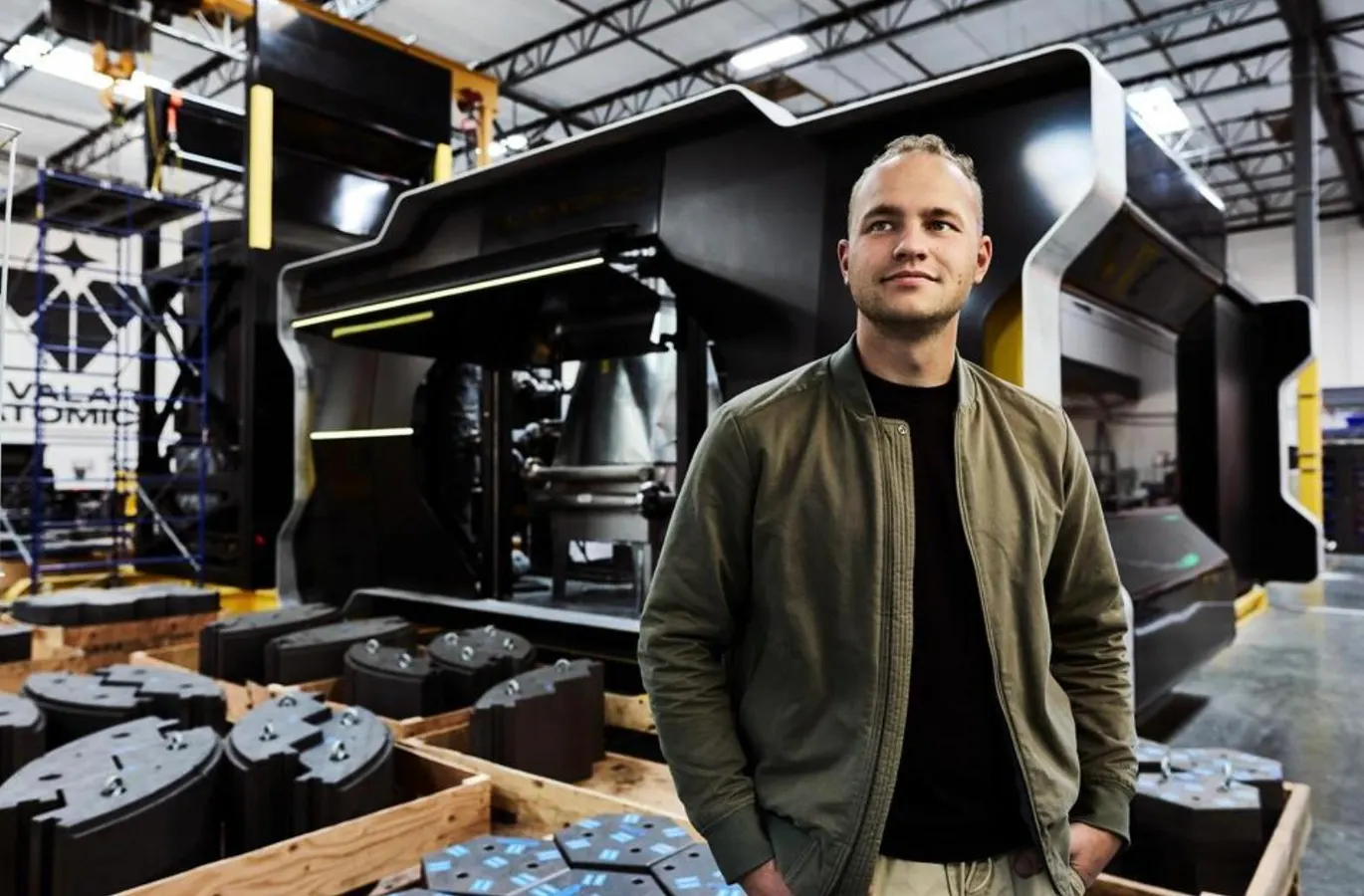
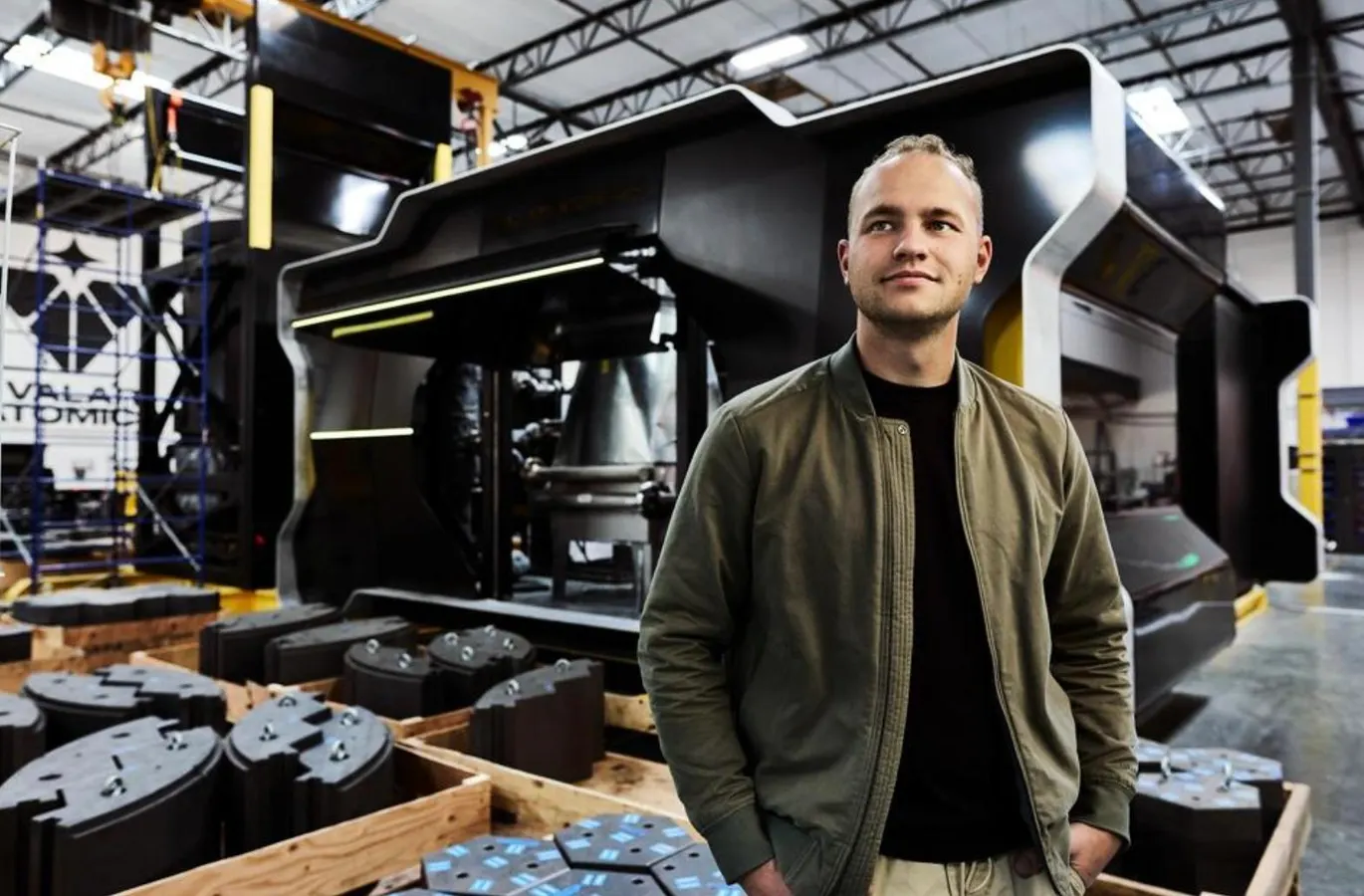
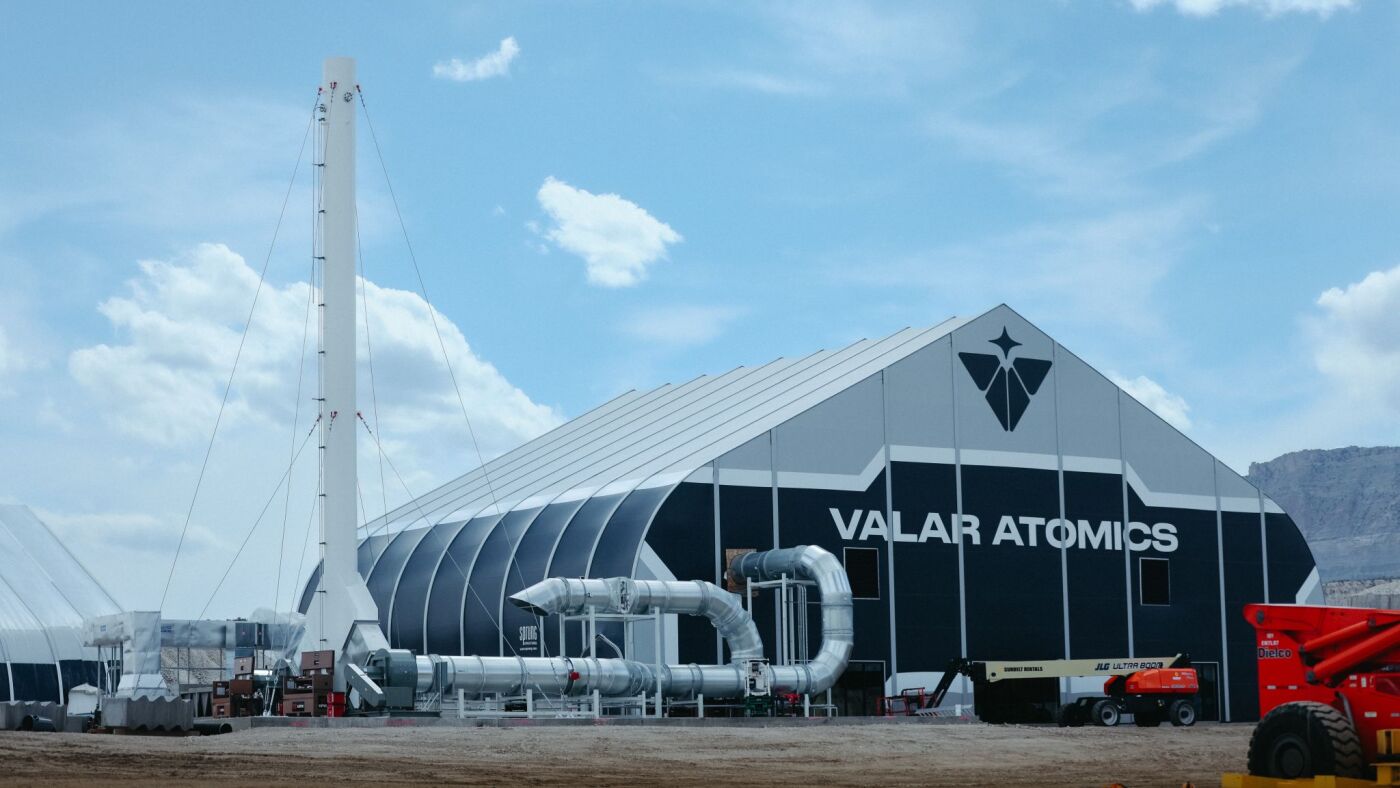
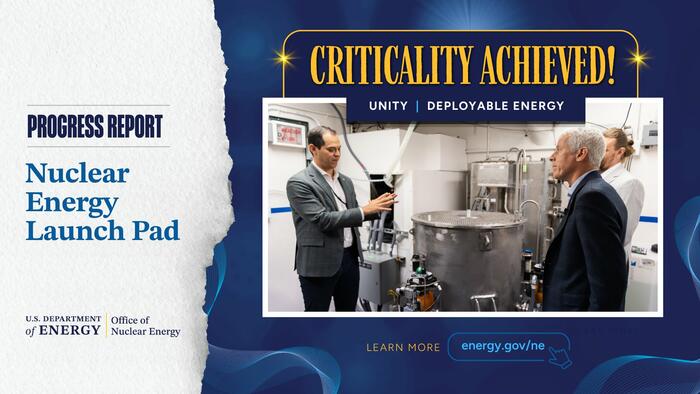
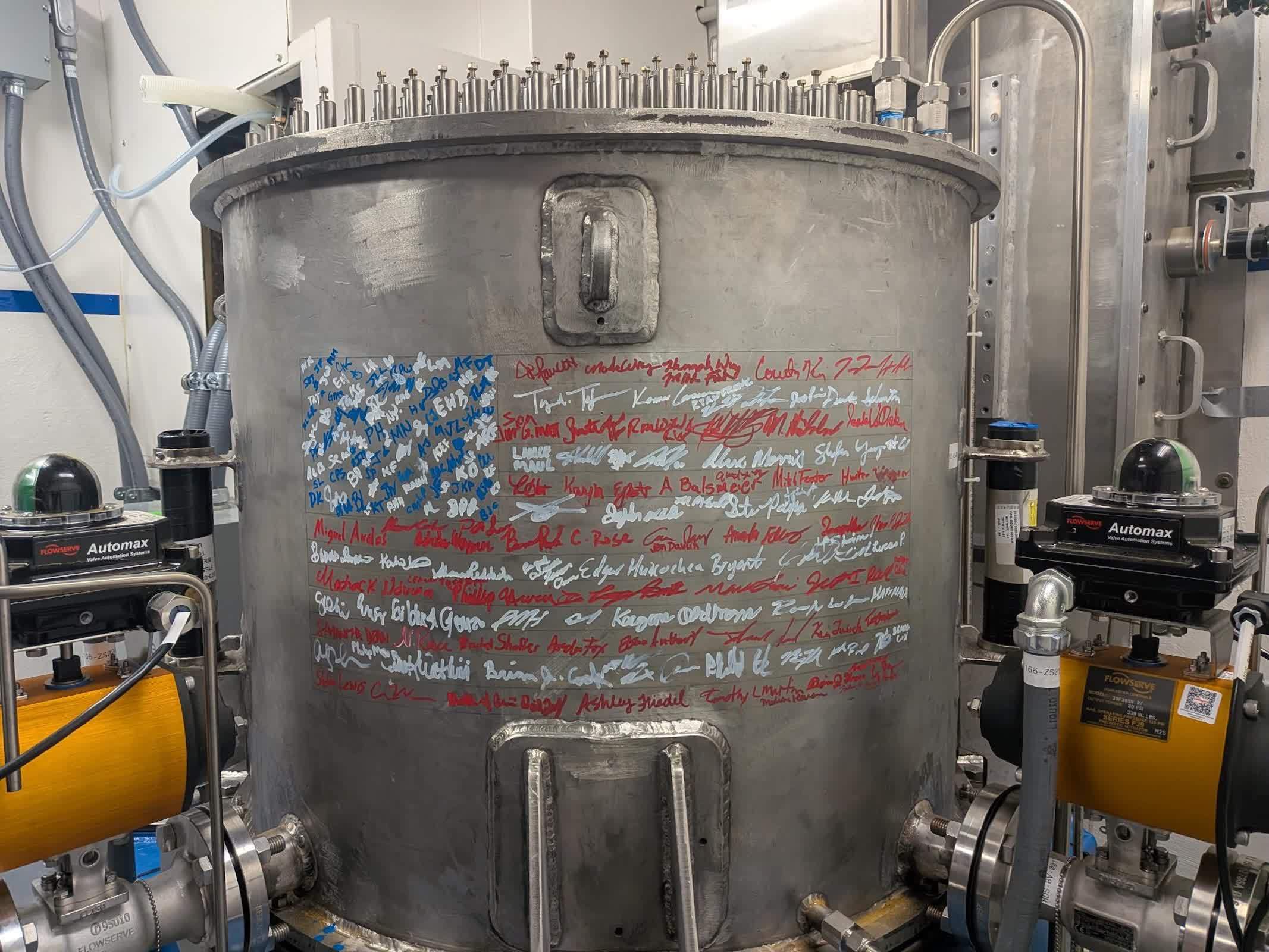
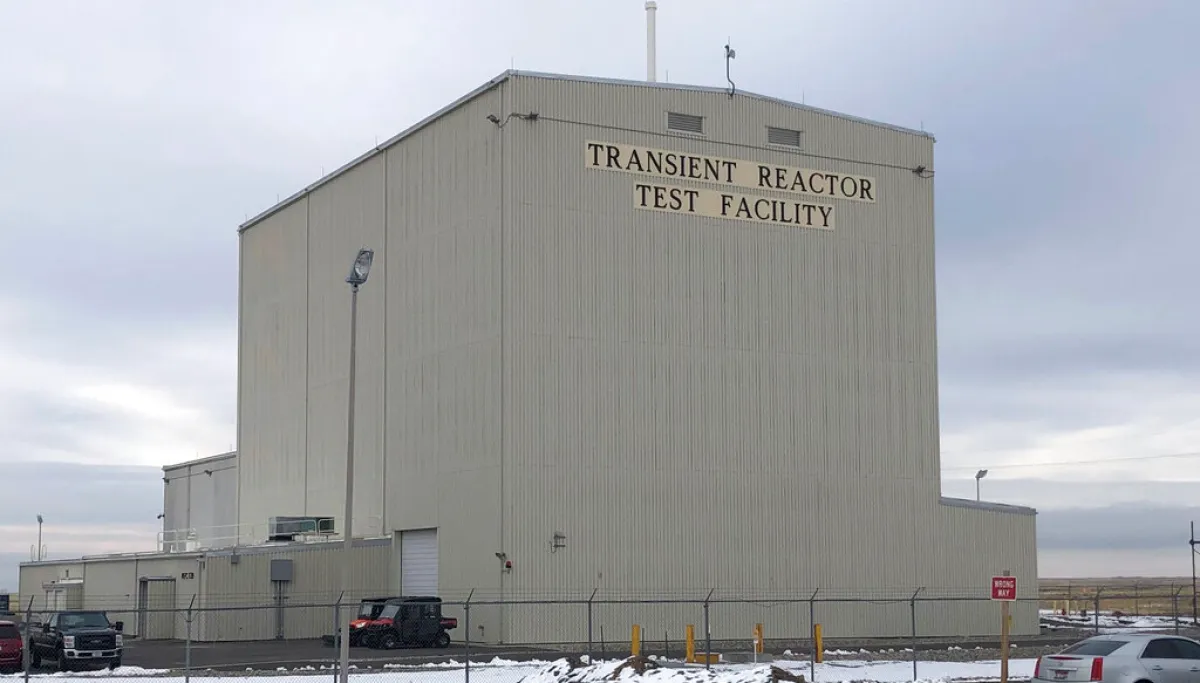
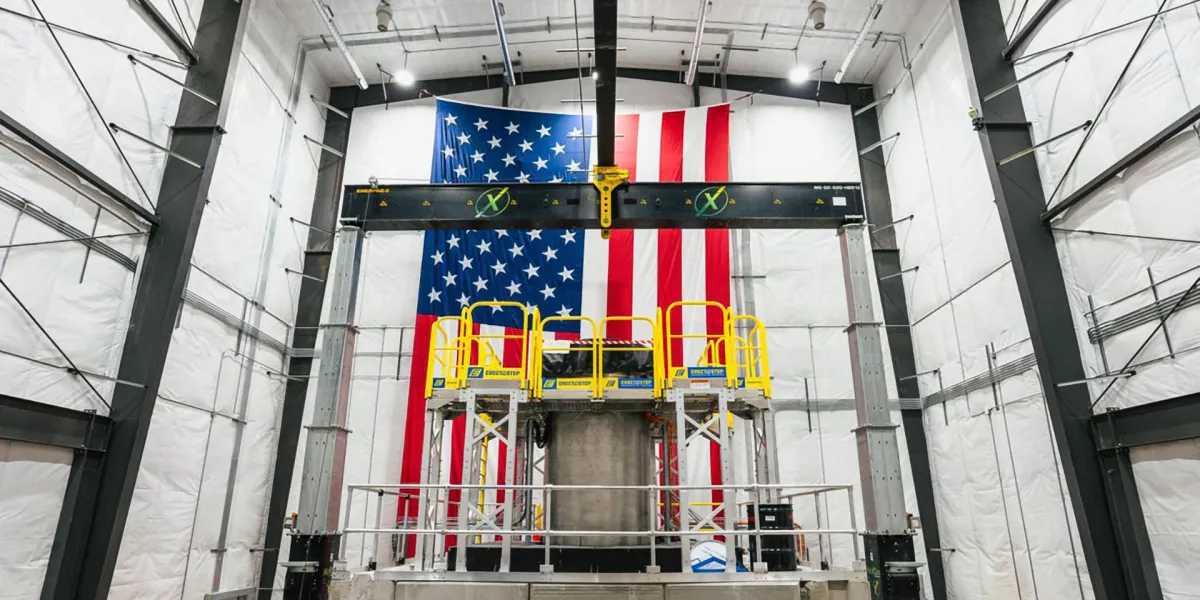
Three reactors hit this goal in June, with the third achieving criticality late Tuesday night, reaching Trump’s deadline four days early. “America’s nuclear renaissance is underway because of President Trump’s bold vision and ambitious goals. Yesterday, we accomplished a significant milestone on a timeline many thought was unachievable,” Energy Secretary Chris Wright said on Wednesday morning. “Advanced nuclear technologies like Unity will help power the next generation of American industry, strengthen our energy security, and ensure the United States remains the world’s nuclear innovation leader.”Deployable Energy developed the reactor under the Department of Energy’s Nuclear Energy Launch Pad initiative. It is the first reactor under this program to achieve criticality.The microreactor, known as Unity, is designed to be a 1 megawatt nuclear battery. For comparison, 1 megawatt of energy can typically power 400 to 900 homes.The National Reactor Innovation Center at the Idaho National Laboratory managed the criticality test conducted Tuesday night.Bobby Gallagher, co-founder and CEO of Deployable Energy said in a statement, “We are proud to be a part of this historic achievement and I want to express Deployable Energy’s gratitude to the administration for setting an audacious goal to have three reactors reach criticality before July 4th, the U.S. Department of Energy for ensuring our ability to meet this goal with safety, quality, and speed, and the Idaho National Laboratory for providing an incredible partnership in execution.”Another reactor expected to achieve criticality before the July 4 deadline is the Aalo-X reactor, under development by Aalo Atomics at Idaho National Laboratory under the Department of Energy’s Pilot Reactor Program, which was launched specifically to build these smaller advanced reactors in a testing and demonstration capacity. Wright gave his approval for the reactor to move forward last week.Although the Department of Energy cannot license commercial reactors, the Atomic Energy Act authorizes it to license reactors under agency control or under substantial contractual obligations, often for research purposes.The administration, however, is hopeful that the accelerated pilot program will serve as a fast-track bridge to commercial licensing under the Nuclear Regulatory Commission, by providing federal regulators with critical operational data — such as successful criticality tests. Matt Loszak, CEO of Aalo Atomics, confirmed to the Washington Examiner in May that it plans to begin its NRC application process for commercialization later this year.The Aalo-X reactor is intended to help power facilities such as data centers running energy-intensive artificial intelligence operations, and the company hopes to be operational for commercial use by 2029.Two other companies had their reactors achieve criticality earlier this month: Antares Nuclear and Valar Atomics. NUCLEAR DEVELOPERS RACE FOR TRUMP GOAL OF ‘CRITICALITY’ BEFORE JULY 4 DEADLINEWhile their reactors are not yet producing electricity, Wright told CNBC earlier on Thursday that he believed this could happen as soon as next year. “I believe we will see the first electricity coming out of a small module reactor, yes, perhaps before the end of next year, and definitely within 2028, within the Trump administration,” he said.