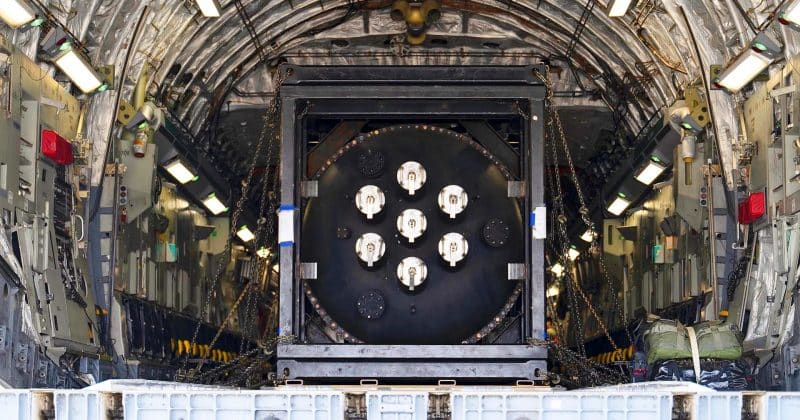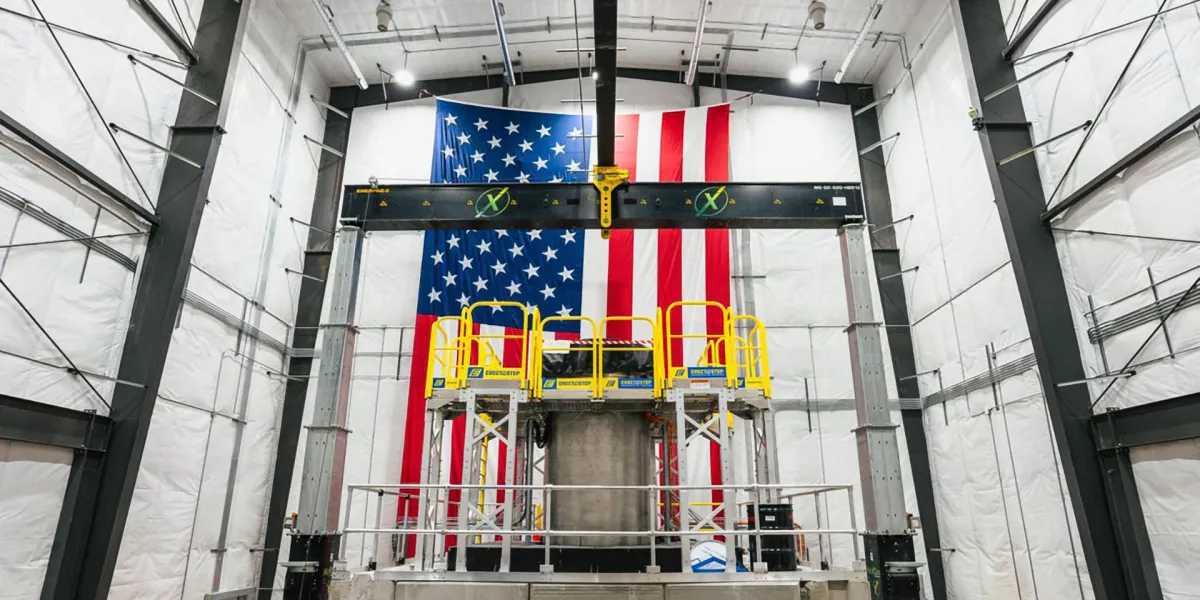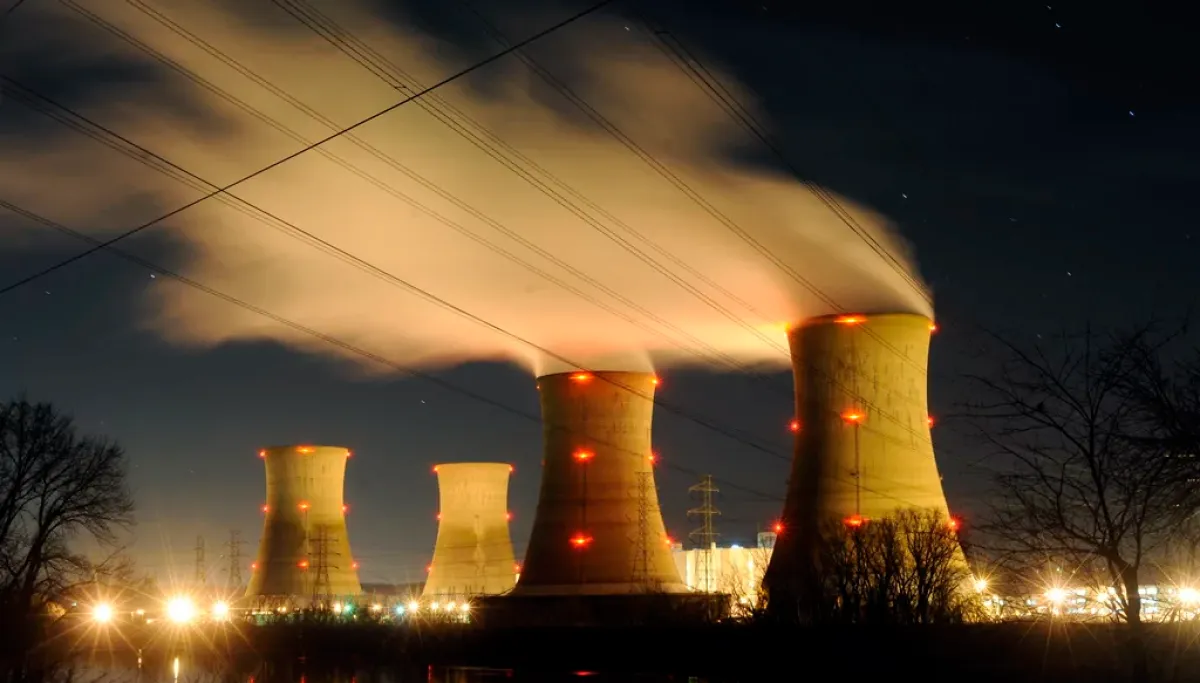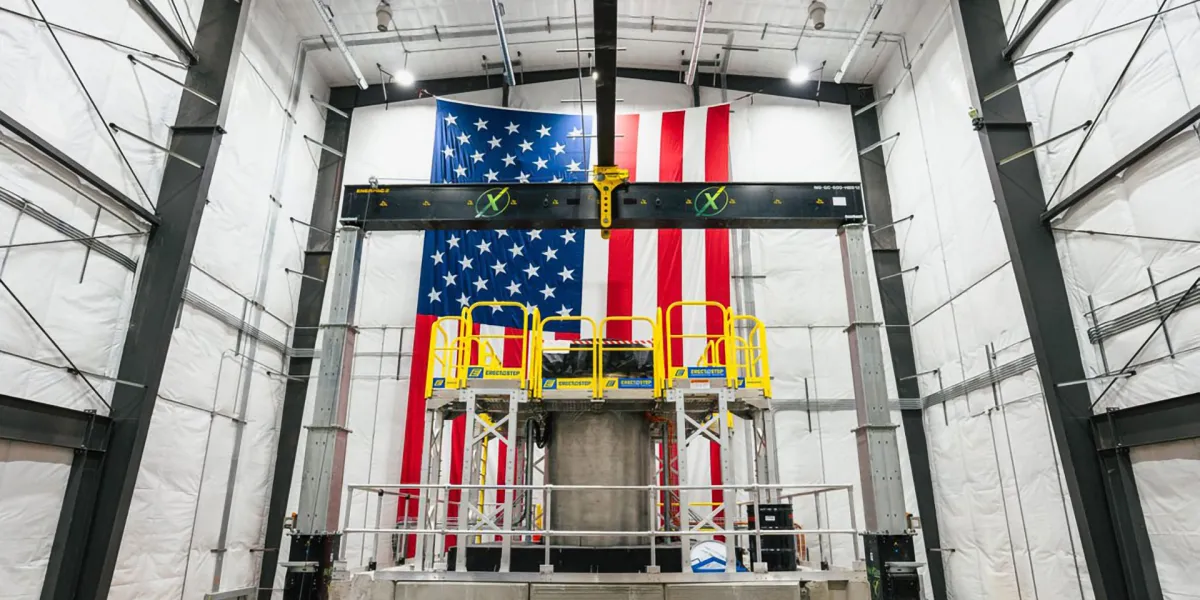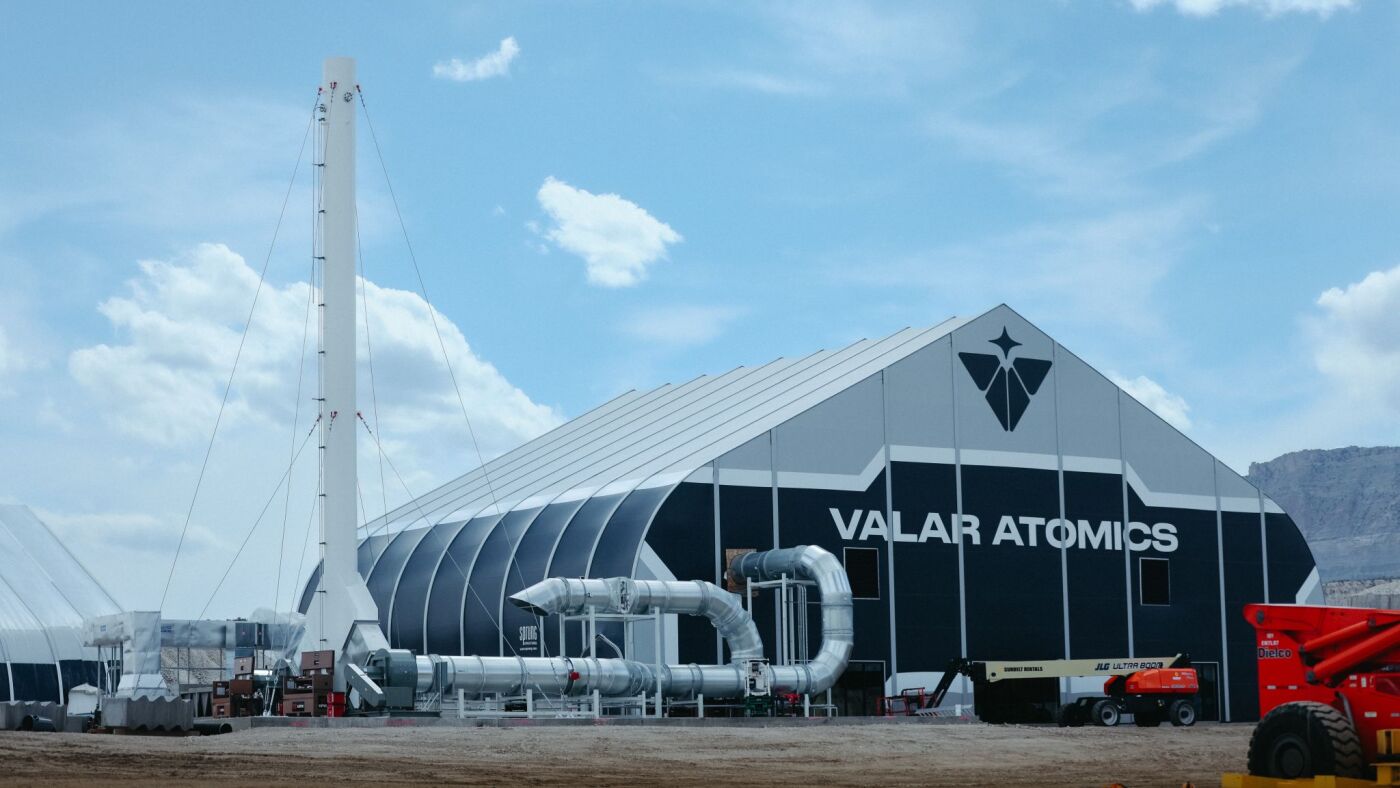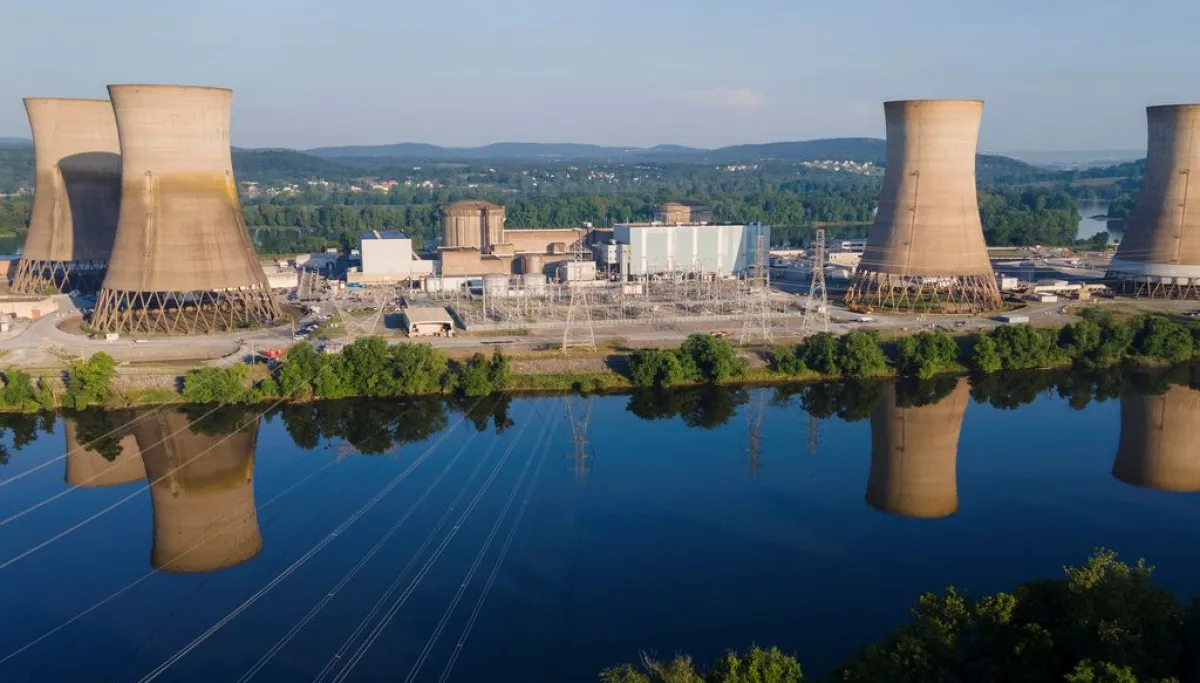
The Fourth of July this summer marks not only the 250th anniversary of the United States, but also the deadline for 10 nuclear companies vying to develop small and more advanced reactors to reach what the industry calls “criticality.”Criticality — more on that below — is a key step in the development of any nuclear reactor, and is being used by the Trump administration as a milestone for the development of more advanced nuclear energy technologies that could change the energy sector.Unlike the decades-old reactors now operational, advanced nuclear reactors use fewer components, employ alternative cooling systems to run at higher temperatures, and can be built on a much smaller scale for rapid deployment.
The Trump administration is hoping to utilize these quick-to-power reactors as it looks to shore up energy security and meet the surging demand caused by advancements in artificial intelligence and defense operations, in order to get ahead of China in the AI race.With a slew of nuclear energy-focused executive orders last May, President Donald Trump called for at least three reactors to reach criticality by Independence Day of this year.But what does mean for a reactor to hit criticality? Defining criticality