Fusion’s hard problem was making more energy than you put in. The next one is turning that energy into cheap electricity. A Wisconsin startup says it has taken a first step, by lighting a few bulbs straight from its reactor.
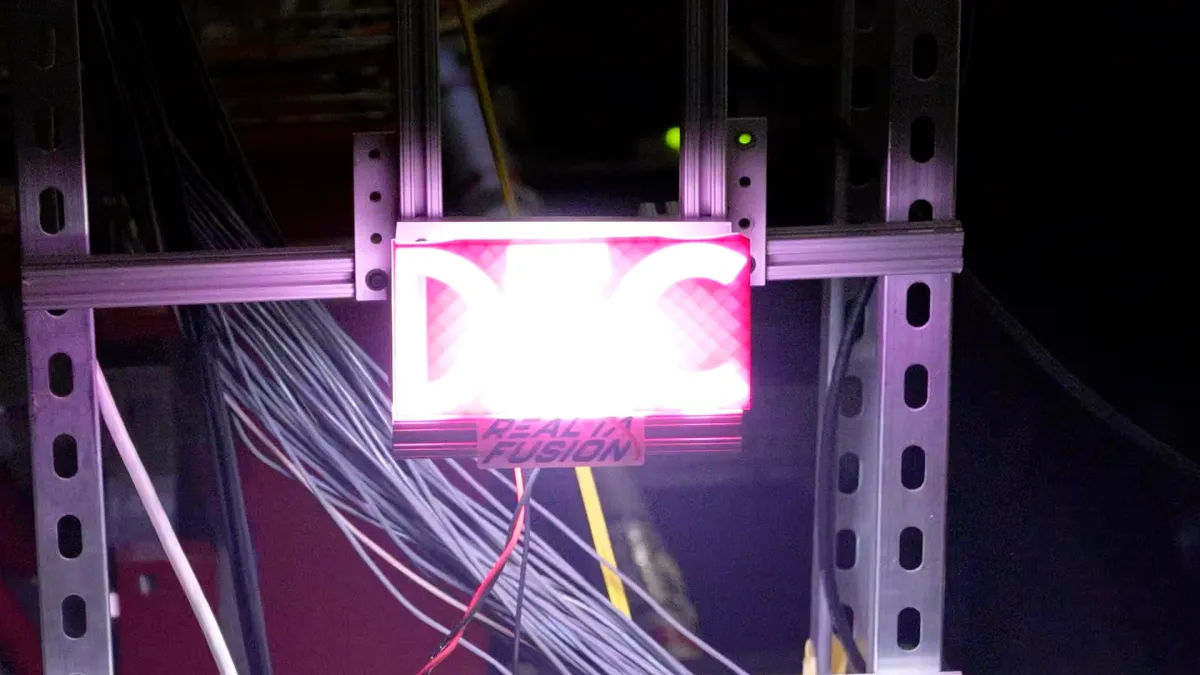
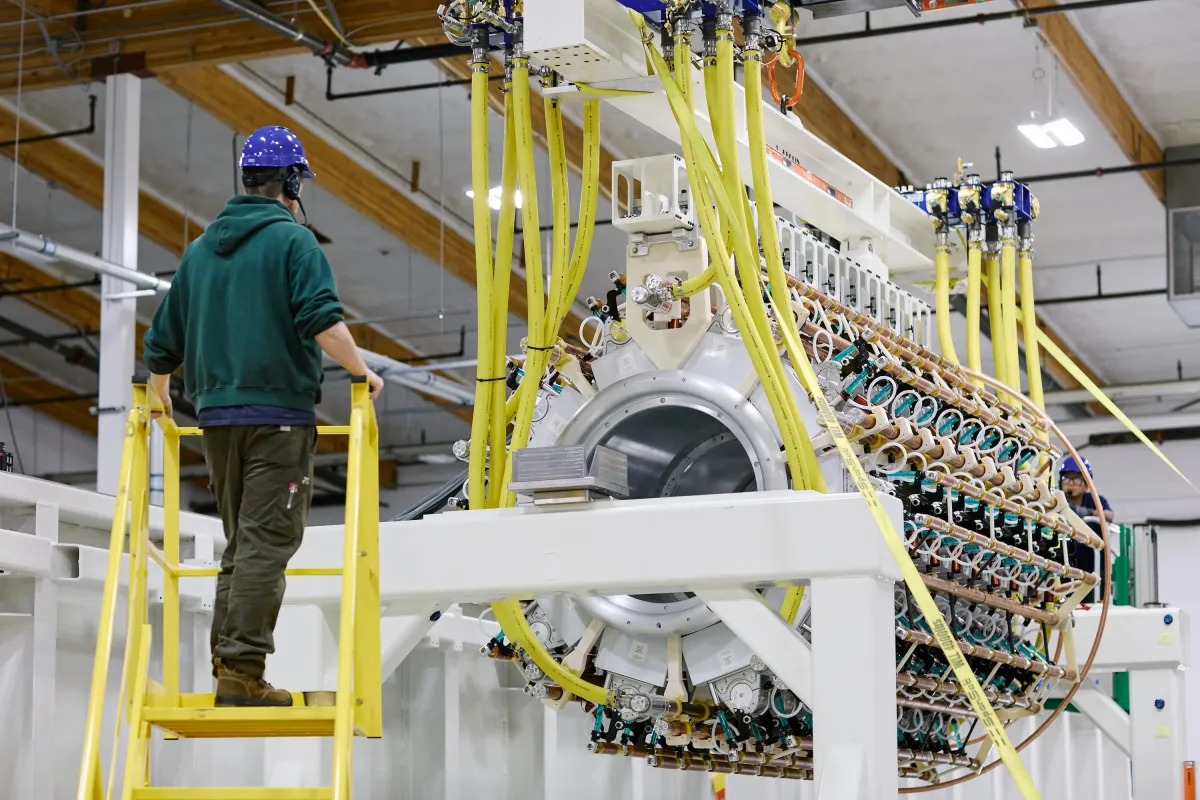
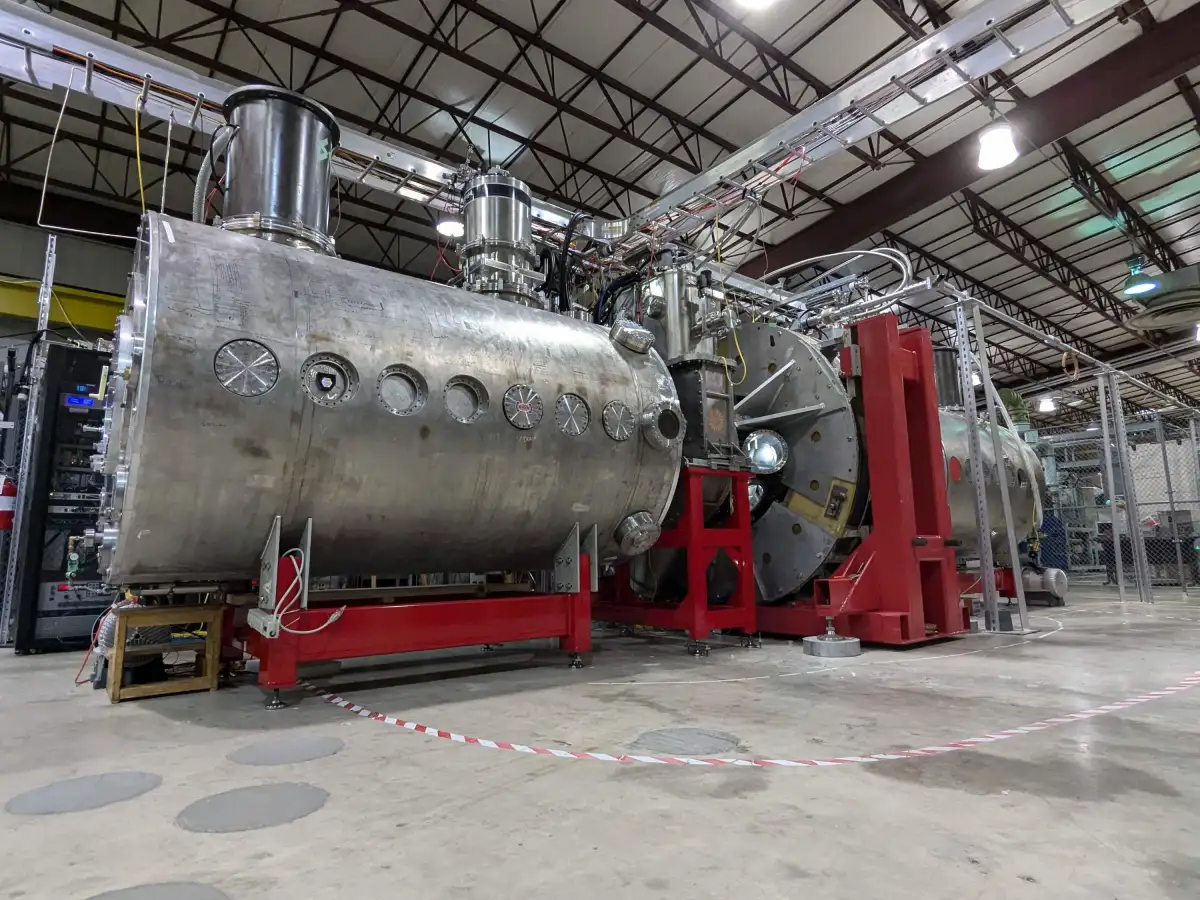
The company is Realta Fusion. On 30 June it announced the first demonstration of direct energy conversion by a commercial fusion firm. In an experiment on 19 June, its device drew several amps of current at around 100 volts. That was enough to power a handful of light bulbs, the company said.
Direct energy conversion, or DEC, is the appealing shortcut of fusion. Most reactors, like today’s fission plants, plan to make electricity the old-fashioned way. They use the heat to boil water, spin a turbine, and drive a generator. That process is lossy. DEC skips it and harvests electricity straight from the charged particles that stream out of the reaction.
Why skipping the steam matters
The prize is efficiency. A steam turbine in a fission plant converts about a third of its energy into electricity. Realta puts DEC at over 90 per cent. Chief executive Kieran Furlong told TechCrunch the gain matters. Every fusion plant has to spend power to run itself. “We can take power from a plasma,” he said. The more a plant can recycle, the sooner it can turn a profit.