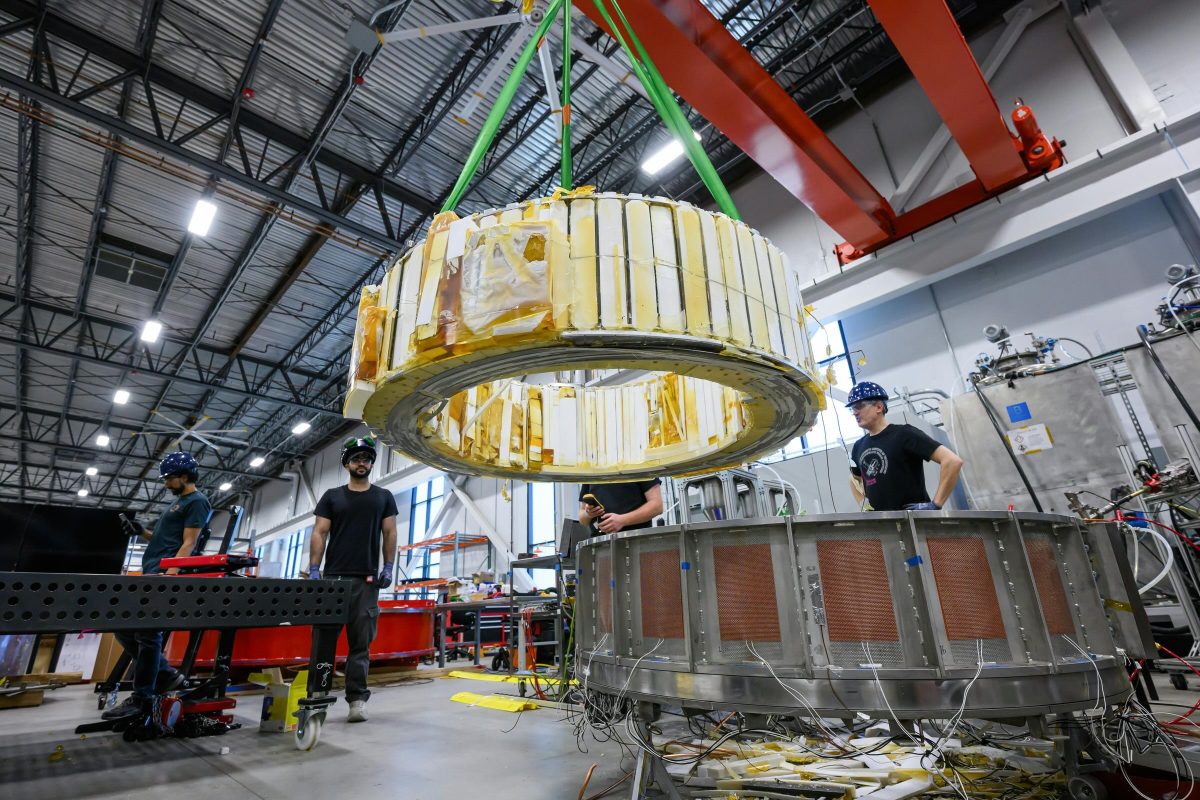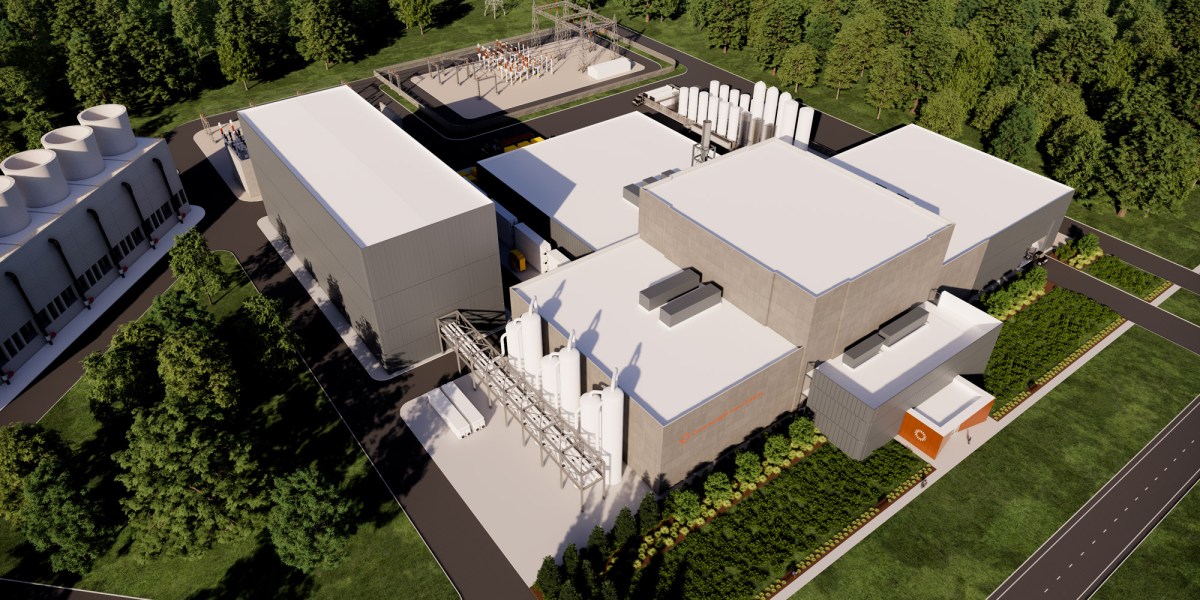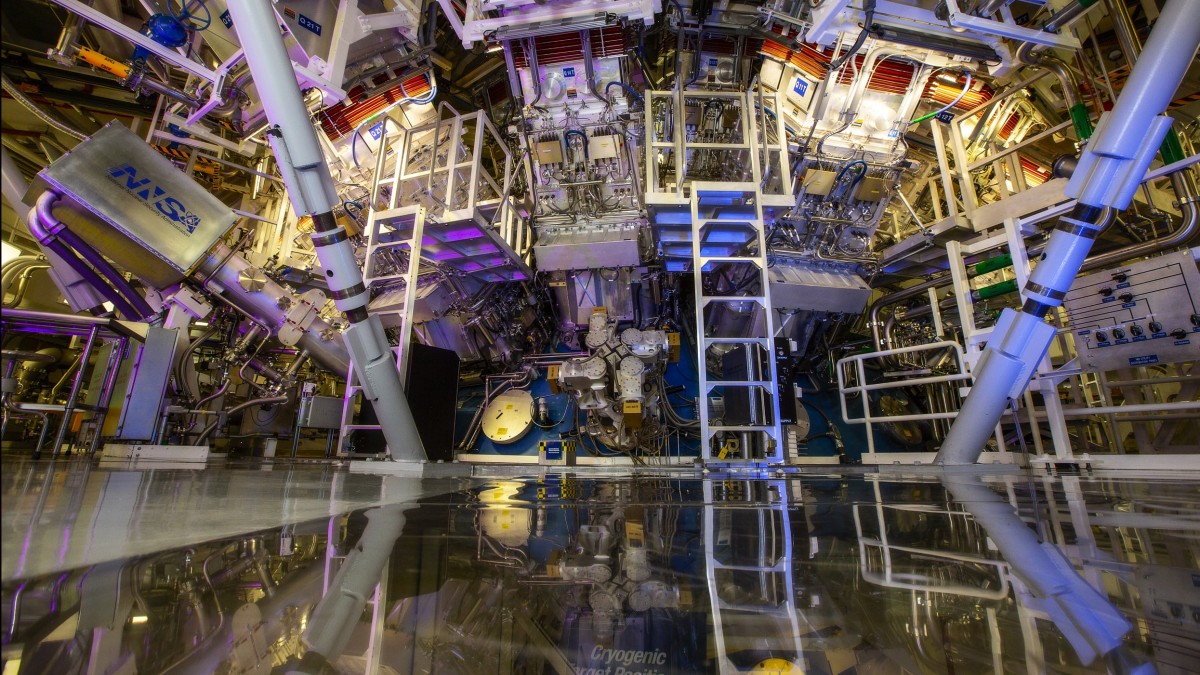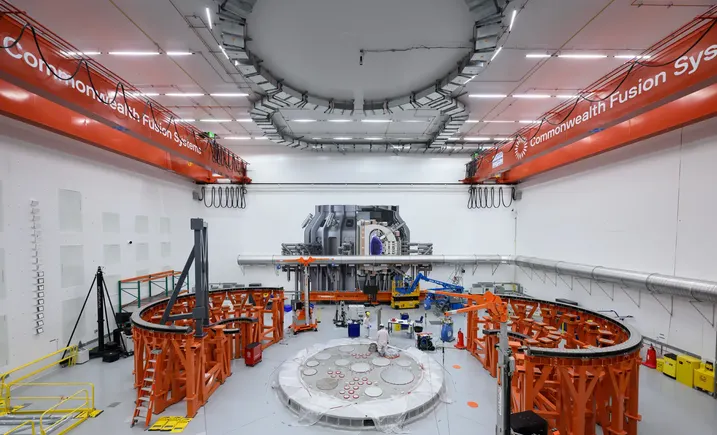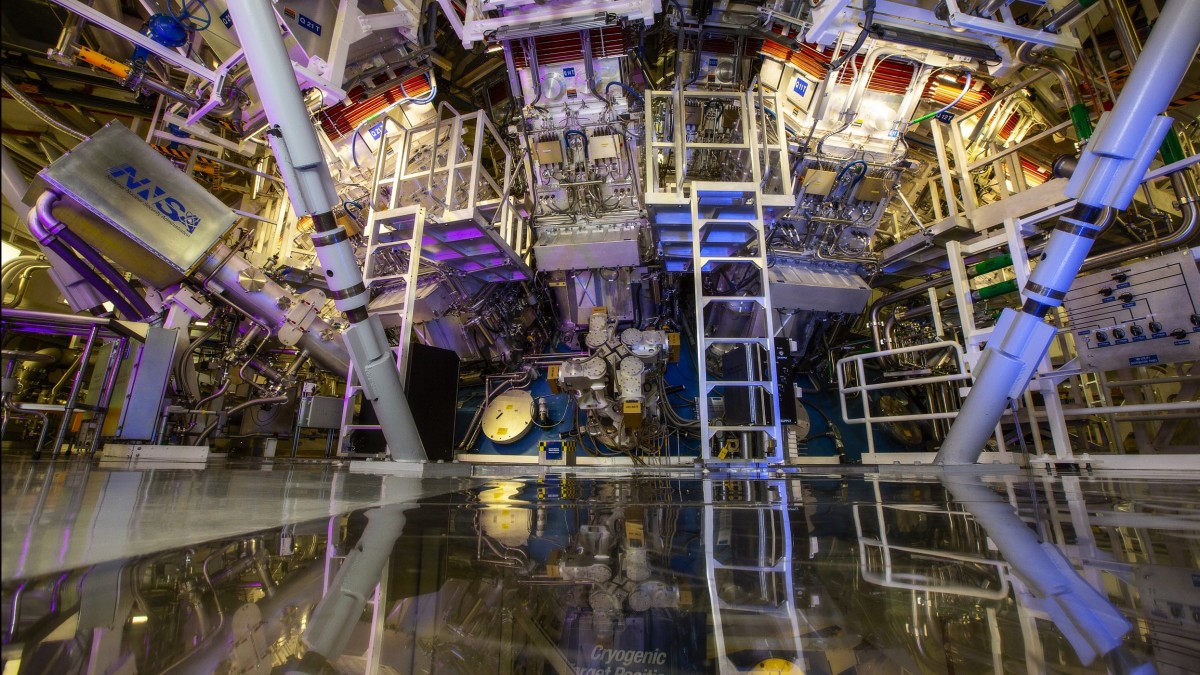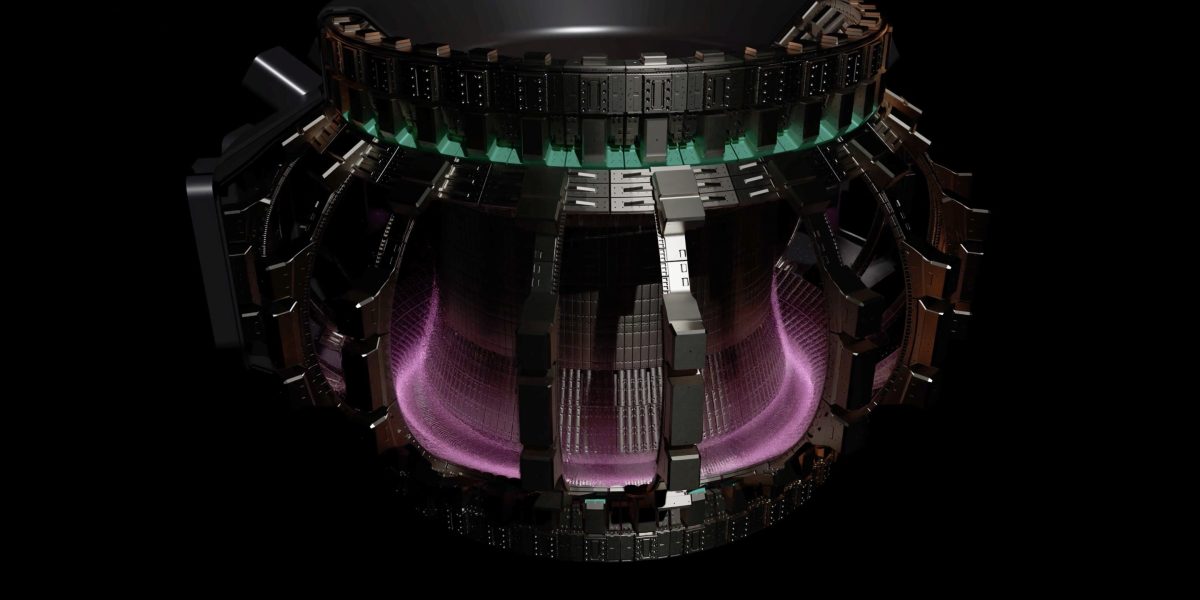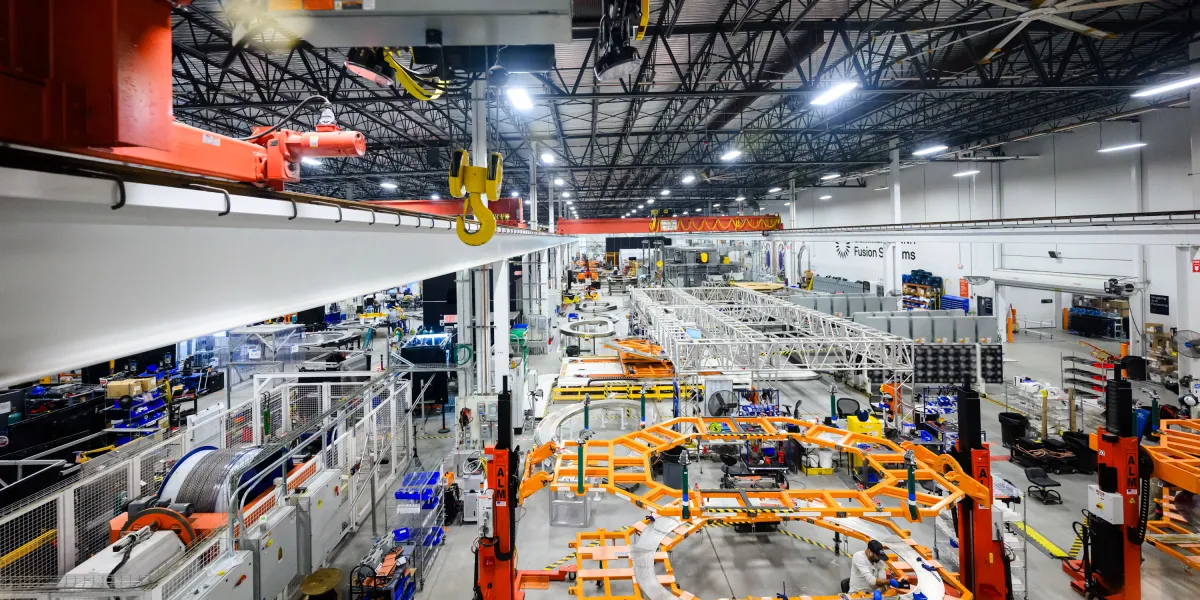
This week, Commonwealth Fusion Systems announced it has another customer for its first commercial fusion power plant, in Virginia. Eni, one of the world’s largest oil and gas companies, signed a billion-dollar deal to buy electricity from the facility. This is a weird moment in fusion. Investors are pouring billions into the field to build power plants, and some companies are even signing huge agreements to purchase power from those still-nonexistent plants. All this comes before companies have actually completed a working reactor that can produce electricity. It takes money to develop a new technology, but all this funding could lead to some twisted expectations. Nearly three years ago, the National Ignition Facility at Lawrence Livermore National Laboratory hit a major milestone for fusion power. With the help of the world’s most powerful lasers, scientists heated a pellet of fuel to 100 million °C. Hydrogen atoms in that fuel fused together, releasing more energy than the lasers put in.
It was a game changer for the vibes in fusion. The NIF experiment finally showed that a fusion reactor could yield net energy. Plasma physicists’ models had certainly suggested that it should be true, but it was another thing to see it demonstrated in real life. But in some ways, the NIF results didn’t really change much for commercial fusion. That site’s lasers used a bonkers amount of energy, the setup was wildly complicated, and the whole thing lasted a fraction of a second. To operate a fusion power plant, not only do you have to achieve net energy, but you also need to do that on a somewhat constant basis and—crucially—do it economically.