Report
July 1, 2026
G. Alexander Crowther
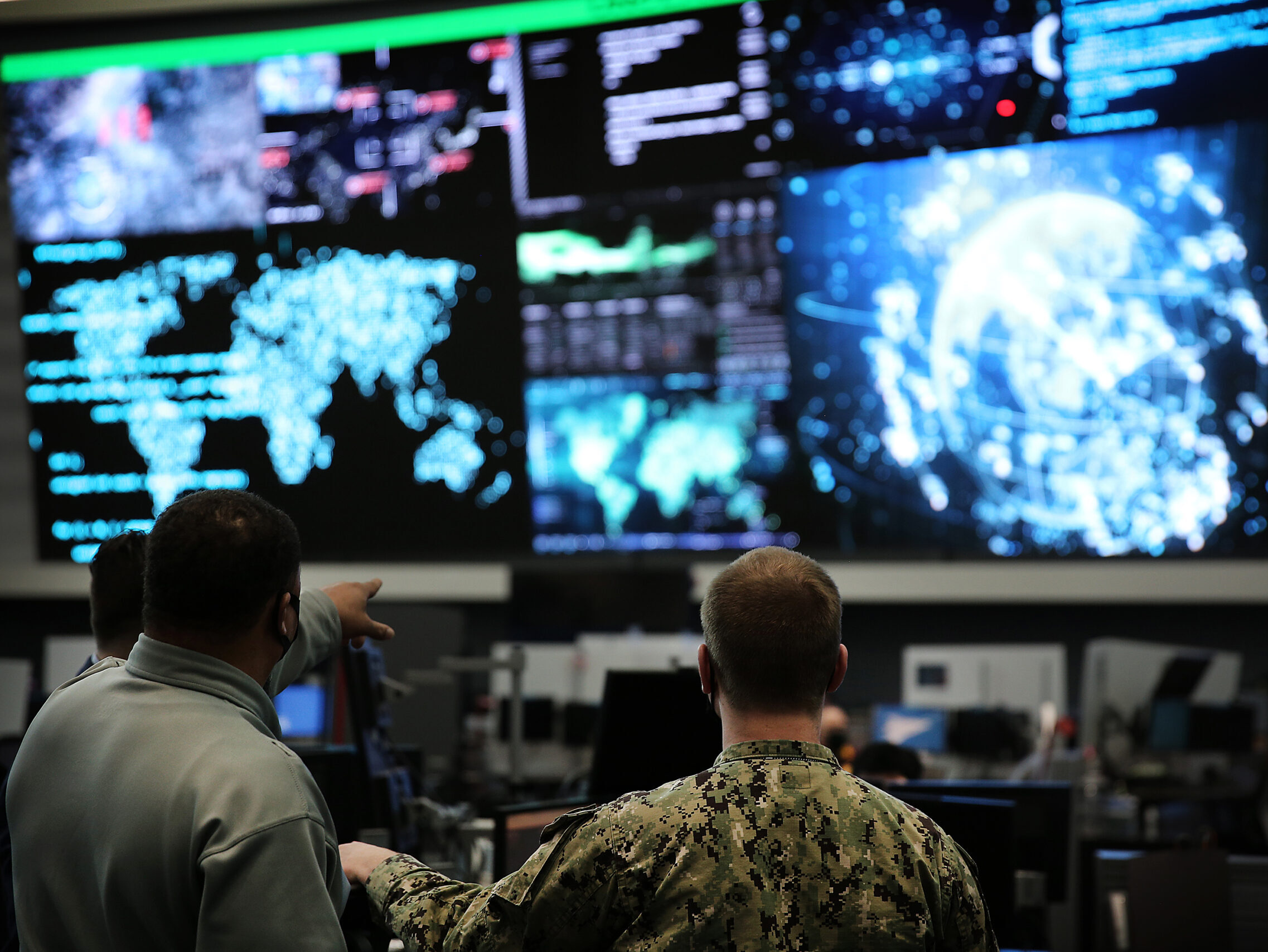
NATO, like every other major international organization, is greatly challenged in cyberspace. NATO has embraced cyber as a challenge since the 2002 NATO Summit in Prague. The subsequent growth of cyber operations against NATO allies, such as the major attacks from around the world against the Estonian government in 2007, have only strengthened allies desires to strengthen their cyber capabilities, however criminal- and state-executed operations remain the greatest challenge NATO faces in cyberspace while cyber force development is a major issue. The subsequent growth of cyber operations against NATO allies—from the major attacks against the Estonian government in 2007 to recent cases prompting warnings by officials and agencies in the United Kingdom and Germany—have only strengthened allies desires to increase their cyber capabilities. Criminal- and state-executed operations remain the greatest challenge NATO faces in cyberspace, while cyber force development is a major issue.
Although the popular view is that NATO commands vast forces, NATO has very few organic capabilities (e.g., NATO AWACS) in its command structure and most forces, including almost all cyber capabilities, reside in allied security services and is available to NATO when requested and agreed upon. NATO itself has a circumscribed role in cyber operations but is very active in setting policy for NATO cyber forces. Like conventional forces, allies have differing cyber capabilities.