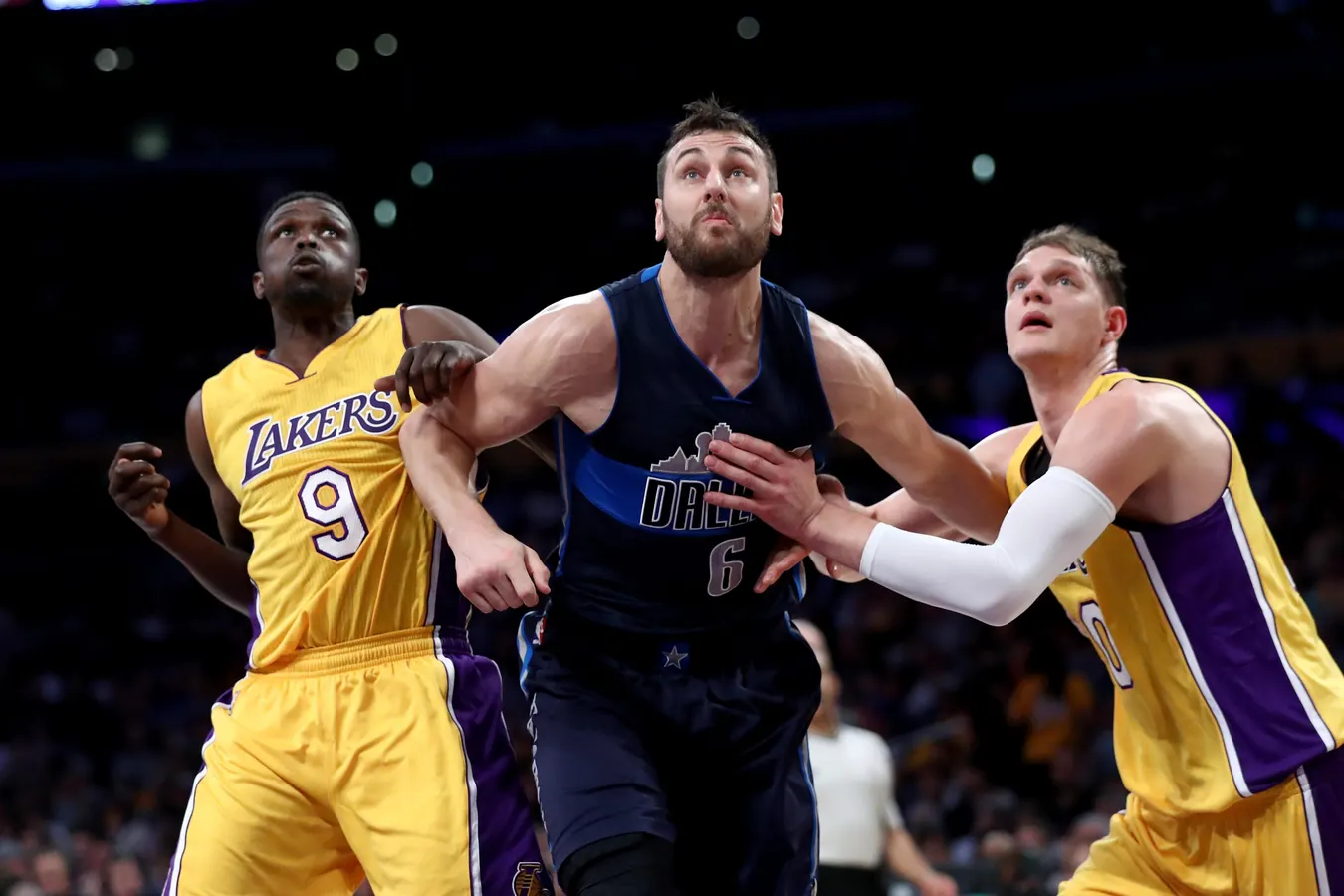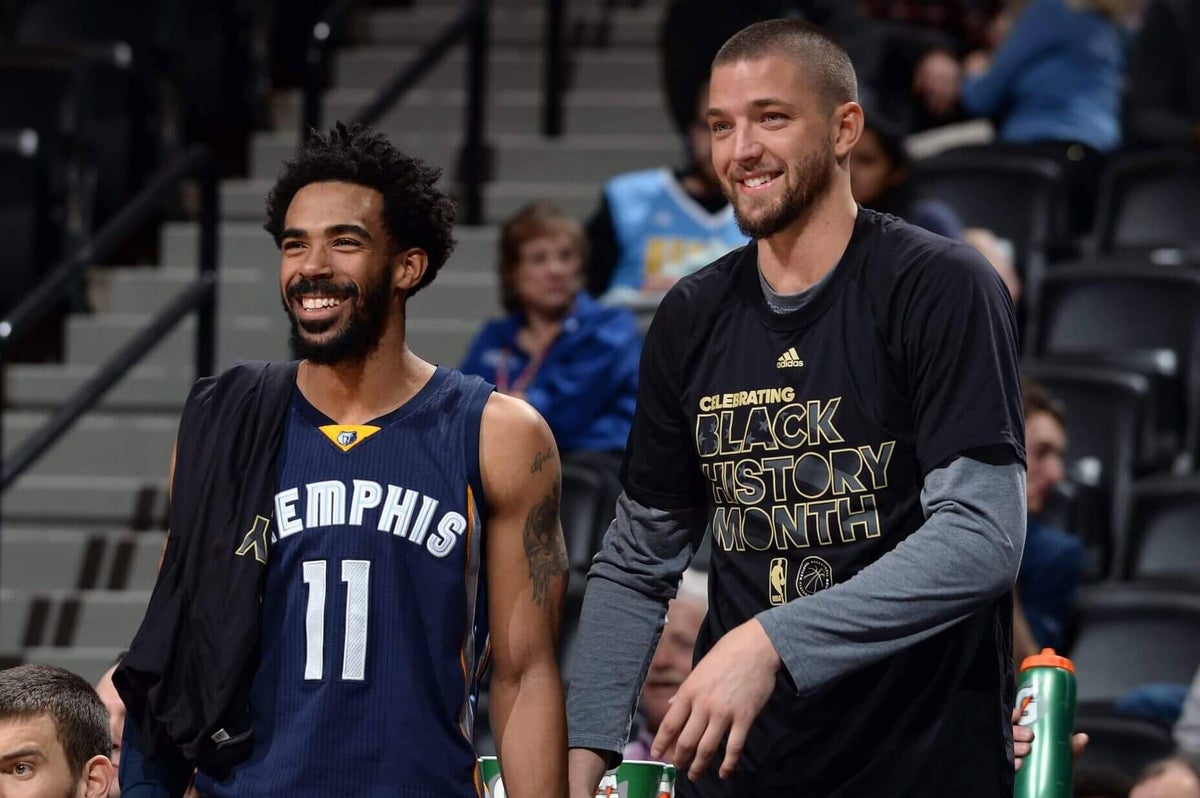
Ten years ago today, I spent a quarter-billion dollars of somebody else’s money in less than an hour.Well, it wasn’t me, exactly, but as a member of the Memphis Grizzlies’ front office, I certainly had a prominent role in it.In contrast to the crawl into free agency that we’ve seen in 2026, where “pre-agency” took many of the best players off the table before they ever hit the market and most of the rest of the good ones are also re-signing with their own teams, NBA free agency in 2016 was madness.A sudden spike in the salary cap had resulted in virtually every team in the league having significant cap space. And with significantly more cap space than talent, well … mistakes were made.Save for one key player, virtually the entirety of free agency that year happened in 24 hours, starting at 9 p.m. PT in a series of hotels and agents’ houses in the L.A. area.While a select group of teams waited nervously on the other side of the country for Kevin Durant to meet with them in the Hamptons, everyone else was Richard Pryor in “Brewster’s Millions,” trying to burn through their cap space as quickly as possible before the game of free-agency musical chairs ended.What a time to be alive.If you weren’t willing to fork out in the high eight figures for another team’s ninth-best player, five other teams were lined up behind you, ready to do it. And this was in 2016 money — with max contracts below $30 million — not 2026 money!The first announced deal came just at the stroke of midnight on the East Coast, when Timofey Mozgov was reported to be going to the Los Angeles Lakers for four years and $64 million. Things quickly degenerated from there.To give you an idea of where things stood: We were upset that we couldn’t get a meeting with Kent Bazemore to offer him a near-max contract, something he eventually signed with the Atlanta Hawks.We had a meeting at the first possible moment — 9 p.m. in L.A. — with little-used Indiana Pacers forward Solomon Hill, and realized our hopes of getting him for “just” four years and $40 million were unrealistic given the multiple rivals lining up to beat our offer (New Orleans eventually got him for four years and $52 million).We tried to get Eric Gordon to take $40 million, since he’d known our star guard, Mike Conley, since childhood; we didn’t know he had more than $50 million waiting for him in Houston.We also bailed on a five-team bidding war for a player who averaged seven points the previous season, when we all stopped, looked at each other and asked, “What are we doing here?” He got nearly as much as Hill and Gordon.However, we quickly agreed to three contracts that day, totaling $253 million. Our owner, Robert Pera, posted a clip of a baby throwing dollar bills out the window.
How I helped spend a quarter-billion dollars during 2016 NBA free-agency frenzy
Ten years ago, a spike in the salary cap had resulted in nearly every NBA team having significant cap space ... and mistakes were made.
927 words~4 min read