Russia is repeatedly provoking Western countries. What looks like a series of isolated nuisances is, in fact, part of a broader strategy. Every sabotage attack, undersea cable operation, airspace incursion and GPS jamming incident helps Moscow answer one question: if Russia attacked Nato later this decade, how would the alliance actually respond?
That matters because Sir Keir Starmer has warned that Britain should be ready for a Russian attack on Nato by 2030. Russia is running the experiment now.
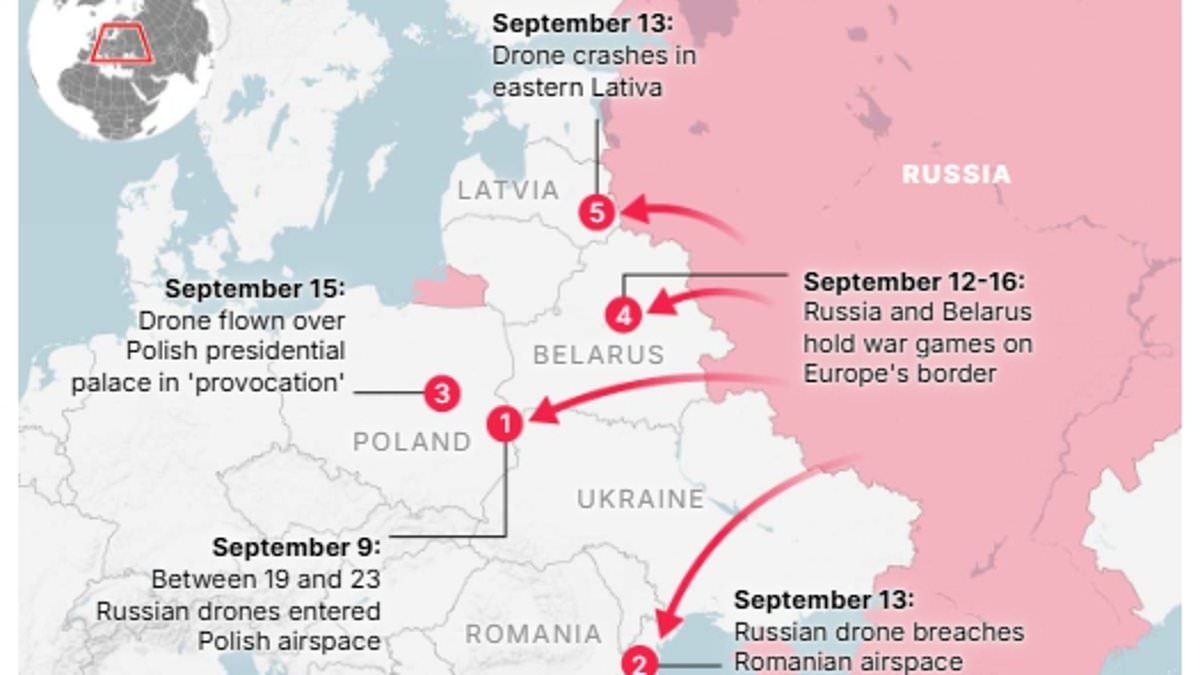
Russia’s “grey-zone” attacks are varied, widespread and growing. Putin tested Nato airspace 18 times in 2025, three times more than in 2024. In April, the UK and Norway foiled a covert attempt by Russian submarines to survey and potentially target critical undersea cables and pipelines in the North Atlantic and North Sea.
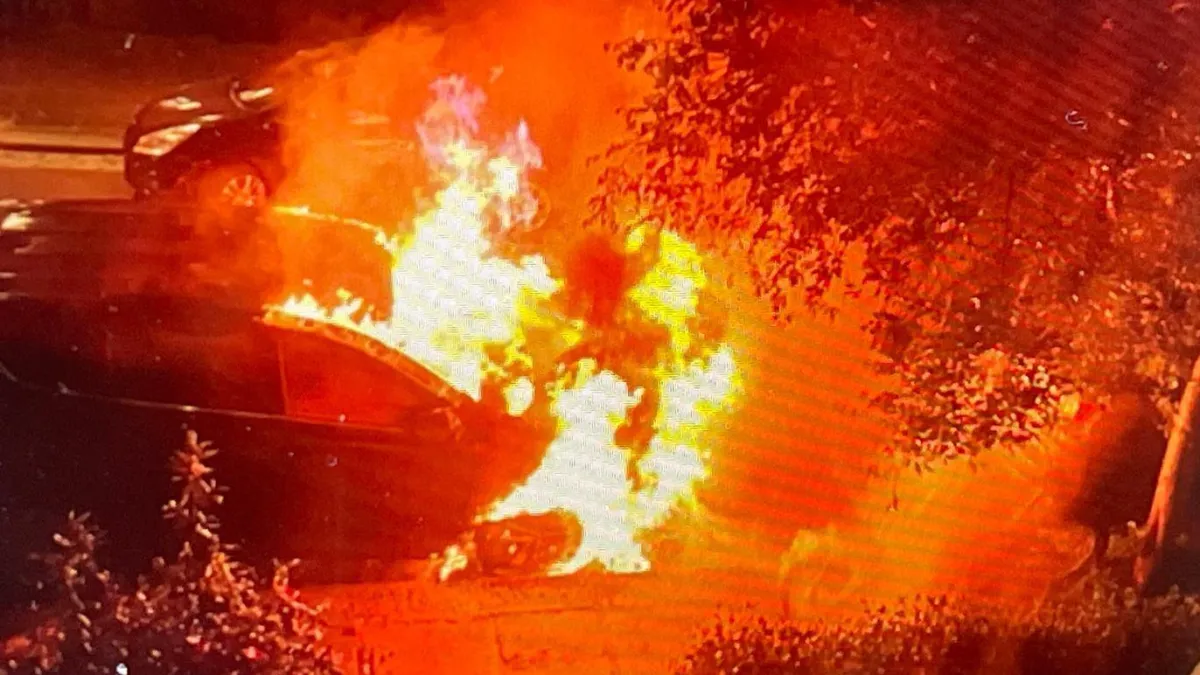
In the same month, a Russian fighter jet passed within six metres of an RAF aircraft over the Black Sea. A day later, Russia was suspected of jamming the GPS of former UK defence secretary John Healey’s plane. We now know that Russia was responsible for DHL parcel firebombs in the UK, Poland and Germany. These are not isolated incidents, but iterative stress tests designed to reduce Moscow’s uncertainty about Nato’s response.